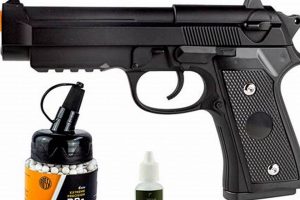
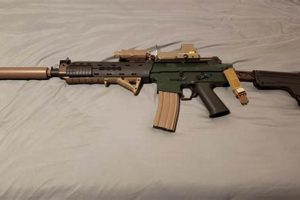
The inquiry at hand concerns the potential lethality of airsoft projectiles when directed at squirrels. Airsoft guns, designed to fire plastic BBs, are generally considered less powerful than firearms. However, the impact force and projectile velocity could, under specific circumstances, cause harm to small animals.
Factors such as the airsoft gun’s power (measured in feet per second or FPS), the distance to the target, the type of ammunition used, and the point of impact all play a crucial role in determining the potential for injury. While airsoft is often used for recreational activities and training exercises, its use must be considered carefully. The historical context of airsoft shows its evolution from toys to training tools, emphasizing the need for responsible handling.
The following sections will examine the relevant factors contributing to the potential danger, legal considerations, and ethical implications of using airsoft guns in contexts that might endanger wildlife.
Mitigating the Risks
This section offers guidance on minimizing the potential harm to squirrels and other small animals when airsoft activities are conducted in environments they inhabit. The irresponsible use of airsoft weaponry can pose a threat, and adherence to these principles is crucial for responsible engagement.
Tip 1: Confine Activities: Restrict airsoft games and target practice to designated areas far removed from known squirrel habitats or areas frequented by wildlife. This spatial separation greatly reduces the likelihood of accidental encounters.
Tip 2: Implement Visual Barriers: Utilize netting, screens, or other visual barriers around airsoft playing fields or target ranges. These barriers help to contain stray projectiles and prevent wildlife from inadvertently entering the area.
Tip 3: Reduce Projectile Velocity: Where adjustable, reduce the FPS (feet per second) setting on airsoft guns, particularly when operating in areas where small animals may be present. Lower velocity BBs lessen the impact force and potential for injury.
Tip 4: Employ Biodegradable BBs: Utilize biodegradable airsoft BBs made from materials like PLA (polylactic acid). These BBs decompose naturally over time, minimizing environmental impact should any escape containment measures.
Tip 5: Educate Participants: Ensure all individuals participating in airsoft activities are fully aware of the potential harm to wildlife and the importance of responsible gun handling. This education should extend to identifying local wildlife and recognizing their habitats.
Tip 6: Conduct Regular Inspections: Periodically inspect the perimeter of the playing area and surrounding environment for any signs of wildlife activity. This will help identify potential risks and allows for further precautions.
Tip 7: Emphasize Ethical Considerations: Reinforce that targeting or deliberately harming any animal with an airsoft gun is unethical and potentially illegal. A culture of respect for wildlife must be cultivated within the airsoft community.
By implementing these tips, individuals can significantly reduce the risks associated with airsoft activities and better protect squirrels and other small animals. Responsible gun ownership and a commitment to environmental stewardship are paramount.
The following sections will delve into the legal ramifications and explore alternative activities that foster environmental responsibility.
1. Projectile velocity

Projectile velocity is a critical determinant in assessing the potential for an airsoft projectile to cause lethal injury to a squirrel. It dictates the kinetic energy transferred upon impact, directly influencing the severity of the resulting trauma. Understanding this relationship is essential for responsible airsoft gun use in environments where squirrels may be present.
- Kinetic Energy and Impact Force
Projectile velocity directly influences kinetic energy, which is converted into impact force upon collision. Higher velocity translates to greater force, increasing the likelihood of penetrating tissue, fracturing bones, or causing internal damage. For example, a projectile traveling at 400 FPS delivers significantly more energy than one at 200 FPS, proportionally escalating the potential for severe injury or fatality.
- Penetration Potential
Velocity is a key factor in determining the penetration capability of an airsoft projectile. A faster-moving BB is more likely to pierce skin and muscle tissue, potentially reaching vital organs. The thin skin and relatively small body mass of a squirrel make it particularly vulnerable to even minor penetration. Tests have shown that even low-velocity projectiles can penetrate soft tissue, highlighting the risk.
- Distance and Velocity Degradation
While muzzle velocity is important, it’s crucial to consider how velocity degrades with distance. Air resistance slows the projectile, reducing its impact force at longer ranges. However, even with degradation, close-range shots retain a significant risk of causing serious harm. Trajectory analysis indicates a rapid velocity decrease initially, followed by a more gradual decline. This means near impact has dangerous potential.
- Lethality Threshold
Establishing a precise velocity threshold for lethality is complex and depends on numerous factors, including the BB’s material, point of impact, and the squirrel’s health. However, it’s generally accepted that higher velocity projectiles pose a greater risk. Research suggests that velocities exceeding certain levels have a significantly increased probability of causing severe trauma or death in small animals. The absence of definitive studies necessitates caution and a conservative approach to ensure squirrel safety.
The connection between projectile velocity and the potential for fatal injury in squirrels underscores the importance of responsible airsoft gun usage. Factors like distance, BB type, and the animals condition interplay with velocity to determine the outcome. By understanding these variables, users can take precautions to minimize the risk, adhering to safety guidelines and exercising ethical judgment when engaging in airsoft activities near wildlife.
2. Impact Force

Impact force, the measure of force exerted during a collision, is directly proportional to the kinetic energy of an airsoft projectile at the point of contact with a squirrel. This force is a primary determinant of whether an airsoft shot will result in serious injury or death. The higher the impact force, the greater the likelihood of tissue damage, bone fracture, or internal trauma. For example, an airsoft BB propelled at a high velocity striking a squirrel’s vital organ can deliver sufficient force to cause internal bleeding or organ failure, leading to mortality. The understanding of impact force is crucial as it serves as a predictor of potential harm, guiding responsible airsoft use in areas inhabited by wildlife. Without this comprehension, potential risk assessments would remain incomplete.
The effects of impact force are further influenced by factors such as projectile material, contact area, and the squirrel’s physical condition. A denser, harder BB concentrates force into a smaller area, increasing penetration potential and the likelihood of serious injury. Conversely, a less dense projectile may dissipate some force upon impact, reducing the risk of penetration but still potentially causing blunt trauma. The squirrel’s age, health, and size also contribute to its vulnerability. A young or weakened squirrel may be less resilient to impact forces than a healthy adult. These variable add complexity to predicting outcomes. It needs more specific knowledge of environmental and individual factors that affect airsoft BBs in nature.
In summary, impact force constitutes a crucial link in the causal chain leading to potential harm from airsoft guns. Its magnitude directly influences the degree of injury inflicted. While acknowledging the variables at play, understanding the relationship between impact force and the anatomical vulnerability of squirrels is paramount for promoting responsible airsoft practices and safeguarding wildlife. Challenges remain in precisely quantifying the lethal threshold, but awareness of the principle is essential for ethical gun handling and the avoidance of unintended harm to animals.
3. Squirrel anatomy

The anatomical characteristics of squirrels are highly relevant when assessing the potential lethality of airsoft projectiles. The size, bone structure, and organ placement of these animals influence their susceptibility to injury from such impacts. A detailed understanding of squirrel anatomy is therefore crucial in evaluating the risks associated with airsoft activities in areas where these animals reside.
- Cranial Vulnerability
Squirrels possess a relatively thin cranial bone structure. A direct impact to the head from an airsoft projectile can cause skull fractures, brain trauma, or concussions. The concentration of vital neural structures within the cranium increases the risk of fatality or severe neurological damage even from low-velocity impacts. Examples of skull fractures observed in similar-sized animals after blunt force trauma underscore this vulnerability.
- Thoracic Cage and Organ Proximity
The rib cage in squirrels offers limited protection to the vital organs within the thoracic cavity. The heart and lungs are positioned close to the surface, making them susceptible to puncture wounds or contusions from airsoft projectiles. A BB impacting this region can cause internal bleeding, respiratory distress, or cardiac arrest. Comparative anatomical studies demonstrate the limited rib cage protection in small rodents, highlighting this risk.
- Abdominal Susceptibility
Similar to the thoracic region, the abdominal cavity of squirrels offers minimal skeletal protection. The liver, spleen, and intestines are vulnerable to injury from airsoft BB impacts. Perforation of these organs can lead to peritonitis, sepsis, and death. Necropsy reports of small animals injured by blunt force frequently reveal abdominal organ damage, emphasizing the danger.
- Skeletal Fragility
The skeletal structure of squirrels, composed of relatively small and lightweight bones, is prone to fracture from even moderate impacts. Airsoft projectiles can cause limb fractures, spinal injuries, or pelvic fractures, impairing mobility and increasing vulnerability to predation or starvation. Veterinary studies have documented bone fractures in rodents caused by seemingly minor trauma, illustrating the fragility of their skeletal system.
The anatomical vulnerabilities discussed above underscore the potential for airsoft projectiles to cause significant harm or death to squirrels. The proximity of vital organs to the body surface, the thinness of the cranial vault, and the fragility of the skeletal structure all contribute to the risk. While the severity of injury depends on factors such as projectile velocity and distance, the anatomical characteristics of squirrels make them inherently susceptible to harm from airsoft impacts. This highlights the need for caution and responsible airsoft practices in areas where squirrels are present.
4. Distance
The distance between the airsoft gun and the squirrel is a critical factor modulating the potential for lethal injury. As distance increases, the projectile’s velocity and, consequently, its impact force diminish. Understanding this relationship is essential for gauging the risk associated with airsoft activities in squirrel habitats.
- Velocity Degradation
Airsoft projectiles experience velocity loss due to air resistance. The further the projectile travels, the greater the reduction in speed and kinetic energy. This means a shot fired at close range carries significantly more force than one at a longer distance, proportionally increasing the risk of penetration and trauma. Projectile ballistics data confirms the exponential decay of velocity over distance, directly influencing impact severity.
- Energy Dissipation
The kinetic energy of an airsoft BB dissipates over distance, lessening its potential to cause harm. This dissipation is not linear; the rate of energy loss is greater at the initial phase of the trajectory. A projectile that might cause a fatal wound at 10 feet might only cause a minor contusion at 50 feet due to this energy loss. Scientific modeling demonstrates the rapid falloff of kinetic energy as distance extends.
- Accuracy Reduction
Increased distance also leads to reduced accuracy. The likelihood of a direct hit to a vital area decreases as the range extends due to factors like wind, projectile deviation, and aiming errors. This reduction in accuracy mitigates the risk of striking a vulnerable area, but does not eliminate it entirely. Empirical studies of airsoft gun accuracy confirm the inverse relationship between distance and precision.
- Indirect Impacts
Even at longer distances, the potential for indirect impacts remains. A projectile might ricochet off a surface before striking the squirrel, still delivering some force. While the force is reduced, it could still cause injury, particularly to the eyes or other sensitive areas. This underscores the importance of considering not only the direct trajectory but also the potential for ricochets and other indirect impacts, even at greater distances.
In summary, distance is an inversely proportional factor in the potential for an airsoft projectile to cause lethal injury to a squirrel. While increased distance reduces velocity, energy, and accuracy, the potential for harm is never entirely eliminated. Understanding the interplay of these factors is crucial for responsible airsoft gun use and the protection of wildlife.
5. Ammunition type

Ammunition type in airsoft plays a crucial role in determining the potential for lethal injury to squirrels. The material, weight, and size of the projectile directly influence its impact force, penetration capability, and overall capacity to inflict trauma.
- BB Material Composition
Airsoft BBs are typically made of plastic, but variations exist, including biodegradable plastics (PLA) and, less commonly, metal. Plastic BBs pose a lower risk of penetration and severe injury compared to metal BBs, which can cause significant tissue damage. The density and hardness of the material dictate the amount of energy transferred upon impact, influencing the severity of the wound. Real-world incidents involving small animals struck by various projectiles highlight the differential damage caused by materials of varying densities.
- BB Weight and Kinetic Energy
Heavier BBs, even at the same velocity, possess greater kinetic energy than lighter ones. This increased energy translates to a higher impact force, making heavier BBs more likely to cause bone fractures or internal injuries. The weight of the BB is a significant factor in determining the extent of the trauma. For instance, a 0.25g BB will deliver more force than a 0.12g BB at the same velocity, increasing the potential for severe harm. Examples from ballistics demonstrate the relationship between projectile mass and kinetic energy.
- BB Size and Contact Area
The standard airsoft BB size is 6mm, but variations exist. Smaller BBs concentrate the impact force into a smaller area, increasing the likelihood of penetration. Larger BBs, while distributing the force over a wider area, may still cause blunt trauma. The contact area influences the nature of the injury, with smaller BBs posing a greater risk of piercing wounds. Comparisons with similar projectiles used in other contexts illustrate this principle.
- Biodegradability and Environmental Impact
While not directly related to immediate lethality, the biodegradability of airsoft BBs has long-term implications for the environment. Non-biodegradable plastic BBs persist in the environment, posing a potential ingestion hazard for squirrels and other wildlife. Ingestion can lead to digestive blockages, malnutrition, or exposure to harmful chemicals. The use of biodegradable BBs mitigates this environmental risk, indirectly contributing to the overall well-being of squirrel populations. Environmental studies underscore the detrimental effects of persistent plastic debris on wildlife.
The type of ammunition used in airsoft guns is a critical determinant in assessing the risk to squirrels. The material, weight, and size of the BB, along with its biodegradability, all contribute to the potential for both immediate and long-term harm. Choosing appropriate ammunition and practicing responsible airsoft habits are essential for minimizing the risk to wildlife.
6. Ethical considerations

Ethical considerations are paramount when evaluating the potential for airsoft guns to cause harm to squirrels. The intentional or negligent infliction of injury on wildlife raises significant moral questions that transcend simple legality.
- Respect for Wildlife
Central to this ethical framework is the concept of respect for wildlife. Squirrels, as living creatures with inherent value, deserve to be treated with consideration and care. Engaging in activities that could foreseeably cause them harm violates this principle. The intentional targeting of squirrels with airsoft guns, even if the intent is not to kill, demonstrates a lack of respect for their well-being. Instances of animal cruelty, regardless of the instrument used, reflect a disregard for the intrinsic worth of living beings and the delicate balance of ecosystems.
- Minimizing Unnecessary Harm
A core ethical obligation is to minimize unnecessary harm to animals. Airsoft activities conducted in areas inhabited by squirrels must prioritize precautions to prevent injury. This includes restricting activities to designated zones, utilizing safety barriers, and employing low-velocity projectiles. Failure to take such measures demonstrates a lack of due diligence and a willingness to accept the risk of harming wildlife for recreational purposes. Scenarios where readily available safety measures are ignored, resulting in animal injury, exemplify this ethical failing.
- Responsible Recreation
Recreational activities should be conducted responsibly, with consideration for their impact on the environment and its inhabitants. Using airsoft guns in a manner that endangers squirrels constitutes irresponsible recreation. Such behavior can disrupt natural ecosystems, contribute to animal suffering, and erode public trust in recreational users. Examples of responsible recreation, such as catch-and-release fishing or ethical hunting, demonstrate a respect for wildlife and a commitment to minimizing harm.
- Education and Awareness
Promoting education and awareness about the potential risks of airsoft guns to wildlife is an ethical imperative. Airsoft enthusiasts should be informed about the potential for injury and the importance of responsible gun handling. This includes understanding the anatomical vulnerabilities of squirrels, the effects of projectile velocity, and the impact of ammunition type. Ignorance of these factors does not absolve individuals of ethical responsibility. Educational campaigns aimed at promoting responsible gun ownership and respect for wildlife are essential for fostering a culture of ethical behavior.
These ethical considerations underscore the moral complexities surrounding the question of whether airsoft guns can kill squirrels. While the legal aspects provide a framework for regulation, ethical principles demand a deeper reflection on the inherent value of wildlife and the obligation to minimize unnecessary harm. Instances where squirrels are injured or killed by airsoft guns raise serious ethical concerns, highlighting the need for greater awareness, education, and responsible gun handling.
Frequently Asked Questions
This section addresses common inquiries regarding the potential dangers of airsoft guns to squirrels, providing factual information and dispelling misconceptions.
Question 1: Can an airsoft gun realistically kill a squirrel?
Airsoft guns, while designed for recreational use, possess the potential to inflict fatal injuries on squirrels. Factors such as projectile velocity, distance, ammunition type, and the point of impact all influence the outcome. High-powered airsoft guns, particularly when used at close range, pose a significant risk.
Question 2: What types of airsoft ammunition are most dangerous to squirrels?
Heavier, non-biodegradable BBs made of plastic or, in rare instances, metal are more likely to cause serious injury. These projectiles retain greater kinetic energy and are more capable of penetrating tissue. Biodegradable BBs made of PLA are generally considered less harmful, though they can still inflict injury at close range.
Question 3: Is it illegal to shoot squirrels with an airsoft gun?
Laws vary by jurisdiction. Many areas have regulations protecting wildlife, including squirrels. Discharging an airsoft gun at a squirrel could be considered animal cruelty or illegal hunting, resulting in fines or other penalties. It is crucial to consult local laws and regulations before engaging in airsoft activities in areas inhabited by wildlife.
Question 4: How far can an airsoft BB travel and still pose a risk to a squirrel?
The effective range at which an airsoft BB can cause serious injury depends on the gun’s power and the ammunition used. However, even at longer distances, a BB can strike a squirrel’s eye or other vulnerable area, causing harm. Safe airsoft practices dictate maintaining a safe distance from wildlife and employing visual barriers to contain projectiles.
Question 5: What precautions can be taken to prevent airsoft guns from harming squirrels?
Several measures can be taken, including restricting airsoft activities to designated areas away from squirrel habitats, using low-velocity airsoft guns, employing biodegradable BBs, and implementing visual barriers. Educating participants about responsible gun handling and the importance of respecting wildlife is also crucial.
Question 6: Is it ethical to target squirrels with airsoft guns, even if the intent is not to kill them?
Targeting squirrels with airsoft guns, regardless of intent, raises ethical concerns. Such behavior demonstrates a lack of respect for wildlife and risks causing unnecessary pain and suffering. Responsible individuals refrain from engaging in any activity that could foreseeably harm animals.
In conclusion, while airsoft guns are designed for sport, their potential to harm squirrels is real. Ethical considerations and legal regulations necessitate responsible use, prioritizing wildlife safety and minimizing unnecessary harm.
The following sections will summarize the key takeaways and outline steps for responsible airsoft practices.
Conclusion
This analysis has thoroughly examined the factors influencing whether “will airsoft kill a squirrel.” The investigation confirms that under specific conditions, airsoft projectiles can indeed pose a lethal threat. Projectile velocity, ammunition type, range, and the anatomical vulnerability of the animal all contribute to the potential for severe injury or death. Responsible airsoft practices, including the use of low-velocity guns, biodegradable ammunition, and the avoidance of areas inhabited by wildlife, are essential to mitigating these risks.
The ethical considerations surrounding interactions between humans and wildlife demand careful attention. The potential for harm, regardless of intent, necessitates a commitment to responsible behavior and a respect for the well-being of animals. Continued education and adherence to ethical guidelines are crucial for ensuring the safety of squirrels and other wildlife in areas where airsoft activities take place. Further research into the specific impact thresholds and long-term environmental consequences of airsoft activities would provide a more comprehensive understanding of these interactions.