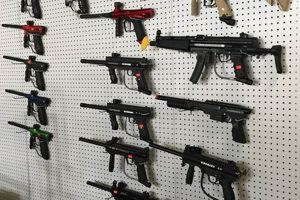
A common question among those considering simulated combat sports revolves around the relative expense of airsoft versus paintball. This inquiry centers on a comparison of the initial investment, recurring costs, and long-term maintenance associated with each activity.
Understanding the budgetary implications is vital for prospective players. Factors such as equipment purchases, ammunition costs, field fees, and potential upgrades significantly impact the overall financial commitment. Historically, price sensitivity has been a key factor influencing participation rates in both airsoft and paintball.
The subsequent analysis will delve into specific cost elements, examining the price of equipment, ammunition, field access, and ongoing maintenance requirements to provide a comprehensive comparison of the financial demands of each sport.
Cost-Saving Strategies for Airsoft and Paintball
Optimizing expenses is crucial for maximizing participation in simulated combat sports. Strategic choices can mitigate costs associated with both airsoft and paintball, regardless of which initially appears more economical.
Tip 1: Research Initial Equipment Investments. Compare entry-level packages for both airsoft and paintball. Factor in the base gun, protective gear (mask, eye protection), and basic accessories. Identifying affordable, yet reliable, starter kits is essential.
Tip 2: Evaluate Ammunition Expenses. Paintballs typically cost more per shot than airsoft BBs. Consider the volume of ammunition used during a typical game to project long-term expenses.
Tip 3: Explore Field Fee Options. Some fields offer membership programs or discounted rates for frequent players. Compare the cost per visit versus the potential savings of a membership.
Tip 4: Consider Used Equipment Purchases. Purchasing used guns, gear, or accessories from reputable sources can significantly reduce initial costs. Thoroughly inspect items for functionality and safety before purchase.
Tip 5: Prioritize Essential Upgrades. Avoid unnecessary modifications or upgrades. Focus on improving the performance or reliability of key components rather than cosmetic enhancements.
Tip 6: Practice Responsible Maintenance. Regular cleaning and maintenance of equipment can extend its lifespan and prevent costly repairs. Follow manufacturer recommendations for care and storage.
Tip 7: Compare the cost of Propane and HPA. If using HPA tank for airsoft, it would be cheaper. CO2 tanks is more viable when compare to propane.
Cost-conscious planning and informed purchasing decisions are paramount. Evaluating the long-term financial implications of each sport facilitates informed choices and ensures sustainable participation.
The following sections will address specific aspects of equipment, ammunition, and field fees, enabling a more detailed analysis of the financial aspects of airsoft and paintball.
1. Initial Equipment Investment

The initial expenditure required to participate in airsoft or paintball constitutes a crucial factor when determining which sport presents a lower overall cost. Entry-level packages for both activities generally include a primary weapon, essential protective gear (eye protection, mask), and a basic supply of ammunition. While the price point for these introductory kits might appear similar at first glance, variations in quality and included features can lead to significant long-term cost implications. For example, a starter airsoft rifle may cost roughly the same as a basic paintball marker, but the durability and upgrade potential of the airsoft rifle could translate to a lower cost of ownership over time.
Variations between the types of equipment needed, and the qualities of that equipment, can contribute to a lower initial investment of either sport. Consider the cost of compressed gas. An airsoft user can begin with a spring powered rifle. A paintball player needs to invest in some sort of tank from the beginning. A paintball player that goes to a scenario game, may need to invest in a harness to carry extra pods. An airsoft player can put extra magazines in pockets. The quality of equipment can also impact cost. A low end airsoft gun may only last a few games, but a higher quality one can last for years.
In summary, although entry-level packages may present a similar upfront cost, scrutiny of component quality, potential longevity, and any essential peripherals provides a more nuanced understanding. Careful consideration of these variables facilitates a more accurate assessment of whether an initial equipment investment indicates one sport’s inherent advantage in cost-effectiveness.
2. Ammunition Price Variance

Ammunition expenses exert a substantial influence on the overall cost comparison between airsoft and paintball. The price per round of ammunition differs significantly between the two sports, creating a notable disparity in long-term operational costs. Paintballs, composed of a gelatin shell filled with non-toxic paint, generally command a higher price point than airsoft BBs, which are typically made of plastic or biodegradable materials. This difference stems from manufacturing processes, material costs, and the relative complexity of each projectile.
The practical effect of this price variance is amplified by the volume of ammunition expended during typical gameplay. Both airsoft and paintball games often involve rapid and sustained firing, leading to a considerable consumption of ammunition. Consequently, the cumulative cost of ammunition can become a significant factor, potentially overshadowing the initial investment in equipment. For example, a player participating in a weekend-long paintball scenario may expend several thousand paintballs, resulting in a substantial financial outlay. Conversely, an airsoft player participating in a similar event might use a comparable volume of BBs at a significantly lower cost. Therefore, when evaluating the comparative expenses, ammunition price variance must be weighted heavily in the analysis.
In conclusion, ammunition price variance represents a critical component in determining the comparative affordability of airsoft and paintball. While initial equipment costs may be comparable, the sustained expense of ammunition over time generally favors airsoft due to the lower cost per round of BBs. This consideration is especially relevant for frequent players and those participating in extended gameplay scenarios, where ammunition consumption is substantial.
3. Field Access Expenses

Field access expenses represent a notable factor in evaluating the total cost of participating in either airsoft or paintball. These fees, typically charged by commercial fields for access to playing areas and facilities, can vary considerably based on location, amenities, and the type of gameplay offered. The relative impact of field fees on the overall budgetary considerations is directly tied to the frequency of play; individuals who engage in airsoft or paintball on a regular basis will find that field access expenses constitute a significant portion of their spending. A comparative analysis of field fees between airsoft and paintball facilities reveals that fees tend to be similar between the two sports. Scenario games, requiring greater acreage and staff, may cost more. Thus, participation frequency and game types will be larger factors in determining expense.
Field access expenses not only depend on frequency, but geographic location and facility quality also influence costs. For instance, playing at a well-maintained, professionally operated field in an urban area is generally more expensive than playing at a smaller, less-developed field in a rural area. Additionally, some fields offer membership programs that provide discounted rates for frequent players, potentially mitigating the overall expense for those who play often. Conversely, casual players may find that paying per visit is more economical. The type of amenities offered, such as staging areas, air compressors, and on-site equipment rentals, can also impact the price of field access. Considering the nuances of field access expenses is crucial for an accurate assessment of the total cost of either airsoft or paintball.
In conclusion, while field access expenses are a necessary part of participating in organized airsoft or paintball activities, their impact on the overall cost depends largely on individual playing habits, geographic location, and field amenities. While similar fees are typically encountered between airsoft and paintball fields, it should be noted that an individual who plays frequently may choose to play airsoft at backyard settings or personal land, where the field access expense is close to zero. As such, individuals should research local field options, membership programs, and facility amenities to determine the most cost-effective playing arrangements, as well as alternative options for play that remove this expense entirely. Thus, with careful considerations, one may reduce cost in airsoft.
4. Maintenance and Upgrades
The long-term cost of airsoft and paintball is significantly influenced by maintenance requirements and the propensity for upgrades. Regular maintenance ensures equipment functionality and extends its lifespan, while upgrades aim to improve performance or customize the user experience. The nature of these activities and their associated expenses can either widen or narrow the financial gap between the two sports.
Paintball markers, with their reliance on compressed gas and intricate internal mechanisms, often require more frequent and specialized maintenance than airsoft guns. O-rings, seals, and regulators are prone to wear and tear, necessitating periodic replacement. While basic maintenance can be performed by the user, more complex issues may require professional servicing, adding to the overall cost. Airsoft guns, particularly electric-powered (AEG) models, generally exhibit greater durability and require less frequent maintenance. Upgrades, however, present a more nuanced comparison. Paintball upgrades often focus on enhancing accuracy, firing rate, or air efficiency, and can range from relatively inexpensive barrel replacements to costly electronic trigger systems. Airsoft upgrades encompass a broader spectrum, including internal components such as motors, gears, and hop-up units, as well as external modifications for aesthetic purposes. The potential for extensive customization in airsoft can lead to significant expenditures, especially for players seeking to optimize performance or replicate specific firearm configurations.
In summary, while paintball equipment may demand more frequent routine maintenance, the extensive customization options available in airsoft can lead to comparable, or even greater, expenses in upgrades. Players should consider their technical aptitude, willingness to perform self-maintenance, and inclination toward customization when evaluating the long-term cost implications of each sport. The balance between maintenance needs and upgrade desires ultimately determines the overall financial impact of these factors on the question of comparative affordability.
5. Long-Term Gear Durability

Long-term gear durability exerts a significant influence on the overall cost associated with both airsoft and paintball. The longevity of essential equipment directly impacts replacement frequency and, consequently, the cumulative expenditure required to sustain participation in either activity. Durable gear reduces the need for frequent replacements, potentially offsetting higher initial costs over time. This facet plays a critical role in determining whether airsoft is cheaper than paintball in the long run.
- Materials and Construction
The materials used in the construction of airsoft guns and paintball markers significantly affect their durability. Airsoft guns often incorporate metal or high-impact polymer components, providing substantial resistance to wear and tear. Paintball markers, while also utilizing metal and polymer, are subject to greater stress due to higher operating pressures and more forceful impacts from paintballs. Material selection and construction quality directly impact the lifespan of critical components, influencing the need for replacements and contributing to the long-term cost of each sport.
- Impact Resistance and Wear
Airsoft gear experiences impacts from lightweight plastic BBs, resulting in less physical stress compared to paintball equipment, which endures impacts from larger, heavier paintballs. This difference in impact intensity translates to varying degrees of wear and tear on external and internal components. Airsoft guns are less prone to cracking, breaking, or deformation under normal playing conditions, while paintball markers are more susceptible to damage from direct hits, particularly to sensitive parts such as regulators and loaders. The inherent resistance to impact and wear directly correlates with the longevity of the equipment and its associated replacement costs.
- Maintenance Requirements and Component Lifespan
The frequency and complexity of maintenance procedures also influence the long-term cost associated with gear durability. Airsoft guns generally require less frequent and less intensive maintenance than paintball markers. The simpler mechanical design and lower operating pressures of airsoft guns reduce the likelihood of component failure and minimize the need for specialized cleaning or lubrication. Paintball markers, with their intricate internal mechanisms and higher operating pressures, require more regular maintenance to ensure optimal performance and prevent premature wear. The disparity in maintenance requirements impacts the long-term cost by influencing the frequency of parts replacement and the potential need for professional servicing.
- Upgrade Potential and Obsolescence
The availability of upgrades and the potential for technological obsolescence also contribute to the long-term cost equation. Airsoft guns often offer a wide range of upgrade options, allowing players to enhance performance or customize their equipment over time. However, the rapid pace of technological advancements can render older airsoft guns obsolete, prompting players to invest in newer models to remain competitive. Paintball markers also offer upgrade potential, but the focus tends to be on improving accuracy, efficiency, or reliability rather than fundamentally altering the design. The potential for obsolescence is also a factor, but the slower pace of innovation in paintball may extend the lifespan of existing equipment. The balance between upgrade potential and obsolescence influences the long-term cost by affecting the frequency of new equipment purchases.
In conclusion, long-term gear durability plays a vital role in determining whether airsoft is cheaper than paintball. Airsoft equipment tends to exhibit greater resistance to wear and tear, require less frequent maintenance, and offer a wider range of upgrade options. While the potential for technological obsolescence exists in both sports, the slower pace of innovation in paintball may extend the lifespan of existing equipment. Therefore, when considering the long-term cost implications, the durability of essential gear must be factored into the equation, potentially favoring airsoft as the more cost-effective option over time.
Frequently Asked Questions
This section addresses common inquiries regarding the financial implications of participating in airsoft versus paintball. The aim is to provide clear and objective answers based on quantifiable factors and industry trends.
Question 1: Is the initial investment significantly different between airsoft and paintball?
Entry-level packages, including a primary weapon and essential protective gear, can be similarly priced for both sports. Discrepancies emerge with higher-quality equipment, where airsoft offers a wider range of price points and feature sets. Therefore, the initial investment is highly dependent on individual preferences and performance expectations.
Question 2: How do ammunition costs compare over the long term?
Ammunition costs constitute a significant portion of the overall expense. Paintballs typically cost more per round than airsoft BBs. The sustained expenditure on ammunition generally favors airsoft, particularly for frequent players.
Question 3: Are field fees generally higher for airsoft or paintball?
Field fees can vary based on location, amenities, and the type of gameplay. However, fees between the two sports are relatively similar. Memberships may reduce cost per game for frequent players in both sports.
Question 4: Which sport requires more frequent equipment maintenance?
Paintball markers, due to their reliance on compressed gas and intricate internal mechanisms, often require more frequent maintenance. Airsoft guns, particularly electric-powered models, generally exhibit greater durability and require less maintenance.
Question 5: Does the potential for upgrades significantly impact the overall cost?
Extensive customization options in airsoft can lead to significant expenditures on upgrades, potentially exceeding the cost of paintball marker upgrades. Players seeking to optimize performance or replicate specific firearm configurations should consider the potential financial implications.
Question 6: Which sport has a higher likelihood of gear obsolescence?
The rapid pace of technological advancements can render older airsoft guns obsolete. Paintball equipment also faces obsolescence, though innovation is slower, potentially extending the lifespan of existing equipment.
In summary, while initial costs can be similar, airsoft generally presents a lower long-term cost due to cheaper ammunition. However, extensive upgrades can negate this advantage. Careful consideration of individual playing habits and equipment preferences is essential to an accurate assessment.
The subsequent sections will provide a concluding summary of the factors influencing the cost comparison of airsoft and paintball.
Conclusion
The exploration of whether airsoft is cheaper than paintball reveals a nuanced picture. While initial equipment costs can be comparable, long-term expenses often diverge. Ammunition costs constitute a significant differentiator, generally favoring airsoft due to the lower price per round of BBs compared to paintballs. Maintenance requirements may be higher for paintball markers, whereas airsoft offers extensive customization options that can substantially increase overall expenditure. Gear durability also plays a role, with airsoft equipment often exhibiting greater resistance to wear and tear.
Ultimately, determining which sport offers greater cost-effectiveness depends on individual playing habits, equipment preferences, and commitment to upgrades. Prospective players should carefully evaluate their anticipated frequency of play, desired level of equipment customization, and tolerance for maintenance requirements. Thoughtful consideration of these factors will facilitate an informed decision and ensure a sustainable and financially responsible engagement with simulated combat sports.
![Paintball vs Airsoft: What's the Real Difference? [Guide] | Ultimate Airsoft Guide for Beginners, Tactics & Gear Reviews](https://airsoftica.com/wp-content/uploads/2026/02/th-423-300x200.jpg "Paintball vs Airsoft: What's the Real Difference? [Guide] Ultimate Airsoft Guide for Beginners, Tactics & Gear Reviews")