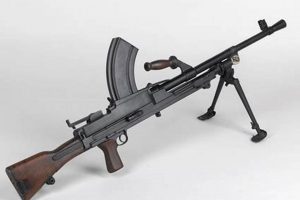
The process of lubricating an airsoft replica involves applying specialized oils or lubricants to specific internal and external components. This maintenance procedure is vital for ensuring optimal functionality and longevity of the device. For instance, lubricating the gearbox gears reduces friction and wear, while oiling the hop-up unit can improve consistency and accuracy of projectile trajectory.
Proper lubrication of an airsoft replica offers several key benefits. It reduces internal friction, which enhances the power and efficiency of the system. This leads to improved firing rates, increased muzzle velocity, and reduced stress on mechanical parts. Furthermore, consistent lubrication helps prevent premature wear and tear, extending the lifespan of the replica and minimizing the need for costly repairs. Ignoring this critical maintenance step can lead to performance degradation and eventual malfunction.
The following sections will detail the specific types of lubricants suitable for airsoft replicas, the tools required for application, and step-by-step instructions for lubricating various components, ensuring proper care and maintenance of the airsoft device. The procedures will cover both Gas Blowback (GBB) pistols and Automatic Electric Guns (AEGs).
Airsoft Replica Lubrication Guidelines
The following provides a series of best practices for maintaining the performance and lifespan of airsoft replicas through proper lubrication techniques.
Tip 1: Select Appropriate Lubricants: Utilize only lubricants specifically designed for airsoft replicas. Silicone-based oils are typically recommended for rubber and plastic components, while heavier greases are suitable for metal gears within the gearbox.
Tip 2: Disassemble with Caution: Before commencing any lubrication, ensure the replica is disassembled correctly according to the manufacturer’s instructions. Incorrect disassembly can cause damage to internal components.
Tip 3: Apply Lubricant Sparingly: Over-lubrication can be as detrimental as under-lubrication. Apply lubricant in small, controlled amounts to the relevant components. Excess lubricant can attract dirt and debris, hindering performance.
Tip 4: Focus on High-Friction Areas: Prioritize lubrication of components that experience significant friction, such as the gearbox gears, piston head, cylinder, and hop-up bucking (with appropriate silicone oil). These areas are most susceptible to wear and performance degradation.
Tip 5: Clean Components Before Lubrication: Before applying new lubricant, thoroughly clean the components to remove any existing dirt, debris, or old lubricant. This ensures optimal adherence and performance of the new lubricant.
Tip 6: Regularly Inspect and Re-lubricate: Establish a routine maintenance schedule that includes regular inspection and re-lubrication of critical components. The frequency of lubrication will depend on usage and environmental conditions.
Tip 7: Use Precision Applicators: Employ precision applicators, such as needle-tip bottles or small brushes, to apply lubricant accurately and avoid contaminating surrounding components.
Adhering to these guidelines will contribute significantly to the consistent performance, reliability, and longevity of the airsoft replica.
The subsequent sections will elaborate on the specific procedures for lubricating various types of airsoft replicas and their respective components.
1. Appropriate lubricant selection

The selection of an appropriate lubricant is a critical factor in maintaining the functionality and longevity of any airsoft device. The compatibility between the lubricant and the materials used in the replica’s construction directly impacts its performance and lifespan. Using an incorrect lubricant can lead to degradation of components, reduced efficiency, and eventual malfunction. Therefore, a comprehensive understanding of lubricant properties and material compatibility is essential before commencing any lubrication procedure.
- Material Compatibility
Different components within an airsoft replica are constructed from a variety of materials, including metal, plastic, rubber, and polymers. Certain lubricants can react adversely with specific materials, causing swelling, cracking, or dissolution. For example, petroleum-based lubricants can degrade rubber O-rings and seals, leading to air leaks and decreased performance. Silicone-based lubricants are generally considered safe for most airsoft replica components due to their inert nature and compatibility with rubber and plastic.
- Viscosity Considerations
Lubricant viscosity refers to its resistance to flow. High-viscosity lubricants are thicker and better suited for high-load, low-speed applications such as gearbox gears. Lower-viscosity lubricants are more appropriate for fast-moving components with tighter tolerances, such as pistons and cylinders. Selecting a lubricant with inappropriate viscosity can result in increased friction, decreased efficiency, and potential damage to components.
- Lubricant Type and Function
Different lubricants are formulated for specific purposes. Silicone oils are primarily used for lubricating O-rings, hop-up buckings, and other rubber components to maintain their flexibility and sealing properties. Silicone greases, with their higher viscosity, are ideal for lubricating gearbox gears and other high-friction metal-on-metal contact points. PTFE (Teflon) lubricants offer excellent friction reduction and are often used in high-performance applications. Understanding the specific function of each lubricant type is crucial for selecting the appropriate product for a given application.
- Environmental Factors
Environmental conditions, such as temperature and humidity, can also influence lubricant performance. Extreme temperatures can alter lubricant viscosity, affecting its ability to provide adequate lubrication. High humidity can lead to corrosion of metal components, necessitating the use of lubricants with corrosion inhibitors. The intended operating environment of the airsoft replica should be considered when selecting a lubricant to ensure optimal performance and protection.
In conclusion, appropriate lubricant selection constitutes a foundational element of any effective airsoft replica maintenance regimen. A thorough evaluation of material compatibility, viscosity considerations, lubricant types, and environmental factors is essential for optimizing performance and extending the lifespan of the device. Failing to properly account for these variables can negate the benefits of regular maintenance and potentially accelerate component wear and failure.
2. Disassembly procedures

Proper disassembly procedures are integral to the effective lubrication of airsoft replicas. Access to internal components is essential for targeted application of lubricants, ensuring optimal performance and longevity. Without correct disassembly, lubrication efforts can be superficial and ineffective, potentially leading to performance degradation and component wear.
- Component Identification and Sequencing
Airsoft replicas comprise numerous intricate components. Disassembly requires a thorough understanding of these components and their sequential arrangement. Incorrectly identifying or disassembling parts can result in damage, rendering the replica inoperable. Manufacturers typically provide exploded diagrams or detailed instructions outlining the correct disassembly sequence. Adhering to these instructions is crucial for preventing damage during the process. For example, forcing a component out of sequence can shear internal threads or fracture plastic housings, necessitating costly repairs or replacement.
- Tool Selection and Application
Effective disassembly necessitates the use of appropriate tools. Using the wrong tool or applying excessive force can damage components. Screwdrivers must match the screw head type and size precisely to avoid stripping the screw heads. Specialized tools, such as pin punches, may be required for removing retaining pins. Pliers should be used with caution to avoid scratching or deforming sensitive parts. Employing the correct tools and applying controlled force ensures a safe and effective disassembly process, facilitating access for lubrication without causing unintended damage.
- Documentation and Organization
Disassembling an airsoft replica can result in a multitude of small parts. Maintaining a record of the disassembly process, either through photographs or notes, is advisable. Organizing the disassembled components in a systematic manner, such as using labeled containers or trays, prevents loss and simplifies reassembly. Failing to document and organize the disassembled parts can lead to confusion during reassembly, potentially resulting in incorrect component placement or the omission of critical parts. Careful documentation and organization streamline the lubrication process and minimize the risk of errors during reassembly.
- Handling Sensitive Parts
Certain components within an airsoft replica, such as the hop-up bucking, air nozzle, and inner barrel, are particularly sensitive to damage. These components require careful handling during disassembly and reassembly. Avoid touching these parts with bare hands to prevent contamination with oils or debris. Use clean, lint-free cloths or gloves when handling sensitive components. Avoid applying excessive force or bending these parts, as they are easily damaged. Proper handling ensures that sensitive components are not compromised during disassembly, preserving their functionality and accuracy.
These aspects of disassembly procedures are fundamental to effective lubrication. A thorough understanding of component identification, appropriate tool selection, meticulous documentation, and careful handling of sensitive parts ensures safe and effective access to internal components for targeted lubrication. Neglecting these procedures can result in damage, reduced performance, and a shortened lifespan of the airsoft device.
3. Controlled application

The controlled application of lubricant is a critical element in the process. Applying lubricant indiscriminately can negate its intended benefits and potentially damage the airsoft replica. The quantity, location, and method of application significantly influence the performance and longevity of the device. Excess lubricant can attract dirt and debris, hindering component movement and accelerating wear. Conversely, insufficient lubrication fails to adequately reduce friction, leading to increased wear and potential seizure. The precision required underscores the importance of a measured approach. For example, over-lubricating the hop-up bucking can negatively impact projectile spin and accuracy, while inadequate lubrication of gearbox gears can cause premature failure.
Practical application involves understanding the specific lubrication requirements of each component. Gearboxes, for instance, typically require a heavier grease applied sparingly to gear teeth. O-rings and air seals benefit from a thin coating of silicone oil. The use of precision applicators, such as needle-tip bottles, allows for targeted application to specific areas, minimizing the risk of over-lubrication. Cleaning components prior to lubrication ensures optimal lubricant adhesion and prevents the introduction of contaminants. This meticulous approach to application ensures that lubricant is applied where needed, in the correct amount, and without causing unintended consequences.
In summary, controlled application represents a fundamental aspect of effective airsoft replica lubrication. This requires an understanding of component-specific needs, the use of appropriate application methods, and a commitment to precision. Failure to adhere to these principles can undermine the benefits of lubrication, leading to performance degradation and potential damage. A controlled approach is thus essential for maintaining the operational efficiency and extending the lifespan of the airsoft device.
4. High-friction component focus
The strategic application of lubricant to components experiencing high friction represents a crucial element in effective airsoft replica maintenance. This targeted approach, a core aspect of “how to oil airsoft gun,” directly mitigates wear and enhances operational efficiency. Components such as gearbox gears, piston heads, and cylinder walls endure substantial frictional forces during operation. The lack of adequate lubrication in these areas precipitates accelerated wear, reduced performance, and eventual mechanical failure. A focused lubrication strategy proactively addresses these vulnerabilities.
Consider the gearbox, a central mechanism in automatic electric guns (AEGs). Gears within the gearbox mesh and rotate at high speeds under significant load. Insufficient lubrication leads to increased friction, generating heat and causing the gears to wear down prematurely. This manifests as decreased firing rates, reduced muzzle velocity, and increased noise. Conversely, proper lubrication minimizes friction, extending gear lifespan and maintaining optimal performance. Similarly, the piston head sliding within the cylinder also experiences high friction. Lubrication here ensures a tight air seal, maximizing compression and projectile velocity. An absence of lubrication results in air leaks and reduced power output. Lubricating the barrel with the lubricant in a very small amount will increase the performance significantly.
In conclusion, prioritizing the lubrication of high-friction components is essential for optimizing the performance and extending the lifespan of airsoft replicas. This targeted approach, a critical aspect of “how to oil airsoft gun,” minimizes wear, reduces heat generation, and ensures efficient operation. Failure to address these high-friction areas negates the benefits of broader lubrication efforts and accelerates component degradation. Effective maintenance strategies therefore emphasize focused attention on these vulnerable parts.
5. Cleaning before lubrication

The preparation of component surfaces before the application of lubricant constitutes a crucial step in any airsoft replica maintenance regimen. This practice, often overlooked, significantly impacts the efficacy of subsequent lubrication, influencing both performance and longevity. Contaminants present on component surfaces impede lubricant adhesion and can accelerate wear, negating the intended benefits of lubrication.
- Removal of Abrasive Particles
Dust, dirt, and metallic particles accumulate within airsoft replicas during normal operation. These particles act as abrasives, accelerating wear between moving components, particularly within the gearbox. Cleaning before lubrication removes these particles, preventing them from embedding within the lubricant and causing further damage. For example, removing metallic shavings from gearbox gears before applying fresh grease minimizes friction and extends gear lifespan.
- Elimination of Degraded Lubricant Residue
Over time, lubricant degrades and forms a gummy residue that can hinder component movement and impede the flow of fresh lubricant. Cleaning before lubrication removes this residue, ensuring that the new lubricant can effectively penetrate and coat component surfaces. For instance, removing old, hardened grease from a piston head before applying new silicone oil ensures a tight air seal and optimal compression.
- Surface Preparation for Optimal Adhesion
A clean surface provides a better foundation for lubricant adhesion. Contaminants can create a barrier between the lubricant and the component surface, reducing the lubricant’s ability to effectively reduce friction and protect against wear. Cleaning before lubrication ensures that the lubricant can directly contact and adhere to the component surface, maximizing its effectiveness. For example, cleaning an inner barrel with a silicone-safe cleaner before applying a small amount of silicone oil ensures even distribution and reduces friction between the BB and the barrel wall.
- Detection of Underlying Issues
The cleaning process allows for a closer inspection of component surfaces, facilitating the detection of wear, damage, or corrosion that may not be readily apparent under a layer of dirt and grime. Identifying these issues early allows for timely repair or replacement, preventing further damage and ensuring continued reliable operation. For example, cleaning gearbox gears may reveal signs of chipping or cracking, prompting replacement before a catastrophic failure occurs.
In conclusion, cleaning components prior to lubrication is an indispensable practice in effective airsoft replica maintenance. The removal of abrasive particles, elimination of degraded lubricant residue, surface preparation for optimal adhesion, and opportunity for detecting underlying issues collectively contribute to enhanced lubrication efficacy and prolonged component lifespan. Neglecting this step compromises the effectiveness of lubrication and accelerates wear, ultimately diminishing performance and reliability.
6. Inspection frequency
Inspection frequency is directly related to the effectiveness of maintaining optimal functionality of airsoft replicas through proper lubrication practices. The regularity with which an airsoft device is inspected dictates the timing and necessity of lubrication interventions. Establishing an appropriate inspection schedule is crucial for proactively identifying potential lubrication deficiencies and preventing performance degradation.
- Usage-Based Inspection Schedules
The intensity and frequency of airsoft replica usage directly influence the need for inspection and lubrication. Replicas subjected to frequent, high-intensity use in diverse environmental conditions require more frequent inspection than those used sparingly in controlled environments. For example, a replica used in a weekend-long skirmish in dusty conditions will necessitate a post-event inspection and lubrication, while a replica used solely for target practice indoors may only require inspection every few months. Failure to adjust inspection schedules based on usage patterns can result in undetected lubrication deficiencies and accelerated wear.
- Environmental Factor Considerations
Environmental conditions significantly impact lubrication efficacy. Humid environments promote corrosion, while dusty environments accelerate the accumulation of abrasive particles within the replica. Replicas used in harsh environments require more frequent inspection and lubrication to mitigate these effects. For instance, a replica used near saltwater requires more frequent cleaning and lubrication with corrosion-inhibiting products, while a replica used in dry, dusty conditions necessitates frequent cleaning and lubrication to remove abrasive particles. Ignoring environmental factors can lead to accelerated degradation and reduced performance.
- Performance-Based Inspection Triggers
Changes in replica performance, such as decreased firing rates, reduced muzzle velocity, or increased noise, can indicate lubrication deficiencies. These performance changes should trigger an immediate inspection and lubrication. For example, a sudden decrease in firing rate in an AEG may indicate excessive friction within the gearbox due to inadequate lubrication. Addressing these performance-based triggers promptly can prevent further damage and restore optimal functionality. Failure to recognize and respond to these indicators can lead to significant mechanical issues.
- Preventive Maintenance Schedules
Establishing a preventive maintenance schedule, independent of usage or environmental factors, ensures that all critical components are periodically inspected and lubricated. This proactive approach helps prevent lubrication deficiencies from developing in the first place. For example, a preventive maintenance schedule may include a complete gearbox disassembly and re-lubrication every year, regardless of usage. A well-defined preventive maintenance schedule can significantly extend the lifespan of an airsoft replica and maintain consistent performance.
These facets of inspection frequency highlight the integral role it plays in maintaining the operational efficacy of an airsoft device. The appropriate frequency is dependent upon various factors, ranging from the amount of the usage the airsoft replica gets to environmental conditions. Ultimately, establishing effective schedules will help preserve the device, as it ensures timely implementation of practices to “how to oil airsoft gun.”
7. Precision applicators
The efficacy of properly lubricating an airsoft replica is intrinsically linked to the use of precision applicators. Applying lubricant without such tools often results in either insufficient coverage of critical areas or excessive application, both of which can negatively impact performance. Precision applicators, by their design, facilitate targeted delivery of lubricant to specific components, ensuring optimal lubrication without causing unintended consequences. These tools range from needle-tip oilers to micro-brushes, each designed for specific applications within the intricate mechanisms of airsoft replicas. An example of their value is the controlled application of silicone oil to the hop-up bucking, where excessive oil can drastically reduce accuracy, while insufficient lubrication can lead to inconsistent projectile trajectories.
The implementation of precision applicators extends beyond mere accuracy; it also mitigates the risk of contaminating surrounding components. For instance, when lubricating the gearbox gears, a micro-brush enables the user to apply grease directly to the gear teeth, avoiding contact with the cylinder or piston. Contamination of these components with incorrect lubricants can negatively affect their performance and longevity. Furthermore, the use of precision applicators allows for the application of lubricants in confined spaces, such as the air nozzle or the inner barrel, which are otherwise difficult to access. Consequently, incorporating precision applicators into the lubrication process contributes significantly to the overall efficiency and effectiveness of the maintenance procedure. It enables the user to address lubrication needs with surgical accuracy, maximizing the benefits of “how to oil airsoft gun.”
In summary, the use of precision applicators is not merely a recommended practice but a necessity for achieving optimal results. These tools facilitate targeted delivery, minimize contamination risks, and enable access to confined spaces. Overlooking the importance of precision applicators undermines the broader objective of effective lubrication, increasing the likelihood of performance degradation and component failure. Integrating these tools into the lubrication process is therefore crucial for ensuring the long-term performance and reliability of airsoft replicas. Precision applicators are a component of “how to oil airsoft gun”.
Frequently Asked Questions
This section addresses common inquiries regarding the proper lubrication of airsoft replicas, clarifying misconceptions and providing authoritative guidance.
Question 1: What type of lubricant is universally suitable for all airsoft replica components?
No single lubricant is universally suitable. Silicone-based lubricants are generally safe for rubber and plastic, while heavier greases are preferable for metal gears. Specific component material and function dictate lubricant selection.
Question 2: Is it acceptable to use petroleum-based lubricants on airsoft replicas?
Petroleum-based lubricants are generally discouraged, particularly on components containing rubber or plastic. These lubricants can cause degradation, swelling, or cracking of these materials.
Question 3: How frequently should an airsoft replica be lubricated?
Lubrication frequency depends on usage intensity and environmental conditions. Replicas used frequently in harsh environments require more frequent lubrication than those used sparingly in controlled settings. Performance degradation can be an indicator.
Question 4: Is over-lubrication a concern in airsoft replica maintenance?
Over-lubrication is a valid concern. Excessive lubricant can attract dirt and debris, hindering component movement and accelerating wear. Apply lubricant sparingly and strategically.
Question 5: What tools are necessary for effective airsoft replica lubrication?
Essential tools include precision applicators, such as needle-tip oilers and micro-brushes, as well as appropriate tools for disassembly, such as screwdrivers and pin punches.
Question 6: Does cleaning components before lubrication provide a tangible benefit?
Cleaning components before lubrication is crucial. It removes abrasive particles and degraded lubricant residue, ensuring optimal lubricant adhesion and preventing accelerated wear.
Proper lubrication is essential to airsoft gun function. By answering these frequently asked questions we can see the best ways of keeping your airsoft gun running in top condition.
The subsequent section will provide a comprehensive guide on the different types of airsoft guns.
Conclusion
The preceding discussion has elucidated the critical aspects of properly lubricating airsoft replicas, emphasizing the need for informed decision-making and meticulous execution. From selecting appropriate lubricants to employing precision application techniques and adhering to regular inspection schedules, each step contributes to optimizing performance and extending the operational lifespan of these devices. Disregarding these principles can result in diminished functionality and premature component failure.
Effective airsoft replica maintenance is not a discretionary activity but a necessity for ensuring reliable performance and maximizing investment. Prioritizing proper lubrication practices safeguards the device against preventable damage and upholds its intended functionality. Continued adherence to these principles ensures long-term operational effectiveness and reliable performance.