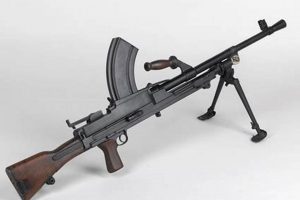
The legality and practicality of using a non-lethal projectile weapon for personal protection varies significantly depending on jurisdiction. While these devices may resemble firearms, their classification under the law frequently differs, impacting whether individuals are permitted to possess and carry them, openly or concealed, for defensive purposes. Factors considered often include the projectile’s velocity, the presence of an orange tip indicating a toy, and local statutes concerning imitation firearms.
The perceived utility of such devices for self-defense stems from their potential to deter or incapacitate an attacker without causing lethal harm. Historically, non-lethal options have been explored for law enforcement and civilian use to minimize the risk of fatalities in conflict situations. However, the effectiveness of these alternatives in real-world scenarios, particularly against a determined assailant, remains a subject of debate. Furthermore, reliance on a device that may be easily mistaken for a real firearm could escalate a confrontation or lead to unintended consequences.
The following discussion will delve into the legal complexities surrounding the possession and carry of airsoft guns, the potential risks and benefits associated with their use for self-defense, and alternative methods for personal protection that may be more appropriate or legally permissible.
Considerations Regarding Using Airsoft Devices for Self-Defense
This section outlines key factors to assess before considering an airsoft device for personal protection, focusing on legal implications and practical limitations.
Tip 1: Research Local Laws. Thoroughly investigate local ordinances regarding the possession, carry, and use of airsoft guns. Some jurisdictions may classify them as imitation firearms, subjecting them to restrictions similar to real firearms.
Tip 2: Understand the Legal Ramifications of Use. Know the potential legal consequences if one discharges an airsoft gun in self-defense. One could face charges related to assault or brandishing if the action is deemed unjustified.
Tip 3: Assess the Device’s Stopping Power. Recognize that airsoft guns are designed for recreational use and may lack the necessary force to reliably incapacitate an attacker. Their effectiveness is highly dependent on factors such as range, accuracy, and the attacker’s clothing.
Tip 4: Consider Alternative Defense Options. Explore other methods of self-defense, such as pepper spray, personal alarms, or self-defense classes. These options may offer a more reliable and legally sound approach to personal safety.
Tip 5: Prioritize De-escalation and Escape. The primary goal in any self-defense situation should be to de-escalate the situation and safely escape. An airsoft device may not be the most effective tool for achieving these objectives.
Tip 6: Undergo Proper Training. If one chooses to carry an airsoft device for self-defense, seek professional training on its safe handling, aiming, and appropriate use in defensive scenarios.
Tip 7: Recognize the Risk of Misidentification. Understand that an airsoft gun can easily be mistaken for a real firearm by law enforcement or bystanders. This could lead to dangerous and potentially life-threatening situations.
Adhering to these guidelines promotes responsible decision-making regarding using airsoft devices for self-defense, prioritizing safety and legal compliance. Remember, education and preparation are paramount in any personal safety strategy.
Ultimately, the choice of self-defense method is a personal one. However, it is crucial to make an informed decision based on a thorough understanding of the legal, practical, and ethical considerations involved.
1. Legality (Varies geographically)

The legality surrounding the possession and carry of airsoft guns for defensive purposes is significantly influenced by geographic location. This variation presents a complex landscape for individuals considering utilizing these devices for personal protection, necessitating a thorough understanding of local laws and regulations.
- State Laws and Preemption
Many states have specific laws governing airsoft guns, ranging from complete bans to unrestricted possession. Some states have preemption laws that prevent local municipalities from enacting stricter regulations than the state, while others allow local control. For example, one state might classify airsoft guns as toys, permitting their sale and possession without restriction, while another state might classify them as imitation firearms, subjecting them to stringent regulations akin to real firearms. This variation can create confusion and potential legal pitfalls for individuals traveling across state lines.
- Municipal Ordinances and Local Restrictions
Even within a single state, municipal ordinances can impose additional restrictions on the possession, carry, and use of airsoft guns. These ordinances may prohibit the open carry of airsoft guns in public places, require secure storage of the devices, or restrict their use to designated areas. For instance, a city ordinance might ban the discharge of airsoft guns within city limits, regardless of whether the state permits their use elsewhere. Therefore, understanding local regulations is paramount to ensure compliance and avoid legal penalties.
- Federal Laws and Interstate Commerce
While federal laws regarding airsoft guns are generally limited, they do regulate the interstate commerce of these devices. Federal law requires airsoft guns to have an orange tip to distinguish them from real firearms. Removing or altering this orange tip can be a federal offense. Furthermore, federal law prohibits the sale of airsoft guns to individuals under a certain age. These federal regulations, combined with varying state and local laws, create a multi-layered legal framework that must be navigated carefully.
- International Laws and Cross-Border Travel
The legality of airsoft guns varies dramatically from country to country. Some countries have outright bans on airsoft guns, while others have more lenient regulations. Individuals traveling internationally with airsoft guns must be aware of the laws of their destination country and any transit countries. Failure to comply with these laws can result in confiscation of the device, fines, or even imprisonment. Therefore, thorough research and compliance with international regulations are essential for safe and legal travel.
In summary, the geographic variability in laws governing airsoft guns profoundly affects the feasibility and legality of carrying them for self-defense. Individuals must meticulously research and understand the specific regulations in their state, municipality, and any other jurisdiction they may travel through. This knowledge is crucial to avoid potential legal repercussions and to make informed decisions about personal protection strategies.
2. Lethality (Non-lethal projectile)
The characteristic of a non-lethal projectile is fundamental to considering the utility of airsoft guns for defense. The core intent behind using such a device for self-protection lies in its potential to deter or incapacitate an aggressor without causing fatal injury. This distinction from lethal firearms influences both the legal permissibility of carrying and deploying the weapon, and the ethical considerations surrounding its use. The effectiveness of this approach hinges on the projectile’s ability to inflict sufficient pain or discomfort to halt an attack without creating a risk of death or serious bodily harm. For instance, if an airsoft gun can reliably cause temporary visual impairment or muscle spasm, it might serve as a viable deterrent.
However, the “non-lethal” designation does not guarantee harmlessness. The potential for injury, though minimized, still exists. Factors such as projectile velocity, impact location (particularly sensitive areas like the eyes), and the target’s vulnerability (e.g., young children, elderly individuals) all contribute to the potential for serious harm. Therefore, even when employing a device designed to be non-lethal, users must exercise extreme caution and prioritize de-escalation and avoidance whenever possible. Real-world scenarios have illustrated instances where airsoft projectiles have caused significant eye injuries, highlighting the need for careful consideration and responsible use.
In summary, while the non-lethal nature of the projectile is a key factor in justifying the use of an airsoft gun for defense, it does not negate the need for responsible handling and awareness of the potential for injury. The legality of carrying and using such devices, their effectiveness in deterring attackers, and the ethical considerations surrounding their deployment are all intricately linked to this defining characteristic. The ultimate decision to carry an airsoft gun for defense should be based on a comprehensive assessment of these factors, prioritizing safety and minimizing the risk of unintended consequences.
3. Identification (Real vs. Imitation)

The ability to distinguish an airsoft gun from a real firearm directly impacts the legal and practical considerations of carrying one for defense. The closer the resemblance between the imitation and the genuine article, the higher the potential for misinterpretation by law enforcement, bystanders, and potential aggressors. This misidentification forms the bedrock of several risks and challenges when considering an airsoft gun for self-defense. The visual similarity might provoke a disproportionate response from law enforcement, who, perceiving a real threat, could use lethal force. Likewise, an aggressor, believing themselves facing a firearm, may escalate the conflict, negating any potential deterrent effect the airsoft gun might have offered. For instance, if an individual brandishes an airsoft gun during a confrontation, and a bystander reports “a man with a gun,” the arriving officers will likely treat the situation as a potential active shooter scenario.
The importance of clear identification also extends to legal culpability. Many jurisdictions have laws addressing the brandishing of imitation firearms, often carrying severe penalties. If an airsoft gun is used in a manner that causes a reasonable person to believe it is a real firearm, the carrier may face charges related to aggravated assault or similar offenses, even if no physical harm occurs. The presence of a clearly visible orange tip is intended to mitigate this risk, but its effectiveness is not guaranteed. Some individuals remove or obscure the orange tip, increasing the risk of misidentification and subsequent legal trouble. Furthermore, even with the orange tip present, in a rapidly evolving situation, the distinction between real and imitation might be overlooked, leading to unintended consequences.
In conclusion, the capacity for misidentification between airsoft guns and real firearms presents a significant impediment to their viability for self-defense. The potential for escalated confrontations, disproportionate law enforcement responses, and legal ramifications underscores the critical need for careful consideration and responsible handling. While carrying an airsoft gun may offer a perceived sense of security, the inherent risks associated with its resemblance to a lethal weapon often outweigh the potential benefits. The clearer the distinction between the imitation and the real, the lower the risk; however, even with preventative measures like the orange tip, the potential for disastrous misidentification remains a serious concern.
4. Effectiveness (Stopping power)
The concept of “stopping power” the ability to rapidly incapacitate an assailant forms a critical nexus in the discussion of whether an airsoft gun is a viable tool for self-defense. The fundamental premise of self-defense hinges on the capability to neutralize a threat, and the effectiveness of any defensive tool is directly correlated to its ability to achieve this objective.
- Kinetic Energy and Pain Compliance
Airsoft guns, by design, propel lightweight projectiles at relatively low velocities. The kinetic energy transferred upon impact is generally insufficient to cause immediate, debilitating injury. The reliance shifts towards pain compliance the assailant ceasing their actions due to discomfort. However, an assailant under the influence of drugs or alcohol, or one highly motivated by aggression, may exhibit a reduced pain response, rendering the airsoft gun’s stopping power inadequate. For instance, an assailant experiencing an adrenaline surge might ignore the impact of an airsoft projectile, continuing their attack unabated.
- Target Area and Clothing
The effectiveness of an airsoft gun is highly dependent on the target area and the clothing worn. A shot to bare skin might induce temporary pain, but the same shot absorbed by heavy clothing could have negligible effect. Targeting sensitive areas, such as the eyes, carries a higher risk of injury but also a greater potential for immediate incapacitation. However, intentionally targeting such areas raises ethical and legal concerns, potentially negating the justification for self-defense. Therefore, the variability in impact effectiveness makes the stopping power of an airsoft gun inherently unreliable.
- Psychological Deterrent vs. Actual Incapacitation
The mere appearance of an airsoft gun might serve as a psychological deterrent, causing an assailant to reconsider their actions. However, this deterrent effect relies on the assailant’s perception of the device as a real firearm and their fear of potential consequences. If the assailant recognizes the device as an airsoft gun, or if they are sufficiently motivated to disregard the threat, the deterrent effect is nullified. Furthermore, drawing an airsoft gun with the intent to deter can backfire, escalating the situation and potentially provoking a more violent response from the assailant.
- Comparison to Other Defensive Tools
Compared to dedicated self-defense tools such as pepper spray, tasers, or firearms, airsoft guns possess significantly less reliable stopping power. Pepper spray causes immediate incapacitation through sensory overload, while tasers disrupt muscle control. Firearms deliver a high-energy projectile capable of causing immediate and potentially lethal injury. Airsoft guns, lacking these characteristics, represent a lower rung on the spectrum of defensive tools. This lower stopping power translates to a reduced likelihood of effectively neutralizing a threat, particularly against a determined assailant.
In conclusion, the limited and unreliable stopping power of airsoft guns significantly impacts the viability of carrying them for defense. While they may offer a perceived sense of security or a potential deterrent effect, their inability to consistently incapacitate an assailant raises serious concerns about their effectiveness in a real-world self-defense scenario. Considering alternative methods with greater proven stopping power is crucial for ensuring personal safety and mitigating the risks associated with ineffective self-defense measures.
5. Training (Safe handling)
The nexus between proficient training in safe handling procedures and the decision to carry an airsoft gun for defense constitutes a critical element in responsible gun ownership. Safe handling encompasses a comprehensive understanding of the device’s mechanics, proper storage techniques, and the ability to operate it competently under duress. Without adequate training, the risk of accidental discharge, negligent injury, or misuse of the airsoft gun escalates dramatically. For example, improper storage could lead to unauthorized access by children, resulting in unintended harm. Similarly, a lack of familiarity with the device’s safety mechanisms could cause accidental discharge during a tense encounter, potentially escalating the situation or resulting in unintended injuries.
Furthermore, effective training extends beyond the mechanical aspects of the device. It includes scenario-based drills designed to simulate real-world self-defense situations. These drills help develop situational awareness, quick decision-making skills, and the ability to accurately and safely deploy the airsoft gun when necessary. A trained individual will be better equipped to assess a threat, determine the appropriate level of force, and act decisively while minimizing the risk of collateral damage or unintended consequences. For instance, during a simulated home invasion scenario, a trained individual learns to prioritize escape routes, communicate effectively, and utilize the airsoft gun only as a last resort. This type of comprehensive training transforms the airsoft gun from a potential liability into a more controlled asset for self-defense.
In summation, the proficiency in safe handling acquired through rigorous training is not merely an ancillary consideration but a cornerstone of the decision to carry an airsoft gun for defense. It significantly mitigates the risks associated with accidental injury, misuse, and legal repercussions. While carrying an airsoft gun may offer a perceived sense of security, the responsibility for its safe and effective use rests squarely on the owner’s shoulders. Without comprehensive training, the airsoft gun becomes a liability, potentially causing more harm than good. Therefore, those considering carrying an airsoft gun for defense must prioritize rigorous, scenario-based training to ensure they are prepared to handle the device safely and responsibly.
6. Perception (Public/Law Enforcement)
The perception of an individual carrying what appears to be a firearm, regardless of its actual nature, significantly influences the appropriateness and potential consequences of carrying an airsoft gun for defensive purposes. Public perception, often shaped by media portrayals and societal anxieties about gun violence, can lead to fear, panic, and misinterpretations of intent. The presence of an airsoft gun, especially one closely resembling a real firearm, can easily be construed as a credible threat, triggering alarm and potentially escalating a situation even if the carrier intends no harm. A real-world example includes instances where individuals openly carrying airsoft guns have been mistaken for active shooters, leading to panicked responses and, in some cases, armed confrontations with law enforcement.
Law enforcement’s perception is particularly critical. Officers responding to a report of an armed individual will likely prioritize the safety of themselves and the public. The indistinguishable appearance of some airsoft guns from actual firearms can lead officers to make split-second decisions based on the perceived threat, potentially resulting in the use of lethal force. Moreover, even if the airsoft gun is ultimately identified as non-lethal, the individual carrying it may still face arrest for offenses such as brandishing or creating a public disturbance. The legal justification for using an airsoft gun in self-defense may also be undermined if the officer’s perception is that the individual initiated the confrontation or posed an unreasonable threat. This is further complicated by the fact that an officer must make a very quick life and death decision within a split second.
Ultimately, the decision to carry an airsoft gun for defense must account for the significant risks associated with public and law enforcement perception. The potential for misinterpretation, escalation, and unintended consequences necessitates a careful evaluation of the benefits versus the very real dangers. Individuals choosing to carry such devices bear the responsibility for understanding and mitigating these risks, including taking steps to ensure the device is clearly identifiable as an airsoft gun and avoiding actions that could be perceived as threatening or aggressive. The challenges associated with perception highlight the importance of responsible gun ownership, regardless of whether the device is lethal or non-lethal.
7. Liability (Potential legal consequences)

The legal ramifications of employing an airsoft gun for defensive purposes constitute a crucial consideration when evaluating the viability of this option. These potential consequences stem from a variety of factors, including the interpretation of applicable laws, the specific circumstances surrounding the incident, and the perceptions of those involved.
- Misuse and Assault Charges
The intentional pointing of an airsoft gun at another individual may be construed as assault, even if no physical harm results. The apprehension caused by the perceived threat of a firearm can be sufficient to warrant criminal charges. For instance, in a scenario where an airsoft gun is brandished during a heated argument, the individual wielding the device may face legal repercussions for creating a threatening situation, irrespective of their intent to cause actual harm.
- Imitation Firearm Statutes
Many jurisdictions have statutes regulating the possession, sale, and use of imitation firearms. Airsoft guns, due to their realistic appearance, often fall under the purview of these laws. Violations may result in fines, confiscation of the device, or even imprisonment. A situation wherein an individual transports an airsoft gun across state lines without adhering to relevant regulations concerning imitation firearms exemplifies this type of violation.
- Civil Lawsuits
Even in cases where criminal charges are not filed, individuals who use airsoft guns in a manner that causes injury or emotional distress may face civil lawsuits. Negligence claims can arise if the use of the airsoft gun is deemed unreasonable or if the individual failed to exercise due care. A scenario wherein an airsoft gun projectile causes an eye injury during a neighborhood dispute could lead to a significant civil liability.
- Justification and Self-Defense Claims
The legal justification for using an airsoft gun in self-defense is subject to scrutiny. The level of force employed must be proportional to the perceived threat. Using an airsoft gun against an unarmed individual or in a situation where de-escalation was possible may undermine a self-defense claim. If an individual uses an airsoft gun to defend themselves against an imminent threat of bodily harm, the courts will evaluate the reasonableness of their actions considering the perceived danger at the time.
These potential legal consequences highlight the importance of understanding the legal framework surrounding airsoft guns before considering their use for self-defense. The decision to carry and employ such a device must be weighed against the risks of criminal charges, civil lawsuits, and challenges to self-defense claims.
Frequently Asked Questions
The following questions address common concerns and misunderstandings regarding the use of airsoft guns for personal protection. This information is intended for informational purposes only and does not constitute legal advice.
Question 1: Is it legal to carry an airsoft gun for self-defense?
The legality is heavily dependent on local and state laws. Some jurisdictions classify airsoft guns as imitation firearms, subjecting them to regulations similar to real firearms. Other jurisdictions may have fewer restrictions, but it remains crucial to verify local ordinances.
Question 2: Will an orange tip guarantee that an airsoft gun will not be mistaken for a real firearm?
While an orange tip is a federal requirement to distinguish airsoft guns, it does not guarantee that law enforcement or the public will immediately recognize the device as non-lethal. The presence of an orange tip may not prevent a misidentification, particularly in high-stress situations.
Question 3: What legal consequences might result from using an airsoft gun in self-defense?
Potential consequences include charges for assault, brandishing an imitation firearm, or violating local ordinances related to airsoft guns. The user might also face civil lawsuits if the airsoft gun causes injury or emotional distress to another individual.
Question 4: How effective is an airsoft gun at stopping an attacker?
The stopping power of an airsoft gun is limited. It relies primarily on pain compliance, which may not be effective against individuals under the influence of drugs or alcohol, or those highly motivated to continue their attack. Factors such as clothing and the target area can significantly impact the airsoft gun’s effectiveness.
Question 5: What training is necessary before carrying an airsoft gun for self-defense?
Proper training should include safe handling procedures, understanding the device’s mechanics, and scenario-based drills designed to simulate real-world self-defense situations. Competency in aiming, utilizing cover, and making sound tactical decisions are essential.
Question 6: Could carrying an airsoft gun for defense lead to a dangerous encounter with law enforcement?
The potential for misidentification is high. Law enforcement officers responding to a report of a person with a gun will likely treat the situation as a potential threat, potentially leading to a dangerous confrontation, even if the device is later determined to be an airsoft gun. Therefore, caution is advised.
These FAQs address some of the primary concerns regarding the use of airsoft guns for defense. Prudence and a thorough understanding of applicable laws are paramount.
The discussion will now transition to alternative methods for personal safety and the importance of responsible gun ownership.
Concerning the Use of Airsoft Devices for Self-Defense
This exploration of the question, “can you carry a airsoft gun for defence”, has revealed a complex landscape of legal, practical, and ethical considerations. The findings indicate that while the non-lethal nature of airsoft guns presents a potential alternative to traditional firearms, their viability for self-defense is fraught with challenges. Jurisdictional variations in legislation, the risk of misidentification by law enforcement and the public, limited stopping power, and potential legal liabilities all weigh against their unqualified endorsement for personal protection.
Individuals considering utilizing airsoft devices for self-defense should prioritize a comprehensive understanding of all pertinent factors. This includes thorough legal research, realistic assessments of effectiveness, and a commitment to responsible handling and storage. The decision must be made cautiously, acknowledging the potential for unintended consequences and recognizing that alternative self-defense methods may offer a more reliable and legally sound approach to personal safety. The ultimate responsibility lies with the individual to ensure that their actions are both justified and in accordance with the law, minimizing the risk of harm to themselves and others.