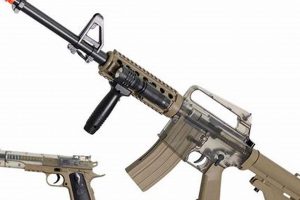
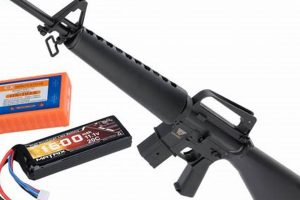
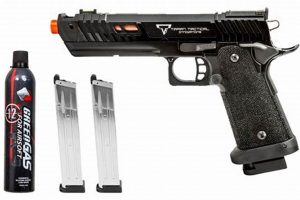
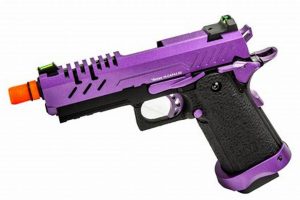
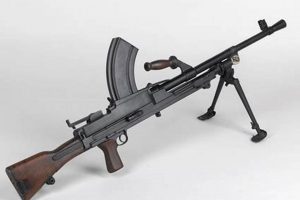
The application of specialized coatings to airsoft guns, often involving camouflage patterns, unique designs, or protective layers, is a common practice within the airsoft community. These treatments can range from simple, single-color applications to complex, multi-layered schemes mimicking real-world military camouflage or reflecting personalized artistic expression. An example is the application of a digital camouflage pattern to an airsoft rifle using stencils and multiple shades of spray paint, enhancing its concealment in woodland environments.
Modifying the aesthetic appearance of an airsoft gun offers several advantages. Beyond purely cosmetic benefits, a quality coating can provide added protection against scratches, wear, and the elements, potentially extending the lifespan of the replica firearm. Historically, these modifications were primarily functional, focused on camouflage to gain a tactical advantage during gameplay. However, the practice has evolved to encompass creative expression and personalization, transforming airsoft guns into unique, collectible items. This customization also allows players to differentiate their equipment on the field, reducing confusion and fostering team cohesion.
The subsequent sections will delve into the diverse methods employed in customizing airsoft guns, examining the materials, techniques, and safety considerations involved in achieving a professional and durable finish. Detailed explanations regarding surface preparation, painting techniques, and the application of protective clear coats will be provided, along with information on choosing the correct paints and equipment for specific project requirements.
Airsoft Gun Coating Application
Achieving a durable and aesthetically pleasing finish requires careful planning and execution. These tips highlight critical aspects of the process, ensuring optimal results.
Tip 1: Surface Preparation is Paramount: Thoroughly degrease and clean the airsoft gun’s surface using appropriate solvents. Residue compromises paint adhesion, resulting in premature wear and chipping. For polymer surfaces, consider lightly sanding with fine-grit sandpaper to provide a mechanical key for the paint.
Tip 2: Employ Specialized Airsoft Gun Paints: Select paints specifically formulated for airsoft guns, exhibiting enhanced durability and resistance to impact and abrasion. Automotive-grade paints or those designed for plastics often provide superior performance compared to general-purpose options.
Tip 3: Utilize Thin, Multiple Coats: Avoid applying thick coats of paint, which are prone to runs, drips, and extended drying times. Instead, apply several thin, even coats, allowing each coat to dry completely before applying the next. This technique promotes better adhesion and a smoother, more uniform finish.
Tip 4: Stencil Application Requires Precision: When utilizing stencils for camouflage patterns or intricate designs, ensure they are securely affixed to the surface to prevent paint bleeding. Employ low-tack adhesive spray to minimize residue and maintain sharp, clean lines.
Tip 5: Implement Proper Curing Procedures: Allow sufficient curing time for the paint to fully harden and bond to the surface. Consult the paint manufacturer’s instructions for recommended curing times and temperatures. Accelerated curing methods, such as baking (when safe and appropriate for the material), can enhance durability.
Tip 6: Protective Clear Coats Offer Longevity: Apply a clear coat formulated for outdoor use to protect the underlying paint layers from UV damage, scratches, and general wear. Matte clear coats are often preferred for camouflage applications, while gloss clear coats can enhance aesthetic appeal.
Tip 7: Disassembly and Masking Prevent Issues: Disassemble the airsoft gun as much as possible before applying paint. Mask off any areas that should not be painted, such as internal components, sights, and grips. Careful masking prevents functionality issues and maintains the gun’s operational integrity.
Adhering to these guidelines significantly increases the likelihood of a professional-looking and long-lasting finish. The investment in proper materials and techniques translates directly into enhanced durability and aesthetic appeal.
The subsequent sections will elaborate on specific painting techniques and address advanced customization methods, providing a comprehensive guide to creating personalized airsoft gun finishes.
1. Surface Preparation

Surface preparation constitutes a fundamental and indispensable stage in achieving a durable and aesthetically satisfactory finish. Its influence on the longevity and appearance of applied coatings is substantial, directly affecting the overall quality of customized airsoft guns.
- Degreasing and Cleaning
The removal of oils, lubricants, and other contaminants is paramount. Residue hinders proper paint adhesion, resulting in premature chipping and peeling. Specialized degreasers, solvents, or detergents are typically employed to ensure a clean substrate. For instance, silicone oil, commonly used to maintain airsoft gun internals, must be thoroughly removed from external surfaces before painting.
- Sanding and Abrasion
Creating a textured surface through light abrasion enhances mechanical adhesion. Fine-grit sandpaper or abrasive pads are used to create microscopic irregularities that allow paint to grip the substrate more effectively. This is particularly critical for smooth surfaces, such as polymer or metal, where paint adhesion may be inherently poor. An example is lightly sanding a glossy ABS plastic receiver to provide a better “key” for the primer coat.
- Priming
The application of a primer coat serves multiple purposes. It acts as a bonding agent between the substrate and the topcoat, improves paint coverage, and provides a uniform surface for subsequent layers. Primers are specifically formulated to adhere strongly to various materials, including metal, plastic, and composite. Applying a self-etching primer to a metal airsoft gun barrel ensures proper adhesion and corrosion protection.
- Masking
Precisely covering areas intended to remain unpainted is an essential component of surface preparation. High-quality masking tape or liquid masking solutions protect intricate details, internal components, or areas requiring contrasting finishes. Inadequate masking can lead to undesirable paint application on critical parts, affecting the airsoft gun’s functionality or aesthetic appeal. Correctly masking the hop-up unit before coating a receiver prevents paint contamination and maintains proper functionality.
In conclusion, meticulous surface preparation forms the bedrock of a successful airsoft gun finish. Adherence to these principles ensures not only an aesthetically pleasing outcome but also a durable and long-lasting coating capable of withstanding the rigors of airsoft gameplay. Neglecting these steps inevitably leads to compromised results, diminished longevity, and increased maintenance requirements.
2. Paint Adhesion

Paint adhesion represents a critical determinant in the success and longevity of any applied finish. Its significance within the context of airsoft gun modification cannot be overstated, directly influencing the durability, appearance, and overall value of a customized replica.
- Surface Energy Compatibility
The surface energy of the paint and the substrate must be compatible for effective adhesion. If the surface energy of the substrate is lower than that of the paint, the paint will not wet the surface properly, leading to poor adhesion. For instance, applying water-based paint to a non-polar plastic without proper preparation will result in inadequate wetting and subsequent flaking. This principle dictates the selection of appropriate primers and paints tailored to specific materials found in airsoft guns.
- Mechanical Interlocking
Achieving mechanical interlocking between the paint and the substrate enhances adhesion by creating physical bonds. This is commonly accomplished through surface abrasion, which generates microscopic irregularities that allow the paint to grip the surface more effectively. A light sanding of a polymer airsoft gun receiver before priming promotes mechanical interlocking, significantly improving paint adhesion compared to applying paint directly to a smooth, untreated surface.
- Chemical Bonding
Chemical bonding involves the formation of chemical bonds between the paint and the substrate, resulting in a stronger and more durable connection. Certain primers contain chemicals that react with the substrate, creating a chemical bond that enhances adhesion. For example, self-etching primers used on metal airsoft gun components form a chemical bond with the metal surface, providing superior adhesion and corrosion protection compared to standard primers.
- Cleanliness and Contamination
The presence of contaminants on the substrate surface can significantly impede paint adhesion. Oils, grease, dirt, and other foreign materials prevent the paint from properly bonding with the substrate. Thorough cleaning and degreasing of the surface are essential to ensure optimal paint adhesion. The failure to remove silicone lubricant from an airsoft gun’s outer barrel before painting will lead to poor adhesion and premature peeling of the finish.
The interplay of these factors underscores the importance of meticulous preparation and material selection in airsoft gun painting. Adequate attention to surface energy compatibility, mechanical interlocking, chemical bonding, and surface cleanliness directly translates to a durable, aesthetically pleasing, and long-lasting finish capable of withstanding the stresses of airsoft gameplay. Neglecting these principles compromises the integrity of the applied finish and detracts from the value and performance of the customized airsoft gun.
3. Camouflage Patterns

Camouflage patterns constitute a significant element within airsoft gun finishes, primarily driven by their functionality in replicating real-world military aesthetics and providing concealment during gameplay. The application of these patterns involves a diverse range of techniques, from stenciling and layering to hydro-dipping, each aiming to break up the airsoft gun’s outline and blend it into the surrounding environment. The selection of an appropriate camouflage pattern is contingent upon the anticipated operating environment; for instance, woodland camouflage patterns, characterized by greens, browns, and blacks, are suited for forested areas, while arid patterns incorporating tans and browns are more effective in desert-like landscapes. The use of MultiCam, a widely adopted camouflage pattern, exemplifies this principle, offering effective concealment across a broad spectrum of environments due to its variegated color palette and complex design. The application of these patterns thus serves a practical purpose, providing a tangible advantage in airsoft engagements.
The effective implementation of camouflage patterns necessitates a comprehensive understanding of color theory, pattern scale, and environmental context. A camouflage pattern that is too large or too small relative to the object it is intended to conceal may prove ineffective, drawing more attention than it deflects. Similarly, the improper blending of colors or the use of inappropriate color combinations can diminish the pattern’s efficacy. Modern airsoft gun finishes often leverage digital camouflage patterns, which employ pixelated designs to disrupt the target’s visual perception, further enhancing concealment. The adaptation of these patterns from military applications highlights the ongoing pursuit of improved camouflage techniques within the airsoft community.
In summary, camouflage patterns are integral to airsoft gun finishes, providing both aesthetic realism and practical advantages. The selection and application of these patterns require careful consideration of environmental factors, color theory, and pattern scale. While the aesthetic appeal of replicating authentic military camouflage is undeniable, the underlying purpose remains the enhancement of concealment and the provision of a tactical advantage during gameplay. The ongoing development and refinement of camouflage patterns reflect a continuing effort to optimize concealment effectiveness in diverse operational environments.
4. Protective Coatings

Protective coatings represent an essential component in airsoft gun paint jobs, functioning as a safeguard against physical damage and environmental degradation. The application of paint, whether for aesthetic purposes or camouflage, creates a vulnerable surface susceptible to scratches, abrasion, and UV exposure. Protective coatings, typically clear formulations applied after the paint job is complete, act as a sacrificial layer, absorbing damage that would otherwise affect the underlying paint. For instance, a two-part epoxy clear coat applied to an airsoft sniper rifle after the application of a camouflage pattern will protect the pattern from scratches incurred during gameplay in dense vegetation. The absence of such a coating would lead to premature wear and eventual degradation of the underlying paint scheme.
Different types of protective coatings offer varying degrees of protection. Polyurethane coatings provide excellent abrasion resistance and flexibility, making them suitable for airsoft guns that experience frequent handling and movement. Ceramic coatings offer superior hardness and chemical resistance, protecting against solvents and cleaning agents. The selection of a specific protective coating should be informed by the anticipated use environment and the level of protection required. A speedsoft airsoft gun, characterized by its rapid gameplay style, may benefit from a ceramic coating to withstand the impacts and scrapes associated with close-quarters combat. Similarly, an airsoft gun primarily used for display purposes may require a UV-resistant coating to prevent fading and discoloration.
In summary, protective coatings are indispensable for preserving the integrity and longevity of airsoft gun paint jobs. These coatings serve as a crucial defense against the damaging effects of abrasion, impact, and environmental exposure. The careful selection and application of appropriate protective coatings significantly enhance the durability and aesthetic appeal of customized airsoft guns, ensuring their continued performance and visual appeal. The effectiveness of a protective coating is directly correlated to its ability to shield the paint job from external forces, thereby extending the life and maintaining the value of the modified airsoft gun.
5. Application Technique
The manner in which coating materials are applied to airsoft guns directly influences the final appearance, durability, and overall quality of the customized finish. Mastery of application techniques is paramount to achieving professional results and maximizing the protective and aesthetic benefits of the applied coating.
- Spray Painting Techniques
Spray painting, encompassing aerosol cans and airbrush systems, requires consistent motion and precise distance control to ensure uniform coverage and prevent runs or orange peel texture. The overlap percentage of each spray pass, typically 50%, ensures adequate film build and consistent color saturation. Improper technique, such as holding the spray nozzle too close to the surface, leads to excessive paint buildup and potential defects. Conversely, holding the nozzle too far results in a dry, textured finish with poor adhesion. The selection of appropriate spray nozzles and air pressure settings, tailored to the specific paint formulation, further optimizes atomization and application efficiency.
- Stenciling and Masking Application
The accurate placement and secure adhesion of stencils and masking materials are critical for creating intricate designs and sharp lines in camouflage patterns. Lifting or improper sealing of stencil edges allows paint to bleed underneath, compromising the pattern’s integrity and requiring rework. Low-tack adhesive sprays applied to the stencil backing minimize paint bleed while preventing damage to the underlying paint layer upon removal. The use of specialized masking tapes designed for curved surfaces enables precise application around complex shapes and contours, enhancing the overall aesthetic quality of the finished airsoft gun.
- Hydro Dipping Processes
Hydro dipping, or immersion printing, involves transferring a printed design from a water surface onto the three-dimensional surface of the airsoft gun. Consistent water temperature, controlled immersion speed, and proper activation of the transfer film are essential for achieving a seamless and defect-free finish. Air pockets or trapped air bubbles between the film and the substrate can result in distortions or incomplete pattern transfer. Pre-treating the airsoft gun’s surface with an adhesion promoter and applying a flexible clear coat after hydro dipping enhances the durability and longevity of the transferred design.
- Brush Application Methods
While less common for large surface areas, brush application techniques are useful for detail work, touch-ups, and applying weathering effects. The selection of appropriate brush types, such as fine-tipped brushes for detail work or stippling brushes for textured finishes, influences the final appearance. Proper brush loading and application pressure prevent excessive paint buildup and streaking. Techniques such as dry brushing, which involves applying a small amount of paint with a relatively dry brush, can create realistic wear patterns and enhance the visual realism of the airsoft gun.
Effective application techniques are thus integral to realizing the full potential of any airsoft gun paint job. The choice of technique, informed by the desired aesthetic outcome and the complexity of the design, requires careful execution to ensure a durable, visually appealing, and professional-quality finish. Mastery of these techniques elevates the customization process from a simple paint application to a skilled craft, enhancing both the aesthetic value and the protective qualities of the modified airsoft gun.
Frequently Asked Questions
This section addresses prevalent inquiries concerning the modification of airsoft guns through the application of specialized coatings. The objective is to provide clear, concise answers based on established practices and technical considerations.
Question 1: What types of paint are suitable for application on airsoft guns?
Paints specifically formulated for plastics, automotive paints designed for flexible bumpers, and two-part epoxy paints exhibit superior adhesion and durability on airsoft gun materials. General-purpose paints may lack the necessary flexibility and adhesion properties, leading to premature chipping and peeling. Consideration must be given to the substrate material, whether it be ABS plastic, metal, or composite, when selecting the appropriate paint formulation.
Question 2: Is disassembly required before initiating an airsoft gun paint job?
Disassembly is highly recommended. Separating the receiver, barrel, and other components allows for thorough surface preparation and prevents paint from entering critical internal mechanisms. Masking internal components is an alternative; however, complete disassembly provides more comprehensive control and reduces the risk of overspray. Refer to the airsoft gun’s manual for disassembly instructions.
Question 3: How can paint bleed under stencils be prevented when creating camouflage patterns?
Employing low-tack adhesive stencils and applying light, even coats of paint minimizes paint bleed. Burnishing the edges of the stencil with a smooth, hard object ensures a tight seal against the airsoft gun’s surface. The use of an airbrush, rather than aerosol cans, allows for greater control over paint application and reduces the likelihood of paint seeping under the stencil edges.
Question 4: What is the optimal method for preparing an airsoft gun’s surface for paint application?
Surface preparation involves degreasing, cleaning, and abrasion. A degreaser removes oils and contaminants, while a mild abrasive, such as fine-grit sandpaper, creates a textured surface for improved paint adhesion. The surface should be thoroughly cleaned with a tack cloth prior to priming to remove any residual dust or debris.
Question 5: What clear coat options are recommended for protecting an airsoft gun paint job?
Two-part epoxy clear coats and polyurethane clear coats provide excellent protection against scratches, UV damage, and chemical exposure. Matte clear coats are commonly used for camouflage finishes, while gloss clear coats enhance aesthetic appeal. Ensure the clear coat is compatible with the underlying paint formulation to prevent adverse reactions, such as wrinkling or cracking.
Question 6: How long should an airsoft gun paint job cure before reassembly and use?
Curing times vary depending on the type of paint and clear coat used. Consult the manufacturer’s instructions for recommended curing times. Generally, allowing the paint to cure for at least 24 to 48 hours before reassembly and use ensures the finish is fully hardened and resistant to damage.
Proper execution of surface preparation, paint selection, application technique, and protective coating application are crucial for achieving durable and aesthetically pleasing results. Adherence to manufacturer guidelines and best practices optimizes the longevity and performance of modified airsoft guns.
The subsequent section will delve into advanced customization methods and address specific considerations for unique airsoft gun designs.
Conclusion
This discourse has examined the practice of applying specialized coatings to airsoft guns. Surface preparation, material selection, application techniques, and protective measures are critical elements in achieving a durable and aesthetically pleasing finish. The information presented underscores the importance of a systematic approach, emphasizing the interplay between technical skill and material knowledge in the successful execution of airsoft gun paint jobs.
Effective customization requires a commitment to detail and an understanding of the underlying principles governing adhesion, protection, and aesthetic design. Further exploration into advanced techniques and emerging materials will undoubtedly shape the future of airsoft gun paint jobs, enhancing both the performance and the visual appeal of these replicas. Continued diligence in research and application remains essential for achieving optimal results.