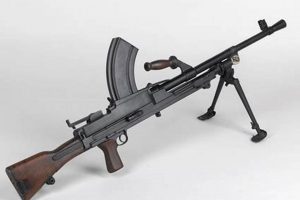
The malfunction of an airsoft replica weapon preventing the expulsion of projectiles is a common issue encountered by users. This can manifest as a complete failure to fire, where no BBs are launched, or inconsistent performance, with some BBs exiting the barrel while others remain. Several mechanical and electrical factors can contribute to this impediment.
Addressing the reasons behind projectile non-discharge is vital for maintaining airsoft equipment functionality and user experience. Operational reliability is paramount for competitive play and recreational target practice. Understanding potential causes and implementing preventative measures increases the longevity of the replica and reduces frustration during use. Historically, resolving these issues required extensive technical knowledge; however, many modern solutions are readily accessible to the end-user.
Therefore, it is essential to investigate the common causes. Detailed inspection of the power source (battery or gas), magazine, hop-up unit, and internal components, such as the gearbox, cylinder, and nozzle, is required to diagnose and rectify the problem effectively. The following sections will provide detailed analyses of these potential areas of concern and outline troubleshooting strategies.
Troubleshooting Projectile Non-Discharge in Airsoft Replicas
This section offers practical guidance for diagnosing and resolving instances where an airsoft replica fails to fire projectiles. These tips are designed to assist in identifying and addressing potential causes, thereby restoring functionality.
Tip 1: Verify Power Source Integrity: Ensure the battery is fully charged or the gas reservoir is adequately filled. An underpowered battery or depleted gas supply can prevent proper cycling and projectile expulsion. Use a multimeter to test battery voltage under load.
Tip 2: Inspect Magazine Functionality: Confirm the magazine is properly loaded and seated. A malfunctioning magazine may fail to feed BBs into the firing chamber. Check the magazine spring tension and examine the feed lips for damage or deformation.
Tip 3: Examine BB Quality and Size: Use only high-quality, appropriately sized BBs as specified by the replica manufacturer. Irregularly shaped or oversized BBs can cause jamming and prevent firing. Inspect BBs for cracks or deformities before loading.
Tip 4: Assess Hop-Up Unit Adjustment: Incorrect hop-up settings can impede projectile trajectory and, in extreme cases, prevent firing altogether. Experiment with incremental hop-up adjustments to find the optimal setting. Ensure the hop-up bucking is clean and undamaged.
Tip 5: Check for Barrel Obstructions: Examine the inner barrel for debris, BB fragments, or other obstructions. A blocked barrel will prevent projectile passage. Use a cleaning rod to clear any obstructions carefully.
Tip 6: Inspect Nozzle Alignment and Seal: The nozzle must align properly with the hop-up unit and create a tight seal to propel BBs effectively. Misalignment or a damaged nozzle seal will result in air leakage and reduced firing power. Check the O-ring on the nozzle for wear or damage.
These troubleshooting steps provide a structured approach to resolving projectile non-discharge issues. Addressing these potential causes systematically can significantly improve the operational reliability of airsoft replicas.
Following these diagnostic and corrective measures prepares the user to better understand preventative maintenance, which is crucial for long-term operational efficiency.
1. Power Source Failure

Power source failure represents a primary cause of airsoft replica malfunction, directly impacting the system’s ability to cycle and expel projectiles. Inadequate power compromises the entire firing mechanism, resulting in a non-operational state.
- Battery Depletion or Degradation
Electric airsoft replicas rely on rechargeable batteries to power their internal motors and gearboxes. Over time, these batteries degrade, holding less charge and delivering less power. A fully depleted battery or one with significantly reduced capacity will not provide sufficient energy to complete the firing cycle, leading to the absence of projectile launch. Consistent use and improper storage accelerates this process.
- Gas Reservoir Depletion or Leakage
Gas-powered airsoft replicas utilize pressurized gas, such as green gas or CO2, to propel BBs. A depleted gas reservoir or a leak within the system results in inadequate pressure to force the BB through the barrel. Leaks can occur at seals, valves, or connection points. Temperature fluctuations also affect gas pressure, further influencing performance.
- Wiring or Connector Issues
In electric airsoft replicas, damaged or corroded wiring and connectors interrupt the flow of electricity from the battery to the motor. Broken wires, loose connections, or corroded terminals increase resistance, reducing the power delivered to the firing mechanism. This can manifest as intermittent firing or complete failure, depending on the severity of the connection fault.
- Motor Burnout or Malfunction
The electric motor drives the gearbox, compressing a spring or operating a piston to create air pressure. Motor burnout prevents this process, leading to replica malfunction. Internal wear, excessive strain, or electrical surges can cause motor failure. A malfunctioning motor may emit unusual sounds or fail to rotate entirely, halting the firing cycle.
The interplay of these facets highlights the critical role the power source plays in the operational integrity of airsoft replicas. Proper maintenance, timely battery replacement, leak detection, and electrical component inspection mitigates the risk of power source failure, ensuring consistent projectile launch and preventing “airsoft gun not shooting bbs” scenarios.
2. Magazine Feeding Issues

The inability of an airsoft replica to expel projectiles often stems directly from malfunctions within the magazine feeding system. Consistent and reliable BB delivery from the magazine to the firing chamber is essential for proper operation. Disruptions at any point in this process can manifest as a complete failure to fire, effectively rendering the replica unusable.
- Damaged Feed Lips
Feed lips are the crucial components responsible for retaining BBs within the magazine until they are engaged by the replica’s feeding mechanism. Cracks, chips, or deformation of the feed lips prevent proper BB retention and release. Damaged feed lips may release multiple BBs simultaneously, causing jams, or fail to release any at all, resulting in projectile non-discharge. This condition often occurs due to physical impact or repeated stress.
- Weak or Damaged Magazine Spring
The magazine spring exerts upward pressure on the BB stack, ensuring consistent presentation to the feeding mechanism. A weakened spring fails to provide adequate pressure, leading to inconsistent or non-existent BB feeding. Springs can weaken over time due to repeated compression and extension. Damage, such as kinks or breaks, further compromises its functionality, directly contributing to failure to fire.
- Incorrect BB Size or Type
Magazines are designed to accommodate specific BB sizes and types. Using BBs that are too large can cause jams within the magazine or prevent proper feeding into the firing chamber. Conversely, undersized BBs may not engage correctly with the feeding mechanism, resulting in misfeeds and projectile non-discharge. BB quality also influences feeding; poorly manufactured BBs with inconsistent shapes or surface imperfections can impede smooth movement within the magazine.
- Magazine Alignment and Seating Issues
Proper magazine alignment within the replica’s magazine well is crucial for reliable feeding. If the magazine is not fully seated or is misaligned, the BBs may not properly align with the hop-up unit and nozzle. This misalignment can prevent the nozzle from engaging the BBs, causing misfeeds or a complete failure to fire. Obstructions or debris within the magazine well can further exacerbate alignment problems.
The interconnected nature of these magazine-related factors underscores their significance in preventing projectile launch. Addressing these potential malfunctions through careful inspection, maintenance, and the use of appropriate BBs directly improves the operability of airsoft replicas, mitigating the likelihood of experiencing “airsoft gun not shooting bbs” scenarios.
3. BB Quality
The quality of BBs used in airsoft replicas directly influences operational reliability. Variations in BB manufacturing and composition can lead to a range of issues, ultimately contributing to the inability of the replica to fire projectiles.
- Inconsistent Size and Shape
BBs exhibiting inconsistent size and shape deviate from the standard 6mm diameter, leading to feeding and jamming problems. Variations in sphericity can prevent proper engagement with the hop-up unit and nozzle, resulting in misfeeds or barrel obstructions. These inconsistencies impede smooth passage through the replica’s internal mechanisms, precluding projectile launch.
- Surface Imperfections and Debris
Surface imperfections, such as seams, dimples, or residual molding flash, introduce friction and disrupt consistent trajectory. These imperfections also contribute to the accumulation of debris within the barrel and hop-up chamber. Over time, the buildup of debris hinders the replica’s performance, causing inaccuracies and ultimately leading to complete failure to fire.
- Material Composition and Density
BBs manufactured from substandard materials can lack the necessary density and structural integrity. This can lead to shattering upon firing or fragmentation within the barrel, causing obstructions and damaging internal components. Inconsistent density can also affect projectile trajectory and range, undermining the overall performance of the replica.
- Weight Variations
Even slight variations in BB weight can impact trajectory and consistency. Significant weight discrepancies within a batch of BBs cause unpredictable flight paths and reduce accuracy. In extreme cases, overly heavy or light BBs may fail to engage with the hop-up unit effectively, preventing proper lift and resulting in drastically reduced range or complete failure to fire.
Therefore, the selection of high-quality BBs, characterized by consistent size, shape, surface finish, and material composition, is essential for maintaining the operational integrity of airsoft replicas. Employing substandard BBs significantly increases the risk of malfunctions and directly contributes to the problem of replicas failing to fire projectiles.
4. Hop-Up Maladjustment
Hop-up maladjustment is a critical factor influencing the ability of an airsoft replica to successfully expel projectiles. The hop-up unit imparts backspin to the BB as it exits the barrel, extending its range and improving accuracy. Incorrect hop-up settings can disrupt this process, resulting in diminished performance or a complete failure to fire.
- Excessive Hop-Up Application
Applying excessive hop-up creates an exaggerated backspin on the BB, causing it to lift excessively and curve upwards sharply. This results in a significantly reduced range and accuracy, as the BB deviates substantially from its intended trajectory. In extreme cases, the excessive backspin can cause the BB to stall mid-flight or even curve back towards the user, preventing it from reaching the target. This overcompensation effectively negates the projectile’s forward momentum, contributing to a scenario where the airsoft replica fails to effectively discharge BBs.
- Insufficient Hop-Up Application
Conversely, insufficient hop-up fails to impart adequate backspin to counteract the effects of gravity. The BB will follow a downward trajectory, resulting in a significantly reduced range. Without sufficient backspin, the projectile will drop rapidly, impacting the ground well short of the intended target. This lack of lift diminishes the effective range of the replica and reduces its overall utility, as the BB’s trajectory is severely compromised.
- Uneven Hop-Up Pressure
Uneven pressure applied by the hop-up bucking can result in inconsistent backspin, causing the BB to curve laterally during flight. This inconsistency degrades accuracy and predictability, making it difficult to consistently hit the intended target. Lateral deviations caused by uneven hop-up pressure can lead to unpredictable projectile behavior, rendering the replica unreliable in scenarios requiring precise shot placement.
- Damaged Hop-Up Components
Damage to the hop-up bucking or nub can compromise its ability to impart consistent and accurate backspin. Tears, deformations, or wear on the bucking’s surface can disrupt the BB’s trajectory, leading to inaccuracies and reduced range. A damaged nub, which applies pressure to the bucking, can result in uneven or inconsistent hop-up application. Such damage necessitates component replacement to restore optimal performance.
Proper adjustment and maintenance of the hop-up unit are therefore essential for maximizing the effective range and accuracy of an airsoft replica. Hop-up maladjustment can significantly compromise performance, directly contributing to instances where the replica fails to effectively launch projectiles towards the intended target.
5. Barrel Obstruction

Barrel obstruction is a significant contributing factor to scenarios where an airsoft replica fails to discharge BBs. This occurs when foreign matter or debris impedes the projectile’s passage through the inner barrel, preventing it from exiting the weapon. The consequences range from a complete cessation of firing to inconsistent or significantly diminished performance. Common causes of barrel obstructions include BB fragments, dirt, dust, lubricant buildup, or improperly sized BBs becoming lodged within the barrel. The effect is a physical barrier that restricts or prevents the air pressure generated by the piston or gas system from propelling the BB forward. The barrel, being the conduit through which the projectile must travel, directly impacts the firing mechanism’s efficiency. For instance, if a BB shatters within the barrel due to being of poor quality, the resulting fragments create a blockage that halts subsequent BBs. The effectiveness of any firing system, whether electric or gas-powered, is contingent upon a clear and unobstructed pathway for the projectile. Thus, barrel obstruction negates the intended function of the airsoft replica.
The implications of barrel obstruction extend beyond merely preventing the replica from firing. Repeated attempts to fire with a blocked barrel can place undue stress on internal components, such as the piston, gearbox, or gas system, potentially leading to damage or premature wear. For example, forcing the piston against an immovable obstruction can crack the piston head or strip gears within the gearbox. Similarly, in gas-powered replicas, the increased pressure can damage seals or valves. Maintaining a clear barrel is therefore crucial not only for immediate operability but also for the long-term preservation of the equipment. Regular cleaning and the use of high-quality BBs designed to minimize fragmentation are essential preventative measures. Proper storage in a clean environment further reduces the risk of foreign matter entering the barrel.
In conclusion, barrel obstruction represents a critical impediment to the functional operation of airsoft replicas, directly causing the “airsoft gun not shooting bbs” phenomenon. Its impact is multifaceted, extending from immediate firing failure to potential long-term damage of internal components. Addressing and preventing barrel obstructions through diligent maintenance and the use of appropriate ammunition is vital for ensuring consistent performance and extending the lifespan of airsoft equipment. This understanding underscores the importance of regular cleaning routines and adherence to manufacturer recommendations regarding ammunition selection.
6. Nozzle Seal Integrity
Nozzle seal integrity is paramount to the functional operation of airsoft replicas, directly influencing the consistent expulsion of projectiles. The nozzle, a critical component within the firing mechanism, interfaces with the hop-up unit to guide and seal each BB for propulsion. A compromised seal between the nozzle and hop-up bucking leads to air leakage, diminishing the pressure required to effectively accelerate the BB through the barrel. This results in reduced muzzle velocity and inconsistent shot-to-shot performance, ultimately culminating in scenarios where the replica fails to discharge BBs altogether. The failure to maintain an airtight seal represents a primary cause of projectile non-discharge in both electric and gas-powered airsoft systems. For example, a torn or degraded O-ring on the nozzle allows pressurized air to escape, reducing the force applied to the BB.
The material composition and condition of the nozzle’s O-ring are key determinants of seal integrity. Over time, exposure to lubricants, temperature fluctuations, and mechanical wear can degrade the O-ring, leading to a loss of elasticity and subsequent air leakage. A cracked or deformed nozzle, often due to impact or manufacturing defects, similarly compromises the seal. Regular inspection and maintenance, including cleaning and lubrication with silicone-based products, are essential for preserving nozzle seal integrity. Aftermarket upgrades, such as nozzles constructed from more durable materials with improved O-ring designs, offer enhanced sealing capabilities and extended service life. Addressing nozzle-related issues often requires disassembly and replacement of worn or damaged components. A properly sealed nozzle is essential to maximize efficiency and provide consistent shooting power.
In conclusion, maintaining nozzle seal integrity is crucial for preventing instances where airsoft replicas fail to discharge BBs. Air leakage due to a compromised seal directly reduces the pressure available for projectile propulsion, leading to diminished performance and eventual firing failure. Regular maintenance, careful inspection, and timely replacement of worn components are necessary to ensure consistent operation and prevent costly internal damage, linking nozzle integrity directly to the reliability and longevity of airsoft equipment. Therefore, addressing this single element makes a significant difference.
7. Internal Component Damage

Internal component damage represents a significant impediment to the proper functioning of airsoft replicas, frequently resulting in the inability to fire projectiles. The intricate mechanisms within these replicas rely on the precise interaction of numerous parts, and damage to any of these components can disrupt the firing cycle, causing a cessation of operation.
- Gearbox Failure
The gearbox houses the gears responsible for compressing the spring and driving the piston in electric airsoft replicas. Stripped gears, broken tappet plates, or damaged bushings within the gearbox disrupt the timing and efficiency of the firing cycle. For example, stripped gears fail to properly transfer rotational force, preventing the piston from compressing the air required to propel the BB. A fractured tappet plate hinders nozzle movement, disrupting BB feeding. Gearbox failure fundamentally impairs the replica’s ability to generate the force necessary to expel projectiles, directly leading to a situation where the airsoft replica fails to shoot BBs.
- Piston Assembly Damage
The piston assembly, comprised of the piston head, piston body, and O-ring, is responsible for compressing air within the cylinder. Cracks in the piston body, a worn or damaged piston head, or a compromised O-ring result in air leakage and reduced compression. A cracked piston body can fail under stress, while a damaged piston head cannot properly seal against the cylinder head. Leakage diminishes the volume of compressed air, reducing muzzle velocity and potentially preventing the BB from exiting the barrel. This component’s integrity is crucial for maintaining the air pressure necessary for proper projectile expulsion; any damage will impact this ability.
- Hop-Up Unit Cracking or Breaking
While the Hop-up unit is mentioned before, physical damage to it will be one the key problems that causes the replica to fail to shoot bbs. Physical fractures or breaks in the Hop-Up unit’s body compromises its ability to properly align the BB with the nozzle. A damaged Hop-Up unit can result in an inconsistent application of spin, or a poor seal where the nozzle meets the magazine. This then impacts pressure for the air to flow, making the airsoft gun not shoot bbs.
- Motor Malfunction or Burnout
In electric airsoft replicas, the motor provides the rotational force necessary to drive the gearbox. A malfunctioning motor, characterized by worn brushes, short circuits, or complete burnout, fails to generate the required torque to cycle the firing mechanism. A motor struggling to turn over may produce weak or intermittent firing, while a completely burnt-out motor will prevent any operation whatsoever. This power failure stops the entire firing process from occurring, resulting in a replica unable to launch projectiles.
The diverse nature of potential internal component damage underscores the importance of regular maintenance and inspection. Any degradation in the structural integrity or functionality of these components directly compromises the replica’s ability to fire projectiles, highlighting the intricate relationship between internal mechanics and operational effectiveness. Addressing these internal issues, with replacement parts when needed, is key to preventing instances of an “airsoft gun not shooting bbs”.
Frequently Asked Questions Regarding Airsoft Replica Projectile Non-Discharge
This section addresses common inquiries pertaining to instances where an airsoft replica fails to propel BBs, offering concise and informative responses based on established troubleshooting principles.
Question 1: What are the primary reasons an airsoft replica might fail to shoot BBs?
Common causes encompass power source issues (depleted battery or gas), magazine feeding malfunctions, substandard BB quality, hop-up unit maladjustment, barrel obstructions, compromised nozzle seal integrity, and internal component damage (gearbox, piston, motor).
Question 2: How does a depleted battery prevent an electric airsoft replica from firing?
An undercharged or depleted battery lacks the voltage required to drive the motor and cycle the gearbox, preventing the piston from compressing air and propelling the BB. Ensure the battery is fully charged and functioning within specifications.
Question 3: Why is BB quality a crucial factor in the proper operation of an airsoft replica?
Irregularly shaped, oversized, or poorly manufactured BBs can cause jams within the magazine or barrel, preventing smooth feeding and projectile expulsion. Use only high-quality BBs of the recommended size and weight.
Question 4: How can an improperly adjusted hop-up unit contribute to projectile non-discharge?
Excessive or insufficient hop-up application can impede the BB’s trajectory or prevent it from properly engaging with the firing mechanism. Adjust the hop-up incrementally to achieve optimal performance and ensure proper BB engagement.
Question 5: What steps should be taken to address a suspected barrel obstruction?
Disassemble the replica and use a cleaning rod to carefully clear any debris or obstructions from the inner barrel. Ensure the barrel is completely clear before reassembling and attempting to fire the replica.
Question 6: How does nozzle seal integrity impact the ability of an airsoft replica to shoot BBs?
A compromised seal between the nozzle and hop-up bucking allows air to leak, reducing the pressure available to propel the BB. Inspect the nozzle O-ring for wear or damage and replace as necessary to maintain an airtight seal.
This information provides a foundation for troubleshooting common issues leading to projectile non-discharge. Remember to consult manufacturer guidelines for specific repair and maintenance procedures.
The next section will provide guidance on preventive maintenance practices to minimize the occurrence of these malfunctions.
Addressing Projectile Non-Discharge in Airsoft Replicas
The preceding examination underscores the multifaceted nature of projectile non-discharge in airsoft replicas. Key factors contributing to this malfunction range from power source limitations and magazine feeding inefficiencies to ammunition quality, hop-up maladjustments, barrel obstructions, compromised nozzle seals, and internal component failures. A systematic approach to diagnosing and rectifying these issues is paramount for maintaining equipment operability.
Sustained operational readiness hinges on diligent maintenance practices, including routine inspections, appropriate lubrication, and the use of high-quality components and ammunition. By adhering to these preventative measures, users can significantly mitigate the risk of experiencing projectile non-discharge and ensure the longevity and reliability of their airsoft replicas. Continued vigilance and proactive intervention are essential for optimal performance.