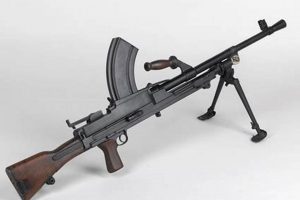
Regulations surrounding the possession and use of airsoft devices vary significantly across jurisdictions. These regulations typically establish a minimum age for purchasing or using these devices, often tied to legal classifications as toys, sporting goods, or replicas of firearms. Understanding these minimum age laws is crucial for both individuals and retailers involved with airsoft.
Adherence to age-related guidelines promotes safety and responsible handling. Compliance prevents misuse and reduces the risk of accidental injuries. Historically, the implementation of such regulations has been a response to increasing popularity of the sport and concerns about potential misuse, aiming to strike a balance between recreational activity and public safety.
The following sections will detail the specifics of these regulations in different areas, examining common age thresholds and the legal bases underpinning them. This information is intended to provide a general overview and should not be considered legal advice. Consulting local regulations is recommended for clarification.
Guidance on Airsoft Device Regulations
The following provides key considerations related to regulatory compliance regarding airsoft devices, particularly concerning age-related restrictions.
Tip 1: Verify Local Statutes: Prior to purchasing or using an airsoft device, diligently research and confirm the specific regulations applicable within the relevant jurisdiction. These regulations may vary significantly based on geographic location.
Tip 2: Adhere to Retailer Policies: Reputable retailers typically have internal policies that reflect or exceed local statutes. Comply with these policies, even if local laws appear less restrictive. These policies often prioritize safety and legal prudence.
Tip 3: Emphasize Responsible Handling: Regardless of age, all users of airsoft devices should be thoroughly educated on safe handling practices, including proper storage, transportation, and usage in designated areas.
Tip 4: Supervise Younger Users: If younger individuals are permitted to use airsoft devices under applicable regulations, ensure consistent and direct adult supervision. This supervision should include continuous monitoring of usage and enforcement of safety protocols.
Tip 5: Prioritize Protective Gear: Emphasize the consistent use of appropriate protective gear, including eye protection and face masks, to mitigate the risk of injury during airsoft activities. This applies irrespective of a participant’s age.
Tip 6: Secure Storage is Mandatory: Airsoft devices should be stored securely and out of reach of unauthorized individuals, particularly children, to prevent misuse and accidental injuries. Consider using locked containers or disabling mechanisms.
Tip 7: Educate on Resemblance to Firearms: Emphasize that airsoft devices often resemble real firearms, and their misuse or display in public areas could be misconstrued, potentially leading to dangerous situations and legal repercussions.
Following these guidelines enhances adherence to the regulations and promotes a safer environment for individuals engaging in airsoft activities. This approach also mitigates potential legal liabilities.
The subsequent sections will address frequently asked questions related to these regulations, offering further clarification and practical guidance.
1. Minimum purchasing age

The “Minimum purchasing age” serves as a primary component within the broader framework governing airsoft devices. This age threshold represents a legal determination of when an individual is deemed capable of responsibly acquiring and handling these items. It’s a key regulatory measure intended to mitigate potential misuse and ensure public safety.
- Legislative Foundation
The establishment of a minimum purchasing age stems from legislative considerations that balance the recreational use of airsoft devices with public safety concerns. Laws are enacted at various levels, from local ordinances to federal regulations, each defining the specific age at which an individual can legally purchase these items. The underlying principle is that individuals below this age may lack the maturity or understanding to handle airsoft devices safely, increasing the risk of accidents or misuse.
- Retailer Compliance and Enforcement
Retailers play a critical role in enforcing the minimum purchasing age. They are legally obligated to verify the age of potential buyers, typically through government-issued identification. Non-compliance can result in penalties, including fines and the revocation of sales licenses. Retailer policies often exceed minimum legal requirements, reflecting their commitment to responsible sales practices and risk mitigation.
- Parental or Guardian Consent
In some jurisdictions, individuals below the minimum purchasing age may be permitted to use airsoft devices under the supervision of a parent or legal guardian. However, the ability to purchase the device itself remains restricted. This approach acknowledges the developmental differences between children and adolescents, placing responsibility on adults to oversee their safe usage.
- Variations Across Jurisdictions
The specific minimum purchasing age varies significantly across different geographic locations. Some regions may set the age at 16, while others may require individuals to be 18 or older. These variations reflect differing societal attitudes toward airsoft devices and the perceived risks associated with their use. It is imperative to consult local regulations to determine the applicable age threshold in a specific area.
The “Minimum purchasing age” represents a fundamental control mechanism aimed at preventing the irresponsible acquisition of airsoft devices. Its effectiveness hinges on consistent enforcement by retailers and adherence to local laws. The age restriction seeks to address the risks associated with unsupervised use by minors, while recognizing the potential for supervised participation under adult guidance.
2. Usage Restrictions

Usage restrictions are inextricably linked to stipulations. These restrictions govern where, when, and how an airsoft device may be used, serving as critical components of the broader regulatory framework. Age stipulations often trigger, or are directly tied to, usage protocols. For example, an individual above a certain age may be permitted to use an airsoft device in designated public areas, while those below that age may be restricted to private property with adult supervision. The underlying rationale is that maturity and understanding are necessary for the safe and responsible handling of these devices.
The absence of clear stipulations on usage can lead to incidents involving misuse or accidental injury. For instance, unrestricted use in densely populated areas can result in alarm or misidentification of the device as a real firearm. Practical examples can be found in municipalities that have implemented specific zoning regulations for airsoft activities, limiting them to designated fields or indoor ranges. These regulations often include age stipulations, reflecting a tiered system where older individuals may have fewer restrictions than younger users.
In summary, usage stipulations function as a safety net within the regulatory landscape of airsoft devices. Age stipulations are pivotal in shaping these restrictions, as they determine the extent to which individuals of different maturity levels can engage in airsoft activities. The proper implementation and enforcement of these restrictions are essential for mitigating risks and promoting responsible participation. A persistent challenge lies in the variability of regulations across jurisdictions, necessitating ongoing education and awareness initiatives.
3. Supervision Mandates

Supervision mandates are a critical component inextricably linked to regulations. These mandates delineate the circumstances under which adult supervision is required during the use of airsoft devices. Typically, these mandates are directly tied to , stipulating that individuals below a specified age must be supervised by a responsible adult while engaging in airsoft activities. The direct correlation between a users age and the requirement for supervision is predicated on the understanding that younger individuals may lack the maturity, judgment, and technical proficiency necessary to safely handle airsoft devices without guidance. This linkage aims to mitigate the risks of accidental injuries, misuse, and non-compliance with safety protocols. The absence of mandated supervision for younger users significantly elevates the potential for adverse outcomes, reinforcing the necessity for their close regulation.
Practical examples of the impact of supervision mandates can be observed at organized airsoft events and ranges. Many such facilities require participants below a designated age to be accompanied by a supervising adult who is responsible for ensuring adherence to safety rules and proper handling of the equipment. Failure to comply with this mandate typically results in the exclusion of the unsupervised minor from participation. Similarly, retailers selling airsoft devices often advise customers of supervision requirements, further emphasizing the responsibility of parents or guardians to oversee the usage of these devices by younger individuals. Legal cases involving airsoft-related injuries frequently examine the presence or absence of adequate supervision as a factor in determining liability, highlighting the legal significance of these mandates.
In summation, supervision mandates function as a pivotal mechanism to mitigate potential risks associated with the use of airsoft devices by younger individuals. Their direct connection to underscores the importance of adult oversight in ensuring safe and responsible handling. Challenges remain in the consistent enforcement of these mandates and the education of both users and retailers regarding their legal obligations. The practical significance of understanding and adhering to supervision mandates is paramount in promoting a safe environment for all participants and minimizing the likelihood of accidents or legal repercussions.
4. Storage protocols

Storage protocols are a critical extension of regulations concerning devices, particularly as they relate to stipulations. These protocols address the manner in which airsoft devices must be secured when not in use, aiming to prevent unauthorized access and potential misuse, especially by individuals who may be below legal thresholds. The implementation of robust storage practices directly correlates to risk mitigation and responsible ownership.
- Safe Storage Mandates and Youth Access
Safe storage mandates often stipulate that airsoft devices must be stored in a manner that prevents access by minors. This may include utilizing locked containers, trigger locks, or other security measures. The objective is to minimize the possibility of unsupervised handling by individuals below legal limits, thereby reducing the risk of accidental injury or misuse. Non-compliance with these mandates can result in legal penalties and may also be a factor in determining liability in the event of an incident.
- Parental Responsibility and Storage Practices
In many jurisdictions, parental responsibility extends to ensuring that airsoft devices are stored securely, especially when residing with individuals who are under legal stipulations. Parents or guardians are expected to take reasonable precautions to prevent unauthorized access to these devices. Educational initiatives often emphasize the importance of safe storage practices as a key component of responsible gun ownership, promoting a culture of safety within households and communities.
- Retailer Guidance on Storage and Compliance
Retailers involved in the sale of airsoft devices frequently provide guidance on safe storage practices to purchasers, particularly highlighting the importance of securing these devices to prevent access by minors. This guidance may include information on available locking mechanisms, storage containers, and relevant legal requirements. By educating consumers on storage protocols, retailers contribute to responsible ownership and compliance with stipulations.
- Legal Consequences of Negligent Storage
Negligent storage of airsoft devices, particularly when it leads to access by individuals who do not meet requirements and results in injury or property damage, can have significant legal consequences. Individuals found to have negligently stored their devices may face criminal charges, civil lawsuits, and other penalties. These legal repercussions underscore the importance of adhering to storage protocols and prioritizing safety.
The adherence to storage protocols serves as a cornerstone in preventing accidents and misuse, particularly concerning. By implementing and enforcing these protocols, communities can significantly reduce the potential for harm and promote responsible device ownership. Continuous education and awareness initiatives are essential to ensure compliance and maintain a safe environment for all individuals.
5. Jurisdictional variances

Jurisdictional variances significantly influence the application and enforcement of device regulations, particularly concerning thresholds. These variances reflect the diverse legal frameworks and societal attitudes toward these devices across different geographic regions. Consequently, a uniform standard concerning thresholds is absent, necessitating careful consideration of local regulations.
The impact of jurisdictional variances can be observed through contrasting examples. Some municipalities may classify airsoft devices as toys, leading to minimal or nonexistent restrictions. Conversely, other jurisdictions may categorize them as replica firearms, resulting in stringent regulations mirroring those governing real firearms, including specific thresholds. Such discrepancies necessitate that individuals engaging in airsoft activities diligently research and comply with the specific regulations applicable in their locality. Failure to adhere to these varying guidelines can lead to legal repercussions, including fines or confiscation of the device. The importance of understanding jurisdictional variances is further underscored by the increasing prevalence of online commerce, which allows individuals to purchase airsoft devices from retailers located in different jurisdictions. While the sale may be legal in the retailer’s jurisdiction, possession or use may be restricted in the buyer’s location, highlighting the need for due diligence.
In summary, jurisdictional variances constitute a critical factor in determining device restrictions. These variances stem from differing legal interpretations and societal values, leading to a complex regulatory landscape. Navigating this landscape requires a thorough understanding of local ordinances and a commitment to responsible compliance. A persistent challenge lies in the effective communication of these variances to both consumers and retailers, ensuring that all parties are aware of their legal obligations.
6. Retailer policies
Retailer policies regarding the sale of airsoft devices serve as a critical layer of regulation, often exceeding minimum legal and stipulations. These policies reflect a commitment to responsible commerce and aim to mitigate potential risks associated with the misuse of these devices. Their enforcement is paramount in ensuring compliance and promoting safe practices.
- Age Verification Protocols
Retailers typically implement stringent verification protocols to confirm the identity and of prospective buyers. These protocols may include requiring government-issued identification, utilizing age verification software, and training staff to recognize fraudulent documents. The purpose is to prevent sales to individuals below legal thresholds, thereby reducing the likelihood of misuse or accidental injury. Failure to adhere to these protocols can result in legal penalties and damage the retailer’s reputation.
- Internal Standards Exceeding Legalities
Many retailers adopt internal standards that exceed minimum legal requirements for stipulations. For example, a jurisdiction may permit the sale of airsoft devices to individuals aged 16 and older with parental consent. However, a retailer may establish a policy requiring buyers to be at least 18 years of age, regardless of parental consent. This proactive approach demonstrates a commitment to responsible sales practices and reduces the risk of legal liability.
- Refusal of Sale Discretion
Retailers often reserve the discretion to refuse a sale, even if a prospective buyer meets the minimum stipulated. This discretion may be exercised if the retailer suspects that the buyer intends to use the device for illegal or unsafe purposes, or if the buyer exhibits suspicious behavior. This ability to refuse a sale serves as a safeguard against potential misuse and reinforces the retailer’s commitment to public safety.
- Employee Training and Compliance
Retailers invest in training their employees to ensure compliance with device laws and internal policies. This training typically covers topics such as verification procedures, refusal of sale scenarios, and responsible storage practices. Well-trained employees are better equipped to identify potential risks and enforce compliance, thereby reducing the likelihood of violations.
The multifaceted nature of retailer policies underscores their importance in maintaining safe practices, especially when stipulations are a factor. These policies, encompassing verification protocols, elevated standards, discretion in refusing sales, and employee training, collectively contribute to a responsible retail environment. These measures reduce the potential for misuse and ensure strict adherence to regulatory requirements.
Frequently Asked Questions
The following addresses common inquiries regarding restrictions for airsoft devices. This information is for educational purposes and does not constitute legal advice. Consult local regulations for specific guidance.
Question 1: What is the minimum age to purchase an airsoft device?
The minimum purchase age varies significantly by jurisdiction. Some areas may permit purchase at 16, while others require 18 or 21 years of age. Local ordinances must be consulted to determine the specific restriction.
Question 2: Are there exceptions to the minimum purchasing age?
Some jurisdictions allow individuals below the minimum purchase age to use airsoft devices under the direct supervision of a parent or legal guardian. However, this does not typically circumvent the restriction on purchasing the device itself.
Question 3: Can retailers be held liable for selling to underage individuals?
Retailers are legally responsible for verifying the age of purchasers. Selling airsoft devices to underage individuals can result in fines, suspension of sales licenses, and potential civil liability in the event of injury.
Question 4: What constitutes adequate adult supervision?
Adequate supervision typically entails direct, ongoing oversight by a responsible adult who ensures compliance with safety rules and proper handling of the airsoft device. The adult must be capable of intervening to prevent unsafe behavior.
Question 5: Are there penalties for violating restrictions?
Violations can result in fines, confiscation of the airsoft device, and potential criminal charges, depending on the severity of the infraction and local laws. Parental or guardian liability may also arise in cases involving unsupervised minors.
Question 6: Do restrictions apply to airsoft devices used on private property?
Restrictions often extend to private property, particularly concerning discharge of airsoft devices within proximity to public spaces or in a manner that could reasonably cause alarm. Local ordinances should be consulted to determine the specific regulations.
Adherence to restrictions is crucial for promoting responsible usage and mitigating potential legal repercussions. Understanding local regulations and retailer policies is paramount.
The subsequent segment will provide resources for further clarification.
Conclusion
This exploration of airsoft gun age requirements has revealed the complex interplay of legal, ethical, and safety considerations that govern this recreational activity. Varying by jurisdiction, these stipulations are primarily intended to mitigate potential misuse, prevent accidental injuries, and promote responsible handling of airsoft devices. Retailer policies, supervision mandates, and secure storage protocols further contribute to a framework designed to safeguard participants and the public.
Compliance with airsoft gun age requirements is not merely a legal obligation; it reflects a commitment to responsible participation and community safety. Continued vigilance in upholding these standards, coupled with ongoing education and awareness initiatives, is essential for fostering a culture of responsible airsoft practices and ensuring a secure environment for all. The future of the sport hinges on the collective responsibility of participants, retailers, and lawmakers in maintaining and enforcing effective regulations.