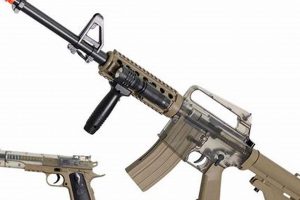
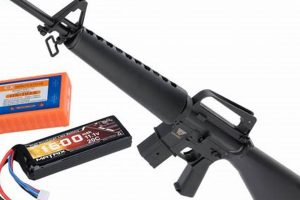
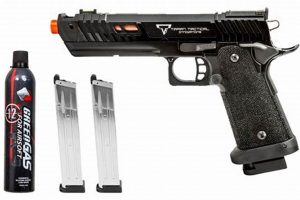
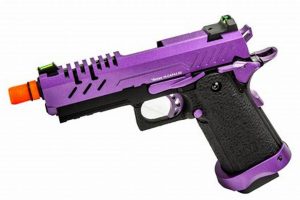
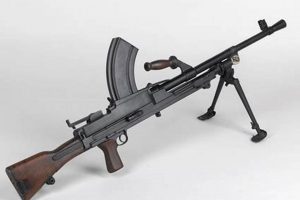
The legality of discharging an airsoft replica on private property hinges on a variety of factors, primarily local regulations and safety considerations. These regulations often address noise ordinances, projectile containment, and the potential for the replica to be mistaken for a real firearm, leading to public alarm. The specific rules can vary significantly between municipalities, counties, and even homeowner associations.
Understanding these regulations is crucial to avoid legal repercussions and to maintain neighborhood safety. Discharging an airsoft replica without considering local laws can result in fines, confiscation of the replica, or, in more severe cases, criminal charges. Historically, the increasing realism of airsoft replicas has prompted stricter controls to prevent misuse and accidental escalation of situations involving law enforcement.
Therefore, determining whether the discharge of an airsoft device is permissible requires a thorough understanding of applicable laws, a review of any relevant property covenants, and the implementation of responsible safety measures. The following sections will delve deeper into these aspects, providing a detailed examination of the legal landscape, safety precautions, and best practices for responsible airsoft replica usage.
Guidelines for Airsoft Replica Usage on Private Land
Responsible and lawful use of airsoft replicas requires careful consideration of several key factors. Prioritizing safety and adhering to all applicable regulations is paramount.
Tip 1: Conduct Thorough Legal Research: Before engaging in any airsoft activities, consult local ordinances, county regulations, and state laws pertaining to airsoft replicas. This includes understanding noise ordinances, restrictions on projectile discharge, and regulations regarding replica appearance.
Tip 2: Obtain Explicit Permission: If the property is not owned outright, secure written consent from the landowner or property manager. Verbal agreements are often insufficient in the event of a dispute or legal inquiry.
Tip 3: Establish a Secure Perimeter: Ensure a physical barrier or buffer zone exists to prevent projectiles from leaving the property. This may involve netting, fencing, or natural barriers like dense vegetation.
Tip 4: Mandate Protective Gear: Require all participants to wear appropriate safety gear, including eye protection, face masks, and potentially body armor. Strict enforcement of safety equipment usage is crucial.
Tip 5: Inform Neighbors: Communicate with neighbors regarding the intent to use airsoft replicas. Providing advance notice can mitigate concerns and prevent misunderstandings or unwarranted calls to law enforcement.
Tip 6: Restrict Replica Visibility: Transport airsoft replicas in cases or bags to avoid alarming the public. Never openly display or brandish replicas in a manner that could be perceived as threatening or intimidating.
Tip 7: Limit Activity to Daylight Hours: Avoid using airsoft replicas during nighttime hours. The darkness increases the risk of accidents and misidentification by law enforcement.
Following these guidelines minimizes legal risks, promotes safety, and fosters positive community relations when engaging in airsoft activities on private land.
By adhering to these responsible practices, individuals can enjoy the sport of airsoft while upholding legal and ethical standards.
1. Local Ordinances

Local ordinances directly govern the permissibility of discharging an airsoft replica within a specific jurisdiction. These regulations, enacted at the municipal or county level, address public safety, noise levels, and the potential for public alarm, impacting the legality of airsoft activities on private property.
- Noise Restrictions
Many municipalities have noise ordinances that limit the decibel levels permissible at certain times of day. The discharge of an airsoft replica, while not as loud as a firearm, can still violate these ordinances, especially in densely populated residential areas. A repeated or sustained sound, even of moderate volume, may constitute a noise violation, leading to fines or other penalties.
- Discharge Regulations
Some local ordinances prohibit the discharge of any projectile, regardless of its nature or potential for harm, within city limits or specific zones. This can include airsoft replicas, BB guns, and even slingshots. Such ordinances often aim to prevent property damage, personal injury, and the misinterpretation of these devices as real firearms by the public or law enforcement.
- Replica Firearm Laws
Local regulations may specifically address replica firearms, including airsoft replicas. These laws can regulate the appearance of the replica, requiring it to have specific markings or coloring to distinguish it from a real firearm. Additionally, the open carry or display of a replica firearm may be prohibited, even on private property if visible from public spaces.
- Zoning Regulations
Zoning ordinances dictate the types of activities permitted in different areas of a municipality. Certain residential zones may prohibit activities that could be considered a nuisance or pose a potential safety risk, which could extend to the discharge of airsoft replicas. Understanding the zoning designation of the property is therefore crucial.
The interaction of these local ordinances directly influences whether the discharge of an airsoft replica is permissible. While private property ownership grants certain rights, these rights are not absolute and are subject to reasonable restrictions designed to protect public safety and maintain community standards. A thorough review of local ordinances is therefore essential before engaging in airsoft activities to ensure compliance and avoid potential legal repercussions.
2. Property Restrictions

Property restrictions directly impact the permissibility of discharging an airsoft replica, often overriding assumptions based solely on private property ownership. These restrictions, typically established through homeowner association (HOA) covenants, deed restrictions, or lease agreements, define acceptable land usage. A covenant expressly forbidding the discharge of projectiles, regardless of their potential for harm, prohibits airsoft activities, irrespective of compliance with municipal ordinances.
The influence of property restrictions extends beyond outright prohibitions. For example, HOA regulations might impose specific requirements regarding the type of fencing necessary to contain projectiles, the hours during which airsoft activities are allowed, or the permissible noise levels. Non-compliance with these restrictions can result in warnings, fines, or even legal action by the HOA or neighboring property owners. Lease agreements may contain similar clauses, effectively preventing airsoft activities for renters, even if local laws are otherwise permissive. Therefore, a thorough review of all applicable property restrictions is crucial before engaging in airsoft on private land.
Understanding property restrictions is paramount in determining the legality of airsoft activities. Even in the absence of explicit prohibitions, the potential for creating a nuisance, disturbing the peace, or violating implied covenants can lead to legal challenges. Property restrictions act as a layer of regulation above and beyond municipal ordinances, ultimately determining the boundaries of acceptable conduct on privately held land. Ignoring such restrictions carries significant risk, potentially leading to costly legal disputes and strained relationships with neighbors or property management entities.
3. Safety Measures
The employment of rigorous safety measures constitutes an indispensable element when evaluating the permissibility of discharging an airsoft replica on private property. These measures directly mitigate potential risks associated with airsoft activities, ensuring the well-being of participants, bystanders, and the surrounding environment. Without comprehensive safety protocols, the discharge of an airsoft replica, even on private land, can pose unacceptable hazards.
- Mandatory Eye Protection
Eye protection is non-negotiable in airsoft activities. The high-velocity projectiles discharged by airsoft replicas can cause severe and permanent eye damage. All participants, including spectators within the designated area, must wear full-seal goggles or a mask specifically designed for airsoft. Standard safety glasses are insufficient. Failure to enforce mandatory eye protection constitutes a critical safety breach and significantly elevates the risk of injury.
- Established Perimeter Control
A clearly defined and secure perimeter is essential to prevent projectiles from leaving the designated airsoft area. This can involve physical barriers such as netting, fencing, or natural obstructions like dense vegetation. The perimeter must be regularly inspected for breaches or weaknesses. Furthermore, warning signs should be posted to alert individuals outside the perimeter of ongoing airsoft activities. Inadequate perimeter control increases the likelihood of unintended projectile impact, potentially causing property damage or injury to unsuspecting individuals.
- Velocity Limits and Replica Maintenance
Airsoft replicas should adhere to established velocity limits to minimize the potential for injury. Chronograph testing, which measures the projectile speed, should be conducted regularly to ensure compliance. Moreover, proper maintenance of the replicas is crucial to prevent malfunctions that could result in uncontrolled projectile discharge or increased velocity. Neglecting velocity limits and replica maintenance compromises safety and increases the risk of serious injury.
- Rules of Engagement and Responsible Conduct
Clear rules of engagement are necessary to govern conduct during airsoft activities. These rules should address issues such as minimum engagement distances, prohibited target areas (e.g., headshots at close range), and procedures for calling ceasefires. Participants must be thoroughly briefed on these rules and held accountable for their adherence. Responsible conduct, including respect for property and consideration for neighbors, is also paramount. A lack of clear rules and responsible behavior can lead to avoidable accidents and conflicts.
The effective implementation of these safety measures significantly reduces the risks associated with airsoft activities on private property. Compliance with these protocols, in conjunction with adherence to local ordinances and property restrictions, creates a safer environment for all involved. Conversely, neglecting these safety precautions increases the likelihood of accidents, injuries, and potential legal liabilities, thereby directly impacting the permissibility of safely discharging an airsoft replica.
4. Liability Concerns

The question of discharging an airsoft replica on private property is intrinsically linked to liability concerns. Any action resulting in injury or property damage carries the potential for legal recourse. If an airsoft projectile leaves the confines of the property and causes harm, the property owner or the individual discharging the replica can be held liable. This liability can extend to medical expenses, lost wages, and compensation for pain and suffering. For instance, if a projectile strikes a passerby, even unintentionally, the injured party may pursue legal action against those responsible. The existence of homeowner’s insurance may provide a degree of protection, but coverage is not guaranteed, particularly if the activity is deemed negligent or in violation of local ordinances or property restrictions.
The importance of understanding liability concerns stems from the potential for significant financial burdens and legal ramifications. A lack of awareness or disregard for safety protocols can amplify the risk of accidents and increase the likelihood of successful legal claims. Consider a scenario where inadequate eye protection leads to an eye injury during an airsoft game. The injured party could file a lawsuit seeking compensation for medical bills, rehabilitation costs, and long-term vision impairment. Even if no physical injury occurs, property damage caused by an errant projectile, such as a broken window, can lead to legal disputes and financial responsibility for repairs. The cost of defending against a liability claim, regardless of its merit, can be substantial.
In summary, liability concerns represent a critical component when assessing the permissibility of using an airsoft device on private land. Adequate insurance coverage, adherence to stringent safety measures, and strict compliance with all applicable laws and property restrictions are essential to mitigate potential legal risks. Failure to address these concerns can result in significant financial exposure and legal penalties, underscoring the importance of responsible planning and execution when engaging in airsoft activities. The presence of liability directly determines if an action “can” or “cannot” be executed due to risk and consequences.
5. Neighbor Notification

Neighbor notification plays a crucial role in determining the feasibility and social acceptability of discharging an airsoft replica on private property. It transcends mere courtesy, directly impacting community relations and mitigating potential legal or interpersonal conflicts. The absence of proper notification can lead to misunderstandings, unwarranted alarm, and escalated disputes, ultimately affecting the sustainability of airsoft activities.
- Mitigation of Public Alarm
The discharge of an airsoft replica, particularly if the replica closely resembles a real firearm, can understandably cause concern among neighbors who are unaware of the activity. Without prior notification, individuals may misinterpret the sounds or visual presence of the replica, leading to calls to law enforcement, heightened anxiety, and a disruption of the peace. Informing neighbors beforehand allows them to understand the nature of the activity, alleviating concerns and preventing unnecessary alarm.
- Prevention of Misunderstandings and Disputes
Even if the activity is conducted safely and legally, the lack of neighbor notification can breed resentment and animosity. Neighbors may perceive the activity as disruptive, intrusive, or disrespectful, leading to strained relationships and potential conflicts over property lines, noise levels, or perceived safety risks. Open communication and proactive notification can foster a spirit of cooperation and prevent misunderstandings from escalating into formal complaints or legal actions.
- Adherence to Community Standards and Norms
Neighbor notification often aligns with established community standards and norms of responsible behavior. Many neighborhoods expect residents to be considerate of their neighbors’ peace and quiet, and to provide advance notice of activities that may cause temporary disruptions or raise concerns. By notifying neighbors, individuals demonstrate a commitment to upholding these community values and fostering a positive living environment. This proactive approach can build goodwill and enhance social harmony.
- Potential Legal Ramifications
While not always legally mandated, a failure to notify neighbors may, in some cases, contribute to a finding of negligence if an accident occurs. If an errant projectile causes injury or damage, and the individual failed to provide any prior warning to neighbors, this omission may be considered evidence of a lack of reasonable care. Although neighbor notification alone does not guarantee immunity from liability, it can demonstrate a good-faith effort to minimize risks and protect the well-being of others.
In summary, neighbor notification serves as a critical bridge between the individual’s right to enjoy their private property and the community’s interest in maintaining peace, safety, and harmonious relations. While the specific method and content of notification may vary depending on the circumstances, the underlying principle of open communication and mutual respect remains paramount. It is a vital component in determining whether “discharging an airsoft replica” is a tenable and socially responsible action.
6. Federal Regulations
Federal regulations exert a limited, but significant, influence on the question of whether an airsoft device can be discharged on private property. While federal law does not directly prohibit the act of discharging an airsoft device on private land, it establishes certain requirements concerning the device itself, impacting its sale, import, and marking. The most relevant federal regulation pertains to the appearance of airsoft devices, requiring them to have a blaze orange marking of at least six millimeters affixed to the muzzle. This marking aims to distinguish airsoft devices from actual firearms, reducing the risk of misidentification by law enforcement and the public. The absence of this marking can lead to confiscation of the device and potential legal penalties, even if the discharge occurs on private property.
Furthermore, federal law regulates the interstate transportation of airsoft devices. While individuals may legally possess and discharge an airsoft replica within a particular state, transporting the device across state lines may be subject to specific regulations. Some states may require the device to be transported in a locked case or container, unloaded, and separate from ammunition. Failure to comply with these transportation regulations can result in legal repercussions, even if the individual intends to use the device solely on private property. It is therefore essential to research the laws of both the origin and destination states before transporting an airsoft device across state lines. The regulation of imports also plays a role, ensuring that imported airsoft devices adhere to federal marking requirements. A failure to comply with import regulations can lead to the seizure of the devices by customs officials.
In conclusion, while federal regulations do not directly address the act of discharging an airsoft replica on private property, they influence the characteristics of the device itself and its transportation across state lines. Compliance with these federal requirements is essential to avoid legal penalties and ensure the lawful ownership and use of the airsoft device, regardless of the location of its discharge. Understanding the interplay between federal regulations, state laws, and local ordinances is crucial for responsible airsoft enthusiasts. It is vital to note that failure to understand and comply with all applicable regulations can lead to legal issues even if the discharge occurs on private property.
Frequently Asked Questions
The following questions address common inquiries concerning the lawful and responsible discharge of airsoft replicas on private property. These responses are intended to provide general guidance and should not substitute professional legal advice.
Question 1: Does private property ownership inherently grant the right to discharge an airsoft replica?
No. Private property ownership does not automatically supersede local ordinances, property restrictions, or safety regulations. Compliance with all applicable laws and guidelines is essential.
Question 2: What are the potential legal consequences of violating local ordinances related to airsoft replica discharge?
Violations may result in fines, confiscation of the airsoft replica, and in some instances, criminal charges depending on the severity of the infraction and local legal provisions.
Question 3: What constitutes adequate eye protection for airsoft activities?
Adequate eye protection consists of full-seal goggles or a mask specifically designed for airsoft, meeting ANSI Z87.1 standards or equivalent. Standard safety glasses typically do not provide sufficient protection.
Question 4: Is it permissible to transport an airsoft replica across state lines without adhering to specific regulations?
No. Federal and state laws govern the interstate transportation of airsoft replicas. The replica must be transported in a locked case, unloaded, and separate from ammunition to ensure compliance.
Question 5: How does homeowner’s insurance affect liability in the event of an airsoft-related accident?
Homeowner’s insurance may provide coverage for accidental injuries or property damage; however, coverage is contingent upon the specific policy terms and may be denied if the activity is deemed negligent or violates local regulations or property restrictions.
Question 6: Is neighbor notification a legal requirement for discharging an airsoft replica on private property?
While not always legally mandated, neighbor notification represents a prudent practice that can mitigate disputes and potential legal ramifications. Transparency and open communication are paramount when engaging in activities that may impact neighboring properties.
These FAQs highlight critical considerations for ensuring lawful and responsible airsoft replica usage on private property. Adhering to these guidelines minimizes potential legal risks and promotes a safe environment.
The following section will summarize the key takeaways from this discussion and offer final recommendations for responsible airsoft practices.
Conclusion
The exploration of the permissibility of “can i shoot an airsoft gun in my backyard” reveals a multifaceted issue governed by a complex interplay of local ordinances, property restrictions, safety measures, liability concerns, federal regulations, and the critical element of neighbor notification. A definitive “yes” or “no” answer is seldom attainable without a thorough investigation of these factors specific to the location and circumstances in question. Ignoring any of these aspects can lead to legal repercussions, strained community relations, and potential safety hazards.
Responsible airsoft enthusiasts must prioritize comprehensive research and adhere to all applicable rules, demonstrating a commitment to safety and respect for community standards. The burden rests on the individual to ensure full compliance, fostering an environment where responsible recreation and community well-being coexist. Therefore, prior to any action, a complete understanding of the legal landscape and responsible practices is not just recommended, it is imperative.