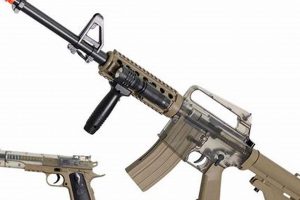
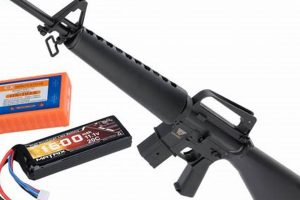
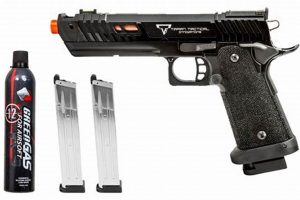
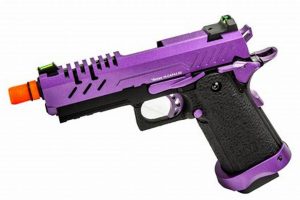
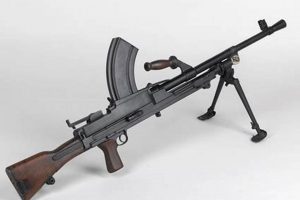
These specialized recreational devices are individually assembled or modified projectile weapons designed to fire spherical plastic projectiles. Often, the base components are augmented with aftermarket parts or unique fabrications to enhance performance, aesthetics, or ergonomics. Examples include upgrading internal mechanisms for increased velocity, altering external shells for improved realism, or integrating electronic components for advanced functionality.
The appeal of these individually crafted items lies in the potential for superior performance compared to commercially produced equivalents. This approach enables users to tailor the device to specific play styles, field conditions, or personal preferences. Historically, the practice evolved from simple modifications to readily available models to the sophisticated engineering of bespoke configurations seen today, driven by both technological advancements and a desire for competitive advantage.
The subsequent sections will delve into the various aspects involved in constructing these personalized devices. This includes a detailed examination of component selection, assembly techniques, performance optimization strategies, and considerations for regulatory compliance and safe handling practices.
Custom Built Airsoft Guns
Achieving optimal performance and reliability in custom airsoft devices requires meticulous attention to detail during the assembly process and a comprehensive understanding of component compatibility.
Tip 1: Component Compatibility Assessment: Prior to any assembly, a thorough evaluation of component compatibility is crucial. Mismatched gear ratios, cylinder volumes, or nozzle lengths can severely impact performance and lead to premature component failure. Consult technical specifications and user forums to verify compatibility.
Tip 2: Precision Assembly Techniques: Employ precision assembly techniques, utilizing appropriate tools and adhering to manufacturer specifications regarding torque values. Over-tightening screws or improperly seating components can result in irreversible damage and performance degradation.
Tip 3: Air Seal Optimization: Ensure an optimal air seal throughout the system. Apply appropriate lubricants to O-rings and cylinder heads to minimize air leakage. Invest in high-quality O-rings designed for airsoft applications to maximize sealing effectiveness.
Tip 4: Gearbox Shimming: Proper gearbox shimming is essential for smooth and efficient operation. Incorrect shimming can lead to excessive wear and tear on gears and bearings, reducing lifespan and performance. Utilize shims of varying thicknesses to achieve optimal gear alignment.
Tip 5: Hop-Up Unit Calibration: The hop-up unit plays a critical role in projectile trajectory and range. Calibrate the hop-up unit according to the weight of the BBs being used. Experiment with different hop-up rubbers and buckings to find the optimal combination for desired performance.
Tip 6: Consistent Lubrication: Regular lubrication of internal components is vital for maintaining performance and preventing premature wear. Use high-quality silicone-based lubricants specifically designed for airsoft applications. Avoid over-lubrication, as this can attract dirt and debris.
Tip 7: Performance Testing and Adjustment: After assembly, conduct thorough performance testing to identify any areas for improvement. Use a chronograph to measure velocity and consistency. Make incremental adjustments to component settings to optimize performance.
Adherence to these guidelines will contribute significantly to the creation of reliable and high-performing custom airsoft devices.
The subsequent article sections will address troubleshooting techniques and advanced performance optimization strategies.
1. Performance Enhancement

The core rationale behind constructing individualized airsoft devices often resides in the pursuit of performance enhancement beyond the capabilities of commercially available models. The ability to selectively upgrade or replace individual components allows for targeted improvements in critical areas such as range, accuracy, rate of fire, and trigger response. This focused approach enables users to address specific shortcomings or optimize the device for particular playing styles and field conditions.
Consider the example of a player prioritizing long-range engagements. A standard airsoft rifle may lack the precision necessary for consistent hits at extended distances. Through the integration of a precision inner barrel, a high-quality hop-up unit, and a more powerful motor, the device can be significantly enhanced to deliver improved accuracy and effective range. Similarly, for players engaging in close-quarters combat, modifications such as a faster motor, a high-speed gear set, and a sensitive trigger system can yield a drastically improved rate of fire and trigger response, providing a competitive advantage. These modifications offer immediate impacts on in-game performance.
The pursuit of performance enhancements necessitates a thorough understanding of the interplay between various components and their impact on overall system functionality. Furthermore, ethical considerations and adherence to field-specific velocity limits are paramount when implementing performance-enhancing modifications. Ignoring these constraints risks compromising the safety of oneself and others while potentially violating established rules of engagement.
2. Component Compatibility
Within the realm of customized airsoft devices, component compatibility represents a critical determinant of performance, reliability, and ultimately, the operational lifespan of the assembly. The integration of disparate components, often sourced from various manufacturers and designed to differing specifications, introduces the potential for mechanical incompatibility, electrical impedance mismatches, and functional conflicts. A failure to adequately address these considerations can result in suboptimal performance, premature component failure, and potentially, catastrophic system damage. The correlation is direct: inappropriate component selection, stemming from a lack of due diligence regarding compatibility, inevitably precipitates operational deficiencies and financial loss for the assembler.
A pertinent example of this principle can be observed in the selection of internal gearing within the gearbox assembly. The utilization of gear sets with incompatible ratios, material compositions, or tooth profiles can induce excessive wear and tear, leading to rapid degradation of the gearing and a subsequent reduction in the device’s rate of fire and overall power output. Similarly, the combination of an underpowered motor with a high-tension mainspring can result in motor burnout and the inability to cycle the gearbox effectively. The selection of incompatible inner barrels and hop-up units can also dramatically impact accuracy and range. This extends to electronic components where incorrect voltage or amperage compatibility can lead to component failure or even pose a safety risk.
In summation, component compatibility is not merely a desirable attribute but rather an indispensable prerequisite for the successful construction and operation of customized airsoft devices. A comprehensive understanding of component specifications, electrical properties, and mechanical tolerances, coupled with rigorous testing and validation, is essential to mitigate the risks associated with incompatibility. Thorough research, consultation with experienced builders, and adherence to established best practices are crucial for realizing the full potential of customized airsoft devices while safeguarding against potentially costly and dangerous consequences.
3. Assembly Precision
Assembly precision, in the context of customized airsoft devices, is paramount for achieving optimal performance, reliability, and safety. Deviations from prescribed tolerances and procedures during assembly can introduce mechanical stresses, compromise air seals, and disrupt the intended operational parameters of the system. The repercussions of imprecise assembly range from diminished performance to catastrophic component failure.
- Gearbox Assembly and Shimming
The gearbox, the central mechanism of many airsoft devices, necessitates meticulous assembly and shimming. Improper gear shimming, the precise adjustment of gear spacing using shims, can lead to excessive friction, increased wear, and eventual gear failure. This process demands specialized knowledge and tools to ensure optimal gear mesh and minimize stress on the motor and other components. Incorrect shimming can manifest as decreased rate of fire, increased noise, and premature mechanical breakdown.
- Air Seal Integrity
Maintaining a consistent and airtight seal between critical components, such as the piston head, cylinder, nozzle, and hop-up unit, is essential for maximizing power and efficiency. Imperfect seals result in air leakage, reducing the velocity of the projectile and compromising accuracy. Achieving optimal air seal requires careful component selection, precise alignment, and the application of appropriate lubricants. Errors during assembly can lead to inconsistent power output and diminished range.
- Electrical Connections and Wiring
In electrically powered airsoft devices, secure and properly insulated electrical connections are crucial for reliable operation. Poorly executed wiring can result in intermittent power delivery, short circuits, and damage to electronic components such as MOSFETs and electronic trigger units. Precise soldering techniques and proper wire management are essential to ensure consistent performance and prevent electrical failures. Inadequate connections can cause misfires, reduced battery life, and potentially, irreversible damage to the electronic system.
- Hop-Up Unit Installation and Adjustment
The hop-up unit imparts backspin to the projectile, extending its range and improving accuracy. Precise installation and adjustment of the hop-up unit are critical for achieving optimal performance. Misalignment or improper adjustment can result in erratic trajectory, reduced range, and inconsistent accuracy. Calibration of the hop-up unit requires careful consideration of projectile weight and desired range, demanding a thorough understanding of its operating principles.
The aforementioned aspects highlight the critical role of assembly precision in the successful construction and operation of customized airsoft devices. Adherence to established best practices, utilization of appropriate tools, and a thorough understanding of component interactions are essential for achieving optimal performance, reliability, and longevity. Failure to prioritize assembly precision can negate the benefits of high-quality components and ultimately compromise the overall effectiveness of the device.
4. Durability Enhancement

Durability enhancement in custom airsoft devices centers on augmenting the operational lifespan and resilience of components subjected to repetitive stress, impact, and environmental factors. These modifications aim to mitigate wear, prevent breakage, and extend the period of reliable functionality, a critical consideration given the rigorous demands of simulated combat scenarios.
- Reinforced Internal Components
Replacing stock internal components, such as gears, pistons, and springs, with reinforced variants constructed from high-strength materials significantly increases the device’s ability to withstand the cyclical stresses inherent in operation. For instance, steel gears offer superior resistance to wear compared to their zinc alloy counterparts. Similarly, reinforced pistons with metal teeth are less prone to stripping under high spring tension. This translates directly into reduced maintenance frequency and prolonged operational readiness.
- Impact-Resistant External Shells
The external shell of an airsoft device is vulnerable to impacts from BBs, falls, and collisions with obstacles. Upgrading to a shell constructed from high-impact polymers or reinforced composites enhances its ability to absorb and dissipate energy, minimizing the risk of cracks or fractures. Examples include replacing standard ABS plastic receivers with fiberglass-reinforced nylon or metal alloy alternatives. This approach preserves the aesthetic integrity and functionality of the device under demanding conditions.
- Protective Coatings and Finishes
The application of specialized coatings and finishes provides a protective barrier against corrosion, abrasion, and environmental degradation. Cerakote, a ceramic-based coating, offers exceptional resistance to wear, chemicals, and UV radiation, prolonging the lifespan of both internal and external components. Anodizing aluminum parts creates a durable oxide layer that prevents corrosion and enhances surface hardness. These treatments maintain the device’s appearance and functional integrity over extended periods of use.
- Enhanced Fasteners and Hardware
Replacing stock screws, pins, and other fasteners with higher-grade stainless steel or alloy variants mitigates the risk of stripping, bending, or breaking under stress. Upgrading to fasteners with increased tensile strength ensures secure component retention and prevents loosening due to vibration or impact. This seemingly minor modification contributes significantly to the overall structural integrity and reliability of the device, reducing the likelihood of mid-game failures.
These durability enhancements collectively contribute to a more robust and reliable airsoft device, capable of withstanding the stresses of regular use and minimizing the need for frequent repairs or replacements. The investment in these upgrades translates directly into a longer service life and improved performance consistency, making it a worthwhile consideration for serious airsoft enthusiasts. The benefits extend beyond mere longevity, impacting user confidence and overall satisfaction with the device.
5. Custom Aesthetics

Within the domain of individually configured airsoft devices, visual modification represents a significant area of focus. Beyond performance enhancements, altering the external appearance allows users to express individuality, replicate real-world firearms, or create unique designs. This facet encompasses a broad range of modifications, from simple color alterations to complex fabrication of custom components.
- Color Modification and Camouflage Patterns
The application of custom paint schemes and camouflage patterns is a prevalent method of altering the appearance of airsoft devices. Cerakote, hydro dipping, and spray painting are commonly employed to achieve desired color palettes and camouflage effectiveness. Replicating authentic military camouflage patterns or creating original designs allows users to tailor the device to specific environments or personal preferences. This can range from mimicking a standard-issue M4 to creating a post-apocalyptic aesthetic.
- External Component Replacement and Modification
Replacing or modifying external components, such as handguards, stocks, and sights, provides significant opportunities for aesthetic customization. Aftermarket manufacturers offer a wide array of components designed to replicate real-world firearm accessories or create unique configurations. Examples include replacing a standard M4 handguard with a KeyMod or M-LOK rail system, or swapping a fixed stock for an adjustable crane stock. Modifying existing components through cutting, shaping, or adding attachments further enhances the level of personalization.
- Laser Engraving and Custom Markings
Laser engraving allows for the precise etching of logos, text, or intricate designs onto the surface of airsoft devices. This technique enables users to add personalized markings, replicate manufacturer markings, or create unique visual elements. Laser engraving can be applied to metal, polymer, and wood components, providing a versatile method of customization. The addition of custom serial numbers or unit markings further enhances the realism and individuality of the device.
- Replica Accessories and Attachments
The integration of replica accessories and attachments, such as weapon lights, lasers, and optical sights, contributes to the aesthetic realism and tactical functionality of custom airsoft devices. These accessories often mimic the appearance and operation of real-world counterparts, enhancing the overall visual fidelity. While many of these accessories are non-functional replicas, they contribute significantly to the overall aesthetic and allow users to create accurate representations of specific firearms configurations.
The pursuit of distinct visual modifications allows owners to personalize their equipment beyond mere functionality. While performance modifications provide a competitive edge, altering the aesthetics allows for self-expression and the creation of a unique visual signature on the airsoft field. This emphasis on individual style is a driving force behind many custom builds, transforming a functional tool into a personalized piece of equipment.
6. Ergonomic Optimization

Ergonomic optimization, in the context of individually configured airsoft devices, addresses the crucial interplay between the device and the user, focusing on comfort, control, and operational efficiency. Deviations from optimal ergonomic design can lead to diminished performance, increased fatigue, and a higher risk of injury. Customization offers the unique opportunity to tailor the device to individual physical characteristics and operational preferences, mitigating these risks.
- Grip Customization and Optimization
The grip represents the primary interface between the user and the device. Custom grips, available in various sizes, shapes, and textures, allow users to achieve a secure and comfortable hold, optimizing control and reducing hand fatigue. Examples include replacing a standard A2 grip with a more contoured and textured pistol grip, or adding ergonomic foregrips to improve stability during sustained fire. This customization ensures secure handling and reduces muscle strain during prolonged use.
- Stock Adjustability and Configuration
Adjustable stocks allow users to modify the length of pull and cheek weld to accommodate different body sizes and shooting styles. Collapsible stocks, adjustable cheek rests, and recoil pads enhance comfort and stability, improving accuracy and reducing felt recoil. Examples include replacing a fixed stock with a collapsible M4-style stock, or adding a cheek riser to improve eye alignment with optical sights. This adjustability contributes to a more natural and comfortable shooting posture, enhancing overall performance.
- Trigger Modifications and Enhancement
Custom triggers, trigger guards, and trigger pull modifications offer opportunities to optimize trigger response and reduce finger fatigue. Replacing a stock trigger with a flat-faced or adjustable trigger can improve tactile feedback and reduce travel distance. Enlarged trigger guards accommodate gloved hands, enhancing accessibility in colder environments. These modifications can significantly improve trigger control and reduce the likelihood of accidental discharges, leading to more precise and consistent shot placement.
- Weight Distribution and Balance Optimization
Optimizing the weight distribution and balance of an airsoft device improves maneuverability and reduces fatigue during extended use. Adding or removing weight from specific areas, such as the front or rear of the device, can shift the center of gravity and improve handling characteristics. Examples include using lightweight handguards or stocks, or adding weights to the stock to counterbalance a heavy front-mounted optic. This weight optimization results in a more balanced and comfortable device, reducing strain on the arms and shoulders during prolonged operation.
The ergonomic optimization of custom airsoft devices, therefore, is not merely a matter of personal preference, but a strategic consideration that directly impacts performance, comfort, and safety. By tailoring the device to individual needs and physical attributes, users can maximize their effectiveness on the field and minimize the risk of fatigue or injury. The integration of ergonomic enhancements represents a significant advantage in competitive scenarios, allowing for improved control, accuracy, and sustained operational capability.
7. Regulatory Compliance
The construction and ownership of individually assembled projectile weapons designed for recreational use are subject to a complex framework of legal regulations that vary significantly by jurisdiction. Regulatory compliance, therefore, constitutes a fundamental consideration in the creation and possession of custom-built devices. Failure to adhere to applicable laws can result in severe legal repercussions, including fines, confiscation of equipment, and potential criminal charges. The inherent adaptability of these custom-built devices necessitates diligent attention to ensure adherence to all applicable rules.
Key regulatory concerns include, but are not limited to, velocity limits, marking requirements, and restrictions on certain modifications. Many jurisdictions impose restrictions on the maximum velocity of projectiles, measured in feet per second (FPS), to mitigate the risk of injury. Modifications that increase velocity beyond legal limits are strictly prohibited. Furthermore, regulations often mandate specific markings to distinguish them from real firearms. The absence of such markings can lead to confusion and potential misidentification by law enforcement. Moreover, certain modifications, such as the removal or alteration of safety features, may be illegal, regardless of their impact on performance. For example, in some regions, it is unlawful to possess a device that has been modified to resemble a fully automatic weapon, even if it is incapable of fully automatic fire.
In conclusion, regulatory compliance is not a peripheral concern but an integral component of the custom-built device hobby. Due diligence in researching and adhering to all applicable regulations is essential to ensure legal ownership and operation. A lack of awareness or disregard for these regulations carries significant risks and undermines the responsible practice of this recreational activity. Consult with legal experts or relevant authorities to guarantee full adherence to all applicable laws and regulations in your jurisdiction.
Frequently Asked Questions
This section addresses common inquiries and misconceptions surrounding individually assembled projectile weapons used in recreational simulation activities. The information provided is intended for informational purposes only and does not constitute legal advice.
Question 1: What advantages are conferred by custom-built devices compared to commercially manufactured alternatives?
Custom configurations provide tailored performance characteristics optimized for specific playing styles or field conditions. Components can be selected to enhance range, accuracy, rate of fire, or durability beyond the capabilities of standard models. Furthermore, individual aesthetic preferences can be accommodated through custom paint schemes and component modifications.
Question 2: What are the primary risks associated with constructing custom configurations?
Improper assembly, component incompatibility, and failure to adhere to safety protocols represent significant risks. Inexperienced assemblers may inadvertently compromise the structural integrity of the device, leading to malfunctions or potential injury. Additionally, modifications that increase projectile velocity beyond legal limits are strictly prohibited and can result in legal repercussions.
Question 3: How is compatibility determined between disparate components from various manufacturers?
Component compatibility is assessed through a careful review of technical specifications, dimensional tolerances, and user reviews. Compatibility charts and online forums dedicated to the hobby provide valuable insights into the compatibility of various components. Trial and error testing may be necessary to confirm compatibility in certain instances.
Question 4: What tools and equipment are essential for successful assembly?
Essential tools include a precision screwdriver set, pliers, hex wrenches, a chronograph for measuring projectile velocity, and appropriate safety gear, such as eye protection and gloves. Specialized tools, such as gearbox presses and spring compressors, may be required for certain tasks.
Question 5: What legal considerations must be addressed prior to constructing a custom device?
Compliance with all applicable federal, state, and local regulations is paramount. This includes adherence to velocity limits, marking requirements, and restrictions on certain modifications. It is the responsibility of the owner to ensure that the device is compliant with all applicable laws in their jurisdiction.
Question 6: How can the long-term reliability of a custom configuration be ensured?
Regular maintenance, proper lubrication, and periodic inspection of internal components are essential for ensuring long-term reliability. Replacing worn or damaged components promptly prevents further damage and extends the operational lifespan of the device. Storing the device in a cool, dry environment minimizes the risk of corrosion and degradation.
The information provided in this section serves as a general overview of common concerns. Consult with experienced builders and legal professionals for specific guidance related to your individual circumstances.
The subsequent article sections will delve into advanced troubleshooting techniques and performance optimization strategies.
Custom Built Airsoft Guns
The preceding analysis has elucidated the multifaceted nature of crafting personalized recreational projectile devices. From the initial considerations of component compatibility and performance optimization, through the meticulous processes of assembly and aesthetic modification, to the paramount importance of regulatory adherence, each facet contributes to the final product. This pursuit extends beyond mere recreational activity, often demanding a sophisticated understanding of mechanical principles, material properties, and legal frameworks.
The continued prevalence and evolution of custom built airsoft guns underscores a deep-seated desire for personalization and performance enhancement within the recreational activity. As technology advances and regulatory landscapes shift, a commitment to informed decision-making and responsible practices remains essential. Further study of these devices, their impact, and best practices is recommended for both enthusiasts and the wider community.