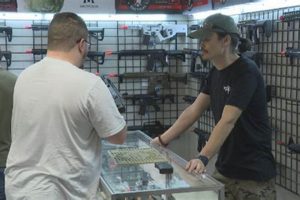
This activity is a recreational shooting sport where participants eliminate opponents by hitting them with spherical plastic projectiles launched from airsoft guns. These guns are designed to resemble real firearms, but typically fire projectiles at lower velocities, making them suitable for simulated combat scenarios.
The appeal of this pastime lies in its blend of strategic gameplay, teamwork, and realistic simulation. It offers a physical outlet, encourages tactical thinking, and fosters camaraderie among participants. Originating in Japan, the sport has grown globally, gaining popularity due to its controlled environment and emphasis on fair play.
A deeper exploration into equipment types, game modes, safety protocols, and community aspects will provide a more complete understanding of the sport. Further sections will detail gear necessities, variations in gameplay, crucial safety measures, and the social structure surrounding this engaging activity.
Strategic Guidance for Participation
Effective engagement requires a combination of tactical awareness, appropriate equipment, and adherence to safety regulations. The following guidance serves to enhance participant experience and ensure a safe and enjoyable environment.
Tip 1: Weapon Maintenance is Paramount. Regular cleaning and lubrication of the airsoft gun are essential. Neglecting maintenance can lead to decreased performance and potential malfunctions during gameplay. A well-maintained weapon ensures optimal functionality and reliability.
Tip 2: Prioritize Eye Protection. Full-seal goggles or a mask approved for airsoft use is non-negotiable. Eye injuries are a significant risk, and proper protection is the most effective preventative measure. Ensure the chosen eye protection meets safety standards.
Tip 3: Adapt Tactics to the Environment. Terrain dictates engagement strategies. Open fields require different approaches than close-quarters environments. Observation and adaptation are crucial for successful gameplay. Utilizing cover effectively maximizes survivability.
Tip 4: Communicate Effectively. Teamwork relies on clear and concise communication. Establishing a system of signals and callouts can greatly enhance coordination and situational awareness. Radios are often used to maintain contact across larger areas.
Tip 5: Understand the Rules of Engagement. Familiarize oneself with the specific rules of the playing field, including MED (Minimum Engagement Distance), FPS (Feet Per Second) limits, and prohibited actions. Adherence to these rules promotes fair play and prevents accidents.
Tip 6: Maintain Physical Fitness. The activity can be physically demanding, requiring running, crouching, and navigating varied terrain. A reasonable level of fitness enhances endurance and agility, contributing to overall performance.
Tip 7: Invest in Quality Gear. While budget-friendly options exist, investing in durable and reliable gear, such as tactical vests, boots, and clothing, offers long-term benefits. Quality equipment withstands the rigors of gameplay and provides enhanced comfort and protection.
By implementing these strategies, participants can maximize their effectiveness, safety, and overall enjoyment. Consistent application of these principles leads to improved tactical proficiency and a more immersive experience.
Consideration of these recommendations will be beneficial as this discussion progresses towards aspects of competitive play and community development.
1. Simulated Combat

Simulated combat is fundamental to the essence of this recreational activity, acting as the primary driver for participation and shaping its core mechanics. The use of realistic replica firearms and tactical scenarios directly contributes to the feeling of engagement in a simulated military or law enforcement operation. This immersive experience differentiates the sport from target shooting or other forms of recreational shooting, as it emphasizes strategic thinking, teamwork, and scenario-based problem-solving.
The effect of simulated combat extends beyond mere role-playing; it dictates equipment selection, training methodologies, and even field design. For instance, scenarios may replicate real-world tactical situations, requiring participants to employ specific tactics and strategies mirroring those used by military or law enforcement professionals. The emphasis on realism influences the development of specialized gear, such as tactical vests, communication systems, and specialized airsoft guns designed to replicate specific firearms functionalities. This realism, however, is balanced by a strict adherence to safety regulations and ethical conduct to minimize risk.
In summary, simulated combat represents the defining characteristic of this sport, shaping its gameplay, influencing equipment choices, and requiring a strong focus on tactical decision-making. Understanding this connection is crucial for appreciating the sport’s appeal and its focus on realistic, scenario-based engagements within a controlled environment. The challenge lies in maintaining this balance between realism and safety, continually adapting rules and equipment to minimize risk while preserving the immersive experience that defines the activity.
2. Realistic replicas
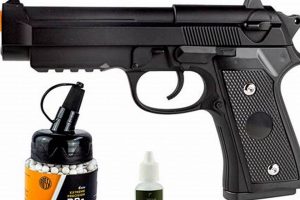
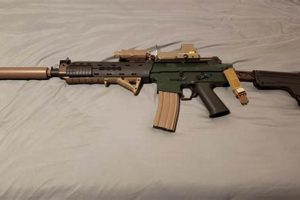
The use of realistic replicas is central to the sport. The accurate representation of real-world firearms contributes significantly to the immersive experience and strategic depth. These replicas serve as more than just props; they influence gameplay, equipment choices, and training methodologies.
- Enhancing Immersion
The visual and tactile similarity to actual firearms heightens the sense of realism during gameplay. This immersion is critical for engaging participants and motivating tactical thinking. The weight, dimensions, and operating mechanisms, even if not fully functional, contribute to the overall experience.
- Tactical Considerations
The selection of specific replica models often reflects a participant’s preferred role or tactical style. For example, a replica of a sniper rifle necessitates a different approach than a replica of a submachine gun. The characteristics of the replica directly influence loadout, tactics, and overall effectiveness on the field.
- Training and Skill Development
The use of realistic replicas can aid in the development of weapons handling skills transferable to other fields, such as firearms training or historical reenactment. While not directly equivalent, the manipulation of these replicas can instill an understanding of weapon mechanics and safe handling practices.
- Regulation and Safety
The realism of these replicas necessitates careful regulation and responsible handling. Laws vary by jurisdiction regarding ownership, transportation, and permissible modifications. Orange tips and other visual identifiers are often mandated to distinguish them from actual firearms, preventing confusion and ensuring public safety.
The appeal of realistic replicas lies in their ability to create a compelling and immersive experience. However, this appeal necessitates responsible ownership, adherence to regulations, and a strong emphasis on safety. This balance between realism and responsibility is essential for the long-term viability and social acceptance of the sport.
3. Team-based strategy

The efficacy of participants in this sport is fundamentally linked to team-based strategy. Success hinges not only on individual skill but also on the ability to coordinate actions, communicate effectively, and execute pre-planned tactics as a cohesive unit. The structure of this team dynamic is comparable to military units, requiring participants to adopt roles, follow leadership directives, and adapt to evolving battlefield conditions collectively. Examples of effective strategies include flanking maneuvers, coordinated assaults on fortified positions, and the use of diversionary tactics to create openings for teammates. The failure to implement effective teamwork frequently results in defeat, highlighting the integral role it plays in this activity.
Furthermore, the importance of team-based strategy extends to pre-game planning and post-game analysis. Teams often dedicate time to developing strategies tailored to specific maps or game modes, considering factors such as terrain, objective placement, and opposing team tendencies. Post-game debriefings allow teams to identify areas for improvement, refine tactics, and strengthen communication protocols. This iterative process is crucial for continuous development and enhanced competitiveness. The level of strategic depth can vary significantly, ranging from casual coordination among friends to highly organized and disciplined teams with dedicated leadership structures and specialized roles.
In conclusion, team-based strategy is an indispensable component of success in this sport. Its implementation dictates the flow of gameplay, influences individual roles, and shapes overall team performance. Understanding the principles of teamwork, communication, and tactical planning is paramount for participants seeking to achieve proficiency and derive maximum enjoyment from the activity. The reliance on coordinated action distinguishes it from purely individualistic pursuits, emphasizing the value of cooperation and collective effort.
4. Protective Equipment
The use of appropriate protective equipment is not merely a recommendation but a mandatory requirement within the framework of this sport. The inherent risk of projectile impact necessitates comprehensive measures to safeguard participants from potential injury. The following facets detail the specific types of protective gear, their essential functions, and their implications for safe participation.
- Eye Protection
Full-seal goggles or a face mask meeting ANSI Z87.1 or equivalent standards are non-negotiable. These protect against direct projectile impact, preventing potentially blinding injuries. Mesh goggles are generally discouraged due to the possibility of small fragments passing through.
- Facial Protection
Lower face masks, typically constructed of mesh or impact-resistant plastic, shield the mouth, nose, and chin from projectile strikes. This protection prevents dental damage, broken noses, and other facial injuries that are otherwise common in the sport. Full face masks provide comprehensive protection.
- Body Armor
While not always mandatory, vests or chest rigs offer significant protection against projectile impact to the torso. These often incorporate padding or ballistic plates (typically simulated) to mitigate bruising and discomfort. The level of protection varies depending on the specific design.
- Head Protection
Helmets, often replicas of military designs, provide a degree of impact protection to the head. While they may not prevent concussions from high-velocity impacts, they can mitigate bruising and lacerations. Headwear such as hats or balaclavas offer minimal impact protection but can provide camouflage and environmental shielding.
The consistent and correct use of protective equipment is paramount for minimizing the risk of injury. This commitment to safety allows participants to engage in the sport with reduced apprehension, fostering a more enjoyable and sustainable experience. The responsibility for ensuring adequate protection rests both with individual participants and field operators, who are expected to enforce safety regulations rigorously. Continuous advancements in protective gear technology further contribute to enhanced safety standards within the sport.
5. Fair play

Fair play constitutes a cornerstone of the sport, shaping participant behavior, influencing game outcomes, and ensuring a sustainable and enjoyable environment. The absence of standardized oversight necessitates a reliance on the honor system, compelling participants to self-regulate and uphold ethical standards. This system, while vulnerable to abuse, promotes a sense of community and mutual respect, distinguishing the activity from purely competitive endeavors. Instance: A player who is hit but does not call it out disrupts the flow of the game and diminishes the integrity of the experience for all involved.
The practical application of fair play extends beyond simply acknowledging hits. It encompasses adherence to established rules regarding weapon velocity limits, minimum engagement distances, and prohibited equipment. Intentional rule violations, such as “chronoing hot” (exceeding velocity limits) or using unauthorized pyrotechnics, not only create an unfair advantage but also pose a significant safety risk to other participants. Consider, then, that ethical decision-making also informs pre- and post-game interactions, including honest reporting of malfunctions, respectful communication with opponents, and responsible disposal of waste.
In summation, fair play is not an optional addendum but an intrinsic element of the sport. The commitment to ethical conduct fosters a positive atmosphere, mitigates risks, and ensures long-term sustainability. While challenges exist in enforcing adherence, the collective responsibility of participants to uphold fair play remains crucial for maintaining the integrity and enjoyment of this activity. The sport’s continued appeal depends heavily on the sustained dedication of participants to ethical conduct and responsible participation.
6. Community involvement
Community involvement is an integral aspect of this shooting sport, influencing player experiences, promoting responsible conduct, and shaping the overall culture. The interconnectedness of participants extends beyond gameplay, encompassing various activities that foster a shared identity and collective responsibility.
- Organized Events and Games
Local airsoft communities often organize regular events, ranging from casual skirmishes to large-scale simulated military operations (MilSim). These events provide opportunities for players of varying skill levels to participate, socialize, and develop camaraderie. Organizers may handle field setup, rule enforcement, and logistical support, fostering a structured and inclusive environment. The quality of these events directly impacts player satisfaction and community growth.
- Online Forums and Social Media Groups
Online platforms serve as vital communication hubs, enabling players to connect, share information, and coordinate activities. Forums and social media groups facilitate discussions on equipment, tactics, and local events. They also provide a platform for exchanging advice, troubleshooting technical issues, and promoting ethical gameplay. These online communities contribute to a sense of belonging and shared purpose.
- Field Ownership and Management
Many airsoft fields are owned and operated by members of the local community. These individuals invest time and resources into creating and maintaining safe and engaging playing environments. Field owners often establish rules, enforce safety regulations, and organize events to attract players and sustain the community. Their commitment is essential for providing a dedicated space for the sport.
- Charitable Initiatives and Community Outreach
Some communities engage in charitable initiatives, using the sport as a platform for fundraising or supporting local causes. These activities demonstrate a commitment to social responsibility and enhance the perception of the sport within the broader community. Examples include charity games, equipment drives, and partnerships with local organizations. Such initiatives can contribute to building positive relationships and demonstrating the positive impact of the community.
The interwoven nature of these facets underscores the significance of community involvement. A strong and active community enhances the playing experience, promotes responsible behavior, and strengthens the sport’s legitimacy. Conversely, a lack of community engagement can lead to fragmentation, safety concerns, and a decline in overall participation. The ongoing health and vitality of the sport are intrinsically linked to the level of engagement and collaboration within its constituent communities.
Frequently Asked Questions
The following section addresses common inquiries and misconceptions regarding this recreational activity. The responses provided aim to offer clarity and promote a deeper understanding of its fundamental aspects.
Question 1: Is this activity inherently dangerous?
The activity carries inherent risks, primarily related to projectile impact. However, adherence to established safety protocols, including mandatory eye protection and responsible weapon handling, significantly mitigates these risks. The sport is considered relatively safe when these precautions are consistently observed.
Question 2: Is any special licensing required to participate?
Licensing requirements vary depending on jurisdictional regulations. Some regions may mandate specific permits or age restrictions for owning or operating airsoft guns. It is imperative to research and comply with all applicable local laws before engaging in the sport.
Question 3: What is the typical effective range of an airsoft gun?
The effective range varies depending on the type of airsoft gun, its power output, and environmental conditions. Generally, most airsoft guns have an effective range of 50 to 200 feet. Sniper rifles, designed for long-range engagements, may exceed this range, but are often subject to stricter regulations.
Question 4: Can modifications be made to airsoft guns to increase their power?
Modifications designed to increase power output are generally discouraged and may be illegal in certain jurisdictions. Tampering with the internal mechanisms of an airsoft gun can compromise its safety and potentially lead to serious injury. Adherence to established velocity limits is paramount.
Question 5: Are there age restrictions for participation?
Age restrictions vary depending on local laws and field regulations. Many fields require participants under a certain age to have parental consent or supervision. It is crucial to verify age requirements before participating in any airsoft activity.
Question 6: Is this sport primarily for military enthusiasts?
While a significant portion of participants may have an interest in military history or tactics, the sport attracts individuals from diverse backgrounds. The appeal lies in the combination of strategic gameplay, physical activity, and social interaction. Prior military experience is not a prerequisite for participation.
The information provided is intended to offer a general overview. Participants are encouraged to seek further clarification from experienced players, field operators, and relevant authorities.
The discussion now transitions to the various types of airsoft guns available, and what characteristics they possess.
Conclusion
This exploration has defined what’s airsoft, outlining its fundamental components, from simulated combat and realistic equipment to community engagement and a commitment to fair play. The sport necessitates a combination of strategic thinking, physical exertion, and adherence to established safety protocols. Understanding the core elements is crucial for both prospective participants and those seeking a comprehensive overview.
Continued engagement with this activity demands responsible conduct, ethical gameplay, and respect for established regulations. The sport’s future viability hinges on the collective commitment of participants to upholding these principles, ensuring its continued growth as a safe, engaging, and socially responsible recreational pursuit. Further research into local rules and regulations is heavily advised before participation.