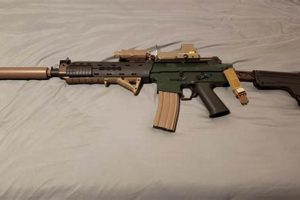
The phrase denotes the act of participating in airsoft activities outside of a designated field or arena, typically in a less structured and more spontaneous environment. An example could be a small group engaging in target practice or mock skirmishes in a backyard or wooded area. This kind of informal play distinguishes itself from organized airsoft events.
This practice allows for flexibility and accessibility, enabling enthusiasts to enjoy the sport without the constraints of formal regulations or membership fees. Historically, this informal approach may have been the starting point for many individuals who later became involved in more organized airsoft communities. The appeal lies in its lower barrier to entry and the opportunity for personalized gameplay scenarios.
Understanding this foundational concept is essential before delving into topics such as responsible usage, legal considerations, and safety guidelines relevant to engaging in airsoft activities in various environments. Further discussion will cover specific equipment choices, tactical approaches applicable in different outdoor settings, and best practices for ensuring safe and enjoyable experiences.
Tips for Safe and Responsible Informal Airsoft Play
Adhering to safety and ethical considerations is paramount when participating in airsoft outside of established fields. The following guidelines promote responsible engagement in such activities.
Tip 1: Verify Legal Compliance: Prior to commencing any activity, confirm the legality of airsoft gun usage and possession in the specific location. Local ordinances and state laws vary significantly and may impose restrictions or prohibitions.
Tip 2: Obtain Explicit Permission: Secure explicit permission from property owners before engaging in airsoft on private land. Trespassing is illegal and can lead to legal repercussions.
Tip 3: Establish a Secure Perimeter: Clearly define the boundaries of the play area to prevent accidental injury to uninvolved parties. Utilize visual markers and verbal warnings to alert those nearby.
Tip 4: Mandatory Eye Protection: All participants and observers within the designated area must wear ANSI-rated, full-seal eye protection at all times. This is non-negotiable to prevent serious eye injury.
Tip 5: Safe Gun Handling Practices: Treat all airsoft guns as if they were real firearms. Keep the muzzle pointed in a safe direction and never point the gun at anything that is not intended to be targeted.
Tip 6: Appropriate Gear Selection: Choose appropriate airsoft guns and ammunition (BBs) that are suitable for the intended environment. Lower velocities are generally recommended in closer-quarters scenarios.
Tip 7: Environmental Awareness: Be mindful of the surrounding environment and avoid causing damage to property or disturbing wildlife. Clean up any BBs or debris after the activity is concluded.
Tip 8: Communicate Responsibly: Inform local law enforcement, if necessary, about the planned airsoft activity to prevent any misunderstandings or unnecessary alarms. Explain that only toy guns are used to prevent misinterpretation.
By diligently following these tips, enthusiasts can enjoy airsoft in informal settings while mitigating risks and fostering positive community relations.
The ensuing sections will delve into specific equipment recommendations and advanced tactical considerations for maximizing performance and safety in diverse outdoor environments.
1. Legality and Permissions

The relationship between legality and permissions, and engaging in airsoft activities outside of designated fields, is fundamental. Failure to secure appropriate permissions or comply with local laws transforms what could be a recreational activity into a legal liability. This component of informal airsoft play constitutes a critical determining factor in its permissibility. Local ordinances governing the discharge of projectile weapons, even those deemed non-lethal, are frequently applicable. Ignorance of these laws does not absolve individuals of responsibility. For example, an incident involving airsoft replicas being discharged in a public park without authorization could result in fines, confiscation of equipment, or even misdemeanor charges, depending on the jurisdiction.
Furthermore, the issue of trespass arises when airsoft play occurs on private property without the express consent of the landowner. Landowners possess the right to control activities on their property, and unauthorized entry for any purpose, including airsoft, can lead to civil or criminal penalties. Securing written permission from landowners demonstrates due diligence and protects participants from potential legal action. Documented permission provides concrete evidence of authorized presence and mitigates the risk of accusations of trespassing. Similarly, public land usage often requires permits or adherence to specific regulations regarding noise levels, permissible activities, and environmental impact.
In summary, ensuring adherence to legality and securing proper permissions are not merely procedural formalities but essential prerequisites for participating in informal airsoft. This understanding mitigates legal risks, prevents conflicts with landowners and law enforcement, and promotes responsible engagement within the community. Overlooking these considerations jeopardizes not only individual participants but also the future viability of the activity itself. It is the responsibility of each participant to understand the legal landscape before engaging in any airsoft activities outside regulated fields.
2. Safety Protocol Adherence

Safety Protocol Adherence constitutes the bedrock of responsible engagement in unregulated airsoft scenarios. The direct relationship between adherence to established safety guidelines and the mitigation of potential harm is undeniable. A deficiency in safety practices elevates the risk of injury, property damage, and legal complications, thereby negating the potential benefits of this activity. For example, failure to wear ANSI-rated eye protection can result in severe, irreversible eye damage from BB impacts, a consequence that underscores the necessity of strict adherence to this particular protocol. Furthermore, neglecting to establish a secure perimeter increases the likelihood of accidental BB strikes to uninvolved individuals, transforming a recreational activity into a hazardous situation with potential legal ramifications.
The practical application of safety protocols encompasses multiple layers of preventative measures. This includes mandatory eye protection for all participants and observers, establishing clear boundaries for the playing area, using appropriately powered airsoft replicas for the engagement distance, and adhering to safe gun handling procedures, such as keeping the muzzle pointed in a safe direction at all times. Safe gun handling practices extend to ensuring replicas are unloaded and stored securely when not in use, preventing unauthorized access, particularly by minors. Communication among players and with external parties, such as informing local law enforcement of planned activities, further demonstrates responsible engagement and minimizes misunderstandings that could lead to unnecessary alarms or interventions.
In summation, rigorous Safety Protocol Adherence is not merely a recommendation but a prerequisite for ethically sound and legally defensible participation. Addressing challenges such as complacency among experienced players or the temptation to disregard safety measures for perceived tactical advantage requires consistent reinforcement of safety principles and a culture of accountability. Prioritizing safety not only safeguards individual well-being but also preserves the viability of unregulated airsoft activities by minimizing negative consequences and fostering positive community perception. Consequently, strict adherence to safety protocols functions as an essential component in maintaining the integrity and legitimacy of airsoft in unregulated environments.
3. Equipment Suitability

Equipment Suitability in the context of informally organized airsoft play profoundly affects participant safety, gameplay dynamics, and overall adherence to responsible practices. Careful selection and responsible use of gear are crucial when engaging in airsoft outside established fields, as this choice directly correlates to the integrity of the activity and the potential for harm.
- Airsoft Replica Power (FPS/Joules)
The energy output of an airsoft replica, typically measured in feet per second (FPS) or Joules, must be congruent with the intended engagement environment. Confined spaces necessitate lower power levels to prevent injuries from close-range impacts. For example, utilizing a replica exceeding field-mandated FPS limits in a backyard skirmish could cause unnecessary pain or injury, demonstrating a disregard for appropriate power settings. Conversely, replicas with insufficient power may prove ineffective in larger, open areas, diminishing gameplay experience. Governing authorities or local airsoft communities frequently stipulate power limitations that must be meticulously observed.
- Ammunition Type and Weight (BBs)
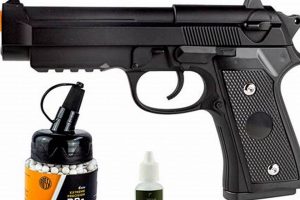
BB selection directly impacts replica performance and potential for causing harm. Heavier BBs generally exhibit greater stability and range, but also impart more energy upon impact. Biodegradable BBs are environmentally preferable, particularly in natural settings. Utilizing excessively heavy BBs in low-powered replicas can result in reduced range and accuracy, while employing lightweight BBs in high-powered replicas may increase dispersion and the risk of stray shots. Responsibly selecting BBs that are both effective for the replica and environmentally conscious demonstrates due diligence.
- Protective Gear (Eye/Face/Body)
Appropriate protective gear is non-negotiable for safe airsoft participation. ANSI-rated full-seal eye protection is mandatory to prevent irreversible eye damage. Depending on the environment and gameplay style, additional protective gear, such as face masks, gloves, and body armor, may be advisable. Skimping on protective gear to save costs constitutes an unacceptable risk. For instance, foregoing a full face mask in a close-quarters environment exposes the face to potential BB impacts, leading to injuries that are preventable with appropriate protective measures.
- Environmentally Adapted Tactical Gear
Tactical gear should be chosen based on the operational environment, considering concealment, maneuverability, and functionality. Camouflage patterns effective in one environment may be conspicuous in another. For example, utilizing woodland camouflage in a desert setting offers negligible concealment, hindering effectiveness and potentially drawing unwanted attention. Likewise, excessively bulky gear can impede movement and stamina in dense terrain. Selection of gear should strike a balance between tactical advantage and minimal environmental disturbance.
These interconnected facets of Equipment Suitability are crucial to ensure responsible and safe engagement in airsoft outside of regulated venues. Overlooking any of these considerations can compromise participant safety, environmental integrity, and the overall perception of the activity. Proactive assessment and responsible selection of equipment reflect a commitment to ethical participation and responsible recreation.
4. Environmental Impact

The environmental consequences of engaging in airsoft activities outside of designated fields present a significant concern. Due diligence in minimizing these impacts is essential for responsible practice and long-term sustainability.
- Biodegradable BBs vs. Plastic BBs
The choice of ammunition directly impacts the environment. Traditional plastic BBs, composed of non-biodegradable polymers, persist in the environment for extended periods, contributing to plastic pollution. Biodegradable BBs, typically made from plant-based materials, offer a more sustainable alternative, decomposing over time. However, the decomposition rate of biodegradable BBs varies depending on environmental conditions, and they may still contribute to short-term pollution. The transition to exclusively using biodegradable ammunition constitutes a tangible step towards reducing the environmental footprint of airsoft.
- Habitat Disturbance
Informal airsoft play in natural environments can disrupt local ecosystems. Foot traffic, noise, and physical alterations to the landscape can negatively impact wildlife habitats. For instance, engaging in airsoft within a sensitive wetland area could disturb nesting birds or damage delicate vegetation. Responsible players should select locations with minimal ecological significance and avoid causing unnecessary disturbance to flora and fauna.
- Litter and Waste
Beyond BBs, other forms of litter, such as discarded packaging, batteries, and broken equipment, can contribute to environmental pollution. Neglecting to clean up after an airsoft session leaves a detrimental impact on the environment and creates a negative perception of the activity. Implementing a “leave no trace” policy, which includes collecting all waste materials, is crucial for responsible engagement.
- Soil Contamination
While less common, potential soil contamination from BB decomposition (even biodegradable ones) is an area of concern. The chemical composition of BBs, and their breakdown products, can potentially alter soil pH levels or introduce foreign substances. While the long-term impacts are still under investigation, responsible play involves minimizing the concentration of BBs in any single area and avoiding play near waterways or sensitive soil types.
Addressing these multifaceted aspects of environmental impact is crucial for maintaining the sustainability and ethical justification of airsoft outside designated fields. Proactive measures, such as utilizing biodegradable ammunition, minimizing habitat disturbance, rigorously cleaning up after play, and remaining mindful of soil conditions, contribute to responsible stewardship of the environment and help ensure the long-term viability of airsoft as a recreational activity.
5. Community Relations
The viability of airsoft activity outside regulated venues hinges on fostering positive relations with the surrounding community. Demonstrating respect, transparency, and responsible behavior mitigates potential conflicts and ensures the continued acceptance of the sport.
- Proactive Communication
Informing local residents and law enforcement agencies about planned airsoft activities is essential. Advance notification prevents misunderstandings and reduces the likelihood of unnecessary alarms or intervention. A simple phone call or a brief explanation to neighbors can preemptively address concerns and foster a cooperative environment. For instance, advising the local police department about a weekend airsoft game in a wooded area can prevent misidentification of airsoft replicas as actual firearms during an emergency call.
- Noise Mitigation
Airsoft games can generate significant noise levels, particularly with the use of gas-powered replicas or boisterous communication among players. Implementing noise reduction strategies, such as limiting the volume of communication or employing quieter equipment, minimizes disturbance to nearby residents. Choosing locations that are naturally buffered from residential areas also aids in noise mitigation. Respecting quiet hours and refraining from airsoft activities during sensitive times demonstrates consideration for community well-being.
- Property Respect
Maintaining respect for private and public property is crucial. Avoiding damage to vegetation, refraining from trespassing, and diligently cleaning up after games are essential practices. Repairing any unintentional damage and leaving the area in better condition than it was found fosters a positive impression. Disregarding property boundaries or neglecting to remove spent BBs and other debris creates a negative perception and invites complaints.
- Responsible Representation
The conduct of individual players reflects upon the entire airsoft community. Demonstrating maturity, sportsmanship, and adherence to safety protocols reinforces a positive image and promotes acceptance. Conversely, engaging in irresponsible behavior, such as reckless gun handling or disrespectful interactions with community members, can damage the reputation of airsoft enthusiasts and lead to increased scrutiny or restrictions. Representing the sport responsibly strengthens community bonds and ensures its continued viability.
These interconnected elements underscore the critical role of Community Relations in sustaining airsoft activities in unregulated settings. Prioritizing proactive communication, noise mitigation, property respect, and responsible representation cultivates trust, minimizes conflict, and secures the long-term acceptance of airsoft within the community. The actions of individual players collectively shape public perception and influence the future of the sport.
Frequently Asked Questions About airsoft go
This section addresses common inquiries regarding the practice of “airsoft go”, which is defined as engaging in airsoft activities outside of officially designated fields or arenas. The aim is to provide clear and factual information to promote responsible and safe participation.
Question 1: Is “airsoft go” legal?
The legality of informal airsoft activities is contingent upon local and regional regulations. Laws governing the possession and discharge of airsoft guns vary significantly. Prior to engaging in such activities, individuals must meticulously research and adhere to applicable ordinances. Compliance with firearm regulations and noise ordinances is paramount. Unauthorized discharge in public areas or on private property constitutes a violation of the law.
Question 2: What safety precautions are essential for “airsoft go”?
Safety is of paramount importance. Mandatory precautions include the use of ANSI-rated, full-seal eye protection for all participants and observers. Establishing clear boundaries for the playing area is also crucial. Responsible gun handling practices, such as keeping the muzzle pointed in a safe direction, are imperative. Furthermore, adjusting the replica’s power output to suit the environment mitigates the risk of injury.
Question 3: What type of equipment is suitable for “airsoft go”?
Equipment selection must be appropriate for the intended environment. Lower-powered airsoft replicas are generally recommended for close-quarters engagements. Ammunition (BBs) should be chosen based on weight, replica compatibility, and environmental considerations. Biodegradable BBs are preferable in natural settings. Tactical gear should be functional and appropriate for the terrain.
Question 4: How can the environmental impact of “airsoft go” be minimized?
Minimizing environmental impact involves several key strategies. Using biodegradable BBs reduces the persistence of plastic pollution. Avoiding play in sensitive habitats prevents disruption to wildlife and ecosystems. Implementing a “leave no trace” policy, which includes removing all litter and debris, is essential. Responsible players avoid causing damage to vegetation or disturbing soil.
Question 5: How can positive community relations be fostered during “airsoft go”?
Maintaining positive community relations requires proactive communication. Informing local residents and law enforcement agencies about planned activities prevents misunderstandings. Noise levels should be kept to a minimum to avoid disturbing neighbors. Respect for private and public property is essential. Responsible conduct reflects positively on the airsoft community as a whole.
Question 6: What are the potential consequences of irresponsible “airsoft go”?
Irresponsible behavior can result in legal repercussions, injuries, environmental damage, and strained community relations. Violation of local laws can lead to fines, confiscation of equipment, or even criminal charges. Failure to adhere to safety protocols increases the risk of injury. Environmental damage can harm ecosystems and create negative perceptions. Strained community relations can lead to restrictions or bans on airsoft activities in certain areas.
These FAQs highlight critical considerations for responsible engagement in airsoft outside designated fields. Prioritizing legality, safety, environmental stewardship, and community relations is essential for ensuring a positive and sustainable future for the sport.
The next section will delve into advanced tactical considerations and gameplay strategies applicable to diverse environments.
airsoft go
This exploration of “airsoft go” has underscored the critical interplay between recreational pursuit and responsible conduct. The discussions have highlighted the multifaceted considerations inherent in engaging in airsoft activities outside of structured field environments. Legal compliance, stringent safety protocols, appropriate equipment selection, environmental consciousness, and positive community relations have been consistently identified as essential pillars for ensuring the sustainable and ethical practice of this activity.
The long-term viability of informal airsoft hinges upon the collective commitment of its participants to uphold these principles. A continued emphasis on education, responsible decision-making, and proactive community engagement will determine the future perception and acceptance of “airsoft go”. The onus lies with each individual to prioritize safety, respect, and responsible stewardship, thereby securing the continued enjoyment of this activity for future enthusiasts.