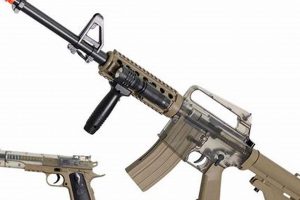
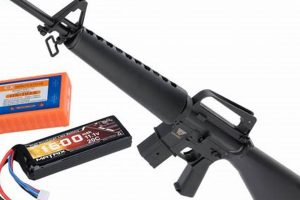
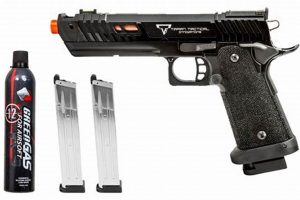
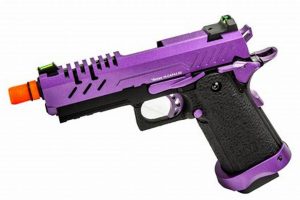
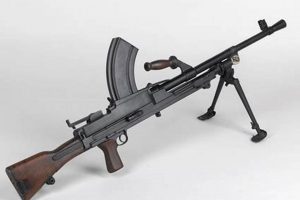
Modified or customized airsoft replicas designed to resemble weaponry found in fictional scenarios depicting societal collapse characterize a specific niche within the airsoft hobby. These often feature distressed finishes, improvised attachments, and a generally worn appearance, mirroring the aesthetic of survival in a lawless environment. For example, an otherwise standard airsoft rifle might be fitted with makeshift sights crafted from scavenged materials and wrapped in tattered cloth to simulate battle damage.
The appeal of these modified devices stems from several factors. They allow participants in airsoft games to enhance their role-playing experience, creating a more immersive and visually compelling impression. Furthermore, the customization process encourages creativity and resourcefulness, transforming readily available replicas into unique representations of survival tools. The genre’s popularity in film and video games provides a recognizable aesthetic that many enthusiasts find engaging, and offers a sense of realism while playing airsoft.
The remainder of this discussion will examine the various methods used to create these customized airsoft replicas, including techniques for weathering, modification, and attachment of accessories. Furthermore, safety considerations and ethical responsibilities associated with owning and using such devices in public will be addressed.
Modification and Maintenance
Properly modifying and maintaining airsoft replicas intended to simulate weaponry from dystopian settings requires attention to both aesthetics and functionality. Adhering to the following tips ensures both visual authenticity and operational reliability.
Tip 1: Weathering Techniques: Employ weathering techniques to simulate wear and tear. Dry brushing with metallic paints, application of washes, and careful sanding can create a realistic, battle-worn appearance. Avoid excessive degradation, which can compromise the replica’s structural integrity.
Tip 2: Attachment Security: When attaching improvised accessories, ensure they are securely fastened to prevent them from detaching during gameplay. Utilize strong adhesives, bolts, or paracord for a robust connection. Regularly inspect attachments for looseness.
Tip 3: Internal Maintenance: Maintain the internal components of the airsoft replica to ensure consistent performance. Regular cleaning, lubrication, and replacement of worn parts are essential. Neglecting internal maintenance can lead to malfunctions and decreased accuracy.
Tip 4: Battery Care: For electric airsoft replicas, proper battery care is crucial. Store batteries in a cool, dry place when not in use. Avoid overcharging or deep discharging, as this can shorten battery life and potentially cause damage.
Tip 5: Gearbox Inspection: Periodically inspect the gearbox for signs of wear or damage. Check the gears, piston, and air seal for any issues. Addressing problems early can prevent more significant and costly repairs later.
Tip 6: Spring Tension: Monitor the spring tension in spring-powered airsoft replicas. Over time, springs can weaken, leading to decreased power and range. Replace the spring when performance diminishes.
Tip 7: Hop-Up Adjustment: Properly adjust the hop-up unit to optimize range and accuracy. Experiment with different settings to find the optimal level for the specific BB weight being used. Incorrect hop-up adjustment can significantly reduce performance.
Tip 8: Chronograph Testing: Regularly chronograph the airsoft replica to ensure it is firing within the field’s velocity limits. Exceeding the velocity limit can result in injury to other players and potential expulsion from the field.
Implementing these modification and maintenance practices helps maintain the appearance and functionality of airsoft replicas, ensuring that devices used for simulation purposes continue to offer years of safe and reliable use.
The next section will delve into the legal and ethical considerations relevant to owning and operating these modified airsoft replicas in public settings.
1. Weathering Techniques

Weathering techniques are integral to achieving a realistic depiction of firearms repurposed in post-apocalyptic scenarios. These methods transform standard airsoft replicas into believable props, simulating the effects of prolonged use, exposure to harsh environments, and improvised repairs.
- Simulated Corrosion
Simulated corrosion replicates the effects of rust and oxidation on metallic surfaces. This can be achieved through the strategic application of rust-colored paints, washes, and dry brushing techniques. The process involves careful layering to create a textured and visually convincing representation of degradation. For instance, applying a thin layer of dark brown paint followed by a dry brushing of metallic silver can simulate the look of worn-off paint revealing underlying rust. The extent of simulated corrosion directly influences the perceived age and level of disrepair of the airsoft replica.
- Distressed Finishes
Distressed finishes involve the physical alteration of the replica’s surface to create the appearance of damage and wear. This can include sanding, scratching, and chipping away at the paint and plastic. The application of heat can also be used to warp and deform certain components, mimicking the effects of fire or extreme temperatures. Caution must be exercised to avoid compromising the structural integrity of the airsoft replica during this process. An example would be using a file to create scratches along the edges of the magazine, simulating frequent loading and unloading.
- Mud and Dirt Application
Applying simulated mud and dirt enhances the realism by suggesting exposure to the elements. This can be achieved by mixing paint pigments with textured mediums to create a paste-like substance. This mixture is then applied to the replica’s surface and allowed to dry, creating a realistic accumulation of grime. Proper sealing of the applied material is crucial to prevent it from flaking off during use. A practical example is applying a mixture of brown and black acrylic paint to the lower portions of the rifle, giving the impression it has been used in muddy terrain.
- Fabric and Cordage Wraps
The addition of fabric and cordage wraps serves both an aesthetic and functional purpose. These wraps can simulate repairs, camouflage, or improvised grips. Materials such as burlap, canvas, and paracord are commonly used. The wraps are typically secured with adhesives or knots, creating a visually distinct element that contributes to the overall post-apocalyptic aesthetic. For instance, wrapping the handguard with worn-out strips of cloth not only provides a visual cue of resource scarcity but may also offer a more comfortable grip.
The effective application of these weathering techniques is critical for establishing a believable narrative surrounding the “post apocalyptic airsoft gun.” The attention to detail in simulating wear and tear elevates the replica from a standard airsoft marker to a compelling prop that resonates with the thematic elements of survival and resourcefulness. These elements must be applied judiciously to avoid rendering the replica unusable or unsafe.
2. Functionality Preservation

The ability to maintain operational effectiveness is paramount when adapting airsoft replicas for simulated post-apocalyptic scenarios. While aesthetic modifications contribute to the visual theme, neglecting the device’s core performance diminishes its value as a training tool or recreational device.
- Internal Component Integrity
Preserving the integrity of internal mechanisms, such as the gearbox, piston, and hop-up unit, is critical for consistent performance. Regular maintenance, including lubrication and inspection for wear, ensures reliable operation. A non-functional replica, regardless of its visual appeal, defeats the purpose of a training simulation or airsoft engagement. Replacement of worn springs or damaged gears directly contributes to maintaining consistent firing velocity and accuracy.
- Air Seal Maintenance
Maintaining a proper air seal within the compression chamber directly impacts the airsoft gun’s power and efficiency. Leaks within the system reduce the amount of compressed air propelling the BB, resulting in decreased range and velocity. Regular inspection and replacement of O-rings and piston heads ensure optimal air seal, preventing performance degradation. A tight air seal can be tested by listening for air escaping around the cylinder head while firing. Any leakage should be immediately addressed.
- Hop-Up System Calibration
The hop-up system imparts backspin on the BB, extending its range and improving accuracy. Proper calibration of this system is essential for achieving desired ballistic performance. Adjusting the hop-up unit to match the BB weight and environmental conditions optimizes the trajectory and reduces the effects of air resistance. Over-hopping can cause the BB to curve upwards excessively, while under-hopping results in a shorter, less accurate trajectory. Adjustments should be made incrementally based on observed performance.
- Battery and Electrical System Maintenance
For electric-powered airsoft replicas, proper battery care and maintenance of the electrical system are crucial for reliable operation. Batteries should be stored properly to prevent degradation and discharged to safe levels before long-term storage. Wiring should be inspected for fraying or damage, and connectors should be kept clean and corrosion-free. A malfunctioning electrical system can lead to inconsistent firing rates, decreased power, or complete failure of the replica. Using a smart charger can prevent overcharging and prolong the life of the battery.
These elements of functionality preservation, when diligently applied, ensure that a replica adapted for a simulated post-apocalyptic environment remains a useful and reliable tool. Focusing solely on aesthetics while neglecting performance compromises the inherent value of the airsoft gun.
3. Safety Protocols

The implementation of stringent safety protocols is of paramount importance when handling airsoft replicas modified to resemble weaponry from dystopian settings. While these devices are designed for recreational use, their realistic appearance necessitates adherence to rigorous guidelines to prevent accidents, injuries, and misinterpretations.
- Eye Protection Standards
The wearing of ANSI-rated Z87.1 eye protection is an absolute requirement during the use of any airsoft device. These goggles or masks are designed to withstand the impact of projectiles traveling at high velocities, safeguarding the user’s eyes from potential injury. The use of non-rated eyewear is strictly prohibited due to the risk of shattering upon impact. For instance, a common injury in airsoft is corneal abrasion from BB fragments, which can be prevented entirely by wearing appropriate eye protection.
- Muzzle Velocity Limits
Adherence to established muzzle velocity limits is essential for preventing injuries to other participants. Most airsoft fields enforce strict rules regarding the maximum velocity at which an airsoft replica can fire, typically measured in feet per second (FPS) with a specific weight of BB. Exceeding these limits increases the risk of causing welts, bruising, or more serious injuries. Chronograph testing should be conducted regularly to ensure compliance with field regulations.
- Safe Handling Practices
The implementation of safe handling practices is crucial for preventing accidental discharges and ensuring responsible use of the device. This includes keeping the finger off the trigger until ready to fire, treating all airsoft replicas as if they are loaded, and maintaining awareness of the surroundings. Negligence in handling can lead to unintentional firing, potentially causing injury or damage to property. For example, practicing muzzle discipline, ensuring the barrel is always pointed in a safe direction, is a fundamental safety practice.
- Transportation and Storage Regulations
Proper transportation and storage of modified airsoft replicas are necessary to prevent misidentification and ensure public safety. The devices should be transported in cases or bags to conceal their appearance and prevent them from being mistaken for real firearms. When not in use, airsoft replicas should be stored securely in a location inaccessible to unauthorized individuals, particularly children. A clear example is transporting an airsoft rifle in a padded case, with the magazine removed and the battery disconnected, when traveling to and from an airsoft field.
The stringent enforcement of these safety protocols minimizes the potential risks associated with “post apocalyptic airsoft gun,” fostering a safe and responsible environment for all participants. These measures are non-negotiable and represent the fundamental principles of ethical airsoft practice.
4. Legal Compliance
The intersection of legal compliance and modified airsoft devices resembling weaponry from fictional dystopian scenarios necessitates a careful understanding of applicable laws and regulations. Failure to adhere to these legal parameters can result in significant penalties, including fines, confiscation of property, and potential criminal charges. The realistic appearance of these modified devices often blurs the line between a toy and a simulated firearm, requiring owners to be acutely aware of local, state, and federal restrictions. For example, altering an airsoft replica to remove the orange tip, a visual identifier mandated by federal law, immediately creates a legal liability. The importance of legal compliance cannot be overstated, as it directly impacts the safety of the individual and the community.
Several examples highlight the practical significance of understanding legal compliance. In some jurisdictions, brandishing an airsoft replica in public, even if it is clearly identifiable as a non-lethal device, can be construed as a threat, leading to police intervention and potential arrest. Similarly, modifying the device to increase its muzzle velocity beyond legal limits not only violates field regulations but may also constitute an illegal alteration, transforming the replica into a weapon under specific legal definitions. Therefore, responsible ownership requires diligent research into local ordinances, federal statutes, and any specific regulations imposed by the airsoft fields where the device is used. Furthermore, documentation of the replica’s purchase and modifications can serve as evidence of compliance in the event of scrutiny.
In summary, legal compliance is an indispensable component of owning and using modified airsoft replicas. It requires proactive effort to understand and abide by all applicable laws, ensuring that the pursuit of this hobby does not infringe upon public safety or legal boundaries. The challenge lies in balancing the desire for realistic simulation with the responsibility to prevent misinterpretation and uphold the law. Continued vigilance and adherence to legal guidelines are crucial for maintaining the ethical and legal standing of the airsoft community.
5. Material Selection
Material selection is a critical determinant of the durability, realism, and overall performance of airsoft replicas designed to emulate weaponry from post-apocalyptic settings. The conditions implied by such scenarios necessitate prioritizing materials that withstand harsh environmental factors and potential physical stresses. The choice of materials directly impacts the airsoft gun’s ability to function reliably and maintain a believable aesthetic under simulated duress.
For instance, while plastic components offer cost-effectiveness, their susceptibility to cracking and degradation under prolonged exposure to sunlight or extreme temperatures renders them less suitable for achieving a rugged, battle-worn appearance. Conversely, utilizing metallic alloys, such as aluminum or steel, in critical areas like the receiver, barrel, and trigger mechanism provides enhanced durability and resistance to wear. Applying weathering techniques to these metallic components, such as simulated rust or scratched finishes, creates a more authentic visual representation of age and use. Similarly, the selection of appropriate adhesives and fasteners is essential for ensuring that any added accessories or modifications remain securely attached during gameplay. In cases where scavenged or improvised materials are incorporated into the design, careful consideration must be given to their compatibility with the existing components and their potential impact on the airsoft gun’s functionality.
In conclusion, the relationship between material selection and the desired characteristics of an airsoft replica intended for a post-apocalyptic theme is direct and significant. Prioritizing durable and weather-resistant materials is essential for creating a device that not only looks authentic but also functions reliably under simulated conditions. While aesthetic considerations are important, they should not overshadow the need for robust materials capable of withstanding the rigors of airsoft gameplay. By carefully considering the properties of different materials, builders can create airsoft guns that are both visually compelling and functionally sound, enhancing the immersive experience for participants.
6. Authenticity of design
Authenticity of design is paramount in the creation and appreciation of airsoft replicas intended to depict weaponry from post-apocalyptic settings. The effectiveness of these devices, both as props and as tools for simulated combat, hinges on their ability to convincingly replicate the visual cues associated with such scenarios. The cause and effect relationship is clear: authentic design enhances immersion and believability, while a lack thereof diminishes the overall impact of the replica. The importance of accurate representation extends beyond mere aesthetics; it serves to ground the user in the fictional world, fostering a more engaging and compelling experience.
Real-life examples illustrate this point effectively. An airsoft rifle meticulously weathered to simulate rust and damage, featuring improvised modifications such as scavenged scopes or makeshift grips, resonates far more strongly than a standard, unmodified replica. Consider the difference between a commercially available airsoft pistol versus one that has been painstakingly distressed, wrapped in decaying cloth, and fitted with a crude suppressor fabricated from found materials. The latter evokes a sense of desperation and resourcefulness consistent with post-apocalyptic narratives. The practical significance of this understanding lies in its ability to inform the customization process, guiding builders towards techniques and materials that enhance realism.
In conclusion, authenticity of design is an indispensable element of crafting compelling airsoft replicas for post-apocalyptic settings. By prioritizing accurate representation of wear, damage, and improvised modifications, builders can create devices that not only look the part but also contribute to a more immersive and engaging experience. The challenge lies in balancing artistic license with adherence to established visual tropes, ensuring that the replica remains recognizable and believable within the context of the fictional world. This commitment to authenticity elevates the airsoft gun from a mere prop to a tangible artifact of a simulated dystopian reality.
7. Storage considerations

Proper storage of airsoft replicas modified to resemble weaponry from hypothetical societal collapse scenarios is essential for maintaining their condition, ensuring safety, and complying with legal requirements. These storage practices mitigate risks associated with damage, unauthorized access, and misinterpretation of the devices.
- Environmental Protection
Storage conditions should safeguard against environmental factors that could degrade the replica. Humidity can cause corrosion on metallic components, while prolonged exposure to sunlight can fade or warp plastic parts. Climate-controlled environments or protective cases with desiccant packs can mitigate these risks. For example, storing an airsoft replica in a basement with high humidity could lead to rust formation, compromising its functionality and appearance.
- Security Against Unauthorized Access
Storage locations must prevent unauthorized access, particularly by minors. Locked containers or secure storage rooms are recommended to avoid accidental discharge or misuse of the replica. The potential for misinterpretation or misuse increases when these devices are readily accessible. A practical example involves storing the replica in a locked gun safe, preventing access by children or individuals unfamiliar with safe handling practices.
- Legal Compliance during Storage
Storage practices must align with local and federal regulations regarding imitation firearms. Some jurisdictions require replicas to be stored unloaded and in a manner that prevents them from being readily accessible. Non-compliance can result in legal penalties. An example is adhering to local ordinances that mandate airsoft guns be stored separately from ammunition and magazines, ensuring they cannot be quickly deployed.
- Preservation of Modifications
Storage methods should protect modifications and accessories added to enhance the post-apocalyptic aesthetic. Delicate attachments or custom paint jobs can be damaged if stored improperly. Padded cases or individual compartments within a storage unit can prevent scratches, breakage, or detachment of components. A real-world example includes wrapping custom-painted parts in protective foam before placing the airsoft replica in storage, preventing abrasion during transit or storage.
Effective storage practices not only prolong the lifespan and functionality of modified airsoft replicas, but they also contribute to responsible ownership and adherence to legal standards. These considerations are integral to preserving the value and safety associated with these devices.
Frequently Asked Questions
This section addresses common inquiries and misconceptions surrounding airsoft replicas modified to resemble weaponry from fictional dystopian settings. The following information aims to provide clarity and promote responsible ownership.
Question 1: What are the primary modifications typically found on an airsoft gun?
Modifications commonly include weathering techniques to simulate wear and tear, attachment of improvised accessories such as scavenged optics or makeshift grips, and alterations to the finish to create a battle-worn appearance.
Question 2: Is it legal to remove the orange tip from an airsoft replica?
Removing the orange tip, a federally mandated safety feature, is illegal and can result in legal penalties. The orange tip serves to distinguish airsoft replicas from real firearms.
Question 3: How can I ensure the safety of others while using it?
Safety can be ensured by adhering to established muzzle velocity limits, wearing ANSI-rated Z87.1 eye protection, and practicing safe handling techniques, such as keeping the finger off the trigger until ready to fire.
Question 4: What materials are best suited for creating a realistic and durable device?
Metallic alloys such as aluminum or steel are preferable for critical components due to their durability and resistance to wear. Weathering techniques can then be applied to these materials to enhance the realism.
Question 5: How should it be properly stored to prevent accidents or theft?
Proper storage involves keeping the replica in a locked container or secure location inaccessible to unauthorized individuals, particularly minors. Environmental conditions should also be controlled to prevent damage from humidity or sunlight.
Question 6: Are there any specific legal considerations related to transporting a device?
Transportation of a modified airsoft replica should be done discreetly, preferably in a case or bag, to prevent misidentification and avoid alarming the public. Local regulations regarding the transportation of imitation firearms should be followed.
Understanding these key aspects promotes responsible ownership and ensures safe and legal operation of airsoft replicas modified to resemble weaponry from post-apocalyptic scenarios.
The next section will provide a comprehensive guide on building a post-apocalyptic airsoft gun from existing equipment.
Conclusion
The preceding discussion has explored the various facets of the “post apocalyptic airsoft gun,” encompassing modification techniques, safety protocols, legal compliance, material selection, design authenticity, and storage considerations. The transformation of a standard airsoft replica into a device evocative of a dystopian future necessitates a multi-faceted approach, balancing aesthetic alterations with functional preservation and ethical responsibilities. The importance of responsible ownership and adherence to relevant regulations cannot be overstated.
As the popularity of this specific niche within the airsoft community continues to grow, it is imperative that participants prioritize safety, legality, and ethical conduct. The effective portrayal of a post-apocalyptic aesthetic demands meticulous attention to detail, but such dedication must never compromise the well-being of individuals or the integrity of the airsoft hobby as a whole. The continued development and refinement of these practices will ensure the long-term viability and responsible enjoyment of this unique form of creative expression.