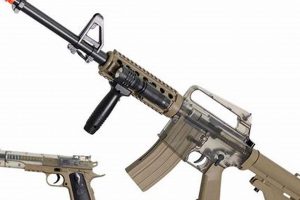
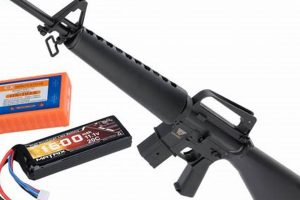
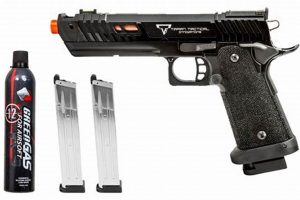
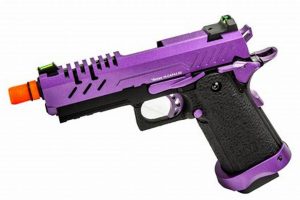
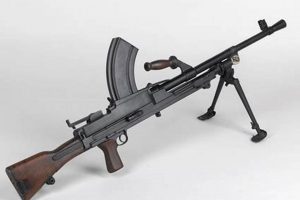
The legality of altering the appearance of replica firearms, such as those used in airsoft, is subject to varying regulations across different jurisdictions. A key concern revolves around differentiating these devices from real firearms to prevent confusion and potential misuse. Laws often dictate specific markings or colors to ensure immediate visual distinction by law enforcement and the public.
Maintaining a clear difference between airsoft guns and their real-world counterparts is crucial for public safety and minimizing the risk of misidentification during law enforcement interactions. Historically, instances of individuals brandishing realistic-looking replicas have led to dangerous situations, emphasizing the need for easily identifiable differences. Adherence to regulations concerning replica firearm appearance promotes responsible ownership and helps to avoid potential legal ramifications.
The following sections will delve into the specific legal considerations surrounding the modification of airsoft gun aesthetics, exploring potential liabilities, best practices for safe and compliant modification, and alternative customization options that minimize legal risk. It will also address relevant federal and state laws governing the manufacture, sale, and modification of replica firearms.
Guidance on Airsoft Gun Coloration
Modifying the external appearance of an airsoft gun carries potential legal implications that demand careful consideration. The following guidance aims to promote responsible ownership and avoid legal complications.
Tip 1: Research Local and Federal Laws: Thoroughly investigate applicable federal, state, and local regulations pertaining to replica firearms. Understand specific color requirements, prohibited modifications, and legal definitions before undertaking any alterations. Penalties can include fines or even legal action.
Tip 2: Avoid Realistic Finishes: Refrain from using paint colors or finishes that mimic those commonly found on real firearms. This is particularly important for colors like black, dark grey, and olive drab. The goal is to maintain a clear visual distinction.
Tip 3: Consider High-Visibility Colors: When permissible, opt for bright, non-realistic colors that clearly identify the device as a replica. Fluorescent orange, bright blue, or neon green are examples that enhance visibility and reduce the risk of misidentification.
Tip 4: Document Modifications: Maintain detailed records of any modifications made to the airsoft gun’s appearance, including dates, materials used, and photographs. This documentation may prove valuable in demonstrating compliance with regulations.
Tip 5: Consult Legal Counsel: If uncertainty exists regarding the legality of a proposed modification, seek advice from a qualified attorney specializing in firearms law. Legal counsel can provide personalized guidance based on specific circumstances.
Tip 6: Prioritize Safety: Always treat an airsoft gun as if it were a real firearm. Safe handling practices are essential regardless of its color or appearance. Store the device securely and away from unauthorized access.
Adherence to these guidelines promotes responsible handling and helps mitigate legal risks associated with airsoft gun modification. Prior knowledge and cautious approach are critical for guaranteeing regulatory compliance.
The next section will provide a conclusion synthesizing the legal considerations and highlighting the need for responsible practices in the realm of airsoft gun modification.
1. Federal regulations

Federal regulations regarding the coloration of airsoft guns primarily aim to distinguish them from real firearms, thereby mitigating the risk of misidentification and potential misuse. These regulations, specifically concerning imitation firearms, often mandate features such as a blaze orange tip on the barrel. Deviating from these federally mandated markings by painting over or obscuring them directly contravenes federal law. Such actions can result in the airsoft gun being classified as a non-compliant imitation firearm, leading to potential legal penalties for the owner or modifier. These penalties may include fines, confiscation of the device, or even more severe charges depending on the specific circumstances and intent.
The impact of federal regulations extends beyond the individual owner or modifier. Manufacturers and retailers also bear responsibility for ensuring that airsoft guns meet federal standards before being sold or distributed. These entities must adhere to strict guidelines regarding marking and labeling, further emphasizing the importance of understanding and complying with federal laws. A practical example is the import of airsoft guns. Customs officials routinely inspect incoming shipments to verify compliance with marking requirements, and non-compliant items may be seized or returned to the sender. This underscores the significance of these regulations in controlling the flow of imitation firearms and preventing potentially dangerous misidentifications.
In summary, federal regulations play a crucial role in governing the permissible coloration of airsoft guns. The mandated markings serve as a readily identifiable feature that distinguishes these devices from real firearms, enhancing public safety and mitigating the risk of misuse. While seemingly a minor detail, failure to comply with these regulations can have significant legal consequences, highlighting the need for responsible ownership and a thorough understanding of applicable federal laws. Ignoring or circumventing these regulations poses a direct challenge to public safety and undermines the efforts to prevent potentially dangerous situations involving imitation firearms.
2. State laws vary
The legality of painting an airsoft gun is significantly impacted by the fact that state laws regarding replica firearms are not uniform. This variance creates a complex legal landscape where actions permissible in one state may be illegal in another. State laws may address the issue of imitation firearms in several ways, including specific regulations on coloration, markings, or overall resemblance to real firearms. For example, some states might mandate a specific percentage of the airsoft gun’s surface area be colored in a bright, non-realistic hue. Painting an airsoft gun, therefore, necessitates a thorough understanding of the laws applicable within a given jurisdiction.
Consider a scenario where an individual purchases an airsoft gun legally in a state with lenient regulations, then travels to a state with stricter laws concerning replica firearm appearance. If the airsoft gun does not meet the destination state’s requirements, that individual could face legal repercussions, including fines or confiscation of the device. The practical significance of understanding the “state laws vary” aspect lies in preventing unintentional legal violations. Individuals must research and comply with the regulations not only in their state of residence but also in any state where they intend to possess or use the airsoft gun. Some states might have preemption laws, where state law supersedes local ordinances; however, the onus is on the individual to ensure compliance at every level.
In conclusion, the disparate nature of state laws forms a crucial component when assessing the legality of painting an airsoft gun. This variability necessitates careful research and adherence to the specific regulations within each jurisdiction. Failing to account for these differences can lead to unintended legal consequences, reinforcing the need for responsible ownership and a proactive approach to understanding applicable state laws. The potential challenges lie in the complexity of navigating these varying regulations, highlighting the importance of seeking legal counsel when uncertainty arises to ensure complete compliance.
3. Imitation firearm statutes
Imitation firearm statutes directly govern the legality of modifying the appearance of airsoft guns, including painting them. These statutes are enacted to prevent the misuse of realistic-looking replicas and to minimize the risk of confusion with actual firearms. Understanding the specific provisions of these statutes is crucial in determining the permissible scope of aesthetic alterations.
- Definition and Scope
Imitation firearm statutes define what constitutes an imitation firearm based on factors like size, shape, color, and materials. These definitions determine which devices are subject to specific regulations. Painting an airsoft gun can alter its classification, potentially bringing it under or removing it from the purview of these statutes. For example, a statute might classify an all-black airsoft gun as an imitation firearm but exempt one with a brightly colored receiver.
- Coloration Requirements
Many statutes mandate specific coloration requirements for imitation firearms to ensure they are readily distinguishable from real weapons. These requirements often involve bright, non-realistic colors or prominent markings. Painting an airsoft gun in a manner that violates these coloration requirements can result in legal penalties. For instance, painting over a required orange tip or applying a realistic finish to a replica firearm may constitute a violation of the law.
- Prohibited Modifications
Some statutes explicitly prohibit modifications that enhance the realism of an imitation firearm. Painting an airsoft gun to resemble a particular real-world firearm model, or adding features that mimic functional components of a real weapon, may be prohibited. The intent behind such prohibitions is to prevent the use of imitation firearms in criminal activities or situations where they could be mistaken for actual firearms by law enforcement or the public.
- Penalties for Non-Compliance
Violation of imitation firearm statutes can result in a range of legal penalties, including fines, confiscation of the airsoft gun, and even criminal charges in certain cases. The severity of the penalties often depends on the specific violation and the intent of the individual involved. Painting an airsoft gun in a way that violates these statutes can therefore expose the owner to potential legal liabilities.
The impact of imitation firearm statutes on the legality of painting an airsoft gun is undeniable. These statutes establish clear guidelines regarding appearance and modification, and non-compliance can result in significant legal consequences. Responsible ownership requires a thorough understanding of these statutes and adherence to their provisions when considering aesthetic alterations to airsoft devices. Consulting with legal counsel when uncertainty arises is advisable to ensure complete compliance and avoid potential legal repercussions.
4. Public safety concerns
The issue of whether it is illegal to paint an airsoft gun is intrinsically linked to public safety concerns. The primary rationale behind regulations governing the appearance of airsoft guns centers on preventing their misidentification as real firearms. A realistic-looking airsoft gun, particularly one painted to resemble a specific make and model of firearm, can create a dangerous situation if brandished in public. The potential for misinterpretation by law enforcement or civilians is significant, potentially leading to escalated encounters and even deadly force. The color and markings of airsoft guns are often regulated to provide a visual cue that differentiates them from actual weapons, thus mitigating these risks. Altering these identifiers through painting can directly undermine this safety measure.
Consider instances where individuals have brandished realistic-looking airsoft guns in public places. The response from law enforcement in such situations is often immediate and decisive, treating the device as a real firearm until proven otherwise. Painting an airsoft gun to resemble a real weapon increases the likelihood of such a scenario, potentially placing the individual carrying the device, as well as bystanders, at risk. Furthermore, the use of realistic-looking airsoft guns in criminal activities, such as armed robbery, poses a direct threat to public safety. The victims of such crimes may not be able to distinguish between an airsoft gun and a real firearm, resulting in fear and potential harm. Regulations on the appearance of airsoft guns, including restrictions on painting them to resemble real firearms, are intended to deter such misuse.
In summary, public safety concerns are a central justification for laws regulating the coloration of airsoft guns. Painting these devices in ways that enhance their realism and increase the risk of misidentification can have serious consequences, both for the individual carrying the device and for the broader community. Adhering to regulations on the appearance of airsoft guns is a responsible practice that contributes to public safety and minimizes the potential for dangerous misunderstandings. The ongoing challenge lies in balancing the interests of airsoft enthusiasts with the need to maintain clear visual distinctions between replica firearms and real weapons to prevent harm.
5. Law enforcement interaction

Law enforcement interaction is a critical component in evaluating whether it is illegal to paint an airsoft gun. The potential for misidentification during an encounter with law enforcement is a primary concern driving regulations on airsoft gun appearance. If an airsoft gun is painted to closely resemble a real firearm, it increases the likelihood that law enforcement officers will perceive it as an actual threat, potentially leading to a dangerous or even fatal interaction. Regulations often aim to minimize this risk by requiring specific markings or colorations that clearly distinguish airsoft guns from real weapons. Therefore, any modification, including painting, that diminishes this distinction can have serious ramifications during law enforcement interaction.
Real-life examples underscore the significance of this connection. Instances have occurred where individuals carrying realistic-looking airsoft guns have been confronted by law enforcement, resulting in tense standoffs and, in some cases, the use of force. The officers’ perception, based on the appearance of the device, dictated their response. The practical significance of understanding this connection lies in promoting responsible ownership and ensuring compliance with regulations. By adhering to these regulations, individuals minimize the risk of misidentification and reduce the potential for negative interactions with law enforcement. This includes avoiding modifications that enhance the realism of airsoft guns and ensuring that required markings, such as orange tips, remain visible.
In conclusion, law enforcement interaction is a key factor in determining the legality and consequences of painting an airsoft gun. The potential for misidentification during such interactions necessitates careful consideration of appearance and adherence to applicable regulations. While the desire to customize airsoft guns may be strong, prioritizing compliance with the law and promoting responsible ownership are crucial for safeguarding individuals and fostering positive relations between airsoft enthusiasts and law enforcement. The challenge lies in balancing individual expression with the overarching need for public safety and minimizing the risk of dangerous misunderstandings.
6. Misidentification risks
Misidentification risks are central to the legal considerations surrounding whether it is illegal to paint an airsoft gun. The potential for mistaking an airsoft gun for a real firearm is a primary concern that drives regulations on their appearance. These regulations aim to minimize the possibility that law enforcement or the public will perceive an airsoft gun as a genuine threat.
- Enhancing Realism
Painting an airsoft gun to resemble a real firearm model directly increases the risk of misidentification. Using realistic colors, finishes, and markings can make it difficult to distinguish the replica from its real counterpart, especially in stressful situations. This heightened realism significantly elevates the potential for misunderstanding and inappropriate responses by law enforcement or armed citizens.
- Public Perception
The public’s perception of an airsoft gun is influenced by its appearance. If an airsoft gun is painted or modified to look like a real firearm, members of the public are more likely to perceive it as a threat, leading to fear, panic, and potentially dangerous reactions. This risk is particularly acute in densely populated areas or locations with heightened security concerns. This impacts the legality of painting an airsoft gun because statutes often consider public perception as a factor.
- Law Enforcement Response
Law enforcement officers are trained to respond to potential threats based on visual cues. An airsoft gun painted to resemble a real firearm can trigger a rapid and forceful response from law enforcement, potentially resulting in harm to the individual carrying the replica or to bystanders. The time available to assess the situation accurately is often limited, making visual differentiation critical.
- Legal Liability
Individuals who modify airsoft guns to resemble real firearms may face increased legal liability if their actions result in harm or injury due to misidentification. Legal statutes may impose stricter penalties for the misuse or negligent handling of replica firearms that have been altered to enhance their realism. Painting an airsoft gun can thus increase the risk of facing criminal charges or civil lawsuits.
The connection between misidentification risks and the legality of painting an airsoft gun is undeniable. Regulations often reflect a desire to minimize these risks by mandating specific markings or colorations. While customization may be desirable for airsoft enthusiasts, the potential consequences of enhancing realism through painting necessitate adherence to applicable laws and regulations. Failure to do so can expose individuals to significant legal, social, and personal risks.
7. Manufacturer markings

Manufacturer markings are integral to the legal considerations surrounding the modification of airsoft guns, including painting. These markings, typically applied by the manufacturer, serve as crucial identifiers that distinguish the devices from real firearms and provide essential information about their origin and specifications. The preservation or obliteration of these markings can significantly impact the legality of altering an airsoft gun’s appearance.
- Compliance Indicators
Manufacturer markings often indicate compliance with relevant safety standards and regulations, such as those related to muzzle velocity or material composition. These markings can include stamps, labels, or engravings that certify the airsoft gun meets specific legal requirements. Painting over or removing these markings can create ambiguity regarding compliance, potentially subjecting the device to increased scrutiny by law enforcement or customs officials. Altering such markings might be construed as an attempt to circumvent safety regulations, leading to legal penalties.
- Origin and Traceability
Manufacturer markings provide essential information about the origin and traceability of the airsoft gun. This includes the manufacturer’s name, model number, and serial number, which can be used to track the device’s history and identify its source. Obscuring these markings can hinder law enforcement efforts to investigate potential misuse or illegal modifications of the airsoft gun. Tampering with these identifiers can also raise suspicions about the owner’s intent, potentially leading to legal scrutiny.
- Legal Definitions and Classifications
Manufacturer markings play a critical role in defining and classifying the airsoft gun under applicable laws. These markings help to establish that the device is indeed an airsoft gun and not a real firearm. Altering these markings can blur the distinction, potentially leading to misclassification and subjecting the owner to penalties associated with illegal firearms possession or modification. For example, if painting obscures markings indicating that the device is an airsoft gun, it could be mistaken for a defaced real firearm.
- Warranty and Liability
Manufacturer markings are essential for warranty claims and determining liability in case of product defects or malfunctions. Tampering with these markings can void the manufacturer’s warranty and complicate efforts to establish liability in case of an accident or injury. This can leave the owner financially responsible for any damages or injuries resulting from the use of the airsoft gun.
The various facets of manufacturer markings highlight their critical role in maintaining the legal distinction between airsoft guns and real firearms. Painting an airsoft gun in a way that obscures or alters these markings can have significant legal consequences, undermining safety regulations, hindering law enforcement efforts, and potentially exposing the owner to liability. Responsible airsoft gun ownership necessitates preserving these markings and understanding their importance in ensuring compliance with applicable laws.
Frequently Asked Questions
This section addresses common questions and concerns regarding the legality of altering the appearance of airsoft guns through painting and other modifications. The information presented aims to provide clarity and promote responsible ownership.
Question 1: Does federal law prohibit painting an airsoft gun a specific color?
Federal law mandates specific markings, such as a blaze orange tip, to distinguish airsoft guns from real firearms. Painting over or obscuring these federally mandated markings constitutes a violation. The regulations do not specify a prohibited color for the entire device beyond the aforementioned markings.
Question 2: Can state laws further restrict the coloration of airsoft guns?
Yes, state laws regarding replica firearms vary significantly. Some states may mandate a specific percentage of the airsoft gun’s surface area be colored in a bright, non-realistic hue. Regulations must be researched within the jurisdiction of use and ownership.
Question 3: What are the legal consequences of violating regulations on airsoft gun coloration?
Penalties for violating regulations governing airsoft gun coloration can include fines, confiscation of the device, and, in certain cases, criminal charges. The severity of the penalties often depends on the specific violation and the intent of the individual involved.
Question 4: How do imitation firearm statutes affect the legality of painting an airsoft gun?
Imitation firearm statutes define what constitutes an imitation firearm and often mandate specific coloration requirements to ensure they are readily distinguishable from real weapons. Painting an airsoft gun in a manner that violates these coloration requirements constitutes a violation.
Question 5: Is it permissible to paint an airsoft gun to resemble a specific real firearm model?
Painting an airsoft gun to resemble a particular real-world firearm model may be prohibited under imitation firearm statutes, particularly if it enhances the realism of the replica. The intent is to prevent the use of imitation firearms in criminal activities or situations where they could be mistaken for actual firearms.
Question 6: What steps can be taken to ensure compliance when painting an airsoft gun?
Compliance can be ensured by researching local and federal laws, avoiding realistic finishes, considering high-visibility colors, documenting modifications, and consulting legal counsel if uncertainty exists. Responsible ownership demands a thorough understanding of applicable statutes.
In summary, understanding and adhering to federal, state, and local regulations is paramount when considering alterations to an airsoft gun’s appearance. Responsible practices minimize the risk of legal repercussions and contribute to public safety.
The following section will provide a conclusion summarizing the key points and offering final thoughts on the responsible modification of airsoft guns.
Conclusion
This exploration of whether it is illegal to paint an airsoft gun reveals a complex legal landscape shaped by federal, state, and local regulations. Key considerations include adherence to mandated markings, such as orange tips, compliance with imitation firearm statutes, and avoidance of modifications that enhance realism or increase misidentification risks. Variances in state laws necessitate a thorough understanding of applicable regulations within each jurisdiction. Manufacturer markings provide crucial information and should not be obscured.
Responsible ownership dictates prioritizing compliance with all applicable laws and regulations when considering alterations to an airsoft gun’s appearance. The potential consequences of non-compliance, ranging from fines to criminal charges, underscore the importance of informed decision-making. A proactive approach, including legal consultation when uncertainty arises, is essential for ensuring adherence to legal standards and promoting public safety. The ultimate responsibility lies with the individual to ensure their actions do not compromise the safety and well-being of the community.