The central question often posed regarding airsoft concerns its potential for harm. This inquiry necessitates a careful examination of the activity’s inherent risks, protective measures employed, and the context in which it is practiced. Evaluating the possibility of injury is crucial for participants and those considering involvement.
Understanding the precautions, regulations, and responsible play practices associated with airsoft is paramount. The implementation of eye protection, adherence to field rules regarding velocity limits, and promoting ethical gameplay significantly mitigate potential hazards. The historical context reveals a shift from early unregulated play to a more structured and safety-conscious environment, reflecting a growing awareness and commitment to participant well-being.
The following sections will address specific areas relevant to the topic, including a detailed analysis of potential injuries, an overview of safety equipment and best practices, and a discussion of the factors that contribute to a safer airsoft experience.
Airsoft Safety Recommendations
The following recommendations are designed to minimize the risks associated with airsoft participation and promote a safer environment for all players.
Tip 1: Mandatory Eye Protection: Full-seal goggles or a full-face mask certified to meet or exceed ANSI Z87.1 standards are non-negotiable. Consistent and proper use of approved eye protection is critical to prevent potentially severe ocular injuries.
Tip 2: Adherence to Velocity Limits: Strict adherence to the field’s established velocity limits (typically measured in feet per second, or FPS) is essential. Refrain from modifying airsoft guns to exceed these limits, as doing so increases the potential for injury.
Tip 3: Full-Face Protection (Recommended): While eye protection is mandatory, full-face protection, including a mouth guard and ear protection, is strongly recommended, particularly in close-quarters combat or environments with dense cover.
Tip 4: Safe Zone Practices: Always engage the safety mechanism on the airsoft gun and remove the magazine upon entering designated safe zones. Never fire or handle airsoft guns irresponsibly within these areas.
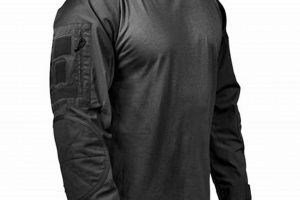
Tip 5: Appropriate Attire: Wearing appropriate clothing, including long sleeves, pants, and sturdy footwear, can offer a degree of protection against BB impacts and environmental hazards. Consider tactical gear and protective padding in high-risk areas.
Tip 6: Awareness of Surroundings: Maintaining situational awareness is crucial. Be cognizant of other players’ locations, potential obstacles, and the boundaries of the playing field.
Tip 7: Respectful Gameplay: Promote responsible and ethical gameplay by calling hits honestly and refraining from unsportsmanlike conduct. This fosters a safer and more enjoyable experience for all participants.
These recommendations represent a proactive approach to minimizing potential harm and enhancing the overall safety of airsoft activities. Consistent application of these guidelines will contribute to a more secure and enjoyable experience.
The subsequent section will examine the legal considerations and regulations governing airsoft activities.
1. Eye Injuries

The potential for ocular trauma represents a primary safety concern within the context of airsoft. Projectiles propelled at high velocities, even relatively low-mass BBs, pose a significant risk to the unprotected eye. Resultant injuries can range from corneal abrasions and hyphema (bleeding within the eye) to more severe and potentially sight-threatening conditions such as retinal detachment or globe rupture. Consequently, the possibility of eye injury forms a critical component in any assessment of the hazards associated with airsoft.
Numerous documented cases illustrate the consequences of inadequate eye protection in airsoft. Reports of permanent vision loss following seemingly minor impacts underscore the necessity of adhering to stringent safety protocols. Furthermore, the nature of airsoft, often involving close-quarters engagements and rapid movements, increases the likelihood of accidental impacts to the face and eyes. The consistent and correct utilization of appropriate eye protection, meeting established safety standards (e.g., ANSI Z87.1), constitutes a crucial safeguard against these risks. A singular failure in this area can immediately impact the perceived danger.
In summary, the correlation between inadequate or absent eye protection and the potential for serious ocular trauma highlights a core consideration when evaluating the potential for harm in airsoft. While airsoft, when practiced with proper safety measures, is a relatively safe activity, this element needs to be kept in mind when accessing airsoft. Understanding this risk and implementing effective preventative strategies are paramount for ensuring a safer experience for all participants.
2. Velocity Limits and Airsoft Safety

Velocity limits represent a fundamental safety measure within the sport of airsoft, directly influencing the potential for injury and thus the overall assessment of its inherent dangers. These restrictions are designed to mitigate the impact force of projectiles, reducing the severity of potential injuries sustained during gameplay.
- Regulation of Projectile Kinetic Energy
Velocity limits, typically expressed in feet per second (FPS) with a standard weight BB, serve to regulate the kinetic energy transferred upon impact. Higher velocities equate to greater energy transfer, increasing the risk of penetration, bruising, and more severe injuries. Establishing maximum FPS values is therefore crucial in minimizing the potential for harm. Specific fields may further limit joules.
- Different Velocity Limits Based on Role
Airsoft frequently employs role-based gameplay, with certain roles (e.g., sniper) potentially utilizing higher-powered airsoft guns. However, even in these cases, velocity limits are strictly enforced and often accompanied by minimum engagement distances. This ensures that even higher-powered weaponry is used responsibly and does not pose an undue risk to other players, reducing the risk of an airsoft guns.
- Enforcement and Compliance
The effectiveness of velocity limits hinges on consistent enforcement and player compliance. Chronographs are used to measure the FPS of airsoft guns, and those exceeding the established limits are typically prohibited from use. Player adherence to these regulations is paramount, as any deviation can significantly elevate the risk of injury for themselves and others.
- Impact on Protective Gear Effectiveness
Velocity limits are intrinsically linked to the effectiveness of protective gear. While protective equipment such as eye protection and face masks are designed to withstand impacts from airsoft BBs, their protective capacity is contingent upon the projectile’s velocity. Exceeding the established velocity limits can compromise the integrity of protective gear, increasing the likelihood of injury. BB impacts at higher velocities can be more dangerous.
The implementation and rigorous enforcement of velocity limits represent a critical factor in determining the relative safety of airsoft. These regulations, when coupled with appropriate protective gear and responsible gameplay, significantly reduce the potential for severe injuries, contributing to a safer and more enjoyable experience. Conversely, disregard for velocity limits directly increases the risk of harm, underscoring their importance in mitigating the dangers associated with airsoft.
3. Protective Gear
Protective gear constitutes a critical element in mitigating the potential dangers inherent in airsoft activities. Its purpose is to shield participants from injuries resulting from projectile impacts, thereby directly influencing the overall assessment of whether airsoft activities present undue risks.
- Eye Protection Standards
The cornerstone of airsoft protective gear is the utilization of full-seal goggles or full-face masks certified to meet or exceed ANSI Z87.1 standards. This certification ensures that the eyewear can withstand the impact of airsoft projectiles traveling at specified velocities, preventing potentially severe ocular injuries. Failure to employ compliant eye protection dramatically increases the risk of irreversible vision damage.
- Facial and Dental Protection
Beyond eye protection, the use of lower-face masks or shields offers crucial safeguarding for the mouth, teeth, and lower facial region. These devices protect against broken teeth, lacerations, and other trauma that can result from direct impacts. While eye protection is generally mandatory, lower-face protection is strongly recommended, particularly in close-quarters combat scenarios where the likelihood of facial impacts increases.
- Body Armor and Padding
While not always mandatory, the use of padded vests, tactical gear, and appropriate clothing contributes to overall protection against bruising and minor abrasions resulting from projectile impacts to the torso and limbs. Such protective clothing can significantly enhance comfort and reduce the potential for superficial injuries during extended gameplay. Tactical clothing also offers some protection from the environment.
- The Role of Protective Gear in Risk Mitigation
The consistent and correct utilization of appropriate protective gear represents a proactive approach to minimizing the potential for serious injuries in airsoft. When combined with adherence to field rules, velocity limits, and responsible gameplay, protective gear significantly reduces the risks associated with the activity. Conversely, the absence or improper use of protective gear directly increases the likelihood of injury, emphasizing its importance in assessing the potential hazards of airsoft.
The effectiveness of protective gear in mitigating harm underscores its significance in shaping the perception of airsoft as a relatively safe recreational activity. When participants consistently employ appropriate protective measures, the potential for severe injuries is substantially reduced, contributing to a more secure and enjoyable experience.
4. Field Rules
The establishment and enforcement of field rules are pivotal in shaping the safety profile of airsoft activities. Their presence and adherence directly influence the level of risk associated with participation, thereby playing a key role in determining whether participation “is airsoft dangerous”. These rules govern various aspects of gameplay, aiming to minimize the potential for accidents and injuries.
- Minimum Engagement Distances
Many fields institute minimum engagement distances, stipulating that players must maintain a certain separation before engaging an opponent. This rule is particularly relevant when higher-velocity airsoft guns are permitted, reducing the risk of close-range impacts that could cause significant bruising or injury. Violating this distance can lead to penalties and reflects on the user’s perceived danger.
- Designated Safe Zones
Fields typically establish designated safe zones where airsoft guns must be unloaded, have their safety mechanisms engaged, and magazines removed. These zones provide a secure environment for players to adjust equipment, take breaks, and interact without the risk of accidental discharge. Strict adherence to safe zone protocols is critical for preventing unintended injuries.
- Prohibited Areas and Actions
Field rules often delineate specific areas that are off-limits to gameplay, such as parking lots, spectator areas, or environmentally sensitive zones. Additionally, certain actions, such as blind firing (shooting without aiming) or physical contact, are generally prohibited to prevent accidental injuries and maintain fair play. These restrictions contribute significantly to a controlled and safer environment.
- Medication of Game Rules
Medication of game rules typically include the definition and restriction of game modes allowed. The specific game modes allowed can change whether or not the field is perceived as being dangerous. Certain fields might only allow objective based gameplay, which will prevent people from blindly running into each other.
In essence, field rules provide a structured framework for airsoft gameplay, mitigating potential hazards and promoting a safer experience for all participants. The consistent application and enforcement of these regulations contribute significantly to a reduction in the overall risk associated with airsoft, demonstrating their importance in determining whether it presents an acceptable level of danger.
5. Responsible Behavior and Safe Airsoft Practices

Responsible behavior is a crucial determinant in mitigating the risks inherent in airsoft. Actions undertaken by participants directly affect the likelihood of incidents and injuries. A direct correlation exists: irresponsible behavior elevates the danger, while responsible conduct promotes a safer environment. Consider instances where players disregard safety protocols, resulting in accidental injuries. This highlights the direct cause-and-effect relationship between conduct and potential harm. The opposite example is when players follow the rules.
The significance of responsible behavior extends beyond mere rule adherence. It encompasses a proactive approach to safety, including equipment maintenance, pre-game briefings, and clear communication during gameplay. For example, failure to properly maintain airsoft guns can lead to malfunctions, increasing the risk of accidental discharge. Similarly, unclear communication can result in confusion and unintended engagements, heightening the potential for friendly fire incidents.
Understanding the connection between behavior and safety is essential for fostering a culture of responsibility within the airsoft community. Encouraging players to prioritize safety, respect field rules, and hold each other accountable creates a safer environment for all. This collective approach to safety is paramount in mitigating the dangers associated with airsoft and ensuring its continued viability as a recreational activity.
6. Weapon handling
Safe weapon handling practices are intrinsically linked to the safety profile of airsoft activities. Mishandling airsoft guns can significantly increase the risk of accidents, contributing directly to the perception of potential harm. Adherence to established protocols for handling, storing, and maintaining these devices is crucial in mitigating the dangers inherent in the sport.
Proper weapon handling encompasses several key elements. Firstly, consistent application of the safety mechanism when not actively engaged in gameplay is paramount. Secondly, maintaining muzzle awareness, ensuring the airsoft gun is pointed in a safe direction at all times, prevents accidental discharge from resulting in injury. Thirdly, proper storage practices, such as keeping airsoft guns unloaded and secured when not in use, prevents unauthorized access and potential misuse. For instance, news reports of children accidentally shooting themselves or others after gaining access to unsecured airsoft guns illustrate the dire consequences of neglecting safe storage protocols. The practical significance of understanding these safety principles is evident in reduced incident rates at fields where such training is emphasized. Many professional players also offer weapon handling courses.
In summary, responsible weapon handling is a non-negotiable aspect of safe airsoft participation. It directly minimizes the potential for accidents, injuries, and misuse, thereby reducing the risk associated with the activity. Continued emphasis on weapon handling education and consistent enforcement of safety protocols are essential for fostering a safer environment for all participants and ensuring that airsoft remains a responsible and enjoyable recreational pursuit.
7. Environmental Factors

Environmental factors significantly influence the potential dangers present during airsoft activities. The playing environment introduces variables that can either mitigate or exacerbate inherent risks, thereby affecting the overall safety profile of the sport. An understanding of these factors is crucial in assessing the potential for accidents and injuries.
- Terrain Considerations
The nature of the terrainwhether it is uneven, wooded, or urbandirectly impacts the risk of slips, trips, and falls. Rough terrain increases the likelihood of ankle sprains, knee injuries, and other musculoskeletal traumas. Playing in heavily wooded areas may also present hazards such as hidden obstacles, sharp branches, and stinging insects. Conversely, flat, well-maintained fields offer a more controlled environment, reducing the risk of terrain-related injuries.
- Weather Conditions
Adverse weather conditions, such as rain, snow, or extreme temperatures, can significantly compromise player safety. Rain and snow create slippery surfaces, increasing the risk of falls. Extreme heat can lead to dehydration, heatstroke, and exhaustion, while extreme cold can result in hypothermia. These weather-related factors necessitate appropriate clothing, hydration strategies, and game modifications to mitigate potential harm.
- Lighting Conditions
Inadequate lighting, particularly during indoor or nighttime games, increases the risk of collisions and misidentification of targets. Reduced visibility can make it difficult to navigate the playing field, increasing the likelihood of accidents. Furthermore, low-light conditions can impair the effectiveness of eye protection, making players more vulnerable to projectile impacts. Properly illuminated fields, or the use of tactical lights, are essential for ensuring player safety in low-light environments.
- Field Obstacles and Hazards
The presence of obstacles and hazards on the playing field, such as barbed wire, broken glass, or exposed electrical wiring, poses a significant risk of injury. Such hazards should be clearly marked and removed whenever possible. Players must also exercise caution when navigating these obstacles, avoiding unnecessary risks and prioritizing safety. Regular field inspections and maintenance are crucial for identifying and mitigating potential hazards.
In conclusion, environmental factors play a critical role in determining the safety of airsoft activities. By understanding and addressing these factors, field operators and participants can minimize the potential for accidents and injuries, creating a safer and more enjoyable experience for all involved. A proactive approach to environmental safety is essential for reducing the perceived risks and ensuring the continued viability of airsoft as a recreational pursuit.
Frequently Asked Questions
The following questions address common concerns and misconceptions regarding the potential risks associated with airsoft activities.
Question 1: What is the primary source of potential injury in airsoft?
The primary source of potential injury stems from projectile impacts, specifically to the eyes. While other injuries can occur, ocular trauma poses the most significant and potentially severe risk.
Question 2: How effective is eye protection in preventing injuries?
Certified eye protection, meeting ANSI Z87.1 standards or equivalent, is highly effective in preventing eye injuries. Consistent and correct usage is crucial, as any lapse in protection significantly increases the risk.
Question 3: Why are velocity limits enforced in airsoft?
Velocity limits are enforced to regulate the kinetic energy of projectiles, minimizing the potential for penetration, bruising, and other impact-related injuries. Adherence to these limits is essential for ensuring player safety.
Question 4: What role do field rules play in risk mitigation?
Field rules establish a structured framework for gameplay, mitigating potential hazards through measures such as minimum engagement distances, designated safe zones, and prohibited actions. Consistent enforcement of these rules contributes significantly to a safer environment.
Question 5: How does responsible player behavior contribute to safety?
Responsible player behavior, encompassing adherence to rules, ethical gameplay, and proactive communication, fosters a culture of safety. This collective responsibility minimizes the potential for accidents and injuries.
Question 6: Do environmental factors influence the risk level in airsoft?
Yes, environmental factors such as terrain, weather conditions, and lighting can significantly impact the risk level. Uneven terrain, adverse weather, and poor lighting increase the likelihood of accidents and injuries.
In summary, while inherent risks exist, the consistent application of safety measures, adherence to rules, and responsible behavior significantly mitigate the dangers associated with airsoft.
Conclusion
The preceding analysis reveals that the query “is airsoft dangerous” elicits a complex response. While inherent risks exist, primarily stemming from projectile impact, the implementation of comprehensive safety measures demonstrably mitigates the potential for severe injuries. These measures include mandatory protective gear, enforced velocity limits, adherence to field rules, responsible player conduct, and awareness of environmental factors.
The ultimate determination of the risk level associated with airsoft rests on the consistent and diligent application of these safety protocols. Failure to prioritize and enforce these measures elevates the potential for harm. Continued education, rigorous rule enforcement, and a commitment to responsible behavior are essential for ensuring a safe and enjoyable experience, ultimately shaping the perception and reality of the sport’s inherent dangers.