![Airsoft 101: How to Safely Transport Airsoft Guns [Guide]](data:image/svg+xml;base64,PHN2ZyB4bWxucz0iaHR0cDovL3d3dy53My5vcmcvMjAwMC9zdmciIHdpZHRoPSI0NzQiIGhlaWdodD0iNzQiIHZpZXdCb3g9IjAgMCA0NzQgNzQiPjxyZWN0IHdpZHRoPSIxMDAlIiBoZWlnaHQ9IjEwMCUiIHN0eWxlPSJmaWxsOiNjZmQ0ZGI7ZmlsbC1vcGFjaXR5OiAwLjE7Ii8+PC9zdmc+ "Airsoft 101: How to Safely Transport Airsoft Guns [Guide] Ultimate Airsoft Guide for Beginners, Tactics & Gear Reviews")
The safe and legal carriage of realistic imitation firearms, particularly those used in recreational activities, is a critical consideration for participants. Improper handling during relocation can lead to legal repercussions and potential safety hazards. Established protocols exist to mitigate these risks and ensure compliance with applicable laws.
Adhering to transportation guidelines provides peace of mind, protecting individuals from unintended legal consequences. Furthermore, responsible handling promotes a positive public image of the sport, fostering acceptance and reducing the likelihood of restrictions or bans. Historically, incidents arising from the careless movement of these items have prompted stricter regulations.
The following sections will outline specific methods for secure packaging, relevant legal considerations at both the state and federal levels, and best practices for minimizing risk during travel via various modes of transportation.
Essential Guidelines for Airsoft Gun Transportation
The following recommendations are designed to facilitate the safe and lawful relocation of airsoft devices. Strict adherence to these guidelines is paramount to minimizing risk and ensuring compliance with regulatory requirements.
Tip 1: Utilize Appropriate Cases: Employ hard-sided cases or padded bags designed specifically for firearms or sporting equipment. This offers protection against physical damage and conceals the contents from view.
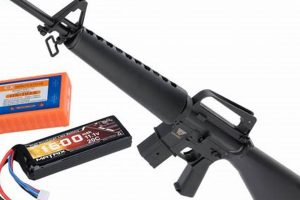
Tip 2: Ensure Devices are Unloaded: Remove all magazines, batteries, and propellant sources (e.g., CO2 cartridges, gas canisters) before packing. Verify that the chamber is empty and the device is incapable of firing.
Tip 3: Store Magazines and Accessories Separately: Keep magazines, batteries, and ammunition in a separate compartment or container. This prevents accidental activation and demonstrates a commitment to safety.
Tip 4: Maintain Original Packaging: Whenever feasible, retain the original packaging. This readily identifies the item as an airsoft device and provides a secure means of transport.
Tip 5: Comply with Local and State Laws: Research and understand the applicable regulations pertaining to airsoft devices in the originating and destination locations. Laws may vary significantly, particularly regarding transportation through specific jurisdictions.
Tip 6: Avoid Open Display: Refrain from displaying the airsoft device in public areas. Maintain a low profile to prevent alarming onlookers or attracting unwanted attention.
Tip 7: Secure Within Vehicle: When transporting via vehicle, store the encased airsoft device in the trunk or cargo area, out of plain sight. This prevents theft and reduces the risk of misinterpretation during traffic stops.
Following these guidelines ensures responsible handling and minimizes the potential for misunderstanding or legal complications during airsoft equipment movement.
The subsequent section will address the legal framework surrounding airsoft device ownership and transportation, providing a more comprehensive understanding of relevant regulations.
1. Case or bag requirement

The mandate to utilize a case or bag represents a fundamental component of responsible handling during relocation. It directly addresses both security and public perception, serving as a primary safeguard against accidental discharge, theft, and misinterpretation.
- Concealment and Public Safety
Cases and bags conceal the airsoft device, preventing alarm or panic in public spaces. Openly displaying what may resemble a firearm can lead to misunderstandings, police intervention, or even accidental shootings by civilians unfamiliar with airsoft replicas. A dedicated container mitigates these risks by keeping the device out of sight.
- Protection from Damage
Airsoft devices, while often robust, are susceptible to damage during transport. Cases and bags, particularly hard-sided ones, offer protection from impacts, scratches, and other physical stresses. This safeguards the functionality of the device and ensures its operational integrity upon arrival.
- Legal Compliance and Demonstrating Responsibility
Many jurisdictions require airsoft devices to be transported in a closed container. Using a case or bag demonstrates adherence to these legal requirements and conveys a responsible attitude toward handling realistic imitation firearms. This can be crucial during encounters with law enforcement officials.
- Organization and Accessory Management
Cases and bags often provide compartments or organizational features for storing magazines, batteries, and other accessories. This ensures that all related items are transported together and prevents the loss or misplacement of essential components.
Therefore, the selection and consistent use of an appropriate case or bag are integral to the safe, legal, and responsible transport of airsoft devices. It represents a tangible step in mitigating risk and fostering a positive image of the sport.
2. Unloaded Device Mandate

The requirement for an unloaded device during relocation constitutes a cornerstone of safe handling practices and a vital component of responsibly moving airsoft devices. Its significance lies in the prevention of accidental discharge and the reduction of potential harm during transit.
- Prevention of Accidental Discharge
The primary rationale behind the unloaded device mandate is the elimination of the risk of unintentional firing. A loaded airsoft device, even with a safety mechanism engaged, poses a potential hazard if subjected to impact or mishandling. Removing the magazine, battery, or gas propellant, and verifying an empty chamber, renders the device incapable of firing, thus preventing accidental injury or property damage during transport. Real-world examples include situations where dropped cases or jostling during travel could inadvertently activate a loaded device.
- Legal Ramifications and Compliance
Many jurisdictions have specific legal stipulations regarding the transportation of realistic imitation firearms. These laws frequently mandate that the device be unloaded and securely stored. Failure to comply with these regulations can result in fines, confiscation of the airsoft device, or even criminal charges. Adhering to the unloaded device mandate demonstrates a commitment to lawful behavior and mitigates the risk of legal repercussions during transportation.
- Mitigation of Public Alarm and Misinterpretation
An unloaded airsoft device, while still resembling a firearm, presents a reduced level of perceived threat compared to a loaded one. In the event of accidental exposure during transit, an unloaded device is less likely to trigger alarm or misinterpretation by law enforcement or the general public. This reduced risk of misinterpretation can prevent unnecessary interventions and maintain a positive image of the sport.
- Safe Storage Practices and Device Longevity
Storing airsoft devices unloaded promotes better maintenance practices and potentially prolongs the life of internal components. Leaving magazines loaded for extended periods can degrade spring tension, while pressurized gas reservoirs can leak over time. Unloading the device after use and before transport contributes to proper long-term storage and prevents potential damage to the device’s functionality.
In summary, the unloaded device mandate is not merely a suggestion but a critical safety measure and legal requirement integral to responsible transit. By diligently adhering to this protocol, individuals minimize the potential for accidents, legal issues, and public misinterpretations, ensuring the safe and lawful relocation of airsoft devices.
3. Battery/Propellant Removal
The removal of batteries or propellant sources is a non-negotiable step in the secure relocation process. This practice directly mitigates the risk of unintentional activation during transit, transforming the device from a potentially hazardous item into a deactivated component. Real-world scenarios involving rough handling, accidental impacts, or extreme temperature fluctuations could all trigger discharge if a power source remains connected or if a pressurized gas canister remains installed. The act of removing these components serves as a critical safeguard, ensuring the device cannot be fired inadvertently during the course of travel.
Furthermore, compliance with legal mandates frequently hinges on this specific action. Many jurisdictions explicitly require the disconnection of power sources and the emptying of propellant reservoirs during transportation. Failure to adhere to these regulations may result in legal penalties, including fines, device confiscation, or more severe charges. Therefore, removal is not merely a safety precaution, but often a legal imperative. Consider the example of crossing state lines where regulations regarding realistic imitation firearms can vary considerably. A seemingly minor oversight, such as leaving a battery connected, could lead to significant legal complications.
In conclusion, Battery/Propellant removal represents a crucial intersection of safety protocols and legal compliance. By prioritizing this step, individuals actively reduce the risk of accidental discharge, demonstrate responsible handling practices, and safeguard themselves from potential legal ramifications. The importance of this procedure cannot be overstated in the context of safely and lawfully transporting airsoft devices. Overlooking this single aspect undermines the entire process, potentially negating all other precautionary measures.
4. Separate magazine storage

The practice of storing magazines separately from airsoft devices during transport is a critical element within the overall methodology of safely relocating these items. This protocol serves multiple purposes, each contributing to minimizing risk and ensuring compliance.
- Prevention of Accidental Loading
Storing magazines separately reduces the possibility of inadvertently loading the device during transport. Even with safety mechanisms engaged, jostling or accidental handling could potentially lead to a magazine being partially or fully inserted, creating a loaded condition. Separating the magazines eliminates this risk, ensuring the device remains incapable of firing.
- Enhanced Safety Awareness
The act of consciously storing magazines separately reinforces a mindset of safety and responsibility. It serves as a physical reminder of the need to maintain a clear distinction between storage and operational use. This heightened awareness can contribute to safer handling practices overall.
- Legal Compliance and Demonstration of Intent
In certain jurisdictions, specific regulations may exist concerning the storage and transport of realistic imitation firearms. While not always explicitly mandated, separate magazine storage can serve as evidence of responsible intent and compliance with the spirit of the law. It demonstrates a proactive approach to safety and a commitment to minimizing potential risks.
- Organization and Inventory Management
Separate storage facilitates better organization and inventory management of magazines and related accessories. It ensures that all components are accounted for and prevents misplacement or loss during transport. This can be particularly useful when transporting multiple devices or magazines.
The cumulative effect of these facets underscores the importance of separate magazine storage as an integral component of responsible transport practices. By consciously adhering to this protocol, individuals demonstrate a commitment to safety, compliance, and the overall reduction of risk associated with relocating airsoft devices.
5. Concealed carry preference

The preference for concealed carry during the transport of airsoft devices stems from a confluence of legal considerations, safety protocols, and public perception management. While not always a legal requirement, opting for concealed transport often represents a responsible and prudent approach.
- Mitigating Public Alarm
The primary benefit of concealed transport is the reduction of public alarm. Openly displaying what may be perceived as a firearm, even if it is an airsoft replica, can cause distress or panic among onlookers. Concealment minimizes this risk by preventing visual identification of the device, thereby reducing the potential for misinterpretation or unwarranted concern.
- Compliance with ‘Reasonable Person’ Standard
Legal interpretations often rely on the “reasonable person” standard, which assesses whether an action would cause alarm or fear in a typical member of the public. Openly carrying an airsoft device could be deemed unreasonable in many circumstances, potentially leading to police intervention. Concealment helps to avoid this scenario by minimizing the visibility of the item.
- Preventing Theft and Vandalism
Concealment also serves as a deterrent to theft. An airsoft device visible within a vehicle or while being carried is more likely to attract the attention of potential thieves. Concealing the device makes it less appealing as a target, thereby reducing the risk of theft or vandalism.
- Reinforcing Responsible Ownership
Choosing concealed transport demonstrates a commitment to responsible ownership and handling of realistic imitation firearms. It signals an understanding of the potential for misinterpretation and a proactive effort to minimize any negative impact on public perception. This responsible approach can foster a more positive image of the sport and its participants.
In conclusion, while specific legal requirements may vary, the preference for concealed transport during the relocation of airsoft devices aligns with principles of safety, responsibility, and public perception management. It represents a best practice approach that minimizes risk and promotes a positive image of the sport.
6. Local law compliance

Local law compliance is a critical determinant in the lawful transportation of airsoft devices. Varying municipal and state regulations directly influence permissible transport methods, storage requirements, and even device characteristics. Failure to adhere to these localized ordinances can result in legal penalties, including fines, device confiscation, or criminal charges. The inherent variability in regulations across different jurisdictions necessitates thorough research before commencing any relocation of airsoft equipment.
Consider the example of transporting an airsoft rifle across state lines. One state may mandate that the device be transported in a locked, opaque container, while another may have no such requirement. Furthermore, some municipalities may have restrictions on the color or markings of airsoft devices, requiring them to be brightly colored to differentiate them from real firearms. Ignoring these nuances in local laws creates a significant risk of legal entanglement. Furthermore, law enforcement interactions are significantly influenced by compliance. Demonstrating an understanding of, and adherence to, local regulations often leads to more cooperative and less confrontational encounters.
In conclusion, thorough research and strict adherence to local regulations are paramount to the lawful and responsible relocation of airsoft devices. The potential consequences of non-compliance far outweigh the effort required to ensure adherence. Responsible airsoft enthusiasts must prioritize understanding and respecting the legal framework governing their activities in each specific location they traverse.
7. Vehicle securement protocol
Vehicle securement protocols are inextricably linked to the responsible carriage. These protocols dictate the appropriate methods for securing encased devices within a vehicle during transit, aiming to mitigate risks associated with theft, accidental exposure, and potential misinterpretation by law enforcement or the public. Improper securement can lead to a cascade of negative consequences, ranging from device loss to legal complications and public safety concerns. For instance, an unsecured case sliding around in the back of a vehicle could open during a sudden stop, exposing the contents and potentially alarming other motorists or pedestrians. Such a scenario could prompt emergency calls and escalate into a tense situation with law enforcement.
The practical application of vehicle securement protocols involves several key actions. First, the device, properly encased, should be placed in the trunk or cargo area, out of plain sight. This minimizes the risk of theft and reduces the likelihood of casual observation by passersby. Second, the case should be physically secured to prevent movement during transit. This can be achieved through the use of tie-down straps, cargo nets, or by positioning the case behind other heavy objects that will prevent it from sliding. Third, any visible indicators of the contents (e.g., airsoft stickers or logos on the case) should be covered or removed to maintain discretion. The effectiveness of these protocols is exemplified by cases where responsible airsoft enthusiasts, stopped for routine traffic violations, experienced minimal issues because their equipment was securely stored and out of sight, demonstrating a clear commitment to safety and compliance.
In conclusion, Vehicle securement protocols are a vital component of responsible transport. Their conscientious implementation reduces the risk of theft, minimizes the potential for accidental exposure, and promotes a positive public perception of the sport. Challenges arise when individuals are unaware of local regulations or neglect to prioritize securement due to convenience or haste. Overcoming these challenges requires education, awareness, and a consistent commitment to responsible handling. Failure to prioritize securement undermines all other safety precautions, potentially jeopardizing both individual well-being and the reputation of the airsoft community.
Frequently Asked Questions
This section addresses common inquiries regarding safe and legal practices for relocating airsoft devices. Understanding these points is crucial for responsible airsoft ownership.
Question 1: Is a specialized case mandatory for transporting airsoft devices?
While not universally mandated, a hard-sided case or padded bag designed for firearms or sporting equipment is strongly recommended. It provides protection from damage, conceals the device, and demonstrates responsible handling. Some jurisdictions may legally require a closed container.
Question 2: What constitutes an “unloaded” airsoft device for transport purposes?
An “unloaded” device implies that the magazine is removed, the chamber is empty, and any battery or propellant source (e.g., CO2 cartridge, gas canister) is disconnected. The device must be rendered incapable of firing during transport.
Question 3: How do regulations vary across different states or municipalities?
Regulations pertaining to airsoft devices can differ significantly across jurisdictions. Some areas may restrict device characteristics, such as color or markings, while others may have specific transport requirements. It is imperative to research and comply with the laws of the originating and destination locations.
Question 4: Is it permissible to transport airsoft devices in checked baggage on commercial airlines?
Most airlines permit the transport of airsoft devices in checked baggage, provided they are unloaded, securely encased, and declared to the airline. However, policies vary, and it is essential to confirm specific airline regulations prior to travel. Hand-carrying is typically prohibited.
Question 5: What documentation is recommended to accompany an airsoft device during transport?
While not always required, it is advisable to carry documentation that identifies the device as an airsoft replica, such as the original packaging or a sales receipt. This can assist in clarifying the item’s nature during encounters with law enforcement or transportation authorities.
Question 6: What steps should be taken if stopped by law enforcement while transporting an airsoft device?
Remain calm and cooperative. Inform the officer that a realistic imitation firearm is being transported, and clearly articulate its unloaded and secured status. Provide any requested documentation and comply with all instructions provided by the officer. Avoid any sudden movements that could be misconstrued.
The safe and legal transport requires vigilance, pre-planning, and knowledge. The information presented in this FAQ is not exhaustive, but it does give the foundation for all the carrier.
The following chapter will offer a concise checklist for transport to serve as reference guide.
Conclusion
This exposition has detailed crucial elements for lawful movement, encompassing case requirements, unloading mandates, securement protocols, and adherence to local regulations. Diligent adherence to these guidelines minimizes the potential for legal complications and enhances safety during device relocation.
Responsible handling reflects positively on the sport, fostering acceptance and mitigating the risk of restrictive legislation. Prioritizing safety and legal compliance safeguards individuals and the broader airsoft community. Continuous awareness and adherence to evolving regulations are essential for maintaining the integrity of this activity.