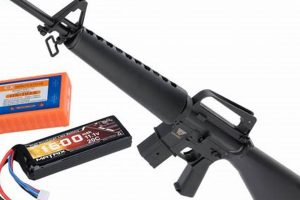
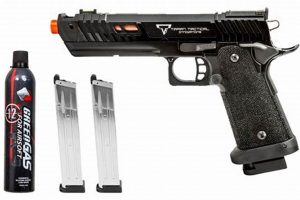
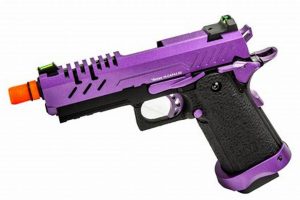
The process of listing and transferring ownership of airsoft replicas via internet platforms involves navigating legal frameworks, marketplace policies, and secure transaction protocols. These simulated firearms necessitate responsible handling within the digital commerce landscape, considering federal, state, and local regulations pertaining to their sale and purchase. Specific examples include age verification requirements, limitations on shipping across state lines, and adherence to orange tip laws for visual differentiation from real firearms.
Facilitating these transactions online provides increased accessibility to a wider customer base compared to brick-and-mortar establishments. It also enables sellers to manage inventory more efficiently and offer competitive pricing. Historically, online sales have transformed the airsoft market, expanding participation in the sport and fostering a vibrant community of enthusiasts. However, it is crucial to recognize the inherent risks associated with online commerce, such as fraud and misrepresentation, which necessitate stringent security measures.
The subsequent sections will address key considerations for legally and effectively approaching the distribution of airsoft replicas via the internet. This includes examining platform selection, regulatory compliance, safe packaging and shipping procedures, and secure payment processing methods. A thorough understanding of these elements is paramount for mitigating legal and logistical challenges, ensuring a smooth and successful transaction experience for both the seller and the buyer.
Essential Guidance for Listing and Selling Airsoft Replicas Online
The following recommendations are intended to provide guidance for conducting legal and secure transfers of airsoft replicas using internet platforms.
Tip 1: Platform Selection: Prioritize established online marketplaces or specialized airsoft forums with defined policies for selling these items. Review the platform’s terms of service meticulously to ensure compliance and understand their dispute resolution processes.
Tip 2: Regulatory Compliance: Thoroughly research and adhere to all applicable federal, state, and local regulations pertaining to airsoft gun sales. This includes age verification requirements, restrictions on interstate shipping, and mandatory markings such as orange tips. Consult legal counsel if clarification is needed.
Tip 3: Detailed Product Descriptions: Provide accurate and comprehensive descriptions of each airsoft replica, including its make, model, condition, performance specifications (e.g., FPS), and any included accessories. High-quality photographs from multiple angles are essential to accurately represent the item.
Tip 4: Secure Payment Processing: Utilize secure payment gateways that offer buyer and seller protection. Avoid direct bank transfers or untraceable payment methods. Document all transactions meticulously.
Tip 5: Safe Packaging and Shipping: Package each airsoft replica securely to prevent damage during transit. Employ appropriate padding materials and clearly label the package with relevant warnings (e.g., “Fragile,” “Handle with Care”). Select a reputable shipping carrier that provides tracking and insurance.
Tip 6: Age Verification Protocols: Implement a robust age verification process to confirm the buyer is of legal age to purchase an airsoft replica in their jurisdiction. This may involve requesting copies of government-issued identification.
Tip 7: Documented Communication: Maintain a clear and documented record of all communication with potential buyers, including inquiries, negotiations, and agreements. This can prove invaluable in resolving disputes.
Adhering to these guidelines will significantly mitigate risks associated with listing and selling airsoft replicas via online channels, fostering a safe and responsible transaction environment.
The article will now proceed to discuss potential pitfalls and challenges inherent in this process.
1. Legality

The legal landscape surrounding the sale of airsoft replicas is complex and varies significantly based on jurisdiction. Understanding and adhering to applicable laws is not merely advisable, but mandatory for anyone engaging in online airsoft commerce. Failure to comply can result in legal penalties, including fines, confiscation of goods, and potential criminal charges.
- Federal Regulations
At the federal level, regulations primarily focus on ensuring that airsoft guns are easily distinguishable from real firearms. This is largely achieved through the “orange tip” requirement, mandating that the barrel of the replica be fitted with a blaze orange marking. Failure to comply with this federal regulation can result in the item being classified as a firearm, triggering more stringent regulations. Furthermore, federal laws govern interstate commerce, potentially impacting the shipping and sales of airsoft guns across state lines.
- State and Local Laws
State and local laws exhibit substantial variation regarding the legality of owning, selling, and transporting airsoft guns. Some jurisdictions may classify airsoft guns as firearms, subjecting them to the same restrictions as real weapons. Others may impose age restrictions, storage requirements, or limitations on public display. For example, some cities may prohibit the possession of airsoft guns within city limits or require them to be transported in locked containers. Before selling to a customer in a specific location, sellers must verify all applicable state and local laws to ensure compliance.
- Age Restrictions
Most jurisdictions impose age restrictions on the purchase of airsoft guns. These restrictions are designed to prevent minors from possessing and using these replicas irresponsibly. Sellers are responsible for verifying the age of their customers through reliable methods, such as requiring government-issued identification. Neglecting age verification can result in legal liability and ethical concerns. It’s imperative for sellers to implement robust age verification procedures to ensure compliance and promote responsible sales practices.
- Shipping Restrictions
Shipping airsoft guns presents logistical and legal challenges. Certain states or localities may prohibit the import or export of airsoft guns altogether. Shipping companies may also have their own policies regarding the shipment of these items, requiring specific packaging or labeling. Sellers must carefully research and comply with all applicable shipping regulations to avoid delays, confiscation of goods, or legal penalties. It’s advisable to consult with legal counsel or shipping experts to ensure compliance and mitigate risks.
The myriad facets of legality underscore the importance of due diligence in online airsoft sales. A thorough understanding of federal, state, and local regulations, age restrictions, and shipping limitations is essential for operating a compliant and responsible business. Sellers must prioritize legal compliance to protect themselves from potential liabilities and contribute to a safer environment for the airsoft community. Ignoring the legal framework surrounding the airsoft market is simply not a viable option for any seller seeking long-term success and legitimacy.
2. Marketplace Policies

The policies established by online marketplaces constitute a critical determinant in the viability of listing and completing transactions involving airsoft replicas. These policies dictate the permissible items, seller conduct, and transaction protocols, directly influencing the methods by which airsoft guns may be offered for sale online. For instance, certain platforms, such as Amazon or eBay, may have outright prohibitions on the sale of airsoft guns, or impose stringent requirements regarding item descriptions, age verification, and geographic limitations. Failure to adhere to these stipulations can result in listing removal, account suspension, or even legal repercussions if the violations intersect with existing regulations. The implications of marketplace policies on “how to sell airsoft guns online” are far-reaching, effectively shaping the business strategies of sellers and the accessibility of airsoft replicas for potential buyers.
Consider the example of a specialized airsoft forum or classifieds website. Such platforms are typically more lenient regarding the types of airsoft guns permitted for sale but often have strict rules concerning community etiquette, accurate item representation, and dispute resolution. A seller attempting to circumvent these policies by misrepresenting an item’s condition or engaging in deceptive practices risks negative feedback, account bans, and loss of credibility within the community. Conversely, sellers who diligently comply with marketplace policies benefit from increased visibility, buyer trust, and a smoother transaction process. This underscores the need for thorough comprehension and proactive adherence to the specific rules governing the chosen platform.
In summation, marketplace policies represent a non-negotiable aspect of online airsoft sales. They establish the boundaries within which transactions can occur, influencing every stage from listing creation to payment processing and shipping. A comprehensive understanding of these policies is crucial for mitigating risks, building a reputable online presence, and ensuring legal compliance. Challenges may arise from the diversity of policies across different platforms, requiring sellers to adapt their strategies accordingly. Ultimately, the successful sale of airsoft guns online hinges on the ability to navigate and comply with the rules set forth by the chosen marketplace, creating a secure and reliable environment for both buyers and sellers.
3. Accurate Representation
The accurate depiction of airsoft replicas for sale online is not merely a matter of ethical conduct; it constitutes a fundamental pillar of legal compliance and consumer trust. Misrepresenting the condition, specifications, or functionality of an airsoft gun can lead to disputes, returns, legal action, and damage to the seller’s reputation, severely hindering the ability to successfully engage in the online marketplace.
- Photographic Integrity
High-resolution, unedited photographs from multiple angles are essential. These images should clearly showcase any imperfections, modifications, or wear and tear on the replica. Omitting or obscuring flaws constitutes misrepresentation, potentially leading to buyer dissatisfaction and claims of false advertising. For example, failing to disclose a crack in the receiver or a damaged magazine significantly deviates from accurate portrayal. The photos must precisely reflect the current state of the item.
- Detailed Specifications
Provide comprehensive and accurate technical specifications, including manufacturer, model, FPS (feet per second), magazine capacity, materials used, and any modifications made. Falsifying FPS figures or misrepresenting the materials (e.g., claiming full metal when it’s polymer) constitutes a breach of trust and can lead to legal consequences. State if item come with battery and charger or not. Transparency regarding internal components and performance is critical.
- Condition Assessment
A detailed and honest assessment of the replica’s condition is crucial. Use clear and unambiguous language to describe any scratches, dents, mechanical issues, or missing parts. Terms like “like new,” “used,” “fair,” and “as-is” should be used appropriately and accurately. Providing a comprehensive history of the item, including its usage and any repairs or modifications, fosters transparency and builds buyer confidence. For example, if the gun has been heavily used in multiple scenarios, that information should be disclosed, not hidden. For safety reasons state clearly for item that sell without any testing.
- Disclosure of Modifications
All modifications or alterations made to the airsoft replica must be explicitly disclosed. This includes aftermarket parts, internal upgrades, or any alterations to the original factory configuration. Failure to disclose modifications can mislead buyers and create false expectations regarding performance or reliability. Documenting the nature, extent, and impact of these modifications is paramount for maintaining transparency and facilitating informed purchasing decisions.
The integration of these facets of accurate representation directly impacts the viability of selling airsoft replicas online. A consistent commitment to honesty and transparency not only minimizes the risk of disputes and legal action, but also cultivates a reputation for integrity, fostering long-term relationships with buyers and ensuring a sustainable presence in the online airsoft marketplace. These practices reinforce the seller’s adherence to both legal and ethical standards, thereby reinforcing the foundation for successful online transactions of airsoft replicas.
4. Secure Transactions

The assurance of secure transactions is fundamental to the viability of online airsoft replica sales. The transfer of funds and merchandise via digital platforms inherently introduces risks of fraud, theft, and non-performance. A robust security framework is thus essential for protecting both sellers and buyers, fostering trust, and ensuring the smooth functioning of the online marketplace.
- Payment Gateway Integration
The selection and integration of secure payment gateways is a crucial aspect of facilitating safe transactions. Payment gateways act as intermediaries between the seller and the buyer’s financial institution, encrypting sensitive payment data and verifying the legitimacy of the transaction. Reputable gateways like PayPal, Stripe, or Authorize.net provide buyer and seller protection policies, mitigating the risk of fraud or non-delivery. Utilizing such services provides a layer of security that direct bank transfers or less established payment methods lack. The use of a secure payment gateway with strong encryption and fraud detection is essential to secure transfer funds. Example: Implementing two-factor authentication when accessing the payment gateway account.
- Fraud Prevention Measures
Implementing proactive fraud prevention measures is critical for mitigating financial risks. This encompasses utilizing address verification systems (AVS) to confirm the buyer’s billing address matches the information on file with their credit card issuer, employing card verification value (CVV) checks to ensure the buyer has physical possession of the card, and implementing velocity checks to detect suspicious patterns of transactions originating from the same IP address or credit card. Analyzing transaction data for red flags, such as unusually large orders or shipping addresses that differ from the billing address, can further identify potentially fraudulent activity. Example: Flagging transactions from newly created accounts with high order values.
- Escrow Services
The utilization of escrow services can provide an additional layer of security, particularly for high-value transactions. Escrow services hold the buyer’s payment in a secure account until the seller has shipped the item and the buyer has confirmed its receipt and satisfactory condition. This process protects both parties from potential fraud or misrepresentation. Once the buyer approves the transaction, the escrow service releases the funds to the seller. While escrow services may incur fees, the added security they provide can be well worth the cost, especially when dealing with expensive or rare airsoft replicas. Example: Using an escrow service for a vintage or custom-built airsoft gun.
- Data Encryption and Security Protocols
Protecting sensitive data, such as customer names, addresses, and payment information, is paramount. Implementing robust data encryption techniques, such as Secure Socket Layer (SSL) or Transport Layer Security (TLS), is essential for safeguarding data during transmission. Regularly updating security protocols and implementing firewalls and intrusion detection systems can further protect against unauthorized access and data breaches. Compliance with Payment Card Industry Data Security Standard (PCI DSS) is critical for any seller accepting credit card payments. Example: Encrypting customer databases with Advanced Encryption Standard (AES) encryption.
In conclusion, secure transactions are an indispensable component of successful online airsoft replica sales. The integration of secure payment gateways, implementation of fraud prevention measures, utilization of escrow services, and adherence to robust data encryption protocols are all essential for safeguarding both sellers and buyers from financial risks. A commitment to security fosters trust, encourages repeat business, and ensures the long-term sustainability of the online airsoft marketplace.
5. Responsible Shipping

The correlation between responsible shipping practices and the successful execution of how to sell airsoft guns online is direct and consequential. Improper packaging, inaccurate labeling, or failure to comply with shipping regulations can result in damage to the product, legal repercussions, or the denial of shipment altogether. Responsible shipping constitutes a critical component of the seller’s obligation to provide a safe and legal transaction, directly impacting customer satisfaction and the seller’s reputation. For instance, shipping an airsoft replica without the mandated orange tip, or neglecting to properly secure the item within the packaging, can lead to confiscation by shipping authorities or damage during transit, resulting in financial losses for both parties and a breach of legal requirements.
Practical applications of responsible shipping include selecting appropriate packaging materials to protect the airsoft replica from impact and environmental factors during transit. This necessitates utilizing sturdy boxes, ample padding (e.g., bubble wrap, packing peanuts), and securing the item to prevent movement within the package. Furthermore, accurate labeling is paramount; the package must clearly indicate the contents as an airsoft replica, along with any required warnings or disclaimers mandated by shipping regulations. Adhering to the shipping carrier’s specific guidelines regarding prohibited items and packaging requirements is also essential. For example, UPS and FedEx have specific policies regarding the shipment of airsoft guns, which must be carefully reviewed and followed to avoid shipment delays or refusal. Maintaining records of shipping manifests, tracking numbers, and insurance coverage provides crucial documentation in case of loss or damage during transit.
In summary, responsible shipping is not merely a logistical consideration but an integral element of how to sell airsoft guns online legally and ethically. Challenges in this area often stem from the complexity of shipping regulations and the varying policies of different carriers. Overcoming these challenges requires a commitment to thorough research, meticulous packaging practices, and proactive communication with both the shipping carrier and the buyer. By prioritizing responsible shipping, sellers can mitigate risks, foster customer trust, and ensure a positive transaction experience, ultimately contributing to the sustainability of their online business.
6. Age verification

Age verification constitutes a critical legal and ethical imperative within the framework of how to sell airsoft guns online. The sale of airsoft replicas is frequently restricted to adults due to concerns regarding potential misuse and the realistic appearance of these devices, which could lead to confusion or dangerous situations. Consequently, implementing robust age verification procedures is not merely advisable, but a necessary component of responsible online commerce in this sector.
- Legal Compliance
Numerous jurisdictions impose age restrictions on the purchase of airsoft guns, often mirroring regulations for real firearms or other potentially hazardous items. Sellers are legally obligated to verify that purchasers meet the minimum age requirement in the buyer’s location. Failure to do so can result in fines, legal action, and the loss of business licenses. Legal compliance requires implementing a system to ascertain the buyer’s age before completing the transaction.
- Ethical Responsibility
Beyond legal mandates, a commitment to ethical business practices necessitates preventing minors from acquiring airsoft guns without parental consent or supervision. Minors may lack the judgment and understanding necessary to handle these replicas safely and responsibly. Sellers have a moral obligation to ensure that their products are not misused or contribute to potentially harmful situations. Prioritizing ethical responsibility strengthens consumer trust and enhances the seller’s reputation.
- Verification Methods
Various methods exist for verifying a buyer’s age online, including requesting a copy of a government-issued identification card, utilizing third-party age verification services, or employing knowledge-based authentication techniques. Each method has its advantages and disadvantages in terms of cost, accuracy, and user experience. Selecting the most appropriate verification method requires careful consideration of these factors. Combining multiple verification methods can enhance the overall reliability of the process.
- Data Security and Privacy
When collecting personal information for age verification purposes, sellers must prioritize data security and privacy. Implementing robust security measures is essential to protect sensitive information from unauthorized access or disclosure. Compliance with data protection regulations, such as GDPR or CCPA, is also necessary. Transparency regarding data collection and usage practices fosters trust and reduces the risk of legal liability.
The interplay between these facets of age verification directly influences the viability of how to sell airsoft guns online responsibly and legally. Ignoring age verification requirements not only exposes the seller to significant legal and ethical risks but also undermines the safety and integrity of the online airsoft community. Therefore, implementing effective age verification protocols is a crucial investment for any seller seeking to establish a sustainable and reputable online business.
Frequently Asked Questions Regarding Selling Airsoft Replicas Online
This section addresses common inquiries and misconceptions pertaining to the lawful and ethical sale of airsoft replicas via online platforms. The information provided is intended for informational purposes only and does not constitute legal advice. Consultation with legal counsel is recommended to ensure full compliance with all applicable regulations.
Question 1: Is a license required to sell airsoft guns online?
Licensing requirements vary significantly by jurisdiction. Some states or localities may classify airsoft guns as firearms, necessitating a firearms dealer license. Researching and adhering to all applicable federal, state, and local regulations is imperative. Contacting relevant government agencies is advisable to determine specific licensing obligations.
Question 2: What constitutes an acceptable form of age verification for online airsoft gun sales?
Acceptable age verification methods include requiring a legible copy of a government-issued identification card (driver’s license, passport), utilizing a third-party age verification service, or employing knowledge-based authentication techniques. The chosen method must reliably confirm the buyer is of legal age in their jurisdiction. A disclaimer should be included which is the sole responsibility of the buyer for the accuracy of the document sent.
Question 3: Are there restrictions on shipping airsoft guns across state lines?
Shipping restrictions exist and vary based on state and local laws. Certain jurisdictions may prohibit the import or export of airsoft guns. Adhering to all applicable shipping regulations and carrier policies is mandatory. Consulting with legal counsel or shipping experts is advisable to ensure compliance.
Question 4: What are the potential liabilities associated with selling defective or misrepresented airsoft guns online?
Selling defective or misrepresented airsoft guns can result in legal action, including claims of breach of contract, false advertising, or negligence. Sellers may be liable for damages, including refunds, repair costs, or legal fees. Providing accurate product descriptions and thoroughly inspecting items before sale mitigates these risks.
Question 5: What steps can be taken to prevent fraudulent transactions when selling airsoft guns online?
Preventative measures include utilizing secure payment gateways, employing address verification systems (AVS), conducting card verification value (CVV) checks, and implementing velocity checks. Analyzing transaction data for red flags and requiring signatures upon delivery can further reduce the risk of fraud.
Question 6: How can a seller ensure that an airsoft gun is shipped safely and legally?
Safe shipping practices include utilizing appropriate packaging materials, clearly labeling the package with required warnings (e.g., “Fragile,” “Handle with Care”), and adhering to all applicable shipping regulations and carrier policies. Ensuring the airsoft gun has the required orange tip and is shipped in a discrete manner is also critical.
Adherence to these guidelines and a commitment to responsible business practices are essential for navigating the complexities of selling airsoft replicas online.
The following section will delve into advanced strategies for maximizing profitability while maintaining ethical and legal compliance.
Conclusion
This exploration of how to sell airsoft guns online has detailed the critical legal, ethical, and logistical considerations that govern this specialized market. Emphasis has been placed on the necessity of adhering to federal, state, and local regulations, accurately representing products, ensuring secure transactions, implementing responsible shipping practices, and rigorously verifying buyer age. Neglecting these core principles can lead to significant legal repercussions and reputational damage.
The information presented serves as a foundation for responsible participation in the online airsoft replica marketplace. Continued due diligence, staying abreast of evolving regulations, and prioritizing ethical conduct are essential for long-term success and the preservation of a safe and responsible environment for all stakeholders. Prospective sellers are urged to prioritize legal compliance above all else, recognizing that the integrity of the market depends on the adherence to established standards.