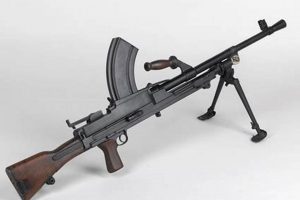
Attaching a carrying strap to an airsoft rifle involves securing a length of material, typically nylon or similar durable fabric, to the replica firearm in a manner that allows it to be easily carried hands-free. This is accomplished using various attachment points located on the guns body or rail system, and connecting them to the sling itself through buckles, clips, or loops. For example, a user might thread the sling through slots in the stock and front sight, then adjust the strap length for comfortable wear.
The practice of utilizing a firearm strap offers advantages in terms of maneuverability, weapon retention, and overall comfort during gameplay. It frees the user’s hands for tasks such as reloading, using secondary weapons, or navigating obstacles, while simultaneously preventing accidental drops or unauthorized removal of the airsoft gun. The implementation of such carrying systems has evolved from military applications to become a standard practice in airsoft, enhancing both practicality and realism.
The primary considerations when adding a carrying strap include identifying compatible attachment points, selecting the appropriate sling type for the user’s needs and the rifle’s configuration, and properly adjusting the strap for optimal comfort and accessibility. The following sections will delve into the different sling types, common attachment methods, and essential adjustment techniques to ensure secure and efficient use.
Tips for Sling Attachment on Airsoft Guns
Optimal sling installation on airsoft guns enhances weapon handling and user comfort. Consideration of various factors, outlined below, contributes to a secure and effective setup.
Tip 1: Verify Compatibility: Prior to purchasing a sling, confirm that the airsoft gun possesses compatible attachment points, such as sling swivels, rails, or stock loops. Incompatibility can necessitate modifications or specialized adapters.
Tip 2: Select the Appropriate Sling Type: Single-point, two-point, and three-point slings offer different levels of maneuverability and retention. Choose a sling that aligns with the user’s playing style and the gun’s configuration.
Tip 3: Prioritize Secure Attachment: Ensure all sling attachment hardware is properly secured and tightened. Loose connections can lead to sling detachment and potential damage to the airsoft gun.
Tip 4: Adjust Sling Length for Comfort and Accessibility: The sling should be adjusted to allow for comfortable carry and rapid weapon shouldering. Experiment with different lengths to find the optimal setting.
Tip 5: Inspect Regularly for Wear and Tear: Periodically examine the sling and its attachment points for signs of wear, fraying, or damage. Replace worn or damaged components immediately to prevent failure.
Tip 6: Consider Sling Padding: For heavier airsoft guns, a padded sling can improve comfort during extended use. Padding distributes weight more evenly and reduces pressure on the shoulder.
Tip 7: Utilize Quick-Detach Swivels: Quick-detach (QD) swivels allow for rapid sling removal and attachment. This is particularly useful in dynamic gameplay scenarios or when transitioning between weapons.
Adhering to these guidelines ensures a properly installed and maintained sling system, enhancing both the functionality and longevity of the airsoft gun.
The subsequent sections will explore specific sling types and their suitability for various airsoft gun platforms.
1. Sling Type Selection

The process of attaching a carrying strap to an airsoft gun is directly influenced by the type of sling selected. Sling type selection dictates the method of attachment, the number of required attachment points, and the overall functionality of the carrying system. A single-point sling, for instance, typically requires only one rear attachment point, usually near the receiver or stock. This contrasts with a two-point sling, which necessitates both front and rear attachment points for secure and balanced weight distribution. The selection of an incompatible sling type can preclude its proper installation, rendering it ineffective for its intended purpose.
Consider a scenario where an airsoft replica only features a single sling swivel at the rear of the receiver. While a single-point sling would be readily attachable in this situation, attempting to install a two-point sling would necessitate the addition of a front attachment point, potentially through the use of rail-mounted sling adapters or specialized handguards. Conversely, an airsoft gun with multiple attachment points offers greater flexibility in sling type selection, allowing the user to choose based on personal preference and operational requirements. The design of the sling itself determines the hardware needed for successful integration with the airsoft gun.
In conclusion, sling type selection is a foundational decision within the procedure of attaching a carrying strap to an airsoft gun. The chosen sling dictates the subsequent steps required for installation and the ultimate utility of the carrying system. Comprehending the compatibility between sling types and the airsoft gun’s attachment point configuration is crucial for achieving a secure, comfortable, and functional carrying solution. Failure to consider this aspect can result in improper installation, reduced effectiveness, and potential damage to the airsoft replica.
2. Attachment Point Compatibility

Attachment point compatibility is a foundational requirement when installing a carrying strap on an airsoft gun. The absence of compatible attachment points, or the use of unsuitable hardware, will directly impede the process and compromise the effectiveness of the sling system. For instance, attempting to secure a sling designed for quick-detach (QD) swivels to an airsoft gun lacking QD sockets will necessitate the use of adapters or modifications, adding complexity and potential instability. A direct mismatch negates the possibility of proper installation.
The configuration of attachment points directly dictates the type of sling that can be effectively utilized. An airsoft rifle with only a single rear sling mount limits the user to single-point sling configurations unless additional mounting hardware is added. Conversely, a rifle equipped with multiple QD sockets, rail-mounted sling loops, and stock slots provides greater flexibility in sling selection and attachment methods. In practice, users often encounter challenges when attempting to utilize slings designed for real firearms on airsoft replicas, as attachment point standards may differ significantly. This frequently requires the purchase of specialized airsoft-specific sling adapters to ensure a secure and reliable connection.
In summary, attachment point compatibility is a non-negotiable prerequisite for successfully adding a carrying strap to an airsoft gun. Identifying existing attachment points, understanding their limitations, and selecting compatible sling hardware are essential steps. Failure to adequately address this aspect can result in an insecure, unreliable, and ultimately ineffective sling system, thereby diminishing the user’s ability to effectively wield the airsoft gun during gameplay. The availability and suitability of attachment points are thus directly proportional to the ease and success of sling installation.
3. Hardware Secure Installation
Hardware secure installation is a critical component in the effective process of attaching a carrying strap to an airsoft gun. The stability and reliability of the sling system are directly contingent on the proper and secure mounting of all associated hardware. Any deficiency in this area can compromise weapon retention and user safety.
- Thread Locking Compounds
The application of thread locking compounds, such as Loctite, on threaded fasteners is a preventative measure against loosening due to vibration or impact. In the context of attaching a sling, the screws securing sling swivels or rail adapters are susceptible to dislodging during gameplay. Applying a thread locker to these fasteners ensures a more secure and lasting connection, mitigating the risk of hardware failure. For example, a user might apply a small amount of blue (medium-strength) Loctite to the screws holding a QD sling swivel mount on a Picatinny rail. Failure to do so could result in the screws backing out over time, causing the swivel to detach and potentially leading to the airsoft gun being dropped.
- Proper Torque Specification
Over-tightening or under-tightening fasteners can both lead to hardware failure. Over-tightening can strip threads or damage components, while under-tightening can result in loosening. Following manufacturer-specified torque values, where available, or employing appropriate tightening techniques is essential. For instance, when installing a replacement stock with integrated sling loops, the instructions may specify a torque value for the buffer tube nut. Failing to adhere to this specification could result in either a loose stock that wobbles or a stripped nut that requires replacement. Similarly, sling mounting plates that attach between the receiver and buffer tube should be properly torqued to maintain secure fitment to the airsoft gun.
- Hardware Material Compatibility
The selection of appropriate hardware materials is crucial for long-term reliability. Using steel hardware with aluminum components can lead to galvanic corrosion over time, weakening the connection. Ensuring material compatibility, such as using aluminum hardware with aluminum rails, minimizes the risk of corrosion and ensures a more durable installation. Furthermore, lower-grade metals are more prone to snapping and/or shearing. For example, the replacement of factory steel sling mounting screws with similarly sized aluminum screws will dramatically lower the lifespan of the sling mounting point. Similarly, users should avoid installing steel quick detach points into aluminum sling plates.
- Regular Inspection and Maintenance
Even with proper installation techniques, hardware can loosen or degrade over time. Regular inspection of all sling attachment points is necessary to identify and address any issues before they escalate into failures. This includes checking for loose screws, worn swivels, and damaged straps. For example, a user should periodically inspect the screws holding a sling adapter to a handguard, tightening them as needed. Additionally, lubrication of swivel mechanisms can prevent binding and prolong their lifespan. A preventative maintenance check prior to a match can ensure optimal equipment performance and mitigate the risk of malfunction.
In summary, hardware secure installation is not merely a procedural step, but an essential aspect of ensuring the overall effectiveness and safety of attaching a carrying strap to an airsoft gun. Implementing the techniques and considerations outlined above contributes significantly to a reliable and durable sling system, enhancing the user’s ability to effectively manage and utilize the airsoft gun in diverse operational scenarios. Neglecting proper hardware secure installation can nullify any benefits gained from sling use.
4. Length Adjustment Optimization

The optimization of carrying strap length is a crucial aspect of “how to put a sling on a airsoft gun” effectively. Proper length adjustment directly impacts weapon accessibility, user comfort, and overall maneuverability. Suboptimal length settings can hinder tactical performance and increase user fatigue.
- Accessibility Enhancement
A correctly adjusted carrying strap enables swift and unimpeded shouldering of the airsoft gun. Excessive strap length results in the weapon hanging too low, requiring the user to expend additional time and effort to bring the airsoft gun into a firing position. Insufficient strap length, conversely, restricts movement and makes shouldering uncomfortable. For example, during close-quarters combat scenarios, a properly adjusted sling allows for a seamless transition from a ready stance to a firing stance. The accessibility of the weapon is a critical factor in optimizing tactical effectiveness.
- Load Distribution and Ergonomics
Optimizing the length of the carrying strap contributes significantly to distributing the airsoft gun’s weight evenly across the user’s torso. This minimizes strain on specific pressure points, such as the neck or shoulders, and enhances overall comfort, particularly during extended gameplay sessions. An improperly adjusted sling can lead to muscle fatigue and discomfort, negatively impacting performance and endurance. For example, a longer strap might transfer the weight to one shoulder causing an imbalance and fatigue, while a short strap may constrict movement and cause discomfort.
- Maneuverability Facilitation
A carrying strap with an optimized length facilitates ease of movement in diverse tactical environments. The sling must allow the user to transition between primary and secondary weapons, navigate obstacles, and perform essential tasks without unnecessary encumbrance. An ill-fitting sling can impede movement, snag on obstacles, or hinder the user’s ability to maintain balance. For instance, when traversing a confined space or climbing over a barrier, an appropriately adjusted strap keeps the weapon secure and prevents it from interfering with movement.
- Stability and Recoil Management
For airsoft guns with simulated recoil or substantial weight, appropriate sling length plays a role in stability. A well-fitted sling can assist in managing the gun’s movement during firing, thereby improving accuracy. This effect is more pronounced when firing from unsupported positions or using heavier airsoft guns. Furthermore, some sling systems may incorporate tensioning features to secure the weapon tighter to the body for greater stability.
In conclusion, length adjustment optimization is not merely a matter of personal preference but a critical factor in maximizing the effectiveness of a carrying strap on an airsoft gun. This optimization directly affects accessibility, comfort, maneuverability, and stability, thereby influencing the user’s tactical performance and overall experience during gameplay. A properly adjusted sling is an essential component of a well-equipped airsoft loadout.
5. Periodic Equipment Inspection

Periodic equipment inspection is an integral component of safely and effectively employing a carrying strap system on an airsoft gun. While proper installation techniques are essential, ongoing inspection ensures the continued integrity and reliability of the sling and its associated hardware. Neglecting routine examination can lead to equipment failure, potentially resulting in weapon damage or user injury.
- Hardware Integrity Assessment
Regular inspection of sling attachment hardware, including swivels, buckles, and mounting points, is critical for detecting signs of wear, corrosion, or damage. These components are subject to stress and strain during use, and degradation can compromise their structural integrity. For example, a sling swivel might exhibit wear on its rotating mechanism, hindering smooth operation and increasing the risk of detachment. Failure to identify and address such issues can result in the sudden and unexpected failure of the sling system. Inspecting screw threads and ensuring tightness is crucial to preventing hardware loss, especially after periods of frequent use.
- Strap Material Examination
The sling strap itself warrants close scrutiny for fraying, tears, or weakening of the material. Prolonged exposure to environmental factors, such as sunlight and moisture, can degrade the fibers of the strap, reducing its load-bearing capacity. A frayed strap is more susceptible to breakage under stress. For instance, a nylon sling exposed to prolonged sunlight might exhibit discoloration and a loss of tensile strength. Regular examination of stitching and seams is also necessary, as these are common points of failure in sling systems. Catching a tear early means the sling can be repaired or replaced before it fails during an event.
- Connection Point Security Verification
The security of the connection between the sling and the airsoft gun must be verified routinely. Loose or improperly secured connection points can lead to instability and increase the likelihood of the weapon detaching from the sling. A loose sling adapter on a Picatinny rail, for example, can cause the airsoft gun to wobble or detach entirely, potentially damaging the replica. Therefore, consistent checks of connection points are necessary to ensure that all hardware remains securely fastened. Furthermore, connection points where different materials meet should be inspected for signs of galvanic corrosion.
- Functional Testing and Adjustment
Periodic functional testing involves evaluating the sling’s performance under simulated operational conditions. This includes testing the quick-release mechanisms, adjusting the strap length, and assessing the overall comfort and stability of the system. For example, a user might practice transitioning between different carrying positions to ensure that the sling functions smoothly and without any binding or interference. This allows for identifying potential problems and making necessary adjustments to optimize the sling’s performance and ensure user familiarity. Further, it allows users to adapt the slings configuration based on new equipment, loadouts, or changing game environments.
The facets of periodic equipment inspection work together to ensure the long-term reliability and safety of carrying strap systems on airsoft guns. Integrating these inspection practices into a routine maintenance schedule is critical for preventing equipment failures and maximizing the effectiveness of the sling during gameplay. The habit of inspection and upkeep preserves the integrity of the carrying strap, and contributes to both performance and safe handling of the airsoft gun.
Frequently Asked Questions
This section addresses common inquiries regarding the proper methods and considerations for affixing a carrying strap to an airsoft gun.
Question 1: What is the primary benefit of utilizing a sling on an airsoft rifle?
The primary benefit lies in enhanced weapon retention and improved maneuverability. A sling enables hands-free operation when not actively engaging targets, reducing fatigue and facilitating the use of secondary equipment.
Question 2: What are the common types of slings available for airsoft applications?
Common types include single-point, two-point, and three-point slings. Each configuration offers varying degrees of weapon stability and range of motion, depending on the user’s preferences and tactical requirements.
Question 3: What should be considered when selecting a sling for a specific airsoft gun model?
Ensure compatibility with the airsoft gun’s attachment points. Verify the presence of sling swivels, QD sockets, or rail interfaces. The chosen sling type should complement the airsoft gun’s size, weight, and intended role.
Question 4: What tools are typically needed to install a sling on an airsoft gun?
Depending on the sling and airsoft gun configuration, the necessary tools may include screwdrivers, Allen wrenches, or specialized tools for QD swivel installation. Consult the airsoft gun and sling manufacturer’s instructions for specific requirements.
Question 5: How frequently should the condition of an airsoft gun sling be inspected?
A sling should be inspected before each skirmish or training session. Examine the strap, hardware, and attachment points for signs of wear, fraying, or damage. Replace any compromised components immediately.
Question 6: Can slings designed for real firearms be used on airsoft guns?
While some slings designed for real firearms may be compatible, modifications or adapters may be required to ensure a secure and reliable fit. It is advisable to select slings specifically designed for airsoft applications.
Proper sling installation and regular maintenance are essential for maximizing the benefits of this accessory. Selecting the appropriate sling type, ensuring secure attachment, and performing routine inspections contribute to a safe and effective airsoft experience.
The subsequent section will explore advanced techniques for optimizing sling usage in dynamic gameplay scenarios.
Conclusion
The preceding examination of “how to put a sling on a airsoft gun” has underscored the critical aspects of selection, installation, maintenance, and optimization. Secure and appropriate attachment of a sling to an airsoft gun demands careful consideration of sling type, hardware compatibility, and adherence to established installation procedures. Furthermore, consistent inspection and periodic adjustments are necessary to ensure continued functionality and user safety.
Competent sling integration improves weapon handling and user performance in dynamic airsoft environments. Recognizing the importance of each step in the installation process empowers the user to achieve a reliable and effective carrying system. With diligent application of the principles discussed, participants in airsoft activities can confidently enhance their equipment configuration for both improved tactical execution and safe weapon management.