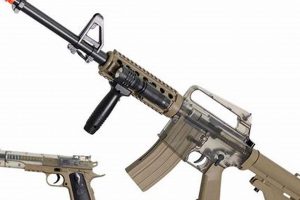
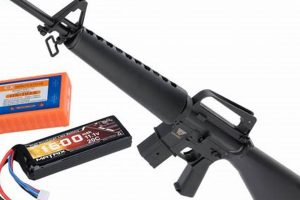
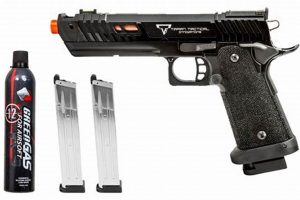
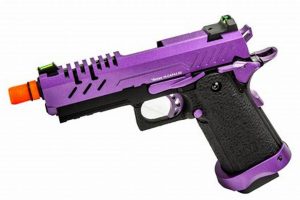
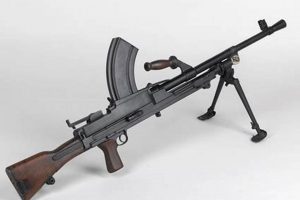
Modifying an airsoft replica to resemble a real firearm involves various techniques applied to the external appearance of the toy. This includes altering the finish, adding realistic markings, and, in some cases, modifying components to mirror those found on actual weapons. An example would be weathering the surface to simulate wear and tear or applying authentic firearm manufacturer markings.
The desire to enhance the realism of airsoft guns stems from several motivations. For some, it’s driven by aesthetic preferences and the pursuit of authenticity in military simulations or historical reenactments. This increased realism can also improve the immersive experience during gameplay. Historically, airsoft modifications have evolved alongside advancements in airsoft technology and the increasing availability of aftermarket parts designed to enhance realism.
Therefore, understanding the methods, legal considerations, and ethical implications associated with external airsoft gun modifications is essential. Subsequent sections will explore these aspects in detail, providing a framework for responsible and informed practice.
Enhancing Airsoft Gun Realism
Achieving a heightened level of realism in airsoft replicas requires careful attention to detail and a considered approach to modification. The following techniques offer guidance in this pursuit.
Tip 1: Surface Weathering: Applying techniques such as dry brushing, stippling, and washes simulates the effects of wear and tear experienced by real firearms. This adds depth and character to the airsoft gun’s exterior. Examples include using a fine-grit sandpaper to slightly abrade edges or applying diluted brown and black paint to recessed areas.
Tip 2: Realistic Markings Application: Accurately replicating manufacturer markings and serial numbers enhances authenticity. This can be achieved using stencils, decals, or laser engraving. Researching the specific firearm model being replicated is crucial to ensure accurate placement and font usage.
Tip 3: Component Replacement: Swapping out plastic components, such as grips, stocks, and sights, with metal or wood alternatives can significantly improve the perceived realism. Ensure compatibility with the airsoft gun model and adherence to local regulations.
Tip 4: Authentic Sling Attachment: Utilizing a genuine firearm sling, correctly attached, contributes to the overall realistic appearance. Research the appropriate sling type for the replicated firearm model.
Tip 5: Magazine Modification: Weathering airsoft magazines to match the airsoft gun enhances the illusion of real-world use. This includes simulating scratches, wear marks, and dirt accumulation.
Tip 6: Optic and Accessory Selection: Choosing optics and accessories that are commonly used on real firearms adds to the realistic aesthetic. Examples include red dot sights, scopes, and tactical lights. Ensure correct mounting and alignment.
These methods, when applied judiciously, can significantly enhance the visual authenticity of airsoft replicas, creating a more immersive and realistic experience. Prior to undertaking any modifications, it is essential to verify local regulations and prioritize safety.
The subsequent section will address legal considerations and safety precautions relevant to the manipulation of airsoft guns.
1. Surface Weathering

Surface weathering is a critical element in creating a realistic appearance on airsoft guns. It simulates the wear, tear, and environmental exposure that real firearms experience, adding depth and authenticity to the replica.
- Simulating Paint Wear
Paint wear is a common sign of use on real firearms. Replicating this on an airsoft gun involves strategically removing or distressing the paint finish. Techniques include dry brushing with metallic colors to expose underlying “metal,” simulating edge wear from holster use, and selectively removing paint from high-friction areas like controls and corners. This directly impacts how believable the replica appears, adding to its realism.
- Rust and Corrosion Effects
Real firearms, particularly older models, often exhibit rust and corrosion. Simulating these effects on an airsoft gun can enhance its realism. This involves using diluted brown and orange paints to create rust-like stains in crevices and on metal parts. Texturing the surface slightly before applying these paints can further enhance the effect. Accurately depicting rust and corrosion conveys a sense of age and use, contributing to a more convincing appearance.
- Dirt and Grime Accumulation
Firearms in active use accumulate dirt and grime in hard-to-reach areas. Replicating this on an airsoft gun involves applying washes of diluted black or brown paint to simulate dirt accumulation in crevices, around controls, and on textured surfaces. Using a matte varnish after applying the wash helps to seal it and further enhance the realistic appearance. This subtly but effectively conveys the impression of real-world use, augmenting its visual fidelity.
- Scratching and Handling Marks
Scratches and handling marks are unavoidable on real firearms. Simulating these on an airsoft gun requires creating fine scratches on the surface using fine-grit sandpaper or a hobby knife. Focus on areas where the firearm would typically be handled, such as the grip, controls, and magazine well. Strategically placed scratches contribute to a more realistic appearance, suggesting authentic usage.
The skillful application of surface weathering techniques significantly enhances the realistic appearance of airsoft guns. By simulating wear, tear, and environmental exposure, these techniques add depth, character, and believability to the replica, contributing significantly to the overall impression of authenticity.
2. Realistic markings
The presence of realistic markings on an airsoft gun directly impacts its visual similarity to a real firearm. The accurate replication of manufacturer logos, model designations, serial numbers, and proof marks serves to bridge the aesthetic gap between a toy and a genuine weapon. For instance, an airsoft replica of a Glock pistol will appear significantly more authentic if it bears the correct Glock trademarks and Austrian proof marks. Conversely, the absence or inaccuracy of these markings immediately detracts from the realism of the replica.
The application of realistic markings can be achieved through various methods, including stencils, decals, laser engraving, and specialized marking compounds. The selection of the appropriate method depends on the material of the airsoft gun and the desired level of permanence. Laser engraving, while more costly, offers the most durable and visually convincing results. Decals, on the other hand, provide a more affordable and reversible option. Achieving a truly realistic effect necessitates meticulous attention to detail, including the correct font, size, and placement of the markings, often requiring reference to photographs or detailed specifications of the real firearm.
In summary, realistic markings represent a crucial component in the pursuit of achieving an authentic appearance for airsoft guns. Their absence or inaccuracy undermines the overall effect, while their accurate replication significantly enhances the replica’s visual fidelity. A thorough understanding of the markings found on real firearms and the application of appropriate marking techniques are essential for achieving the desired level of realism. However, adherence to all applicable legal regulations regarding the modification and marking of airsoft guns is paramount.
3. Component upgrades

Component upgrades directly influence the perceived realism of an airsoft gun. The replacement of factory-standard parts with alternatives crafted from more authentic materials or designed to replicate real firearm components creates a tangible improvement in visual fidelity. For example, swapping a plastic outer barrel with a steel one immediately enhances the replica’s heft and appearance. Similarly, replacing polymer handguards with real wood or metal counterparts offers a more convincing aesthetic. The selection of component upgrades based on their accurate representation of real firearm parts is a key factor in enhancing overall realism.
The benefits of component upgrades extend beyond mere aesthetics. Upgrading to metal internal components, although not directly visible, can influence the gun’s weight distribution, making it feel more like a real firearm. Furthermore, some aftermarket components are designed to more closely mimic the operation of their real counterparts. For instance, certain trigger mechanisms can be replaced with versions that offer a more realistic trigger pull. Applying these component upgrades adds another dimension to how a user interacts with an airsoft replica, thereby boosting its perceived authenticity. It is crucial to consider the compatibility of replacement parts with the specific airsoft gun model.
Component upgrades are a pivotal element in maximizing the realism of airsoft guns. The selection and installation of components that mimic real firearm parts, both in terms of material and function, contribute significantly to an authentic aesthetic and user experience. Understanding the nuances of component compatibility and the specific goals of the realism project are essential for successful and visually compelling upgrades. Prioritization should be based on observable and tactile enhancements.
4. Sling attachment

The manner in which a sling is attached to an airsoft gun significantly contributes to the overall realism of the replica. The type of sling, the attachment points used, and the way the sling is worn all play a role in creating a credible impression of a real firearm.
- Correct Sling Type for the Replicated Firearm
Different firearms utilize specific sling types tailored to their design and intended use. Utilizing the incorrect sling diminishes the realism of the airsoft replica. For example, attaching a modern two-point tactical sling to a replica of a Vietnam War-era M16 rifle is historically inaccurate and detracts from the overall authenticity. Researching the appropriate sling style for the specific firearm being replicated is crucial. This contributes significantly to the believability of the airsoft gun.
- Accurate Attachment Points and Hardware
Real firearms feature specific attachment points for slings, often integrated into the receiver, stock, or handguard. Replicating these attachment points on an airsoft gun, using appropriate hardware such as QD (Quick Detach) swivels or sling loops, enhances realism. Improvising attachment points or using generic hardware diminishes the visual fidelity of the replica. Pay attention to the materials and finishes used on the sling hardware. Matching it to the finish of the airsoft gun is important.
- Sling Adjustment and Configuration
The way a sling is adjusted and configured on a real firearm is often dictated by practical considerations, such as ease of weapon deployment and comfort. Mirroring these adjustments on an airsoft gun enhances realism. For instance, a sling adjusted too tightly or worn incorrectly will appear unnatural and detract from the overall impression. A sling that permits comfortable carrying and swift shouldering is conducive to both realism and practicality.
- Sling Material and Wear
The material and condition of the sling contribute to realism. Canvas, nylon, and leather are common sling materials, each possessing distinct characteristics. Weathering the sling to match the apparent age and condition of the airsoft gun enhances the overall impression. A pristine, unused sling attached to a heavily weathered airsoft gun appears incongruous and diminishes realism.
The careful selection, attachment, adjustment, and weathering of a sling are essential components in achieving a realistic appearance for an airsoft gun. Attention to these details elevates the visual fidelity of the replica, bridging the gap between toy and real firearm.
5. Magazine detail
Magazine detail significantly contributes to the overall realism of an airsoft gun replica. The external appearance of the magazine, including its finish, markings, and simulated ammunition, directly influences the perception of authenticity.
- Realistic Finish and Wear
Real firearm magazines exhibit wear and tear corresponding to their usage. Replicating this on airsoft magazines through techniques such as weathering, scratching, and simulating paint wear enhances realism. For instance, applying a dry brush technique with silver paint can mimic the exposed metal on the edges of a magazine that has been repeatedly inserted and removed. Ignoring this detail undermines the overall visual effect, even if the airsoft gun itself is meticulously detailed. Real magazines also develop slight rust and discoloration; replicating this using diluted brown paints can add to the aged and worn feel.
- Accurate Markings and Stamps
Firearm magazines often feature manufacturer markings, caliber designations, and date stamps. Accurately replicating these markings on airsoft magazines enhances their authenticity. This involves research to determine the correct markings for the specific firearm being replicated. Using stencils or decals to apply these markings correctly is crucial. An airsoft replica of an AR-15, for example, should feature magazines with appropriate 5.56 NATO markings. These small details add to the overall realism of the airsoft gun.
- Simulated Ammunition
The presence of simulated ammunition visible through the magazine well can significantly enhance realism. Some airsoft magazines feature translucent sections that allow the BBs to be seen, but these often lack the appearance of real ammunition. Modifications such as inserting dummy rounds or painting the visible BBs to resemble cartridges improve the visual effect. The correct caliber of ammunition should be represented to maintain accuracy.
- Baseplate Detail
The magazine baseplate is another area that can be detailed to enhance realism. Different firearms utilize different baseplate designs, and replicating these details on airsoft magazines is crucial. This includes the shape, texture, and markings on the baseplate. For example, some magazines feature extended baseplates for easier handling, while others are flush with the magazine body. Replicating these features accurately contributes to the overall visual authenticity of the airsoft replica.
Attention to magazine detail is essential for achieving a truly realistic airsoft gun replica. By accurately replicating the finish, markings, simulated ammunition, and baseplate details, the airsoft magazine can seamlessly integrate with the rest of the airsoft gun, creating a more believable and immersive visual experience. Neglecting these details undermines the overall effort to enhance the realism of the airsoft replica.
Frequently Asked Questions
The following section addresses common inquiries regarding the modification of airsoft guns to resemble real firearms more closely. The responses aim to provide factual information and guidance on best practices.
Question 1: Is modifying an airsoft gun to look real illegal?
The legality of modifying an airsoft gun’s appearance depends on local regulations. Some jurisdictions prohibit altering an airsoft gun to the extent that it could be mistaken for a real firearm, particularly if the original distinguishing markings are removed. Verification of applicable laws is essential prior to undertaking any modifications.
Question 2: What are the risks associated with making an airsoft gun look real?
The primary risk lies in the potential for misidentification by law enforcement or civilians. If an airsoft gun is mistaken for a real firearm, it could lead to dangerous or even life-threatening situations. It is imperative to transport and store modified airsoft guns responsibly and ensure they are clearly identifiable as non-lethal replicas.
Question 3: How can one ensure a modified airsoft gun is not mistaken for a real firearm?
Maintaining the orange tip, as mandated by some regulations, is one measure. However, it is not always sufficient. Brightly colored markings, clear identification stickers, or engraving indicating the item is an airsoft gun can further reduce the risk of misidentification. Responsible handling and storage practices are also critical.
Question 4: What materials are best suited for enhancing the realism of airsoft gun components?
Metal components, such as steel or aluminum, often provide a more realistic look and feel compared to plastic. Wood stocks and grips can also significantly enhance the appearance of certain airsoft gun models. The choice of materials should be guided by the specific firearm being replicated.
Question 5: Are there specific techniques for weathering an airsoft gun to make it look more realistic?
Techniques such as dry brushing, stippling, and applying washes can effectively simulate wear and tear. Fine-grit sandpaper can be used to gently abrade edges and surfaces. Diluted brown and black paint can simulate dirt and grime accumulation. Experimentation and careful observation of real firearms are key to achieving a convincing effect.
Question 6: How does one properly apply realistic markings to an airsoft gun?
Realistic markings can be applied using stencils, decals, or laser engraving. Researching the specific firearm model being replicated is essential to ensure accurate placement, font usage, and spelling. Laser engraving provides the most durable and professional-looking results, while decals offer a more reversible option.
These questions and answers provide a basic understanding of the key considerations when modifying airsoft guns for realism. Responsible modification practices are essential to ensure safety and compliance with all applicable laws and regulations.
The next section will delve into the ethical considerations surrounding airsoft gun modifications.
Considerations Regarding Airsoft Gun Realism Enhancement
This exploration has addressed various techniques applicable to the visual enhancement of airsoft guns. Achieving a higher degree of realism involves meticulous attention to detail, encompassing surface weathering, accurate marking replication, component upgrades, sling attachment fidelity, and magazine detail. Successful application of these methods relies on a thorough understanding of firearm aesthetics and responsible implementation.
However, the pursuit of visual accuracy must be balanced with ethical and legal considerations. It is incumbent upon individuals to prioritize safety and adhere to all applicable regulations governing the modification and handling of airsoft guns. The potential consequences of misidentification necessitate a responsible and informed approach to the entire process. The pursuit of visual fidelity should never overshadow the importance of safety and legal compliance. It is the owners responsibility on how to make airsoft gun look real as a tool for education and reenactment, not as a source of potential danger or confusion.