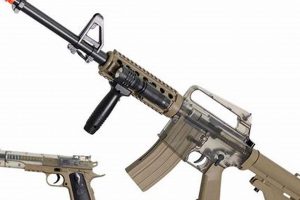
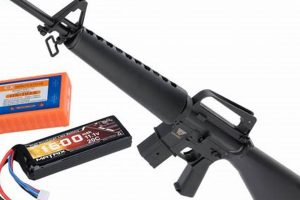
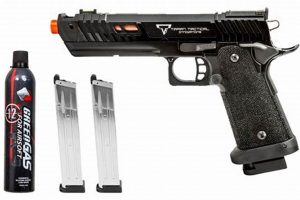
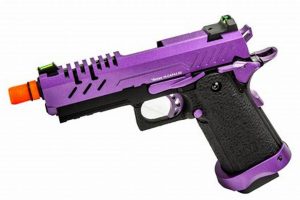
The core concept involves the processes and techniques employed to repair a non-functional or malfunctioning airsoft replica weapon. This encompasses a range of actions, from identifying the source of the problem to implementing solutions such as replacing damaged components or adjusting internal mechanisms. For example, if an airsoft gun fails to fire due to a broken spring, the user would need to disassemble the gun, replace the spring with a new one, and reassemble the gun to restore its functionality.
The ability to restore an airsoft gun to working order offers several advantages. It can extend the lifespan of the device, prevent the need for costly replacements, and provide a deeper understanding of the device’s internal workings. Historically, individuals have repaired their own equipment to save money and gain a greater appreciation for the technology involved. Self-repair contributes to sustainability by reducing waste and promoting a more responsible approach to ownership.
Therefore, a practical guide focusing on common malfunctions, necessary tools, and step-by-step repair procedures is presented, covering topics such as gearbox maintenance, hop-up adjustments, and troubleshooting electrical issues.
Airsoft Gun Repair Guidance
The following guidelines are intended to assist in the process of diagnosing and resolving common issues encountered with airsoft replicas. Adherence to these points can improve the likelihood of successful repair and maintain operational readiness.
Tip 1: Proper Diagnosis is Paramount. Before initiating any repair work, thoroughly investigate the problem. Observe the gun’s behavior, listen for unusual sounds, and check for obvious physical damage. Utilize online resources, diagrams, and expert opinions to narrow down the potential cause of the malfunction.
Tip 2: Prioritize Safety Protocols. Always disconnect the battery (if applicable) and remove the magazine before disassembling the airsoft gun. Wear appropriate eye protection and gloves to prevent injury from small parts, springs, or lubricants. Work in a well-lit and organized area to avoid losing components.
Tip 3: Consult Manufacturer’s Resources. Whenever possible, refer to the manufacturer’s documentation, exploded diagrams, and online support for specific repair instructions. These resources can provide valuable insights into the design and functionality of the airsoft gun, reducing the risk of further damage.
Tip 4: Employ the Correct Tools. Using the proper tools is essential for preventing damage to the airsoft gun’s components. Invest in a quality set of screwdrivers, pliers, and other specialized tools designed for working with small parts and delicate mechanisms. Avoid forcing components, as this can lead to breakage.
Tip 5: Maintain Gearbox Hygiene. For electric airsoft guns (AEGs), the gearbox is a critical component. Keep the gearbox clean and well-lubricated with the appropriate grease. Periodically inspect the gears, piston, and other internal parts for wear and tear. Replace worn components to maintain optimal performance.
Tip 6: Address Air Leaks. Air leaks can significantly reduce the power and accuracy of an airsoft gun. Inspect the o-rings, air nozzle, and hop-up bucking for signs of damage or wear. Replace any components that are not sealing properly to ensure efficient air compression.
Tip 7: Document Disassembly and Reassembly. Take photographs or videos as the airsoft gun is disassembled. This documentation can be invaluable when reassembling the gun, ensuring that all components are placed in the correct orientation. Label parts and keep them organized to avoid confusion.
Tip 8: Seek Professional Assistance When Needed. If the repair process becomes too complex or exceeds personal skill level, seek assistance from a qualified airsoft technician. Attempting to repair complex issues without the necessary expertise can result in further damage and void the warranty.
Adhering to these points allows the individual to effectively address common issues. Proper tools, maintenance, and consultation increase the chances of extending the product’s life.
With these guidelines established, further discussion regarding advanced repair techniques and preventative maintenance measures can be explored.
1. Diagnosis Accuracy

Diagnosis accuracy constitutes the foundation of any successful airsoft gun repair endeavor. It directly influences the subsequent steps taken to restore functionality and operational reliability. An imprecise assessment of the problem can lead to misdirected efforts, unnecessary component replacements, and potentially, further damage to the mechanism. For instance, mistaking a worn piston head o-ring for a faulty motor will result in the ineffective replacement of the latter, while the actual source of the air leak remains unaddressed. Such missteps waste time, resources, and may exacerbate the initial problem.
The importance of accurate diagnosis is further amplified when considering the complex internal workings of many airsoft guns, particularly AEGs. These devices incorporate intricate gearboxes, electrical systems, and pneumatic components that require meticulous examination. Effective diagnostic procedures often involve a combination of visual inspection, operational testing, and a thorough understanding of the gun’s internal design. Consider a scenario where an AEG experiences intermittent firing issues. The problem could stem from a variety of sources, including a damaged cutoff lever, a loose electrical connection, or a malfunctioning trigger switch. Precise diagnostic methods, such as multimeter testing and gearbox inspection, are indispensable for pinpointing the specific cause.
In summary, the ability to accurately diagnose malfunctions is paramount to the successful repair of airsoft guns. It ensures efficient resource allocation, minimizes the risk of further damage, and ultimately, enables the restoration of the gun to its intended operational state. The precision and reliability of the repair process hinge upon the competence and diligence applied during the diagnostic phase. Investing time and effort in developing diagnostic skills is a crucial aspect of effective airsoft gun maintenance and repair.
2. Component Identification

Component identification is critical to effective airsoft gun maintenance and repair. Accurately recognizing the specific parts within an airsoft gun system is foundational to sourcing replacements, executing repairs, and ensuring the device’s long-term operational integrity. Without precise identification, any repair attempt risks employing incorrect parts or procedures, potentially leading to further damage or malfunction.
- Nomenclature Accuracy
Understanding the correct terminology for each component is paramount. Using inaccurate or ambiguous terms hinders communication and increases the likelihood of ordering the wrong part. For instance, confusing the “hop-up bucking” with the “hop-up unit” could lead to ordering the incorrect replacement, impacting the gun’s accuracy. Proper nomenclature ensures clear communication and avoids costly errors.
- Material Composition
Recognizing the materials of which components are constructed is essential for selecting appropriate replacements and repair techniques. Plastic parts require different adhesives and handling methods than metal parts. A plastic piston head, for example, necessitates different bonding agents compared to a steel piston head. Substituting parts made of incompatible materials can compromise the gun’s durability and performance.
- Intercompatibility Considerations
Identifying component compatibility across different airsoft gun models and brands is crucial for successful repairs. Many components are not universally interchangeable, and attempting to force incompatible parts can damage the gun or prevent it from functioning correctly. Understanding the specific dimensions, thread patterns, and electrical specifications ensures that replacement parts are compatible with the existing system; for instance, not all gears are compatible with all gearboxes, understanding these differences is essential.
- Functional Role Recognition
Comprehending the functional role of each component within the airsoft gun’s operation is vital for effective troubleshooting and repair. Recognizing that the hop-up unit controls the backspin of the BB, for example, allows for targeted inspection and adjustment when accuracy issues arise. Knowing the function of the MOSFET within an AEG’s electrical system enables efficient diagnosis of trigger response problems. This understanding focuses troubleshooting efforts and enables informed decisions.
These facets of component identification are interconnected and critical for effective repairs. Thorough understanding of airsoft gun componentry is not simply about recognizing parts; it involves appreciating their function, material composition, and compatibility within the overall system. Therefore, investing in education and familiarization with airsoft gun components directly contributes to competence in repair and maintenance procedures.
3. Tool Proficiency

Tool proficiency represents a critical element in the successful maintenance and repair of airsoft guns. The application of appropriate tools, with skill and precision, directly impacts the quality and durability of any repair work. Conversely, the use of incorrect or poorly handled tools can inflict damage, compromise the airsoft gun’s performance, and potentially create safety hazards.
- Disassembly and Reassembly Efficiency
Proficiency in using tools such as screwdrivers, pliers, and hex keys directly impacts the ease and speed with which an airsoft gun can be disassembled and reassembled. The application of correct torque settings prevents stripping screws or damaging threads. For example, using a correctly sized screwdriver on a gearbox screw minimizes the risk of damaging the screw head, ensuring secure reassembly. Competent tool handling streamlines the repair process and reduces the likelihood of errors.
- Component Manipulation Precision
Airsoft guns contain delicate components that require careful handling. Proficiency in using specialized tools, such as spring compressors and pin punches, enables the safe removal and installation of these parts without causing damage. Improperly compressing a spring, for instance, could result in injury or component failure. Skillful tool manipulation ensures the integrity of fragile components and promotes accurate repairs.
- Diagnostic Tool Application
Certain malfunctions necessitate the use of diagnostic tools like multimeters and air pressure testers. Proficiency in using these instruments allows for accurate assessment of electrical circuits and air seal integrity. For example, using a multimeter to test the continuity of a motor circuit identifies potential wiring faults. Competent use of diagnostic tools facilitates effective troubleshooting and targeted repairs.
- Customization and Modification Execution
Beyond basic repairs, tool proficiency is essential for performing customizations and modifications on airsoft guns. Installing aftermarket parts, such as upgraded hop-up units or enhanced motors, often requires precise cutting, filing, and fitting. Skillful use of tools like rotary tools and files ensures proper integration of new components and optimizes performance. Precise tool work results in successful modifications that improve performance.
The facets of tool proficiency discussed above highlight its indispensable role in the realm of airsoft gun repair. Effective tool handling not only ensures the quality and longevity of repairs but also facilitates more complex customizations and modifications. Investment in appropriate tools and the development of requisite skills is a direct investment in the operational readiness and lifespan of airsoft equipment.
4. Disassembly Technique
Disassembly technique is intrinsically linked to the process of airsoft gun repair. It represents the initial, and often most critical, phase in addressing any malfunction. The approach taken during disassembly directly impacts the ease with which the problem can be diagnosed, the integrity of internal components, and the efficiency of the subsequent reassembly. A haphazard or uninformed disassembly can lead to unintended damage, lost parts, and a significantly complicated repair process, therefore hindering efforts to understand the root problem or make the repair
Consider a common scenario: attempting to access the gearbox of an AEG. A technician unfamiliar with the proper disassembly sequence might force components, potentially breaking plastic housings or stripping screws. Conversely, a technician employing a methodical and informed disassembly, consulting diagrams and using appropriate tools, would minimize the risk of damage and maintain the integrity of all components. Such a technique involves removing external parts, disconnecting electrical components, and carefully extracting the gearbox, all while documenting each step. Similarly, attempting to repair a gas blowback pistol requires careful disassembly to access the nozzle, piston, and other internal components responsible for its blowback function. Incorrect disassembly can easily damage o-rings, threads, or other critical components, thereby preventing any potential repair.
In conclusion, skillful disassembly technique is not merely a preparatory step, but an integral component of airsoft gun repair. It directly contributes to the accuracy of diagnosis, the preservation of component integrity, and the overall success of the repair process. Furthermore, the adoption of a systematic and documented disassembly protocol significantly mitigates risks and facilitates efficient restoration of airsoft gun functionality, improving the likelihood of a successful repair and extending the equipment’s life.
5. Reassembly Verification

Reassembly verification represents the crucial concluding phase in any airsoft gun repair procedure. Its direct connection to the overall process stems from the cause-and-effect relationship between accurate reassembly and the restoration of the airsoft gun’s functionality. If the reassembly is flawed, the initial malfunction will likely persist, and new problems may arise. The importance of reassembly verification as a component of restoring airsoft gun operation cannot be overstated; it ensures that all components are correctly positioned, aligned, and secured, thus validating the effectiveness of the repair. Consider a situation where a gearbox is disassembled to replace a worn piston. If the reassembly fails to correctly seat the anti-reversal latch, the gun will likely fail to cycle, demonstrating a clear failure of the attempted repair, regardless of the replaced piston. The absence of proper reassembly negates any effort expended in the prior steps.
Practical significance of rigorous reassembly verification lies in the prevention of further damage and the assurance of operational safety. A poorly reassembled airsoft gun can pose a risk to the user and those nearby. For instance, an improperly secured barrel assembly could detach during operation, potentially causing injury. Furthermore, the absence of careful reassembly can lead to accelerated wear and tear on internal components. Reassembly should include function tests of critical systems, such as the hop-up, trigger mechanism, and firing cycle, ensuring that they operate within acceptable parameters. This practice verifies not only that the gun functions, but that it does so in a safe and reliable manner. Thorough reassembly is key to achieving operational safety.
In summary, reassembly verification functions as the ultimate validation point in airsoft gun maintenance. Challenges in this phase often stem from inadequate documentation during disassembly or a lack of understanding of the complex internal mechanisms. Overcoming these challenges requires a methodical approach, careful attention to detail, and a willingness to consult reference materials when needed. Without rigorous reassembly verification, any repair endeavor, however diligently executed up to that point, remains incomplete and potentially ineffective. The process is key to a successfully completed airsoft gun repair.
Frequently Asked Questions Regarding Airsoft Gun Repair
The following section addresses commonly encountered inquiries concerning the repair of airsoft guns. These questions aim to provide clarity and practical information for those seeking to maintain and restore their airsoft equipment.
Question 1: What is the most frequent cause of malfunctions in electric airsoft guns (AEGs)?
The most frequent cause of AEG malfunctions is related to the gearbox. Gearbox issues encompass worn gears, broken pistons, and problems with the anti-reversal latch, leading to cycling failures and reduced performance.
Question 2: What tools are essential for basic airsoft gun repairs?
Essential tools for basic airsoft gun repairs include a set of screwdrivers (Phillips and flathead), hex keys, pliers, a spring compressor, and a multimeter. These tools enable disassembly, component replacement, and basic electrical troubleshooting.
Question 3: How can air leaks be identified in an airsoft gun?
Air leaks can be identified by listening for hissing sounds during operation or by using an air pressure tester. The typical source of air leaks includes damaged o-rings, worn hop-up buckings, or improperly sealed air nozzles.
Question 4: What is the recommended lubrication for airsoft gun gearboxes?
The recommended lubrication for airsoft gun gearboxes involves using a high-quality silicone grease specifically designed for airsoft applications. Applying the correct grease minimizes friction, reduces wear, and ensures smooth gearbox operation.
Question 5: Is it possible to upgrade an airsoft gun’s performance through repairs?
Upgrading an airsoft gun’s performance through repairs is possible by replacing worn components with higher-quality aftermarket parts. Upgrading parts such as the motor, hop-up unit, or inner barrel can enhance the gun’s range, accuracy, and overall performance.
Question 6: When is it advisable to seek professional assistance for airsoft gun repairs?
It is advisable to seek professional assistance for airsoft gun repairs when the problem is complex, involves intricate internal mechanisms, or exceeds personal skill level. Attempting advanced repairs without sufficient expertise can cause further damage or injury.
In conclusion, understanding common malfunctions, possessing essential tools, and knowing when to seek professional assistance are crucial for maintaining and repairing airsoft guns effectively. Prioritizing safety, following manufacturer’s guidelines, and documenting the repair process contribute to successful outcomes.
Moving forward, additional topics such as preventative maintenance measures and advanced troubleshooting techniques can be explored to further enhance the knowledge and skills required for airsoft gun repair.
Conclusion
This exploration of approaches to fixing airsoft guns emphasized the importance of accurate diagnosis, component identification, tool proficiency, methodical disassembly, and reassembly verification. These five key components directly influence the success of repair attempts and the continued operational status of airsoft equipment. Implementing these principles helps to maintain equipment and ensure proper function during use.
Effective maintenance, including appropriate repair methodologies, requires continuous learning and a commitment to meticulous practices. Continued dedication to understanding airsoft mechanics will contribute to both prolonged equipment lifecycles and improved performance. The end result is more efficient practices and increased user satisfaction over time.