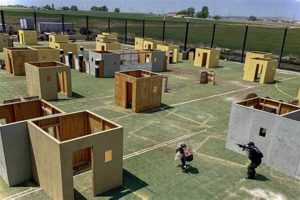
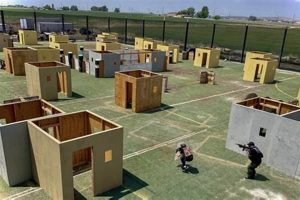
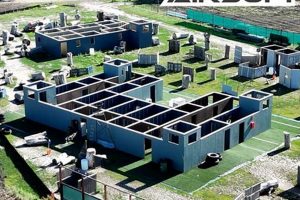
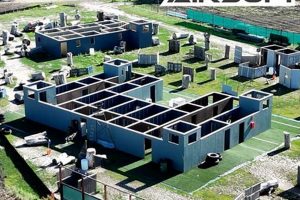
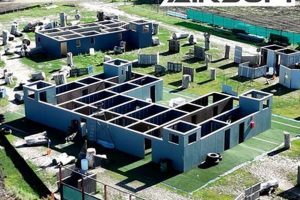
The process of constructing a dedicated area for airsoft activities requires careful planning and execution. It involves assessing available space, designing the layout, constructing barriers and fortifications, and ensuring safety protocols are in place. Considerations range from the type of terrain to the desired gameplay style, directly impacting the field’s overall appeal and functionality. An example would be establishing a wooded area with strategically placed bunkers for a tactical, close-quarters experience.
A well-designed and properly constructed area enhances the realism and enjoyment of airsoft games. It offers a safe and controlled environment for participants to engage in tactical scenarios, promoting teamwork, strategic thinking, and physical activity. Historically, the creation of these spaces has evolved from utilizing existing natural terrain to constructing elaborate, purpose-built environments, reflecting the increasing popularity and sophistication of the sport.
The subsequent sections will detail the key aspects involved in creating such a space, including site selection, layout design, barrier construction, safety considerations, and maintenance practices, providing a comprehensive guide to establishing a functional and engaging play area.
Essential Construction Considerations
This section provides practical guidance to optimize the design and construction process for a dedicated airsoft play area. Attention to these details contributes significantly to the field’s functionality, safety, and overall player experience.
Tip 1: Site Survey and Assessment: Conduct a thorough examination of the intended area. Identify potential hazards, such as uneven terrain, bodies of water, or restricted zones. Addressing these issues proactively minimizes risks and informs the overall layout.
Tip 2: Strategic Layout Planning: Design the layout to encourage diverse gameplay scenarios. Incorporate a mix of open spaces, enclosed areas, and flanking routes. Consider the average engagement distance of airsoft replicas and design accordingly.
Tip 3: Durable Barrier Construction: Prioritize the use of robust and weather-resistant materials for barrier construction. Plywood, repurposed shipping containers, and sandbags offer effective protection. Ensure barriers are securely anchored to prevent movement or collapse.
Tip 4: Effective Cover Placement: Arrange cover strategically to provide players with tactical advantages. Consider angles of approach, lines of sight, and the ability to move between cover points without exposing oneself unnecessarily.
Tip 5: Safety Zone Designation: Clearly define a designated safety zone where eye protection is not mandatory and replicas must be unloaded and safetied. This area should be physically separated from the active play area.
Tip 6: Regular Field Maintenance: Implement a routine maintenance schedule to address wear and tear, repair damaged barriers, and remove debris. Consistent upkeep extends the lifespan of the field and enhances player safety.
Tip 7: Accessibility Considerations: Integrate pathways and entry points that accommodate players of varying physical abilities. Consider widening pathways and eliminating unnecessary obstacles to improve overall accessibility.
Adhering to these recommendations will result in an airsoft environment that is safe, engaging, and conducive to strategic gameplay. Careful planning and diligent execution are essential for realizing the full potential of the play area.
The subsequent discussion will delve into specific considerations for the long-term sustainability and management of the completed space.
1. Terrain Assessment
Terrain assessment represents a foundational step in the design and construction process of a designated airsoft play area. The inherent characteristics of the land significantly influence layout possibilities, barrier placement strategies, and overall gameplay dynamics. A comprehensive understanding of existing conditions is paramount for optimizing both player experience and long-term sustainability.
- Identifying Natural Obstacles and Cover
Existing terrain features such as trees, rock formations, and elevation changes provide readily available cover and concealment opportunities. A skilled assessment identifies these elements and integrates them into the field layout. For example, a dense cluster of trees may become a natural strongpoint, while a rocky outcrop can serve as a strategically defensible position. Incorporating these elements reduces construction costs and enhances the realism of gameplay.
- Evaluating Ground Composition and Drainage
The composition of the ground directly impacts barrier construction methods and player mobility. Sandy soil may require stabilization measures to prevent barrier erosion, while clay soil can lead to drainage issues and muddy conditions. Proper drainage solutions, such as grading and the installation of drainage systems, are crucial for maintaining a playable surface, particularly in areas prone to heavy rainfall.
- Assessing Environmental Considerations
Environmental factors, including the presence of protected species, wetlands, or historical sites, must be taken into account. Construction activities should adhere to all applicable environmental regulations to minimize ecological impact. A thorough assessment may necessitate modifications to the layout or construction techniques to protect sensitive areas. Failure to address these concerns can result in legal repercussions and damage to the surrounding environment.
- Analyzing Elevation Changes and Sightlines
Variations in elevation influence tactical advantages and engagement distances. A raised area provides a clear line of sight over a wider area, enabling players to effectively scout and engage opponents. Lower-lying areas can be used for ambushes and flanking maneuvers. A detailed analysis of elevation changes informs the strategic placement of barriers and the creation of diverse gameplay scenarios.
By thoroughly assessing the terrain, developers can leverage existing features, address potential challenges, and minimize environmental impact. The resulting play area is better integrated with its surroundings, offering a more immersive and engaging experience for players while promoting long-term ecological responsibility. The initial assessment is a crucial investment, contributing significantly to the overall success and sustainability of the airsoft play area.
2. Layout Design
Layout design forms a critical juncture in the construction of a dedicated airsoft field. The layout dictates the flow of gameplay, influences tactical approaches, and ultimately shapes the overall player experience. It functions not merely as an aesthetic arrangement but as a fundamental structural element dictating field functionality and strategic depth. Poor layout design can lead to predictable gameplay, safety concerns, and player dissatisfaction, negatively impacting the viability of the airsoft field. Conversely, a well-considered layout promotes diverse tactical options, balanced gameplay, and increased player engagement.
Consider the example of a close-quarters battle (CQB) arena versus a woodland field. The CQB arena necessitates tight corridors, strategically placed doorways, and multiple entry points to foster fast-paced, aggressive engagements. In contrast, a woodland field benefits from winding paths, concealed positions, and varied terrain to simulate realistic combat scenarios. The selection and integration of these elementscorridors, doorways, paths, positionsdirectly influence the type of gameplay possible and the tactical choices available to players. Similarly, the placement of objective markers, spawn points, and respawn zones must be carefully considered to ensure balanced and engaging gameplay. An imbalanced layout can favor one team or play style over another, leading to an unfair and ultimately unfulfilling experience.
Effective layout design incorporates considerations for player safety, accessibility, and long-term maintainability. Clearly defined pathways and adequate spacing between obstacles reduce the risk of collisions and injuries. Incorporating accessible routes and staging areas ensures inclusivity for players with disabilities. Finally, selecting durable materials and designing for ease of maintenance minimizes long-term operational costs and ensures the field remains playable and safe for years to come. Therefore, layout design is not merely a preliminary step but an integral component of the construction process, deeply influencing the success and sustainability of any airsoft field.
3. Barrier Construction

Barrier construction is a core element in establishing a designated airsoft play area. It directly influences the tactical possibilities, safety parameters, and aesthetic appeal of the field. The selection of materials, design of structures, and placement of these features determine the quality and type of gameplay possible. Inadequate or poorly constructed barriers compromise player safety, limit strategic options, and diminish the overall experience.
Effective barrier construction considers several factors, including durability, visibility, and cover potential. For instance, barriers constructed from solid materials like wood or concrete provide substantial cover but may obstruct visibility, favoring defensive strategies. Conversely, barriers made from mesh or netting offer enhanced visibility but less protection, promoting more mobile and aggressive gameplay. The strategic placement of barriers creates chokepoints, flanking routes, and defensive positions, shaping the flow of engagements. A real-world example involves using stacked tires to create easily movable cover, adaptable to different scenarios, enhancing the variability of the field. The type of barrier dictates how players can maneuver, attack, and defend, significantly impacting gameplay strategies.
Proper execution of barrier construction directly correlates with the long-term viability of any constructed playing field. Attention to material quality, structural integrity, and regular maintenance ensures lasting functionality. A well-designed and maintained barrier system is not merely an addition but an integral part of the airsoft playing field, fostering both safe and engaging strategic environments for sustained competitive activity.
4. Safety Protocols

The integration of rigorous safety protocols is paramount when constructing a dedicated airsoft field. These protocols are not mere afterthoughts but intrinsic design elements influencing the field’s layout, barrier construction, and overall operational procedures. Neglecting these considerations compromises player well-being and exposes operators to potential liability.
- Mandatory Eye Protection Enforcement
Requiring ANSI-rated eye protection for all participants within the active playing area is non-negotiable. Field design must incorporate clearly marked and physically segregated safe zones where eye protection may be removed. Regular enforcement of this rule, coupled with readily available loaner eye protection, minimizes the risk of eye injuries. The presence of clear signage and active monitoring are essential components of this protocol.
- Velocity Limits and Chronographing
Establishing and enforcing strict velocity limits for all airsoft replicas prevents injuries caused by excessive projectile force. This necessitates the use of a chronograph to verify that replicas comply with established limits. Random chronograph testing throughout gameplay ensures continued compliance. Clearly posted velocity limits and consistent enforcement are critical.
- Designated Safe Zones and Weapon Handling Procedures
Safe zones, physically separated from the active playing area, provide a space where players can remove eye protection and perform maintenance on their replicas. Within these zones, replicas must be unloaded, magazines removed, and safety selectors engaged. Clear demarcation of safe zones, coupled with mandatory weapon handling procedures, prevents accidental discharges and ensures player safety.
- Field Hazard Identification and Mitigation
Prior to gameplay, a thorough field inspection identifies potential hazards such as uneven terrain, exposed tree roots, and bodies of water. Steps are taken to mitigate these hazards, including the use of warning signs, barriers, and route modifications. Regular inspection and maintenance are essential to address newly emerging hazards and ensure continued player safety.
Implementing and consistently enforcing these safety protocols is integral to the long-term sustainability and responsible operation of any airsoft field. They are not merely guidelines but fundamental requirements for minimizing risk and ensuring a safe and enjoyable experience for all participants. The initial construction phase offers the optimal opportunity to integrate these protocols seamlessly into the field’s design and operational framework.
5. Gameplay Variety

Gameplay variety serves as a critical design parameter when constructing a dedicated airsoft playing field. The capacity of a field to support diverse gameplay modes directly influences player retention, engagement levels, and the long-term viability of the facility. The physical attributes of the field, from its terrain to the arrangement of barriers, fundamentally determine the range of possible game scenarios. Thus, deliberate design choices are essential to cultivate gameplay diversity.
- Terrain Diversity and Mission Design
Varied terrain, encompassing open areas, wooded sections, and built-up structures, facilitates a broader spectrum of mission types. A field incorporating these elements can support capture-the-flag, team deathmatch, bomb defusal, and hostage rescue scenarios. The strategic placement of objectives within these diverse environments encourages varied tactical approaches and prevents gameplay monotony.
- Barrier Configuration and Engagement Distances
The density, height, and composition of barriers dictate engagement distances and tactical options. Sparse barriers in open areas promote long-range engagements, while dense clusters of cover create opportunities for close-quarters combat. Adjustable or modular barrier systems further enhance gameplay variety by allowing for periodic field reconfiguration, presenting players with novel challenges and preventing predictable gameplay patterns.
- Objective Placement and Strategic Chokepoints
The location of objectives and the creation of strategic chokepoints directly impact the flow of gameplay. Well-placed objectives force players to traverse diverse terrain and engage in varied combat situations. Chokepoints, such as narrow corridors or defensible positions, concentrate engagements and create opportunities for ambushes and strategic maneuvers. Careful consideration of these elements ensures that no single tactic dominates, fostering a dynamic and engaging experience.
- Scenario Rulesets and Equipment Restrictions
Beyond the physical layout, gameplay variety can be enhanced through the implementation of diverse scenario rulesets and equipment restrictions. Varying respawn rules, ammunition limits, and equipment restrictions (e.g., limiting the use of high-capacity magazines or sniper rifles) can significantly alter the tactical landscape and encourage players to adapt their strategies. These rulesets can be tailored to complement the field’s physical attributes and create unique and challenging gameplay experiences.
The strategic integration of these elements during the construction process ensures a playing field capable of supporting a wide array of gameplay styles. This adaptability is crucial for attracting and retaining players, maximizing the field’s operational lifespan, and establishing a reputation for providing consistently engaging and diverse airsoft experiences.
6. Maintenance Schedule

A comprehensive maintenance schedule represents an indispensable component of any successful airsoft field construction project. It is not a supplementary consideration but a vital aspect integrated from the initial planning stages. A well-defined and consistently implemented maintenance schedule ensures player safety, prolongs the lifespan of the field’s infrastructure, and preserves the integrity of the gameplay environment.
- Barrier Integrity and Repair
Regular inspection and repair of barriers form a crucial aspect of maintenance. The structural integrity of barriers directly affects player safety during gameplay. Damaged or weakened barriers pose a risk of collapse or injury. Schedule regular inspections to identify and address damage caused by weather, player impact, or general wear and tear. Repair or replace compromised sections promptly. For example, wooden barriers may require periodic treatment to prevent rot, while fabric barriers necessitate patching or replacement when torn.
- Terrain Management and Hazard Mitigation
Maintaining the terrain involves clearing debris, controlling vegetation, and mitigating potential hazards. Overgrown vegetation can impede player movement and create hiding spots for opponents, altering intended gameplay dynamics. Accumulation of debris, such as fallen branches or trash, poses tripping hazards. Schedule regular clearing of vegetation and debris. Fill potholes, remove obstacles, and address drainage issues to maintain a safe and playable surface. For instance, mowing grassy areas regularly and trimming bushes along pathways.
- Safe Zone Upkeep and Functionality
The designated safe zone requires dedicated maintenance to ensure its continued functionality and safety. This includes maintaining clear boundaries, ensuring adequate lighting, and providing waste disposal facilities. Regular inspection of the safe zone identifies potential hazards, such as exposed wiring or damaged furniture. Promptly address any safety concerns to maintain a secure and comfortable environment for players between games. Providing easily accessible trash receptacles and ensuring regular emptying contributes to a clean and organized safe zone.
- Equipment and Infrastructure Inspection
The field’s infrastructure, including netting, flags, and lighting systems, requires periodic inspection and maintenance. Damaged netting poses a safety risk by allowing projectiles to exit the playing area. Faded or damaged flags impede gameplay. Malfunctioning lighting systems compromise visibility during nighttime operations. Schedule regular inspections of all infrastructure components. Repair or replace damaged items promptly to maintain a safe and functional playing environment. For example, replacing frayed netting sections and ensuring all lighting fixtures are operational before each nighttime event.
Integrating these facets of a maintenance schedule from the outset of an airsoft field construction project ensures that the facility remains safe, engaging, and sustainable over the long term. A proactive approach to maintenance minimizes costly repairs, reduces the risk of injuries, and enhances the overall player experience, contributing to the long-term success of the operation.
7. Accessibility
The integration of accessibility considerations into the design and construction of an airsoft playing field is not merely a matter of compliance but a strategic imperative. Accessibility directly affects the inclusivity of the sport, expanding potential participation and fostering a more diverse player base. Its omission can actively exclude individuals with disabilities, limiting the overall reach and social impact of the airsoft community. Practical applications involve designing level pathways for wheelchair navigation, ensuring adequate spacing between obstacles, and providing accessible restroom facilities. A real-life example demonstrates the impact: a field redesigned to include wider pathways and designated staging areas for players with mobility impairments experienced a measurable increase in participation from this demographic, broadening its player base and enhancing its reputation within the community.
The implementation of accessible features necessitates careful planning and resource allocation during the construction phase. Ramps, graded inclines, and textured surfaces require specific materials and construction techniques, potentially increasing initial costs. However, the long-term benefits outweigh these initial investments. A field that proactively addresses accessibility concerns reduces the risk of liability claims related to accessibility violations and demonstrates a commitment to inclusivity, attracting sponsors and generating positive public relations. Furthermore, accessible design often benefits all players, improving overall safety and usability. For example, wider pathways, designed for wheelchair access, also facilitate easier movement for players carrying equipment or navigating in low-light conditions.
Ignoring accessibility standards in airsoft field construction creates barriers to participation and limits the potential of the sport. By prioritizing accessible design, airsoft field operators can create a more welcoming and inclusive environment, expanding the reach of the sport and fostering a stronger sense of community. The challenges associated with implementing accessibility solutions can be overcome through careful planning, resource allocation, and a genuine commitment to inclusivity, resulting in a more equitable and sustainable airsoft experience for all participants.
Frequently Asked Questions
The following questions address prevalent concerns regarding the establishment of a functional and compliant airsoft playing field. The answers provided are designed to inform stakeholders and facilitate informed decision-making.
Question 1: What constitutes the minimum land area for establishing a viable outdoor airsoft field?
The minimum land area depends significantly on the intended gameplay style. CQB fields can function effectively on approximately one acre, whereas larger, outdoor fields that incorporate woodland or varied terrain necessitate a minimum of five acres. Larger areas generally allow for greater gameplay variety and enhanced strategic depth.
Question 2: What are the primary legal considerations when constructing an airsoft field?
Legal considerations typically encompass zoning regulations, environmental permits, noise ordinances, and liability insurance. Compliance with local and national regulations is paramount to avoid legal complications. A thorough assessment of applicable regulations is crucial prior to commencing construction.
Question 3: What material types are best suited for constructing durable and safe barriers?
Durable and safe barrier materials include treated lumber, reinforced concrete, sandbags, and repurposed shipping containers. Material selection should prioritize weather resistance, impact resistance, and ease of maintenance. Sharp edges and protruding hardware must be avoided to minimize the risk of injury.
Question 4: What are the essential safety protocols that must be enforced at an airsoft field?
Essential safety protocols include mandatory ANSI-rated eye protection, chronograph testing to enforce velocity limits, designated safe zones with strict weapon handling procedures, and regular field inspections to identify and mitigate hazards. Consistent enforcement of these protocols is non-negotiable.
Question 5: How can gameplay variety be maximized on a limited budget?
Gameplay variety can be maximized through strategic use of natural terrain, modular barrier systems, and adaptable scenario rulesets. Reconfiguring barrier layouts periodically and implementing diverse game modes can create new challenges without incurring significant expenses.
Question 6: What recurring maintenance tasks are crucial for preserving the integrity and safety of an airsoft field?
Crucial maintenance tasks encompass barrier repair, terrain management (including vegetation control and debris removal), safe zone upkeep, and equipment inspection. Implementing a proactive maintenance schedule prolongs the lifespan of the field and ensures player safety.
Compliance with these guidelines enhances both the player experience and the operational sustainability of the airsoft environment.
The ensuing section provides key takeaways and concluding thoughts.
Concluding Remarks on “How to Build an Airsoft Field”
This exposition has illuminated the multifaceted process involved in constructing a dedicated airsoft play area. It has covered critical aspects ranging from site selection and terrain assessment to safety protocols and long-term maintenance. Emphasized throughout has been the importance of thorough planning, diligent execution, and unwavering adherence to safety guidelines.
The creation of a functional and engaging airsoft environment necessitates a comprehensive understanding of both practical construction techniques and the strategic considerations that underpin effective gameplay. By integrating these principles, stakeholders can foster a safe, inclusive, and sustainable environment for airsoft enthusiasts, contributing to the continued growth and responsible practice of the sport.