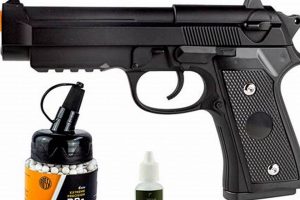
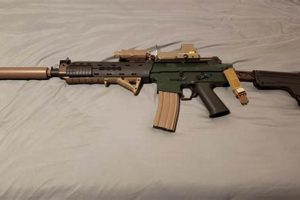
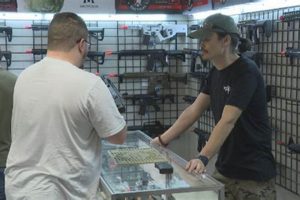
The monetary outlay required for an individual to participate in airsoft varies considerably. This cost encompasses essential equipment, field fees, and consumable supplies like BBs. For example, a complete starter package, including a basic airsoft rifle, eye protection, and a magazine, can range from \$50 to \$150, while more advanced setups can easily exceed several hundred dollars. Field entry fees typically range from \$20 to \$40 per day.
Understanding the financial commitment is crucial for prospective players. Budgeting effectively ensures sustained engagement in the sport. The cost provides access to physical activity, strategic gameplay, and social interaction, fostering teamwork and camaraderie. Furthermore, the development of realistic tactical simulations has significantly influenced airsoft’s popularity and growth since its emergence.
The following sections will delve deeper into the specific factors influencing the cost, including the types of equipment, the frequency of play, and potential upgrades, enabling informed decisions regarding expenditure within this recreational activity.
Tips for Managing Airsoft Costs
Effective budgeting is essential for consistent participation in airsoft. Several strategies can minimize expenses while maximizing the playing experience.
Tip 1: Research Equipment Options: Prioritize essential safety gear, such as eye protection, before investing in high-end replicas. Explore entry-level options from reputable brands to ensure durability without excessive expenditure.
Tip 2: Consider Used Gear: The used market offers viable alternatives for rifles and tactical gear. Inspect items thoroughly before purchase to ensure functionality and avoid hidden defects.
Tip 3: Minimize Consumable Usage: Select BBs appropriate for the rifle’s specifications to reduce jams and wasted ammunition. Practice marksmanship to conserve BBs during gameplay.
Tip 4: Opt for Game Day Packages: Many airsoft fields offer bundled packages that include entry fees, BBs, and sometimes even equipment rentals at a discounted rate.
Tip 5: Explore Off-Season Pricing: Airsoft fields may offer reduced rates during slower seasons. Consider playing during these times to decrease overall expenses.
Tip 6: Maintenance is Key: Regularly clean and maintain the airsoft rifle to prevent malfunctions and extend its lifespan, avoiding costly repairs or replacements.
Tip 7: Prioritize Upgrades: Delay non-essential upgrades until sufficient funds are available. Focus on upgrades that directly improve performance or reliability.
Implementing these strategies enables participants to enjoy airsoft without exceeding budget limitations. Careful planning and resource management contribute to the long-term sustainability of the hobby.
The next section will examine various types of airsoft equipment and their associated costs in greater detail.
1. Initial Equipment Investment
The initial equipment investment represents a significant component of the overall cost to participate in airsoft. This upfront expenditure directly influences accessibility to the sport and dictates the level of performance achievable by the individual. Careful consideration of these initial costs is essential for budget planning.
- Airsoft Rifle Acquisition
The selection of an airsoft rifle constitutes a primary investment. Entry-level electric rifles (AEGs) typically range from \$100 to \$250, while gas blowback (GBB) or high-end AEGs can exceed \$400. The choice depends on desired realism, performance, and budget constraints. The initial rifle purchase sets the foundation for subsequent customization and upgrades.
- Protective Gear Procurement
Mandatory safety equipment, including eye protection (goggles or masks) and potentially face shields, represents a non-negotiable cost. Quality eye protection, certified to meet ANSI Z87.1 standards, typically costs between \$20 and \$50. Additional protective gear, such as vests and helmets, can range from \$50 to several hundred dollars, depending on the level of protection and tactical features.
- Magazine and Battery Expenses
Magazines and batteries are essential accessories for AEGs. Additional magazines increase sustained firing capability during games, with individual magazines costing between \$10 and \$30. Batteries, along with a compatible charger, are necessary to power AEGs, with prices ranging from \$20 to \$60 depending on capacity and charging speed. These seemingly minor costs accumulate significantly over time.
- Load Bearing Equipment (LBE) Purchase
Load bearing equipment, such as vests, chest rigs, or belts, provides a means to carry magazines, grenades, and other tactical accessories. Entry-level vests can start around \$40, while higher-quality options with more modularity and durability can cost over \$100. The choice depends on preferred play style and the amount of gear the individual intends to carry.
The amalgamation of these initial equipment investments establishes the financial barrier to entry for airsoft. Strategic decisions regarding rifle selection, protective gear procurement, and accessory acquisition directly impact the overall affordability and long-term enjoyment of the sport. Awareness of these cost factors enables informed budgeting and facilitates a more sustainable participation in airsoft.
2. Recurring Ammunition Costs

Recurring ammunition costs are a significant and continuous expenditure contributing to the overall financial burden of airsoft participation. The frequency and intensity of play directly correlate with the volume of BBs (ammunition) consumed. Consequently, these expenses represent a substantial variable within the calculation of “how much is airsoft per person”. A player engaging in weekly skirmishes will inevitably incur significantly higher ammunition costs compared to someone who participates only occasionally. The type of BB used also affects the price; higher quality, precision BBs intended for accuracy or heavier BBs for enhanced range cost more per unit.
To illustrate, a player using 0.20g BBs in a standard AEG during a typical day of play may expend between 2,000 and 5,000 rounds. Considering the cost per bag or container of BBs, these expenses accumulate rapidly. Furthermore, the type of airsoft gun (e.g., sniper rifle vs. support weapon) plays a considerable role. Support weapons, designed for suppressive fire, inherently consume ammunition at a much higher rate than sniper rifles, requiring fewer shots for targeted engagements. Therefore, the chosen role and gameplay style directly influence the magnitude of these recurring expenses. Tactical play, such as controlled bursts, can conserve ammunition, resulting in cost savings compared to indiscriminate firing.
In summary, the recurring ammunition costs represent a crucial and often overlooked aspect of the overall expense associated with airsoft. Effective management of ammunition consumption, selection of cost-effective BB types, and awareness of gameplay style’s impact can mitigate this expense. Understanding this component is essential for accurate budgeting and sustained participation in the sport. Ignoring recurring ammunition expenses can lead to an underestimation of the true cost, potentially limiting future involvement.
3. Field Access Fees

Field access fees constitute a direct and unavoidable component of the total expenditure required to participate in airsoft. These fees represent the cost of accessing a designated playing area, and their magnitude directly impacts the assessment of “how much is airsoft per person.” Variations in pricing are influenced by factors such as the size and quality of the field, included amenities (e.g., staging areas, chrono stations, restrooms), and the operational costs incurred by the field owner. Consequently, choosing a playing location is a crucial financial decision for individuals engaged in the sport. For example, a field with elaborate structures and diverse terrain might command higher fees compared to a simpler, less-developed site. The inclusion of features like compressed air refills or on-site repair services can also contribute to higher access costs.
The correlation between field access fees and overall expenses is linear; as the fees increase, the total cost of playing also increases proportionately. Therefore, players often seek fields that offer the optimal balance between cost and playing experience. This decision is further complicated by geographical location, as access fees tend to be higher in densely populated areas due to increased land values and regulatory burdens. Season passes or membership options can potentially mitigate the impact of individual field access fees, providing a cost-effective alternative for frequent players. These options, however, require a significant upfront investment and are only beneficial for those committed to consistent participation at a specific location. Tournament events usually carry a premium fee due to their organized nature, staffing requirements, and prize pools.
In summary, field access fees are a critical element when determining the financial commitment required to engage in airsoft. Players should carefully evaluate the benefits offered by a particular field relative to its cost. Budgeting for these fees, either on a per-game basis or through membership options, is essential for managing expenses and ensuring sustained participation in the sport. Ignoring the impact of field access fees can lead to inaccurate estimations of the overall financial burden and potentially hinder long-term involvement in airsoft.
4. Gear Maintenance Expenses
Gear maintenance expenses represent a recurring cost factor that significantly influences the overall financial burden associated with airsoft participation. These expenses are often underestimated, yet they are essential for preserving the functionality, performance, and longevity of airsoft equipment, thereby impacting the determination of “how much is airsoft per person.”
- Routine Cleaning and Lubrication
Regular cleaning and lubrication of airsoft guns are imperative for preventing malfunctions and maintaining optimal operating condition. The purchase of cleaning rods, lubricants (silicone oil, grease), and cleaning solutions represents an ongoing expense. Neglecting this routine maintenance can lead to increased wear and tear, necessitating more costly repairs or replacements. For example, debris accumulating within the barrel can reduce accuracy and range, while a lack of lubrication can cause internal components to seize. The cost of these supplies may appear minimal individually, but cumulatively, they contribute substantially to the long-term expense.
- Parts Replacement due to Wear and Tear
Airsoft guns, particularly those subjected to frequent use and high-stress conditions, inevitably experience wear and tear on internal components. Springs, gears, pistons, and hop-up buckings are common parts requiring periodic replacement. The cost of these components varies depending on the type of gun and the quality of the replacement parts. High-performance or aftermarket parts often command a premium price. Ignoring these replacements can lead to decreased performance, gun failure, or even safety hazards. For example, a worn piston head can reduce compression, diminishing the gun’s power output. Replacement costs should be factored into the equation of “how much is airsoft per person.”
- Battery Maintenance and Replacement
Electric airsoft guns (AEGs) rely on rechargeable batteries for power. Batteries have a limited lifespan and gradually lose capacity over time. Improper charging or storage practices can accelerate this degradation, necessitating more frequent replacements. Furthermore, chargers themselves can malfunction or become obsolete, requiring replacement. The cost of batteries and chargers can vary significantly based on type (NiMH, LiPo) and quality. Failure to maintain batteries properly can result in reduced firing rates, decreased power, or even battery fires. This expense is directly linked to the operational effectiveness and contributes to the cost profile.
- Repair Services and Technical Assistance
Complex repairs or modifications to airsoft guns often necessitate the services of a qualified technician. Labor costs for repairs can range from \$30 to \$100 per hour, depending on the complexity of the work and the technician’s expertise. Furthermore, shipping costs to and from repair facilities can add to the expense. While some players possess the technical skills to perform their own repairs, others rely on professional assistance. This reliance introduces a variable cost dependent on the frequency of breakdowns or the extent of modifications desired. A damaged gearbox, for instance, may require a professional repair, significantly impacting overall expenses.
The cumulative impact of routine maintenance, parts replacements, battery care, and potential repair services constitutes a significant, albeit often underestimated, portion of the overall cost to participate in airsoft. Failing to account for these maintenance expenses can lead to an inaccurate assessment of “how much is airsoft per person,” resulting in budgetary shortfalls and potentially hindering long-term engagement in the sport.
5. Optional Upgrades Budget
The optional upgrades budget is directly related to the total expenditure on airsoft per person. While a basic level of equipment is required for participation, the addition of optional upgrades introduces a variable that can significantly increase the overall financial commitment. The choice to pursue upgrades is primarily driven by a desire to enhance performance, realism, or customization of the equipment. For example, a player might choose to upgrade the internal components of an airsoft rifle to improve its accuracy, range, or rate of fire. These upgrades, however, entail additional costs that must be factored into the overall budget. The relationship is straightforward: a larger budget allocated to optional upgrades translates directly into higher expenses, and consequently, a higher cost per person for engaging in airsoft. Ignoring this potential expenditure at the outset can lead to underestimating the long-term cost of the hobby.
The practical significance of understanding the optional upgrades budget lies in its influence on financial planning. Some upgrades offer tangible performance benefits, while others are purely cosmetic. For example, replacing the hop-up unit with a precision aftermarket component might measurably improve accuracy, while adding a scope or other tactical accessory may provide a more realistic aesthetic without dramatically impacting gameplay. Players must discern the performance gains associated with each upgrade and weigh those gains against the associated costs. Prioritization is critical. Furthermore, the decision to pursue upgrades is often influenced by the individual’s playing style and competitive ambitions. A competitive player participating in frequent skirmishes might be more inclined to invest in performance-enhancing upgrades compared to a recreational player who prioritizes cost-effectiveness. Therefore, individual preferences and aspirations must be considered when determining the appropriate budget for optional upgrades.
In summary, the optional upgrades budget represents a controllable, yet potentially substantial, component of the overall airsoft cost. The decision to invest in upgrades should be based on a clear understanding of the performance benefits, individual preferences, and budgetary constraints. Failing to plan for these potential expenditures can lead to an inaccurate assessment of “how much is airsoft per person” and potentially limit long-term participation in the sport. Effective financial planning requires balancing the desire for enhanced performance and personalization with the realities of budgetary limitations. The impact of optional upgrades on the total expenditure is undeniable and demands careful consideration.
6. Travel Expenses Allocation
Travel expenses allocation represents a significant and often variable component in determining the overall cost of airsoft participation. This allocation is intrinsically linked to geographical factors, field accessibility, and the individuals commitment to seeking diverse playing environments. Consequently, failing to accurately account for travel expenses can lead to a misrepresentation of the total expenditure associated with the activity.
- Fuel Costs and Vehicle Maintenance
Fuel consumption during travel to and from airsoft fields constitutes a primary expense. The distance traveled, vehicle fuel efficiency, and current fuel prices directly impact this cost. Additionally, increased mileage contributes to vehicle wear and tear, necessitating more frequent maintenance and potentially leading to higher repair bills. Selecting fields closer to the individuals residence or carpooling with other players can mitigate these expenses. A longer commute translates directly into higher fuel and maintenance expenditures, significantly influencing the overall cost.
- Accommodation Expenses for Distant Fields
Participation in airsoft events held at distant locations may require overnight accommodation. Hotel costs, or alternative lodging expenses such as camping fees, must be factored into the budget. The choice of accommodation influences this expense; budget-friendly options like hostels or shared rentals can minimize costs, while upscale hotels contribute significantly. The duration of stay also plays a role, with multi-day events incurring higher accommodation expenses.
- Public Transportation Fares
Individuals without personal vehicles may rely on public transportation to reach airsoft fields. Bus fares, train tickets, or ride-sharing services represent direct costs. The availability and frequency of public transportation options impact both the convenience and expense of travel. For locations with limited public transport, reliance on more expensive ride-sharing services can substantially increase the travel expenses allocation.
- Tolls and Parking Fees
Travel routes to airsoft fields may involve toll roads, requiring payment for access. Additionally, parking fees at the field itself or at transportation hubs must be considered. These seemingly minor expenses can accumulate over time, particularly for frequent players or those who consistently utilize toll roads for quicker access. Failure to account for these fees results in an incomplete assessment of the total travel expenditure.
The allocation for travel expenses is a highly personalized factor in calculating “how much is airsoft per person.” Strategic planning, such as selecting nearby fields, carpooling, utilizing public transportation effectively, and minimizing accommodation costs, can mitigate these expenses. An accurate assessment of travel-related expenditures is crucial for maintaining a realistic budget and ensuring sustained participation in airsoft. Neglecting this aspect leads to an underestimation of the true financial commitment.
7. Team Membership Dues
Team membership dues represent a direct financial contribution to an airsoft team or organization. These dues are a component of the overall cost of participation, and their presence inevitably increases the “how much is airsoft per person” calculation. Dues serve various purposes, often covering shared resources, team-specific events, field access costs for exclusive training, and equipment maintenance. The cause-and-effect relationship is clear: the existence of team membership dues immediately raises the financial barrier to entry for individuals seeking to join a team. For instance, a team with highly specialized equipment and frequent training sessions may require substantial dues to cover these operational costs. This contrasts with informal groups that operate without formal membership fees, resulting in lower individual expenditures.
The importance of considering team membership dues within the “how much is airsoft per person” framework stems from the benefits and opportunities that team affiliation provides. Teams often offer structured training, access to exclusive events, preferential field access, and a sense of camaraderie. These advantages, however, come at a price. The practical significance lies in the individual’s assessment of the value proposition: do the benefits of team membership outweigh the added financial burden of the dues? An example can be found in competitive airsoft teams which might require dues to cover travel expenses to national events and specialized coaching, thus increasing the cost per person but also increasing the opportunity for high level play. Another real life example is a local casual team needing dues for a private field rental, a much smaller addition to the budget, but still something to be considered.
In conclusion, team membership dues are an incremental expense that contribute to the overall financial commitment required for airsoft participation. The inclusion of these dues in the “how much is airsoft per person” calculation is critical for accurate budget planning. Individuals should carefully evaluate the benefits associated with team membership against the added expense of the dues to determine if the value proposition aligns with their personal objectives and financial constraints. A clear understanding of this cost component facilitates informed decision-making and ensures sustained participation in the sport within a financially responsible framework.
Frequently Asked Questions Regarding Airsoft Costs
The following section addresses common inquiries concerning the financial aspects of participating in airsoft, providing a comprehensive overview of potential expenses.
Question 1: What is the minimum investment to begin playing airsoft?
The minimum investment typically encompasses the cost of a basic airsoft rifle (approximately \$100-\$150), essential eye protection (around \$20-\$50), and a supply of ammunition (BBs, approximately \$10-\$20). This initial outlay allows participation in entry-level skirmishes.
Question 2: How frequently do ammunition costs recur?
Ammunition costs are directly proportional to the frequency of play. Players engaging in weekly skirmishes can expect to expend \$20-\$50 per month on BBs, while less frequent players will incur lower expenses.
Question 3: What is the typical range for field access fees?
Field access fees generally range from \$20 to \$40 per day, depending on the location, amenities, and operational costs of the facility. Some fields offer membership options that reduce the per-game cost for frequent players.
Question 4: How should the expenses for gear maintenance be factored in?
A prudent approach is to allocate approximately 5-10% of the initial equipment cost annually for maintenance and repairs. This allocation covers cleaning supplies, replacement parts, and potential repair services.
Question 5: What is the typical budget allocated for optional upgrades?
The budget for optional upgrades varies considerably based on individual preferences. Some players may choose to invest minimally, while others may allocate several hundred dollars annually to enhance performance or aesthetics. Prioritization is key to cost-effective upgrading.
Question 6: How can travel expenses to airsoft fields be minimized?
Travel expenses can be minimized by selecting fields closer to the individual’s residence, carpooling with other players, or utilizing public transportation when feasible. Planning travel routes to avoid toll roads can also contribute to cost savings.
Understanding these common questions and their answers enables prospective and current airsoft players to accurately estimate and manage their expenses.
The subsequent section will provide concluding remarks and a summary of key financial considerations for airsoft participation.
Conclusion
This article has comprehensively examined “how much is airsoft per person,” dissecting the multifaceted expenses associated with participation. From the initial investment in essential equipment to recurring costs like ammunition and field fees, a detailed analysis has been presented. Moreover, often-overlooked expenditures, including gear maintenance, optional upgrades, travel, and team membership dues, were thoroughly explored, offering a complete financial perspective.
A comprehensive understanding of the financial commitment is critical for informed decision-making and sustained engagement in airsoft. By carefully considering the various cost factors outlined, prospective and current players can effectively manage their budgets and ensure long-term enjoyment of this recreational activity. Prudent planning and resource allocation are essential for making airsoft an accessible and affordable pursuit.