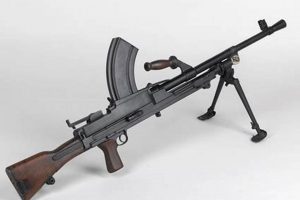
The necessity of authorization for possessing or utilizing an airsoft replica firearm varies significantly across jurisdictions. Legal regulations pertaining to these devices are not uniform, differing by country, state, and even local municipality. Factors such as the airsoft gun’s power, intended use, and the age of the user frequently influence whether a permit or license is required for ownership or operation.
Understanding these diverse legal frameworks is crucial for responsible airsoft enthusiasts. Non-compliance can result in penalties ranging from fines and confiscation of the device to more severe legal repercussions. Furthermore, knowledge of applicable regulations promotes safe and ethical participation in the sport, fostering a positive relationship between the airsoft community and the broader public.
Therefore, it is imperative to conduct thorough research into the specific laws governing airsoft guns in your area before acquiring or using one. This research should include consulting local law enforcement agencies, legal professionals familiar with firearms regulations, and reviewing relevant municipal and state statutes. Accurate information ensures adherence to the legal requirements and promotes safe and responsible airsoft practices.
Guidance on Airsoft Gun Regulations
Adhering to legal requirements surrounding airsoft guns is paramount. The following guidelines offer insights into navigating these regulations effectively.
Tip 1: Research Local Ordinances: Investigate city and county codes for specific stipulations regarding airsoft gun ownership, storage, and usage. These ordinances can be more restrictive than state or federal laws.
Tip 2: Consult State Statutes: Review state laws pertaining to imitation firearms and airguns. These laws may outline age restrictions, permissible locations for use, and acceptable modifications.
Tip 3: Contact Law Enforcement: Engage with local law enforcement agencies to clarify any ambiguities in the legal landscape. Their interpretation of the law is critical.
Tip 4: Verify Field Regulations: If participating in organized airsoft events, ascertain the field’s specific rules and regulations regarding permissible airsoft gun types, power limits, and safety protocols.
Tip 5: Secure Safe Storage: Store airsoft guns unloaded and in a secure location, inaccessible to unauthorized individuals, particularly minors. This practice minimizes the risk of accidental injury or misuse.
Tip 6: Transport with Caution: When transporting an airsoft gun, keep it concealed and unloaded. Transport it in a case or bag, distinct from its ammunition, to avoid misinterpretation or alarm.
Tip 7: Document Purchases: Retain receipts and any documentation related to the purchase of an airsoft gun. This paperwork can serve as proof of ownership and compliance with applicable regulations.
By diligently following these guidelines, individuals can ensure they are compliant with all relevant legal requirements and contribute to the responsible and safe practice of airsoft.
Understanding these legal nuances is essential for responsible airsoft participation. The information provided serves as a starting point for more detailed and localized legal exploration.
1. Local ordinances

Local ordinances represent a critical layer in the regulatory framework governing airsoft guns, often surpassing the stringency of state or federal laws. These municipal-level regulations directly influence whether a permit is required for possession or use. The rationale behind this local control stems from the recognition that community-specific factors, such as population density, crime rates, and local sensitivities, warrant tailored restrictions. For instance, a densely populated urban area might enact stricter permitting requirements compared to a rural county with fewer residents and less frequent public use of airsoft devices. Therefore, neglecting to investigate local ordinances presents a significant risk of non-compliance, irrespective of adherence to state or federal statutes.
Consider the scenario of a city prohibiting the discharge of any projectile weapon, including airsoft guns, within city limits, regardless of power output. In this context, a permit may be required not just for ownership, but also for transportation of the airsoft gun within the city, even if the state lacks such requirements. Similarly, specific municipalities might mandate background checks or mandatory safety training courses as prerequisites for obtaining a local airsoft gun permit, a requirement that could be entirely absent at the state level. Understanding these locally specific requirements is therefore paramount. The absence of a state-level mandate does not automatically imply the absence of local restrictions.
In summary, local ordinances are a key determinant in establishing whether a permit is needed for airsoft guns. The effect of these ordinances can significantly increase the regulatory burden beyond state or federal laws. Thus, thorough research at the municipal level is indispensable. Awareness of the specific local restrictions is crucial for responsible airsoft gun ownership and avoiding potential legal ramifications, further underscoring the importance of consulting with local law enforcement or municipal legal experts to ensure full compliance.
2. State regulations

State regulations form a significant tier within the legal landscape governing airsoft guns. These regulations, enacted at the state level, directly dictate the circumstances under which a permit is mandatory for airsoft gun ownership, use, or transport. Understanding these state-specific rules is crucial, as they can vary considerably, creating a patchwork of legal requirements across different geographic areas.
- Age Restrictions and Permitting
Many states impose age restrictions on airsoft gun ownership, often mirroring those for firearms. In such cases, minors may be required to obtain a permit, typically with parental consent and supervision. The permit serves as a mechanism to ensure responsible handling and storage of the device. Failure to comply with age-related permitting laws can lead to legal consequences for both the minor and their guardians. For example, a state law might mandate a permit for individuals under 18 to possess an airsoft gun, requiring completion of a safety course and parental authorization.
- Power Limits and Classifications
State regulations frequently classify airsoft guns based on their power output, usually measured in feet per second (FPS). Airsoft guns exceeding a certain FPS threshold may be classified as dangerous weapons, subjecting them to stricter permitting requirements akin to those for firearms. These regulations aim to prevent injuries and misuse, reflecting a concern over the potential for airsoft guns to cause harm if improperly used or modified. A state might require a permit for airsoft guns firing above 400 FPS, deeming them capable of inflicting significant injury.
- Transportation and Concealment Laws
Several states have specific laws addressing the transportation and concealment of airsoft guns. These laws often require airsoft guns to be transported unloaded and in a closed container, mirroring regulations for real firearms. Failure to comply with these transportation laws can result in fines, confiscation of the airsoft gun, and even criminal charges. A permit might be required to transport an airsoft gun legally, particularly if it is not stored in a case or is readily accessible.
- “Realistic Imitation” Restrictions
Certain states have regulations addressing the appearance of airsoft guns, particularly those that closely resemble real firearms. These “realistic imitation” laws may require airsoft guns to be marked with bright colors or have specific dimensions to distinguish them from actual firearms. A permit may be needed to possess an airsoft gun that lacks these distinguishing features, especially in public places, to prevent confusion and potential law enforcement responses. The rationale behind these restrictions is to minimize the risk of misidentification and potential escalation of interactions with law enforcement or the public.
The relationship between state regulations and the necessity of a permit for airsoft guns is multifaceted. The existence and stringency of these regulations directly impact the legal requirements for ownership and use. Disregarding these state-level requirements can result in legal penalties, emphasizing the importance of conducting thorough research into the specific laws of the state in question. Therefore, consulting state statutes and legal professionals is vital for responsible airsoft participation.
3. Federal guidelines
Federal guidelines, while not directly mandating permits for airsoft guns in a blanket fashion, influence their regulation primarily through interstate commerce laws and markings requirements. The impact of these guidelines on the permitting question is indirect but significant. Federal law stipulates that imitation firearms, which often include airsoft guns, must possess specific markings, typically a blaze orange tip. This requirement stems from the Commerce Clause of the U.S. Constitution, giving the federal government the power to regulate interstate commerce. The presence of this orange tip indicates that the device is not a real firearm, affecting how state and local laws categorize and regulate these items. A lack of the required marking could lead to an airsoft gun being treated as a real firearm under state or local law, thereby triggering permitting requirements that would not otherwise apply. A federal agency could, for example, prosecute a manufacturer for shipping unmarked imitation firearms across state lines, indirectly impacting the availability of compliant airsoft guns in various regions.
The practical effect of these federal guidelines is to establish a baseline for distinguishing airsoft guns from actual firearms. This distinction is crucial in shaping state and local laws. States and municipalities often rely on this federal standard when crafting their regulations regarding permits, age restrictions, and usage limitations. Compliance with federal marking requirements can effectively exempt an airsoft gun from regulations intended for real firearms, precluding the need for a permit. Conversely, the absence of these markings might cause the device to be misidentified, leading to the imposition of strict firearm regulations and permit requirements. Furthermore, federal guidelines influence the legal framework surrounding the importation of airsoft guns. Regulations related to import restrictions and customs enforcement play a role in the types of airsoft guns that are available within the U.S., ultimately affecting the devices that are subject to state and local permitting laws.
In conclusion, federal guidelines do not directly dictate whether a permit is needed for an airsoft gun. Their primary influence is through marking requirements and regulation of interstate commerce, which indirectly shape state and local laws. Compliance with federal marking requirements serves as a key factor in determining whether an airsoft gun is treated as a firearm under state or local law, thereby influencing permitting requirements. The understanding of these federal guidelines is vital for airsoft enthusiasts and retailers to ensure compliance with the broader legal framework. Non-compliance with federal regulations can have cascading effects at the state and local levels, potentially leading to the imposition of stricter permitting requirements, demonstrating the integral role of federal guidelines within the broader legal considerations of airsoft gun ownership.
4. Age restrictions

Age restrictions are a pivotal determinant in whether a permit is required for an airsoft gun. Minors are often subject to more stringent regulations than adults, and the age at which an individual is considered an adult varies by jurisdiction, directly impacting permitting requirements.
- Minimum Age Thresholds
Many jurisdictions establish minimum age thresholds for airsoft gun ownership, possession, or use. These thresholds often align with state or local laws regarding firearms or imitation firearms. If an individual is below the specified age, a permit may be required, often necessitating parental consent or supervision. This permit serves as a mechanism to ensure responsible handling and storage. For instance, a state might mandate a permit for individuals under 18 to possess an airsoft gun, accompanied by a safety course completion requirement. The absence of a permit in such scenarios can lead to legal penalties for both the minor and their guardians.
- Parental Consent and Guardianship
Even if a jurisdiction doesn’t mandate a permit for adults, it might require parental consent or guardianship for minors seeking to own or use an airsoft gun. This consent effectively acts as a de facto permit, placing the responsibility for safe usage and storage on the parent or legal guardian. Parental consent laws acknowledge the reduced capacity of minors to fully comprehend the risks associated with airsoft guns, thereby necessitating adult oversight. The permitting process might involve the parent or guardian co-signing the permit application, attending safety training sessions with the minor, or establishing a secure storage plan for the airsoft gun.
- Age-Based Restrictions on Usage Locations
Age restrictions can also dictate where an individual is legally permitted to use an airsoft gun. Certain jurisdictions might prohibit minors from using airsoft guns in public areas, limiting usage to private property with explicit consent from the property owner or designated airsoft fields. A permit may be required to use an airsoft gun in these specified locations, demonstrating compliance with age-based usage restrictions. These restrictions are intended to prevent accidental injuries, property damage, and potential misidentification of airsoft guns as real firearms, particularly in public settings. The permitting process, in such cases, serves as a method to track and regulate airsoft gun usage among minors.
- Impact on Permit Eligibility
Age restrictions directly impact eligibility for obtaining an airsoft gun permit. If an individual is below the legal age threshold, they might be ineligible for a standard permit available to adults. Instead, they may need to apply for a minor-specific permit, which often comes with additional requirements, such as a background check for the parent or guardian, mandatory safety training, and restrictions on the type of airsoft gun that can be owned. The permit application process itself might require proof of age, further emphasizing the importance of age verification in determining permit eligibility. These tiered permitting systems reflect the legal distinctions between adults and minors in the context of airsoft gun ownership.
The connection between age restrictions and the necessity of a permit for an airsoft gun is multifaceted. Age serves as a primary factor in determining whether a permit is required. Jurisdictions implement age-based permitting systems to ensure that minors possessing or using airsoft guns do so responsibly, under proper supervision, and with an understanding of the associated risks. These regulations contribute to the overall safety and responsible use of airsoft devices.
5. Power limits

Power limits, typically measured in feet per second (FPS) or Joules, are a primary factor influencing the necessity of a permit for an airsoft gun. Legal jurisdictions frequently categorize airsoft guns based on their projectile velocity, establishing thresholds above which more stringent regulations, including permitting requirements, apply. The relationship between power and regulation stems from concerns regarding potential injury and misuse associated with higher-powered devices.
- FPS Thresholds and Permit Requirements
Many states and municipalities define specific FPS thresholds that trigger permitting requirements. Airsoft guns exceeding these limits may be classified as “high-powered” or “dangerous,” subjecting them to regulations similar to those governing firearms. For example, a state might require a permit for airsoft guns firing above 400 FPS with 0.20g BBs, deeming them capable of inflicting significant injury. The permitting process often involves background checks, safety training, and secure storage protocols, reflecting the increased risk associated with higher-powered devices.
- Joules as an Alternative Metric
Some jurisdictions utilize Joules, a unit of energy, as an alternative metric for regulating airsoft gun power. A Joule-based system focuses on the kinetic energy of the projectile rather than solely its velocity. Similar to FPS thresholds, exceeding a certain Joule limit can trigger permitting requirements. This approach offers a more nuanced assessment of potential injury, as it considers both velocity and projectile mass. A legal framework might mandate permits for airsoft guns exceeding 1.5 Joules of energy output.
- Impact on Field Regulations and Event Participation
Power limits not only influence legal requirements but also affect participation in organized airsoft events. Airsoft fields typically impose their own FPS or Joule limits to ensure player safety. Airsoft guns exceeding these field-specific limits may be prohibited or require modification to comply. While not directly related to legal permitting, these field regulations demonstrate the broader concern over power and safety within the airsoft community. Exceeding field limits may result in expulsion from the event, underscoring the practical implications of power regulations.
- Variations in Legal Interpretation and Enforcement
The interpretation and enforcement of power limit regulations can vary significantly across jurisdictions. Some areas may strictly enforce FPS or Joule limits, while others may have more lenient enforcement practices. This variability can create confusion and uncertainty for airsoft enthusiasts. It is therefore essential to research the specific laws and enforcement practices in the relevant jurisdiction. Lack of knowledge or understanding about the variation could result in penalties and confiscation of equipment.
The connection between power limits and the necessity of a permit for an airsoft gun is direct and substantial. Power, measured in FPS or Joules, serves as a primary regulatory factor. Jurisdictions utilize power thresholds to classify airsoft guns, imposing stricter requirements, including permitting, on higher-powered devices. Responsible airsoft enthusiasts must be aware of both legal power limits and field regulations to ensure compliance and promote safety. Variations in interpretation and enforcement further underscore the importance of thorough research and understanding of local laws.
6. Transportation rules

Transportation rules significantly influence whether a permit is required for an airsoft gun. These regulations govern how airsoft guns must be carried, stored, and moved from one location to another, often with stipulations regarding concealment, accessibility, and packaging. A primary concern underlying these rules is preventing the misidentification of an airsoft gun as a real firearm, which could trigger alarm, law enforcement intervention, and potential safety risks. For example, a state law might require that airsoft guns be transported unloaded and in a locked case, separate from ammunition, to avoid being perceived as a concealed weapon. Non-compliance can lead to legal repercussions, including fines and confiscation of the airsoft gun, and, critically, may retroactively necessitate a permit that was not initially deemed necessary.
The practical significance of transportation rules extends beyond mere compliance. Strict adherence demonstrates responsible ownership and mitigates the risk of accidental discharge or theft during transit. Moreover, understanding these rules informs decisions about permissible transport methods. For instance, transporting an airsoft gun in plain view within a vehicle could violate concealment laws, whereas securely storing it in the trunk would be compliant. Some jurisdictions mandate permits specifically for transporting airsoft guns, particularly across state lines or within certain high-security areas. Airsoft fields often have specific transport guidelines, further emphasizing the importance of adherence. Ignoring these rules can lead to denial of entry to the field or even legal consequences if the field operates in a jurisdiction with strict transportation laws.
In summary, transportation rules are a critical component in determining the necessity of an airsoft gun permit. They establish a framework for safe and responsible handling during movement, aiming to prevent misidentification and ensure public safety. Non-compliance can lead to penalties and may trigger permit requirements that would otherwise be avoidable. Therefore, a thorough understanding of both state and local transportation regulations is essential for all airsoft gun owners, demonstrating responsible ownership and minimizing potential legal liabilities.
7. Storage protocols
Storage protocols for airsoft guns significantly influence whether a permit is required, particularly in jurisdictions emphasizing responsible gun ownership. Secure storage practices are often viewed as a preventative measure against accidental injury, theft, and misuse, thus impacting the stringency of permitting requirements.
- Secure Containment and Permitting
Many jurisdictions mandate specific storage protocols for airsoft guns, such as keeping them unloaded and in a locked container or gun safe. Compliance with these storage requirements may influence the type of permit needed, or even whether a permit is required at all. Demonstrating adherence to these protocols can sometimes lessen the regulatory burden. Conversely, failure to comply may trigger stricter permit requirements or increase the likelihood of legal penalties in the event of an incident. For instance, storing an airsoft gun unlocked and readily accessible might be considered negligence, leading to heightened scrutiny and potential legal repercussions, irrespective of initial permit status.
- Minors and Storage Regulations
When minors are involved, storage protocols become even more critical in the context of permitting. Jurisdictions often impose stricter storage requirements when airsoft guns are kept in households with individuals under a certain age. A permit might be required if the airsoft gun is not stored in a manner that prevents unauthorized access by minors. This reflects a concern for preventing accidental injury or misuse by individuals who may not fully understand the risks associated with airsoft guns. Secure storage, in these cases, is seen as a necessary safeguard to protect minors and promote responsible gun ownership.
- Impact on Insurance and Liability
Storage protocols can also indirectly influence permitting requirements through insurance and liability considerations. Homeowners’ or renters’ insurance policies may have specific requirements regarding the storage of airsoft guns, and failure to comply can impact coverage in the event of an accident or theft. Jurisdictions may consider adherence to insurance-related storage requirements as a factor in determining whether a permit is necessary. Demonstrating compliance with industry best practices for storage, as reflected in insurance policies, can strengthen the case for responsible ownership and potentially reduce the need for a permit.
- Connection to Local Ordinances
Local ordinances often include specific storage requirements for airsoft guns, supplementing state and federal regulations. These ordinances may dictate the types of locking devices required, the specific locations where airsoft guns can be stored, and the procedures for storing ammunition separately. Failure to comply with these local storage ordinances can trigger permitting requirements or result in fines and other penalties. Thorough research of local ordinances is essential to understanding the specific storage obligations within a given jurisdiction and their potential impact on the need for a permit.
The influence of storage protocols on the need for an airsoft gun permit is undeniable. Responsible storage practices can mitigate risks, foster compliance with local regulations, and potentially reduce the regulatory burden. Understanding and adhering to storage requirements is therefore a crucial aspect of responsible airsoft gun ownership. Non-compliance can have significant legal and financial ramifications, highlighting the importance of prioritizing secure storage practices.
Frequently Asked Questions Regarding Airsoft Gun Permit Requirements
The following addresses common inquiries concerning legal authorizations for airsoft gun ownership and use, providing clarity on regulatory complexities.
Question 1: Do federal laws mandate a permit for airsoft guns?
Federal laws do not directly require a permit for airsoft guns. However, federal guidelines regarding interstate commerce and marking requirements indirectly influence state and local regulations, potentially affecting the need for a permit based on compliance with federal standards.
Question 2: How do state laws impact permit requirements for airsoft guns?
State laws play a significant role in determining whether a permit is necessary for airsoft guns. Regulations vary by state and may include age restrictions, power limits, and transportation rules that trigger permit requirements for specific airsoft gun types or uses.
Question 3: Are local ordinances more restrictive than state laws regarding airsoft gun permits?
Local ordinances can indeed be more restrictive than state laws. Municipalities may impose additional requirements, such as background checks, safety training, or specific storage protocols, which can necessitate a permit even if the state does not have such a requirement.
Question 4: Do age restrictions affect the necessity of an airsoft gun permit?
Yes, age restrictions often trigger permit requirements for airsoft guns. Minors may be required to obtain a permit, typically with parental consent or supervision, to ensure responsible handling and storage of the device.
Question 5: How do power limits influence permit requirements for airsoft guns?
Power limits, measured in FPS or Joules, are a primary factor. Airsoft guns exceeding specified power thresholds may be classified as dangerous weapons, subjecting them to stricter permitting requirements akin to those for firearms.
Question 6: Is a permit needed solely for possessing an airsoft gun, or also for transporting or storing it?
A permit may be required not only for possession but also for transporting or storing an airsoft gun, depending on the jurisdiction. Transportation rules often dictate how airsoft guns must be carried, while storage protocols emphasize secure containment to prevent accidents or misuse, both potentially triggering permit requirements.
The complexities surrounding airsoft gun permits necessitate thorough investigation of federal guidelines, state laws, and local ordinances. Diligence in understanding applicable regulations is essential.
Consulting legal professionals or local law enforcement can provide additional clarity on specific legal obligations.
Determining Airsoft Gun Permit Requirements
This examination of “do you need a permit for an airsoft gun” has revealed the multi-layered regulatory framework governing these devices. Federal guidelines, state statutes, and local ordinances contribute to a complex web of legal obligations. Age restrictions, power limits, transportation rules, and storage protocols all influence the necessity of obtaining a permit. Failure to navigate these regulations can result in legal consequences, highlighting the importance of diligent research and informed action.
Ultimately, responsible airsoft gun ownership demands a comprehensive understanding of applicable laws. Prospective owners must prioritize thorough investigation of federal, state, and local requirements to ensure compliance and promote safe practices. Engaging with legal professionals or consulting local law enforcement agencies can provide crucial clarity and minimize the risk of legal repercussions, fostering a responsible approach to airsoft activities.