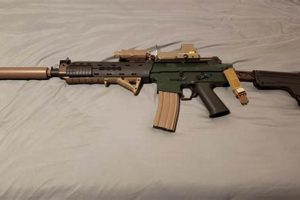
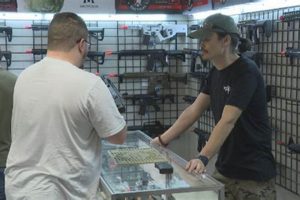
This activity combines the elements of costume play with the tactical simulation of skirmishes. Participants meticulously craft outfits and gear inspired by characters from various media, such as video games, movies, and anime. These individuals then engage in simulated combat scenarios using realistic replica firearms that fire non-lethal projectiles. For example, an individual might dress as a character from a military-themed video game and participate in a simulated operation with other similarly attired participants.
The practice fosters creativity, camaraderie, and physical activity. Individuals involved often dedicate significant time and resources to researching, constructing, and perfecting their outfits, developing valuable crafting and problem-solving skills. Furthermore, the simulated combat scenarios encourage teamwork, strategic thinking, and physical exertion. Historically, this specific blend of activities has evolved from simple costumed games to elaborate and highly organized events, attracting participants from diverse backgrounds.
The following sections will delve deeper into specific aspects of this phenomenon, including the craftsmanship involved in creating realistic representations, the rules and safety protocols essential for ensuring a positive experience, and the impact this activity has on the broader community of enthusiasts.
Crafting a Compelling Cosplay Airsoft Experience
This section provides guidance for individuals seeking to enhance their participation in costumed tactical simulations. Adherence to these suggestions can improve both the realism of the portrayal and the safety of all involved.
Tip 1: Prioritize Safety Equipment. The foundation of any successful participation must be the strict adherence to safety protocols. Eye protection, specifically ANSI-rated goggles or a full-face mask, is non-negotiable. Consider also mouth protection and earplugs. This minimizes the risk of injury during simulated combat.
Tip 2: Research Source Material Thoroughly. Accurate representation begins with diligent research. Thoroughly study the character’s attire, gear, and weaponry. Utilize visual references such as screenshots, concept art, and official merchandise to ensure fidelity to the original source.
Tip 3: Emphasize Functionality and Practicality. While aesthetics are important, prioritize the functionality and practicality of the ensemble. Ensure that the clothing allows for unrestricted movement, and that any load-bearing equipment is properly fitted and distributes weight evenly. Consider factors such as weather conditions and terrain when selecting materials.
Tip 4: Pay Attention to Detail. Seemingly minor details can significantly enhance the overall impression. Consider incorporating details such as accurate insignia, weathering effects, and realistic accessories. These small touches can elevate the portrayal from a simple costume to a convincing representation.
Tip 5: Understand Weaponry Regulations. Familiarize yourself with the specific regulations regarding replica firearms at the chosen venue. Ensure that the replica conforms to all applicable velocity limits, and that it is properly maintained and operated safely. Never modify a replica firearm in a manner that could increase its power or render it unsafe.
Tip 6: Communicate and Coordinate with Team Members. Before and during gameplay, communicate effectively with fellow participants. Coordinate tactics, share information about enemy positions, and maintain situational awareness. This promotes teamwork and enhances the overall immersive experience.
Tip 7: Strive for Authenticity in Roleplay. Beyond the visual aspects, consider embodying the character’s personality and mannerisms. This can involve adopting a specific accent, using appropriate terminology, and responding to situations in a manner consistent with the character’s established traits.
Adhering to these recommendations not only enhances the individual’s experience but also contributes to a more immersive and enjoyable environment for all participants. The subsequent sections will explore the community aspect, discussing events and opportunities for engagement with like-minded enthusiasts.
The following sections will delve deeper into specific aspects of this phenomenon, including the craftsmanship involved in creating realistic representations, the rules and safety protocols essential for ensuring a positive experience, and the impact this activity has on the broader community of enthusiasts.
1. Authenticity

In the context of costumed tactical simulations, authenticity transcends mere costume replication; it represents a commitment to accurate representation, directly impacting the immersive experience and the level of engagement among participants. The degree to which an individual accurately portrays a character, from the details of their attire to their mannerisms, directly influences the believability of the scenario. For example, an individual portraying a specific soldier from a military unit would strive to replicate the correct uniform, equipment, and insignia associated with that unit. Failure to do so diminishes the sense of realism, potentially disrupting the immersion for themselves and others.
The pursuit of accurate representation necessitates extensive research and attention to detail. This research may involve studying reference images, historical documents, or even consulting with experts in the relevant fields. For instance, individuals constructing historically accurate military uniforms often consult with historians or collectors to ensure the authenticity of their materials and construction techniques. The investment of time and effort in achieving this level of fidelity contributes to a more compelling and rewarding experience, enhancing both the participant’s and the collective immersion. However, its also essential to strike a balance between accuracy and practicality, ensuring that authentic elements do not compromise safety or functionality during gameplay.
Ultimately, authenticity serves as a cornerstone of this activity. While complete, unwavering accuracy may be unattainable or impractical in all scenarios, the commitment to striving for it elevates the experience, fostering a deeper appreciation for the source material and creating a more engaging and immersive environment. A challenge lies in navigating the balance between historical accuracy and functional practicality, ensuring safety and maneuverability within the game environment. The principles of authenticity are directly relevant to the ongoing development and enrichment of costumed tactical simulation communities.
2. Safety
Within the realm of costumed tactical simulations, safety transcends mere compliance; it is the foundational principle underpinning participant well-being and the sustainability of the activity. Strict adherence to safety protocols mitigates potential risks associated with replica firearms, physical exertion, and simulated combat scenarios, safeguarding individuals and promoting a responsible, enjoyable environment.
- Eye Protection
The use of appropriate eye protection, specifically ANSI-rated goggles or full-face masks, is paramount. Projectiles, even non-lethal ones, pose a significant risk of eye injury. Examples of compliant eye protection include full-seal goggles that meet or exceed ANSI Z87.1 standards. Neglecting this facet can lead to severe, irreversible damage, rendering participation inherently unsafe.
- Velocity Limits
Adherence to established velocity limits for replica firearms is crucial. These limits, typically measured in feet per second (FPS) with a standardized projectile weight, are designed to minimize the impact force of projectiles. Field operators utilize chronographs to verify compliance. Exceeding these limits increases the risk of injury and can result in expulsion from events.
- Protective Gear
Beyond eye protection, additional protective gear is often recommended or required, depending on the event and environment. This may include mouth protection, ear protection, and appropriate clothing to mitigate abrasions and impacts. The use of helmets is frequently encouraged, particularly in outdoor environments with uneven terrain.
- Safe Weapon Handling
Proper handling of replica firearms is essential. This includes treating all replicas as if they were loaded, keeping the muzzle pointed in a safe direction, and engaging the safety mechanism when not actively engaged in simulated combat. Participants are responsible for understanding and adhering to established weapon handling protocols.
The integration of these facets underscores the critical role of safety in costumed tactical simulations. A proactive approach to risk mitigation, combined with participant education and responsible behavior, ensures the continued viability and enjoyment of this activity. Failure to prioritize safety can lead to injuries, event cancellations, and ultimately, the decline of the community.
3. Craftsmanship

Craftsmanship, within the context of costumed tactical simulations, represents the deliberate and skillful creation or modification of costumes, gear, and weaponry. This facet significantly contributes to the authenticity and immersive quality of the experience, demanding both technical proficiency and artistic vision.
- Costume Construction and Modification
This facet encompasses the design, fabrication, and alteration of garments to accurately represent characters. This can involve sewing, tailoring, pattern-making, and weathering techniques. Example: Constructing a World War II-era uniform from period-accurate materials, requiring knowledge of historical tailoring techniques and fabric sourcing.
- Prop and Weaponry Fabrication
This involves the creation of replica weapons and equipment from raw materials. Techniques include 3D printing, mold making, casting, and painting. Example: Building a realistic replica rifle using 3D printed components and weathering techniques to mimic battlefield wear and tear. These fabrications must adhere to safety standards to be viable.
- Material Sourcing and Selection
The selection of appropriate materials is critical for achieving both visual accuracy and functional performance. This requires knowledge of fabric properties, metalworking techniques, and plastics fabrication. Example: Choosing durable, lightweight materials for armor plating to balance protection and mobility during simulated combat.
- Weathering and Detailing Techniques
Applying weathering effects and intricate details enhances the realism of costumes and props. This can involve painting techniques, distressing methods, and the application of small, accurate details. Example: Using dry brushing and washes to create a worn and battle-hardened appearance on a piece of tactical gear, enhancing its visual authenticity.
The mastery of these craftsmanship techniques elevates a costume from a simple outfit to an authentic representation, enriching the simulated experience and fostering a deeper sense of immersion. The pursuit of craftsmanship within costumed tactical simulations highlights the dedication and skill of participants, contributing significantly to the overall quality and enjoyment of the activity.
4. Tactical Simulation
Tactical simulation constitutes a core element within costumed tactical simulations, providing the framework for engagement and strategic interaction. This component involves the application of military tactics, strategies, and doctrines within a simulated combat environment, employing realistic scenarios and replica weaponry. It transcends mere costume play, requiring participants to understand and execute coordinated maneuvers, communication protocols, and objective-based gameplay. The quality of the tactical simulation directly impacts the overall immersive experience, influencing the believability and challenge of the simulated combat.
The importance of tactical simulation in costumed tactical simulations is evidenced by the prevalence of structured scenarios, rule sets, and ranking systems used in organized events. These elements promote teamwork, strategic thinking, and adherence to established protocols, mirroring the dynamics of real-world military operations. For example, a scenario might task opposing teams with capturing a designated objective while employing flanking maneuvers, suppressing fire, and communication relays. The successful execution of these tactics, based on realistic military doctrine, enhances the sense of immersion and challenge for participants. Proper execution of these tactics requires participants to learn how to perform tactical movements such as bounding overwatch, and pieing corners when entering buildings.
A functional understanding of tactical simulation within this context holds practical significance. Participants with a solid grasp of tactics and strategy are better equipped to contribute effectively to their teams, enhancing their individual and collective performance. Furthermore, understanding the underlying principles of tactical simulation can promote safety by encouraging responsible weapon handling, adherence to rules of engagement, and effective communication. By emphasizing the tactical element, costumed tactical simulations evolve beyond simple games of tag, offering a more challenging, immersive, and rewarding experience for all involved, with real skills being learned.
5. Community
The social aspect forms a crucial component of this specific activity, fostering a sense of belonging and shared experience among participants. Individuals with similar interests converge, establishing relationships centered on shared enthusiasm for costuming, tactical simulation, and associated media. This community provides opportunities for collaboration, knowledge sharing, and mutual support, enhancing the overall experience for its members. The collective endeavor of organizing and participating in events strengthens social bonds, promoting a sense of camaraderie and teamwork. Examples include online forums where enthusiasts share tips on costume construction or engage in strategic discussions related to simulated combat. These platforms facilitate communication, enabling participants to coordinate activities, exchange ideas, and collectively advance their skills. This shared passion also promotes in-person engagement during organized skirmishes and conventions.
Organized events represent a focal point for community interaction, providing opportunities for participants to showcase their craftsmanship, test their tactical skills, and engage in social activities. These events often feature themed scenarios, costume contests, and vendor booths, attracting individuals from diverse geographical locations. The collaborative nature of these events reinforces community bonds, as participants work together to achieve common goals and overcome challenges. For example, a team might collaborate to construct an elaborate base of operations, requiring individuals to contribute their skills in areas such as carpentry, electronics, and costume design. Through this collaborative process, individuals form lasting connections and develop a sense of collective accomplishment. Many of these groups engage in charitable activities outside of the matches.
The community aspect of costumed tactical simulations extends beyond the immediate participants, encompassing a broader network of supporters, vendors, and event organizers. This network contributes to the sustainability and growth of the activity by providing resources, expertise, and logistical support. The sharing of knowledge, skills, and resources within this community is crucial for the ongoing development and enrichment of this unique form of entertainment. Ultimately, the community aspect is not merely an ancillary benefit, but a fundamental element that defines the character and success of costumed tactical simulations, ensuring its vibrancy and continued evolution for years to come. A challenge is ensuring inclusive representation and encouraging positive engagement to cultivate a healthy community dynamic.
6. Role-playing
Role-playing constitutes a significant layer within costumed tactical simulations, enriching the experience beyond mere physical activity and costuming. It involves the assumption of a character persona, influencing behavior, communication, and interaction within the simulated environment. The extent of this role-playing varies among participants, ranging from subtle affectations to elaborate character portrayals. The integration of role-playing elements adds depth and complexity, transforming a simulated skirmish into an immersive narrative.
- Character Immersion
This facet encompasses the degree to which an individual embodies the chosen character, influencing their actions, dialogue, and overall demeanor. For example, a participant portraying a stoic soldier from a science fiction universe might maintain a reserved and disciplined posture, communicating primarily through concise and professional language. This immersive approach enhances the realism of the simulation, contributing to a more engaging experience for all involved.
- Backstory Integration
The development and application of a character’s backstory adds layers of complexity to the role-playing experience. Participants might create elaborate histories for their characters, influencing their motivations, relationships, and interactions with others. For instance, a character with a history of betrayal might exhibit distrust and suspicion towards new acquaintances, adding a dramatic element to the simulation. The weaving of these backstories into the gameplay environment contributes to a more dynamic and engaging narrative.
- Scenario Responsiveness
This element involves adapting the character’s behavior and decisions in response to the unfolding events within the simulated environment. A character facing unexpected challenges might react with courage, desperation, or strategic cunning, depending on their established personality and backstory. This responsiveness adds a layer of unpredictability to the simulation, fostering creative problem-solving and collaborative storytelling.
- Faction Allegiance and Conflict
Role-playing often involves aligning characters with specific factions or groups, creating opportunities for conflict and cooperation within the simulated environment. Participants might portray loyal soldiers, treacherous mercenaries, or charismatic leaders, each with their own agendas and motivations. The interactions between these factions drive the narrative forward, generating dynamic scenarios and strategic challenges. For example, participants could form a team with the goal of protecting a key person.
In the context of costumed tactical simulations, the integration of role-playing elements serves to elevate the experience beyond a simple game of simulated combat. By embracing the creative potential of character portrayal, participants transform the simulation into an interactive narrative, fostering deeper engagement and creating lasting memories. A consideration lies in balancing the creative freedom of role-playing with the tactical objectives of the simulation, ensuring that both aspects contribute to a cohesive and enjoyable experience. A well-executed role play enriches the experience with dynamic character relationships.
Frequently Asked Questions about Cosplay Airsoft
The following addresses common inquiries and misconceptions regarding the fusion of costumed role-play and tactical simulation.
Question 1: Is “cosplay airsoft” simply dressing up in costumes and playing a game?
No. This activity involves a commitment to both accurate character representation and the application of tactical principles within a simulated combat environment. It requires attention to detail in costuming, safe weapon handling, and strategic thinking.
Question 2: Are the replica firearms used in “cosplay airsoft” dangerous?
While replica firearms used discharge non-lethal projectiles, they can cause injury if mishandled. Strict safety protocols, including mandatory eye protection and adherence to velocity limits, are essential to minimize risk. Negligence in following these guidelines can result in harm.
Question 3: Does participation require extensive prior military experience?
No. While a basic understanding of tactical concepts is beneficial, participation is open to individuals of all skill levels. Many events offer introductory briefings and training sessions to familiarize newcomers with fundamental tactics and safety procedures.
Question 4: How much does it cost to get involved?
The financial commitment varies significantly depending on the level of involvement. Basic costs include eye protection, a replica firearm, and appropriate attire. More elaborate costumes and specialized equipment can increase the cost considerably. However, budget-friendly options are available for newcomers.
Question 5: Are there age restrictions for participation?
Yes. Age restrictions vary depending on the specific event and venue. Minors typically require parental consent and supervision. It is imperative to verify the age requirements before participating in any event. Some events only allow adult participants.
Question 6: Where can individuals find “cosplay airsoft” events?
Events are often advertised on online forums, social media groups, and dedicated event websites. Searching for local airsoft communities or cosplay groups can provide valuable information on upcoming events in the area. Careful research is essential to confirm event legitimacy and safety standards.
Understanding these core principles promotes a safer, more enjoyable experience. Preparation and responsible participation are key.
The following section will provide examples to illustrate concepts.
Conclusion
The preceding discussion has explored various facets of costumed tactical simulations. From the dedication to accurate character portrayal to the rigorous safety protocols and strategic engagement, the activity represents a convergence of diverse interests and skills. It fosters community, encourages creativity, and demands responsible participation. This pursuit offers participants a challenging and rewarding experience that extends beyond mere recreation.
The continued success hinges on maintaining a balance between authenticity, safety, and community engagement. As the activity evolves, adherence to these core principles will ensure its viability and enrich the experiences of those involved. Responsible participation is essential for sustaining the positive aspects of this pursuit and mitigating potential risks. Future prospects will rely on the commitment of enthusiasts to uphold these values and foster a welcoming environment for all involved.