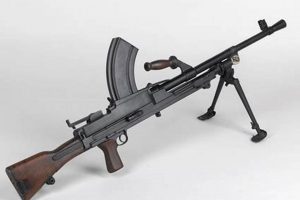
The query at hand concerns the potential modification of airsoft replicas into functional firearms. This involves altering the internal mechanisms and construction of an airsoft device to discharge a projectile capable of causing significant harm, moving beyond its intended purpose of recreational simulation.
The focus stems from safety and legal considerations. Attempting to achieve such a conversion can pose significant dangers, including catastrophic failure of the modified device, potentially causing serious injury to the user or bystanders. Furthermore, many jurisdictions have stringent laws regulating the possession, manufacture, and modification of firearms. Illegal modifications can result in severe criminal penalties.
The following sections will delve into the technical feasibility, inherent risks, legal ramifications, and ethical considerations associated with attempts to fundamentally change the purpose of airsoft devices, highlighting the reasons why such endeavors are generally discouraged and often unlawful.
Considerations Regarding Airsoft Replica Modification
The following points address critical factors when evaluating the prospect of altering airsoft devices. It is imperative to approach this topic with a full understanding of the potential dangers and legal repercussions.
Tip 1: Recognize Material Limitations: Airsoft replicas are typically constructed from materials, such as plastic or lightweight alloys, not designed to withstand the pressures generated by live ammunition. Modification attempts can lead to structural failure and hazardous fragmentation.
Tip 2: Understand Legal Ramifications: Modifying an airsoft replica to function as a firearm often violates local, state, and federal laws concerning firearms manufacturing and possession. Such actions can result in severe legal penalties.
Tip 3: Acknowledge Mechanical Complexity: Converting an airsoft device necessitates a comprehensive understanding of ballistics, internal combustion, and firearm mechanics. Insufficient knowledge can lead to dangerous malfunctions and unintended consequences.
Tip 4: Assess the Risk of Unpredictable Behavior: Modified airsoft replicas are prone to erratic performance and unpredictable trajectory. This can create significant safety risks for the user and those nearby.
Tip 5: Prioritize Responsible Firearm Handling: If engaging with genuine firearms, adherence to established safety protocols and professional training is crucial. Modifications to airsoft devices do not substitute for proper firearm education.
Tip 6: Seek Expert Consultation: Prior to engaging in any alterations, consulting with qualified firearms experts or legal professionals is advisable. Their expertise can offer crucial insights into the potential risks and legal implications involved.
The information outlined above emphasizes the inherent dangers and legal complexities associated with modifying airsoft devices. Safety, legality, and ethical considerations should always take precedence.
The subsequent sections will explore alternative safe and legal recreational shooting activities and highlight the importance of responsible firearm ownership.
1. Material Strength Inadequacy

The inquiry into whether airsoft devices can be altered into functional firearms critically hinges on the aspect of material strength inadequacy. Airsoft replicas are predominantly constructed from polymers, lightweight alloys, or a combination thereof. These materials are selected for their ability to replicate the appearance and ergonomics of real firearms while maintaining a safe and cost-effective platform for recreational use. They are explicitly not designed to withstand the pressures generated by the ignition of gunpowder or similar propellants used in standard ammunition.
The consequence of this inherent weakness is that any attempt to convert an airsoft replica into a firearm would almost certainly result in catastrophic failure upon firing. The breach, barrel, or other critical components would likely rupture, sending fragments of the device at high velocity towards the user and any bystanders. This is not a theoretical risk; there are documented cases where individuals attempting similar modifications have suffered severe injuries, including loss of eyesight and permanent disfigurement. Furthermore, even if a modified airsoft device were to survive a single firing, its structural integrity would be compromised, making subsequent use extremely dangerous.
Understanding the material strength inadequacy of airsoft replicas is therefore essential for comprehending the impracticality and inherent danger involved in attempts to convert them into functional firearms. This limitation serves as a primary reason why such modifications are strongly discouraged and, in many jurisdictions, legally prohibited. The focus should instead be directed toward the safe and responsible use of airsoft devices within their intended parameters, or, for those interested in firearms, proper training and adherence to all applicable laws and regulations regarding the possession and use of actual firearms.
2. Legal Prohibitions Widespread
The widespread nature of legal prohibitions against the modification of airsoft devices directly correlates to concerns about their potential conversion into functional firearms. Recognizing the inherent dangers and criminal applications of such conversions, various jurisdictions have implemented laws to deter and penalize these activities.
- Firearms Manufacturing Laws
Many jurisdictions possess strict regulations regarding the manufacture of firearms, requiring licenses, serial numbers, and adherence to specific safety standards. Modifying an airsoft device to discharge live ammunition often falls under the definition of firearms manufacturing, thereby subjecting the individual to prosecution for violating these laws. The absence of required markings and safety features on the modified device further compounds the legal infraction.
- Destructive Device Classifications
Certain modified airsoft devices might be classified as destructive devices under federal or state laws. This classification often applies if the modified device can fire projectiles beyond a certain caliber or contains explosive components. Possession of a destructive device typically carries severe penalties, including lengthy prison sentences and substantial fines.
- Imitation Firearm Regulations
Recognizing the potential for confusion and misuse, many jurisdictions have specific laws regulating imitation firearms, including airsoft devices. These regulations often prohibit the alteration of such devices to make them more realistic or capable of discharging projectiles other than the intended plastic BBs. Conversion attempts directly contravene these regulations.
- Criminal Intent Considerations
Even if the modification itself does not result in a fully functional firearm, the intent behind the modification can be a significant factor in legal proceedings. If evidence suggests the individual intended to use the modified airsoft device for criminal purposes, such as robbery or assault, the legal consequences will be far more severe, potentially including charges related to weapons offenses and attempted crimes.
These legal prohibitions are a direct response to the risks associated with the potential conversion of airsoft devices. The legal frameworks are designed to prevent the creation of unregulated and potentially dangerous weapons, protect public safety, and deter criminal activity involving imitation firearms. The widespread nature of these laws underscores the seriousness with which jurisdictions view this issue.
3. Mechanical Knowledge Required
The feasibility of altering airsoft devices into functional firearms is intrinsically linked to the level of mechanical knowledge possessed by the individual attempting such modifications. This knowledge extends beyond basic understanding and encompasses a comprehensive grasp of firearm mechanics, materials science, and safety protocols.
- Understanding Firearm Operating Systems
A functional firearm relies on a complex interplay of components, including the firing pin, bolt carrier group, and gas system (if applicable). Modifying an airsoft device requires a thorough understanding of how these systems interact to achieve controlled detonation and projectile propulsion. Without this knowledge, attempts at conversion are likely to result in malfunctions, misfires, or even catastrophic failures. Real-world examples include improperly timed gas systems leading to explosive venting or a poorly designed bolt causing a chain reaction.
- Materials Science and Stress Analysis
Converting an airsoft replica necessitates a deep understanding of the materials used in its construction and their limitations under stress. Airsoft components are typically made from plastics or lightweight alloys, which are not designed to withstand the pressures generated by live ammunition. Replacing these components with suitable materials requires knowledge of metallurgy, heat treating, and stress analysis to ensure the modified device can safely contain the forces generated during firing. Failure to consider these factors can lead to structural failure and potential injury.
- Precision Machining and Fabrication Techniques
Successfully modifying an airsoft device often requires precise machining and fabrication techniques to create or modify existing parts. This might involve tasks such as re-boring the barrel, fabricating a new bolt, or modifying the trigger mechanism. Proficiency in using machine tools, such as lathes and mills, is essential for ensuring proper fit and function. Inadequate machining can lead to misalignment, excessive friction, and increased risk of component failure.
- Safety Protocols and Risk Assessment
Working with firearms, even in a modification capacity, demands strict adherence to safety protocols and a comprehensive understanding of risk assessment. This includes knowledge of safe firearm handling practices, proper eye and ear protection, and the ability to identify and mitigate potential hazards. Improper handling of modified devices can lead to accidental discharges or other dangerous situations, emphasizing the critical need for safety consciousness.
In summation, attempts to alter airsoft devices into functional firearms are heavily reliant on a foundation of extensive mechanical knowledge. Lacking the requisite understanding of firearm systems, materials science, precision machining, and safety protocols significantly elevates the risk of failure, injury, and legal repercussions. The complexity of the task necessitates a degree of expertise that is often underestimated, making such modifications inherently dangerous and generally inadvisable.
4. Dangerous Projectile Potential
The query of whether airsoft devices can be converted into functional firearms directly introduces the concern of dangerous projectile potential. Airsoft devices, in their unmodified state, are designed to discharge lightweight plastic projectiles at relatively low velocities, intended for recreational simulation and target practice. Conversion attempts, however, aim to increase the velocity, mass, and/or type of projectile, thereby elevating the risk of serious injury or fatality. This dangerous projectile potential represents a critical consequence of any successful, or even partially successful, conversion.
The relationship between converting an airsoft device and creating a dangerous projectile potential is one of cause and effect. The act of modification, if it increases the muzzle velocity or allows for the firing of heavier or more rigid projectiles (e.g., metal BBs, pellets, or even live ammunition), directly causes an increase in the device’s potential to inflict harm. Examples are abundant in reports of injuries caused by modified airsoft devices, ranging from eye injuries and lacerations to penetration wounds capable of causing internal organ damage. The practical significance of understanding this lies in recognizing that even seemingly minor modifications can dramatically alter the device’s safety profile, transforming it from a toy into a potentially lethal weapon.
The consideration of dangerous projectile potential highlights the importance of adhering to safety regulations and respecting the intended use of airsoft devices. Attempting to circumvent these limitations through modifications is not only potentially illegal but also demonstrates a disregard for the safety of oneself and others. The consequences of creating a dangerous projectile potential far outweigh any perceived benefit, reinforcing the need for responsible behavior and discouraging attempts to convert airsoft devices into something they are not designed to be.
5. Ethical Considerations Paramount

The query regarding the potential modification of airsoft devices into functional firearms immediately raises profound ethical considerations. These extend beyond legal compliance and encompass moral obligations to ensure public safety, prevent misuse, and uphold responsible conduct regarding items resembling actual weapons. The ethical dimension serves as a guiding principle when evaluating the feasibility and desirability of such alterations.
- Deception and Misrepresentation
Altering an airsoft device to more closely resemble or function as a real firearm introduces the potential for deception. The modified device could be used to intimidate, threaten, or deceive law enforcement or the general public. This violates the ethical principle of honesty and creates an environment of fear and distrust. The inherent ambiguity created undermines the clear distinction between recreational devices and lethal weapons.
- Potential for Criminal Misuse
A converted airsoft device carries a heightened risk of criminal misuse. It could be employed in robberies, assaults, or other violent crimes, creating a dangerous situation for victims and the community. The ethical obligation to prevent harm to others necessitates refraining from actions that increase this risk. The allure of a readily available, easily concealed weapon can incentivize illegal activities.
- Erosion of Trust and Responsible Ownership
Modifying airsoft devices can erode the trust placed in responsible owners of both airsoft replicas and genuine firearms. It contributes to a perception that these items are inherently dangerous and encourages stricter regulations that can impact legitimate recreational and sporting activities. Upholding ethical standards necessitates responsible handling and preventing actions that could lead to negative consequences for the wider community.
- Safety and Unintended Consequences
Ethical considerations extend to the safety of the individual performing the modification and those who might come into contact with the altered device. The potential for catastrophic failure, accidental discharge, or unintended harm requires careful consideration of the risks involved. The ethical principle of non-maleficence dictates that actions should be taken to minimize harm and prevent foreseeable negative outcomes.
The ethical considerations surrounding the modification of airsoft devices into functional firearms underscore the importance of responsible decision-making. The potential for deception, criminal misuse, erosion of trust, and safety risks necessitates a cautious and ethically informed approach. These ethical factors should be paramount in determining whether to engage in such modifications, often outweighing any perceived benefits and reinforcing the need to prioritize public safety and responsible conduct.
Frequently Asked Questions
The following addresses common inquiries regarding the potential and ramifications of altering airsoft devices, emphasizing safety and legal considerations.
Question 1: Is it technically possible to modify an airsoft device to fire live ammunition?
While theoretically possible with extensive modifications, the inherent material limitations and design of airsoft devices make them unsuitable for withstanding the pressures generated by live ammunition. Such modifications are highly dangerous and prone to catastrophic failure.
Question 2: Are there legal restrictions on modifying airsoft devices?
Yes. Most jurisdictions have laws regulating the manufacture, modification, and possession of firearms. Altering an airsoft device to function as a firearm typically violates these laws, potentially resulting in severe criminal penalties.
Question 3: What are the potential dangers of attempting to convert an airsoft device?
Attempting such a conversion can result in serious injury or death due to the device’s structural failure. The modified device could explode or malfunction, sending fragments at high velocity towards the user and bystanders.
Question 4: What type of expertise is required for such a modification?
Successful conversion requires a comprehensive understanding of firearm mechanics, ballistics, materials science, and machining techniques. Lacking this expertise significantly increases the risk of failure and injury.
Question 5: Can a modified airsoft device be easily identified as such?
While some modifications might be concealed, a trained professional can typically identify alterations. Furthermore, the absence of required markings and safety features on the modified device can be a clear indicator of illegal modification.
Question 6: What are the ethical considerations surrounding such modifications?
Ethical considerations include the potential for misuse, the risk to public safety, and the erosion of trust in responsible firearm owners. Modifying airsoft devices to resemble or function as real firearms can contribute to a perception of danger and encourage stricter regulations.
Modifying airsoft devices presents substantial risks and legal ramifications. Safety and adherence to applicable laws are paramount.
The following section explores alternative safe and legal recreational shooting activities and reinforces the importance of responsible firearm ownership and recreational practices.
Concerning the Modification of Airsoft Devices
This exploration of whether airsoft guns can be converted has revealed significant safety, legal, and ethical challenges. The inherent material limitations of airsoft devices render them unsuitable for the pressures generated by live ammunition. Legal prohibitions against unauthorized firearms manufacturing are widespread. The level of mechanical knowledge required for any degree of success is extensive, and even a partially functional conversion introduces a dangerous projectile potential. Furthermore, ethical considerations regarding misuse, public safety, and responsible ownership must be paramount.
Therefore, in light of these factors, any consideration of modifying airsoft devices into functional firearms should be approached with extreme caution and a thorough understanding of the potential consequences. Prioritizing safety, legality, and ethical conduct is essential to mitigating the risks associated with such alterations. The focus should remain on responsible use of airsoft devices within their intended parameters or, for those interested in firearms, pursuing proper training and adhering to all applicable laws and regulations regarding legitimate firearm ownership and use. The potential ramifications far outweigh any perceived benefit.