Within the realm of airsoft, a designated individual may receive special protection or priority treatment during gameplay scenarios. This person, often integral to the mission’s success, requires safeguarding by teammates. An example would be a role-playing event where a commander must be escorted safely across a field, facing simulated enemy fire.
The inclusion of such a figure introduces a heightened level of strategic depth and teamwork. Protecting this key participant incentivizes coordinated movement, communication, and tactical awareness among team members. This dynamic reflects real-world protection operations, fostering a more immersive and engaging experience for participants.
Understanding the significance of this protected role is crucial for both new and experienced airsoft enthusiasts. The following sections will delve deeper into specific tactical considerations, equipment choices, and scenario designs related to this critical gameplay element within the airsoft community.
Strategic Considerations for a Protected Individual in Airsoft
This section outlines essential considerations for those designated as a high-value target during airsoft operations. Adherence to these guidelines enhances survivability and contributes to mission success.
Tip 1: Prioritize Concealment and Evasion: Minimize visibility through tactical movement and the utilization of available cover. Avoid open spaces and predictable routes to reduce the likelihood of enemy engagement. Consider camouflage appropriate to the environment.
Tip 2: Maintain Situational Awareness: Constantly scan the surroundings for potential threats. Communicate observed enemy positions and movements to the protective detail. Awareness allows for proactive threat mitigation.
Tip 3: Trust and Communicate with the Protective Detail: The designated security team possesses specialized training and situational awareness. Adhere to their guidance and provide relevant information to facilitate effective protection. Open communication is paramount.
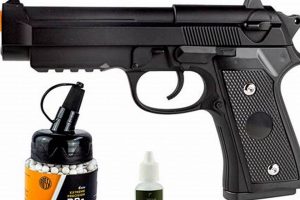
Tip 4: Equip Appropriately: While direct engagement is not the primary role, carry a sidearm for emergency self-defense. Ensure the weapon is easily accessible and that proficiency is maintained through regular practice. Lightweight gear facilitates mobility.
Tip 5: Utilize Smoke and Other Obscurants: Employ smoke grenades or other obscurants to create confusion and provide cover during movement. Coordinate the deployment of such devices with the protective detail to maximize their effectiveness.
Tip 6: Understand Extraction Procedures: Before commencing the mission, establish clear extraction protocols with the protective detail. Know rally points, communication methods, and contingency plans in case of compromise.
Tip 7: Maintain a Low Profile: Avoid drawing unnecessary attention. Refrain from engaging in actions that could compromise the security of the protective detail or reveal the protected individual’s location. Discipline is crucial.
Effective execution of these tips significantly increases the likelihood of successfully completing missions where the safety of a designated individual is paramount. These strategies promote teamwork, tactical thinking, and immersive gameplay.
The final section of this article will consolidate the information presented, offering a summary of key concepts and potential future developments in this area of airsoft tactics.
1. Escort Team

An escort team is a vital component when considering the role of a protected individual in airsoft scenarios. The effectiveness of this team directly impacts the safety and mission success centered around the designated high-value target.
- Composition and Training
The escort team’s composition is crucial, demanding members with tactical proficiency, situational awareness, and effective communication skills. Specific training in close-quarters combat, defensive maneuvers, and casualty extraction prepares the team for potential threats. Real-world parallels exist in executive protection units or military personnel securing key individuals. The implication for airsoft is a more realistic and challenging engagement, emphasizing teamwork and coordination.
- Protective Formations and Movement
Escort teams utilize established protective formations to maintain a secure perimeter around the protected individual. Formations like the diamond, wedge, or box are adapted based on the environment and anticipated threats. Movement is deliberate and coordinated, with team members covering specific sectors of responsibility. This mimics the operational procedures of security details tasked with safeguarding dignitaries. The effect within airsoft is to necessitate strategic thinking and disciplined execution of tactical maneuvers.
- Threat Assessment and Mitigation
Escort teams are responsible for continuously assessing potential threats and implementing measures to mitigate risk. This includes identifying potential ambush points, monitoring enemy movements, and reacting to incoming fire. Real-world security protocols emphasize proactive threat detection and rapid response. Within airsoft, this translates to heightened awareness, quick decision-making, and the ability to adapt to dynamic combat situations.
- Communication and Coordination
Effective communication is paramount for a successful escort team. Clear and concise communication protocols are essential for relaying information about threats, coordinating movements, and requesting support. The use of radio communication or hand signals facilitates seamless coordination among team members. This mirrors the communication strategies employed by law enforcement and military units. In airsoft, it emphasizes the importance of teamwork and shared understanding of mission objectives.
The performance of the escort team is intrinsically linked to the survival and successful extraction of the designated individual. These elements collectively contribute to a more engaging, realistic, and strategically demanding airsoft experience. Understanding these nuances enhances the overall quality of the game, fostering a deeper appreciation for tactical teamwork and strategic decision-making.
2. Strategic Positioning

Strategic positioning, in the context of airsoft scenarios involving a protected individual, serves as a cornerstone for mission success. The placement of both the protected asset and the security detail directly influences vulnerability to enemy fire, ease of movement, and overall survivability. A poorly positioned individual is a liability, increasing the risk of capture or elimination, thereby jeopardizing mission objectives. Conversely, well-considered positioning maximizes cover, concealment, and fields of fire for the protective team, significantly enhancing the odds of a successful extraction or objective completion. The concept mirrors real-world protection details, where meticulous planning of routes, safe rooms, and fallback positions is paramount.
Consider an airsoft scenario where the protected individual must be escorted across an open field. Simply moving directly across exposes the entire team to concentrated fire. A more strategic approach involves utilizing available terrain features like ditches or vegetation for cover, assigning team members to provide suppressing fire, and employing smoke grenades to obscure enemy lines of sight. Alternatively, in urban environments, leveraging building layouts, alleyways, and doorways provides concealment and opportunities for ambushes against pursuing forces. The success of such tactics hinges on a thorough understanding of the map, anticipated enemy movements, and the capabilities of both the protected individual and the escort team.
In summation, strategic positioning is not merely a matter of chance but a deliberate application of tactical principles. Effective utilization of terrain, cover, and team coordination are essential for safeguarding the high-value individual. Failure to prioritize this aspect exposes the entire operation to unacceptable risk, highlighting the practical significance of understanding and implementing effective positioning strategies. The ongoing evolution of airsoft tactics necessitates continued refinement of these techniques to counter emerging threats and maximize mission effectiveness.
3. Threat Assessment
In airsoft scenarios centered around a protected individual, rigorous threat assessment forms the basis for all subsequent security measures. Effective protection necessitates a comprehensive understanding of potential dangers, enabling proactive mitigation strategies.
- Identification of Potential Adversaries
A primary facet of threat assessment involves identifying likely opposition forces. This includes analyzing their known tactics, equipment, and skill levels. Historical data from previous engagements can provide valuable insights. In real-world security, this mirrors intelligence gathering on potential attackers. For airsoft, this analysis informs resource allocation and defensive positioning.
- Environmental Risk Analysis
The environment itself presents potential threats. Factors such as terrain, visibility, and choke points influence vulnerability. A detailed analysis of the operational area identifies potential ambush locations and avenues of approach. Real-world military operations routinely conduct similar environmental assessments. In airsoft, this analysis guides route selection and deployment of protective resources.
- Vulnerability Assessment of the Protected Individual
Understanding the specific vulnerabilities of the protected individual is crucial. Factors such as mobility limitations, equipment restrictions, and communication capabilities affect their overall security. A comprehensive assessment identifies potential weaknesses that adversaries might exploit. This echoes the personalized risk assessments performed for high-profile individuals. For airsoft scenarios, it informs the level of protective detail and specific tactical considerations.
- Scenario-Specific Contingency Planning
Effective threat assessment informs the development of contingency plans to address various scenarios. These plans outline responses to potential ambushes, breaches of security, or communication failures. Drills and simulations ensure that the protective detail is prepared to react effectively. This mirrors emergency response protocols developed by security agencies. In airsoft, these plans enhance the realism and strategic depth of the gameplay.
By systematically analyzing potential threats and vulnerabilities, airsoft teams can significantly enhance the security of the protected individual. This proactive approach increases the likelihood of successful mission completion and provides a more immersive and tactically engaging experience for all participants. The integration of robust threat assessment protocols elevates the level of gameplay, fostering teamwork, strategic thinking, and a deeper appreciation for real-world security considerations.
4. Communication Protocols

Effective communication protocols are critical for safeguarding a designated individual in airsoft. These protocols serve as the nervous system of the protection detail, enabling coordinated movement, threat assessment, and rapid response to evolving tactical situations. Without clear and established communication channels, the protective detail risks fragmentation, leading to delayed reactions and increased vulnerability of the protected asset. Real-world executive protection units rely heavily on standardized communication, using coded language and pre-determined signals to convey information quickly and discreetly. The practical effect is a heightened level of situational awareness and a faster response time to emerging threats, increasing the likelihood of a successful extraction or mission completion.
The specific elements of communication protocols for airsoft typically encompass pre-arranged radio frequencies, designated call signs, and standardized terminology for describing enemy positions, movement, and potential hazards. For instance, the term “VIP down” might signal an immediate need for medical assistance and perimeter reinforcement. Equally important is the establishment of silent communication methods, such as hand signals, for situations where radio transmissions could compromise the team’s position. The implementation of these protocols necessitates rigorous training and consistent reinforcement to ensure that all team members are proficient in their application. Scenario-based drills, simulating various threat scenarios, are essential for refining communication effectiveness under pressure.
In summary, the integrity of communication protocols directly influences the safety and security of a protected individual within the airsoft environment. Challenges associated with maintaining clear communication include radio interference, terrain limitations, and the stress of combat scenarios. Overcoming these challenges requires diligent training, robust equipment, and a commitment to adhering to established procedures. The broader implication is that effective communication is not merely a tactical advantage but a fundamental requirement for ensuring the success and safety of any mission involving a high-value asset.
5. Extraction Planning

Extraction planning, in the context of airsoft scenarios featuring a protected individual, represents a critical component of mission success. This planning dictates the procedures and resources required to safely remove the designated person from a compromised location or a completed objective. Its effectiveness directly correlates with the survival of the protected individual and the successful attainment of the mission’s goals.
- Route Designation and Contingency Routes
A pre-determined primary extraction route, coupled with several alternate routes, is essential. These routes should prioritize concealment, cover, and minimize exposure to potential threats. Real-world parallels exist in military operations planning for exfiltration under hostile conditions. In the “airsoft vip” scenario, this means careful map analysis, identifying choke points, and establishing clear visual markers for navigation. Contingency routes address unexpected obstacles or enemy ambushes.
- Communication Protocols During Extraction
Clear and concise communication is vital during extraction. Establishing pre-determined radio frequencies, call signs, and coded messages ensures that all team members remain informed of the protected individual’s status and any emerging threats. Similar communication strategies are employed by law enforcement and security details. The “airsoft vip” context requires disciplined adherence to these protocols to prevent miscommunication and potential compromise.
- Security Element Positioning and Responsibilities
The security detail’s positioning during extraction is paramount. Designated team members must provide overlapping fields of fire, covering all potential avenues of approach for enemy forces. Specific responsibilities, such as rear guard, point man, and medical support, must be clearly defined. This mirrors the tactical formations used by close protection officers. In “airsoft vip”, this requires coordinated movement and a thorough understanding of each team member’s role.
- Emergency Procedures and Evacuation Protocols
Emergency procedures must be in place to address unforeseen events, such as injury to the protected individual or a complete breach of security. Evacuation protocols should outline the steps required to quickly and safely remove the individual from the area, potentially involving the use of vehicles or pre-arranged rendezvous points. This is analogous to disaster recovery plans implemented by organizations. For “airsoft vip”, these protocols ensure that the mission can continue, even under adverse circumstances.
These elements of extraction planning collectively contribute to the safety and successful removal of the protected individual in “airsoft vip” scenarios. A failure to adequately address any of these areas significantly increases the risk of mission failure and potential harm to the designated person. The development and consistent practice of these protocols are fundamental to effective protection.
6. Protective Gear

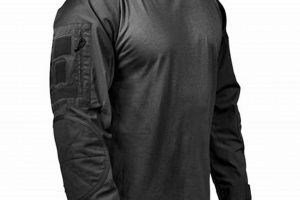
Protective gear, in the context of securing a designated individual, functions as a critical defense layer, directly impacting survivability and mission success. The quality and appropriateness of such gear affect the extent to which the protected person can withstand simulated combat scenarios. For instance, ballistic-rated eye protection shields against projectile impacts, minimizing the risk of vision impairment, a vulnerability that would otherwise compromise situational awareness and mobility. Similarly, tactical vests provide crucial coverage for the torso, mitigating the effects of direct hits. The lack of adequate protective gear increases the vulnerability of the designated person, thereby raising the stakes and necessitating more cautious and restrictive movement strategies. Therefore, selecting and deploying the right protective gear are not secondary considerations, but core elements of a comprehensive protective strategy.
The practical application of protective gear extends beyond simple ballistic resistance. The equipment must be comfortable and allow for unrestricted movement, preventing encumbrance that could hinder evasion or interaction with the protective detail. Furthermore, communication devices integrated into the gear are vital for maintaining situational awareness and relaying critical information to the escort team. Consider a scenario where the designated individual needs to traverse dense vegetation: durable clothing resistant to tears and abrasions would be essential. Or, in low-light environments, night vision devices might be integrated into the protective gear to enhance visibility and threat detection. These nuanced applications exemplify how protective gear extends beyond basic defense, contributing to the overall effectiveness of the protection strategy.
In conclusion, the selection and utilization of protective gear represent an indispensable aspect of scenarios involving a secured individual. Balancing ballistic protection with mobility, communication, and environmental adaptability is key. Improperly selected or poorly maintained gear creates vulnerabilities that can jeopardize the mission. The continuous evaluation and refinement of protective equipment protocols, based on evolving threats and tactical needs, are fundamental to maintaining a robust defense for the protected individual.
7. Adaptive Tactics
Adaptive tactics are paramount in scenarios involving a designated individual, directly influencing mission success and survivability. The dynamic nature of airsoft demands flexibility and responsiveness to unforeseen circumstances. Predictable strategies are easily countered; therefore, an ability to adjust tactics on the fly becomes crucial for both the security detail and the individual requiring protection.
- Dynamic Route Adjustments
Pre-planned routes are susceptible to compromise; adaptive tactics necessitate the capability to alter paths in response to emerging threats or unexpected obstacles. Real-world security details constantly assess and modify routes based on intelligence and environmental factors. For instance, a sudden increase in enemy presence along the primary route necessitates an immediate shift to an alternate, less exposed path. The ability to make these adjustments seamlessly is critical for maintaining the safety of the protected individual.
- Flexible Formation Changes
Standard protective formations may become ineffective in confined spaces or during encounters with multiple adversaries. Adaptive tactics demand the ability to transition between formations, optimizing cover and maintaining situational awareness. For example, a diamond formation, suitable for open areas, may need to convert to a wedge formation in a narrow corridor to provide maximum frontal protection. These transitions must be executed swiftly and efficiently to minimize vulnerability.
- Real-Time Communication Adaptation
Communication protocols must adapt to evolving circumstances, employing alternative methods when primary channels are compromised. The reliance on radio communication alone creates a single point of failure. Adaptive tactics include the implementation of hand signals, coded language, and runner-based communication as backup systems. For example, if radio jamming occurs, the security detail must seamlessly transition to pre-arranged hand signals to maintain coordination.
- Threat-Specific Response Adjustments
The response to different types of threats requires tailored tactical adjustments. A direct assault necessitates immediate defensive measures, while a sniper attack demands a focus on concealment and counter-sniper tactics. Adaptive tactics involve the ability to rapidly assess the nature of the threat and implement the appropriate countermeasures. For example, the discovery of an improvised explosive device (IED) requires immediate evacuation and the implementation of explosive ordnance disposal (EOD) protocols.
The integration of adaptive tactics into protection protocols is not merely a theoretical exercise but a practical necessity. The successful implementation of these adjustments requires rigorous training, clear communication, and a deep understanding of the operational environment. The capacity to adapt and overcome unforeseen challenges differentiates a competent security detail from a vulnerable one, directly impacting the safety of the protected individual and the overall success of the mission.
Frequently Asked Questions
The following questions address common inquiries regarding the strategic implications, tactical considerations, and equipment relevant to gameplay scenarios involving a designated protected individual within the airsoft environment.
Question 1: What defines an “airsoft VIP” scenario?
An “airsoft VIP” scenario designates one participant as a high-value target, requiring protection and extraction by a dedicated team. The objective typically involves safely escorting this individual to a specific location or preventing their capture by opposing forces.
Question 2: What are the primary objectives of the protective detail in such scenarios?
The primary objectives of the protective detail are to ensure the safety and security of the designated individual, prevent their capture or elimination, and successfully complete the mission objective, which often involves reaching a designated extraction point.
Question 3: What specialized equipment is recommended for a protective detail?
Recommended equipment includes reliable communication devices, ballistic-rated eye protection, tactical vests with adequate plate coverage, and potentially sidearms for close-quarters engagements. The specific equipment configuration should be tailored to the operational environment and anticipated threat level.
Question 4: What communication protocols are critical for effective protection?
Essential communication protocols involve pre-determined radio frequencies, designated call signs, standardized terminology for describing enemy positions and movements, and backup communication methods, such as hand signals, in case of electronic communication failure.
Question 5: How can the designated individual contribute to their own safety?
The designated individual can enhance their safety by maintaining situational awareness, adhering to the instructions of the protective detail, utilizing available cover, and avoiding actions that could compromise the security of the team.
Question 6: What are the key considerations for extraction planning in “airsoft VIP” scenarios?
Key considerations include identifying primary and alternate extraction routes, establishing clear communication protocols, assigning specific responsibilities to security personnel, and developing contingency plans to address potential emergencies or breaches of security.
These frequently asked questions provide a foundational understanding of “airsoft VIP” scenarios, emphasizing the strategic importance of teamwork, communication, and adaptive tactics. Understanding these elements enhances the gameplay experience and promotes a more realistic and tactically engaging environment.
The next section will explore advanced tactical strategies and emerging trends in “airsoft VIP” gameplay.
Conclusion
This exploration of airsoft VIP scenarios has illuminated the multifaceted considerations involved in protecting a designated individual. From strategic positioning and threat assessment to adaptive tactics and communication protocols, the principles outlined underscore the importance of meticulous planning and coordinated execution. The effectiveness of protective gear and the skill of the escort team are paramount to mission success, requiring dedicated training and a thorough understanding of the operational environment.
Mastering these concepts fosters a more immersive and strategically challenging airsoft experience. The continued refinement of these tactics ensures that participants remain at the forefront of realistic gameplay, promoting teamwork and a deeper appreciation for the complexities of real-world security operations. Future developments in airsoft VIP strategies will undoubtedly involve enhanced equipment, more sophisticated scenarios, and a greater emphasis on tactical realism. Participants are encouraged to further research and adapt these techniques to elevate the quality of gameplay within the airsoft community.