This specialized form of simulated combat blends elements of role-playing games with the tactical realism of skirmishes. Participants engage in scenarios with pre-defined characters, objectives, and storylines, enriching the competitive shooting sport with narrative depth. For example, players might assume roles such as medics, snipers, or engineers within a larger team, each contributing specific skills to achieve a shared goal within a fictional campaign.
The primary appeal lies in its immersive nature, fostering teamwork, strategic thinking, and creative problem-solving. Unlike standard matches focused solely on eliminating opponents, this variation encourages cooperation and communication to overcome obstacles and complete missions. This method expands beyond simple target engagement, allowing players to embody characters and experience battles with greater contextual significance, providing an engaging alternative to pure competition.
With an understanding of what it entails, subsequent sections will delve into specific aspects such as game formats, gear considerations, and community engagement, offering a comprehensive overview for both newcomers and experienced enthusiasts.
Tips for Enhancing the Experience
Maximizing enjoyment and effectiveness in this immersive activity requires careful preparation and a commitment to the core principles. The following guidance offers practical suggestions for participants seeking to optimize their involvement.
Tip 1: Character Immersion is Paramount: Prioritize developing a believable persona. Researching background information, understanding motivations, and practicing mannerisms all contribute to a more convincing role and enhance the shared narrative experience.
Tip 2: Communication and Coordination are Essential: Emphasize clear and concise communication with teammates. Implement pre-arranged signals, use standardized terminology, and actively listen to instructions to improve teamwork and situational awareness.
Tip 3: Objective Completion Takes Precedence: Focus on achieving mission objectives rather than solely engaging in direct combat. Understanding the overall strategy and prioritizing tasks will contribute more to the team’s success than individual eliminations.
Tip 4: Adaptability is Crucial: Prepare to adjust strategies and tactics based on evolving circumstances. Remain flexible, anticipate opponent actions, and be willing to deviate from pre-determined plans when necessary.
Tip 5: Gear Maintenance is Non-Negotiable: Regularly inspect and maintain equipment to ensure optimal performance and prevent malfunctions during critical moments. Clean, lubricate, and test all components before each engagement.
Tip 6: Understand the Ruleset: Become thoroughly familiar with the specific rules and regulations of the particular event being attended. This includes understanding hit registration, medic rules, and prohibited actions. Ignorance of the rules can disrupt the experience for others.
Adhering to these principles elevates the experience from simple simulated combat to a more engaging and rewarding collaborative narrative. Prioritization of these points significantly impacts overall satisfaction and tactical proficiency.
With these guidelines established, the subsequent section will explore advanced strategies and techniques employed by experienced participants to further refine skills and enhance immersion.
1. Narrative Immersion

Narrative immersion is a cornerstone of role-playing integrated simulated combat, elevating the experience beyond simple competitive engagements. It transforms the battlefield into a dynamic story environment, impacting player actions and strategic decision-making.
- Pre-Defined Lore and Backstories
Pre-existing storylines provide a foundation for player interaction. Detailed backstories for factions and characters create a sense of history and purpose, influencing alliances and rivalries. For instance, a conflict might stem from a resource dispute outlined in the established lore, dictating mission objectives and player motivations.
- Dynamic Event Triggers
Events occurring within the gameplay environment can alter the narrative trajectory. A successful ambush, the discovery of intel, or even player character deaths can trigger changes in objectives or introduce new plot elements. This responsiveness creates a sense of agency and impact, making the narrative feel less scripted and more player-driven.
- Character-Specific Roles and Abilities
Players embody distinct characters with specialized skills and limitations tied to the narrative. A medic might have enhanced healing abilities but limited combat prowess, while a sniper excels at reconnaissance but struggles in close-quarters engagements. These defined roles contribute to team dynamics and influence strategic choices aligned with their character’s background.
- Environmental Storytelling
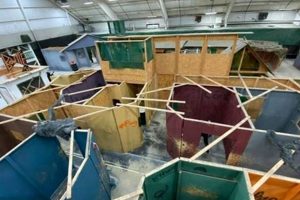
The game environment itself can contribute to the narrative through visual cues and interactive elements. Abandoned settlements, hidden caches, or propaganda posters provide context and deepen the sense of immersion. These details enrich the experience beyond the immediate tactical considerations, further engaging players in the world being simulated.
The effective integration of these facets of narrative immersion dramatically alters the experience of simulated combat. It fosters a deeper connection to the game world, encourages strategic thinking beyond simple elimination, and transforms participants into active contributors to an evolving story.
2. Strategic Teamwork

Strategic teamwork is a foundational element of role-playing integrated simulated combat. The successful execution of objectives hinges upon the coordinated actions of players fulfilling distinct roles within a predefined narrative. The complexity of missions, often involving multifaceted objectives and diverse environmental challenges, necessitates a level of cooperation that surpasses standard competitive matches. Failure to implement coordinated strategies frequently results in mission failure and a disruption of the immersive experience.
The integration of role-playing elements amplifies the importance of pre-mission planning and real-time communication. For instance, a scenario might require a designated medic to prioritize casualty extraction while a security team establishes a perimeter. This division of labor demands clear communication protocols and a shared understanding of the mission’s overarching goals. In simulated urban environments, teams may employ flanking maneuvers, coordinated breaches, and synchronized suppressive fire, drawing inspiration from military tactics to enhance realism and effectiveness. The significance lies not only in the individual skill of players but also in their capacity to function cohesively within a structured framework.
Ultimately, the degree to which strategic teamwork is embraced determines the overall success and authenticity of the simulated experience. Challenges such as conflicting priorities or inadequate communication can undermine even the most carefully crafted scenarios. Understanding the symbiotic relationship between strategic teamwork and the narrative framework is therefore essential for maximizing engagement and achieving the desired level of immersion.
3. Character Development

In role-playing integrated simulated combat, character development transcends simple role assignment; it is a fundamental component that significantly impacts player engagement and the overall immersive experience. The depth to which individuals embody their assigned roles directly influences the believability of the simulated environment and the effectiveness of strategic interactions. For example, a player portraying a veteran sniper might invest time researching sniper tactics, weapon customization, and the psychological profile of a marksman, leading to more authentic in-game decisions and interactions. This preparation enriches the experience not only for the individual but also for their teammates, who benefit from the enhanced realism and the specialist’s informed contributions.
The opportunity to develop a character fosters a deeper sense of investment in the simulated conflict. Players become motivated to not only achieve mission objectives but also to act in accordance with their character’s established traits, motivations, and background. This encourages strategic thinking that goes beyond simple tactical maneuvers, promoting consideration of ethical dilemmas, interpersonal relationships, and the consequences of actions within the fictional world. A practical application of this understanding lies in scenario design. Game organizers can deliberately incorporate elements that challenge players to confront their characters’ moral boundaries or force them to make difficult choices, thereby enhancing the narrative complexity and promoting thoughtful engagement.
In summary, character development is integral to maximizing the potential of role-playing integrated simulated combat. It transforms participants from mere players into active contributors to a dynamic story, fostering deeper immersion, strategic sophistication, and a heightened sense of responsibility. Challenges in implementing effective character development include ensuring adequate preparation time for participants, balancing freedom of expression with adherence to established lore, and creating scenarios that genuinely test and develop character traits. By acknowledging and addressing these challenges, game organizers can cultivate a richer, more engaging, and ultimately more rewarding experience for all involved.
4. Equipment Customization

Equipment customization is a pivotal aspect of role-playing integrated simulated combat, influencing not only tactical effectiveness but also the depth of immersion and character representation. The selection, modification, and utilization of gear extend beyond mere functionality, becoming integral elements of a player’s persona and strategic approach within the simulated environment.
- Weapon Loadouts and Role Specialization
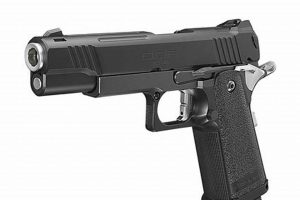
The choice of primary and secondary weapons directly correlates with a character’s designated role within the team. For example, a sniper character might prioritize a high-powered rifle with advanced optics, while a close-quarters combat specialist might favor a shotgun or submachine gun. Furthermore, modifications such as suppressors, foregrips, and tactical lights can enhance weapon performance in specific scenarios, aligning the equipment with the character’s skills and mission objectives.
- Protective Gear and Realism Enhancement
The selection of protective gear, including vests, helmets, and eye protection, not only ensures player safety but also contributes to the visual realism of the simulation. The addition of pouches, holsters, and other accessories can further enhance the authenticity of the loadout, reflecting the character’s profession or affiliation. The careful consideration of gear weight, mobility, and environmental factors can further immerse players in the simulated combat environment.
- Communication Equipment and Team Coordination
Communication equipment, such as radios and headsets, is essential for effective team coordination and strategic communication. The choice of communication devices can influence the clarity and reliability of communication, impacting the team’s ability to respond to changing battlefield conditions. The use of tactical headsets can enhance situational awareness, allowing players to hear subtle cues and maintain constant contact with their team members.
- Tactical Accessories and Mission-Specific Adaptation
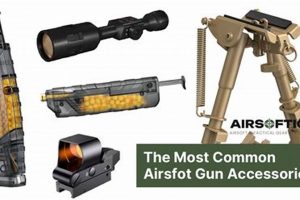
Tactical accessories, such as grenades, smoke canisters, and breaching tools, provide additional options for players to overcome obstacles and achieve mission objectives. The selection of accessories should be tailored to the specific requirements of each scenario, allowing players to adapt their equipment to the challenges presented. The use of specialized tools, such as lock picks or medical kits, can further enhance a character’s utility and contribution to the team.
The strategic application of equipment customization significantly impacts the overall experience of role-playing integrated simulated combat. It enables players to embody their characters more fully, enhance their tactical effectiveness, and contribute to a more realistic and immersive simulated environment. This extends beyond mere aesthetic considerations; it’s about creating a cohesive and functional loadout that supports both individual roles and the overarching narrative.
5. Scenario Objectives
Scenario objectives constitute the driving force behind role-playing integrated simulated combat, shaping player actions and defining success within the simulated environment. These objectives provide context and purpose, transforming simulated battles from simple eliminations into narrative-driven engagements. Their careful design and implementation are critical for fostering immersion and strategic depth.
- Primary Mission Parameters
The core goals dictate the overall direction of the game. These might include capturing a designated location, rescuing a hostage, or retrieving vital intelligence. These parameters provide a clear and unified purpose, focusing player efforts and shaping tactical decisions. For example, a mission requiring the capture of a fortified position necessitates coordinated assaults, suppression fire, and strategic flanking maneuvers, overriding individual skirmishes.
- Secondary Objectives and Branching Narratives
Optional or contingent goals can introduce complexity and alter the storyline. These objectives might include disabling enemy communications, eliminating a high-value target, or securing a secondary resource. Successful completion can provide advantages, such as access to new equipment or intel, influencing subsequent events and leading to branching narratives. Failure, conversely, can introduce penalties or alter the mission’s trajectory, creating dynamic and unpredictable outcomes.
- Time Constraints and Resource Management
Limiting the available time and resources adds a layer of strategic challenge. Teams must prioritize tasks, manage ammunition, and allocate manpower effectively to achieve their goals within the given constraints. Time-sensitive objectives, such as defusing a bomb or preventing an enemy advance, require swift and decisive action. Resource scarcity, such as limited medical supplies or ammunition, forces players to make difficult choices and prioritize their actions, enhancing realism and strategic depth.
- Victory Conditions and Scenario Endings
Clearly defined criteria for success and failure are essential for providing closure and determining the outcome of the simulation. These conditions can range from the complete elimination of the opposing force to the successful completion of specific tasks within a given timeframe. The ending should reflect the cumulative impact of player actions, leading to a sense of accomplishment or consequence that reinforces the narrative’s impact.
These facets underscore that scenario objectives are far more than simple instructions; they are the narrative and strategic backbone of this type of simulated combat, offering a structured, immersive, and engaging experience that surpasses standard competitive matches. The careful construction of these elements is crucial for creating a truly compelling and memorable engagement.
Frequently Asked Questions About Role-Playing Integrated Simulated Combat
The following addresses common inquiries regarding the nature, scope, and practical considerations of this increasingly popular variation of simulated combat.
Question 1: What distinguishes “rpg airsoft” from standard skirmishes?
The primary difference lies in the integration of narrative elements and defined roles. While standard skirmishes focus primarily on eliminating opponents, role-playing integrated simulated combat emphasizes mission objectives, character development, and adherence to a pre-established storyline. Participants assume specific roles with associated responsibilities, contributing to a larger narrative framework.
Question 2: Is specialized equipment required to participate?
While standard protective gear remains essential, specialized equipment is often dictated by the chosen character and scenario. This may include specific weapon platforms, tactical accessories, or communication devices aligned with the character’s role and mission objectives. Participants should consult event organizers for recommended or required equipment lists.
Question 3: How is fair play ensured in a role-playing environment?
Fair play is maintained through adherence to established rulesets and the enforcement of honesty and integrity among participants. Hit-taking protocols, medic rules, and boundaries regarding permissible actions are typically outlined prior to engagement. Participants are expected to uphold these standards to maintain a level playing field and preserve the immersive experience.
Question 4: What level of physical fitness is recommended?
The level of physical exertion can vary depending on the scenario and terrain. However, a moderate level of fitness is generally recommended due to the demands of running, crawling, and carrying equipment. Participants should be prepared for prolonged periods of activity and exposure to varying environmental conditions.
Question 5: How are disputes resolved during gameplay?
Disputes are typically addressed through a designated chain of command, involving game marshals or event organizers. These individuals are responsible for interpreting rules, resolving conflicts, and ensuring fair play. Participants are expected to respect their decisions and cooperate in resolving any disagreements amicably.
Question 6: What are the age and safety considerations?
Age restrictions and safety protocols vary depending on the event organizer and location. Participants are typically required to meet minimum age requirements and adhere to strict safety guidelines regarding eye protection, weapon handling, and responsible conduct. Prior to participation, individuals should thoroughly review all safety regulations and comply with the instructions of event staff.
Key takeaways include the importance of narrative integration, strategic teamwork, and adherence to established rules and safety protocols. These elements contribute to a safe, immersive, and rewarding experience for all participants.
The following section will explore the future trends and potential evolution of this dynamic and engaging form of simulated combat.
Conclusion
This exploration of simulated combat has underscored its multifaceted nature, extending beyond conventional notions of competitive engagements. Narrative immersion, strategic teamwork, character development, equipment customization, and scenario objectives constitute fundamental elements. These factors, when carefully integrated, elevate the experience from simple simulated combat to a highly engaging and immersive activity.
The continued evolution of technology and the increasing demand for interactive entertainment suggest a promising future for “rpg airsoft.” A commitment to safety, realistic simulation, and compelling storytelling will be crucial to its sustained growth and acceptance within the broader community. Further development should focus on refining narrative elements, enhancing team coordination mechanisms, and promoting responsible and ethical gameplay.