![Gear Up: Trench Airsoft Domination [Tactics & Guide]](data:image/svg+xml;base64,PHN2ZyB4bWxucz0iaHR0cDovL3d3dy53My5vcmcvMjAwMC9zdmciIHdpZHRoPSI0NzQiIGhlaWdodD0iNTYiIHZpZXdCb3g9IjAgMCA0NzQgNTYiPjxyZWN0IHdpZHRoPSIxMDAlIiBoZWlnaHQ9IjEwMCUiIHN0eWxlPSJmaWxsOiNjZmQ0ZGI7ZmlsbC1vcGFjaXR5OiAwLjE7Ii8+PC9zdmc+ "Gear Up: Trench Airsoft Domination [Tactics & Guide] Ultimate Airsoft Guide for Beginners, Tactics & Gear Reviews")
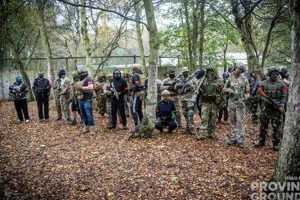
Simulated combat scenarios, often employing airsoft weaponry, can recreate historical battlefields for recreational or training purposes. One such scenario involves a type of field layout mimicking the confined and linear fighting environments of World War I. This environment often forces players to navigate narrow pathways and engage in close-quarters engagements.
This particular approach to simulated combat provides a unique tactical challenge, demanding careful coordination and communication within teams. The constricted space encourages strategic thinking focused on flanking maneuvers, suppression fire, and room clearing techniques. It also fosters an appreciation for the historical challenges faced by soldiers in such environments.
The following sections will delve into specific equipment considerations, tactical approaches, and safety protocols relevant to this type of simulated combat engagement, outlining elements to ensure a safe and enriching experience.
Tactical Recommendations for Confined-Space Airsoft Engagements
These guidelines offer practical advice for participants in simulated combat scenarios that replicate the conditions of trench warfare, emphasizing strategic decision-making and effective execution.
Tip 1: Prioritize Close-Quarters Combat Weaponry: Select airsoft replicas optimized for short-range engagements. Pistols, shotguns, or compact submachine guns are generally more maneuverable and effective than longer rifles in confined spaces.
Tip 2: Master Cornering Techniques: Employ controlled movements when navigating corners to minimize exposure to potential adversaries. Pieing corners, a slow and deliberate sweeping motion, allows observation of the engagement area before full entry.
Tip 3: Communicate Effectively: Clear and concise communication is paramount. Utilize standardized terminology to relay enemy positions, movements, and tactical intentions to team members promptly.
Tip 4: Implement Grenade-Based Tactics: Simulated grenades can be highly effective for clearing rooms or dislodging entrenched opponents. However, prioritize safety and adhere to established rules regarding their use.
Tip 5: Maintain Situational Awareness: Continuously assess the immediate surroundings. Be cognizant of potential flanking routes, blind spots, and areas where enemy combatants may be concealed.
Tip 6: Utilize Cover Effectively: Exploit available cover to minimize exposure to enemy fire. Practice transitioning between different cover positions while maintaining a tactical advantage.
Tip 7: Emphasize Teamwork and Coordination: Success relies on the synergistic efforts of the team. Develop pre-planned strategies and adapt them dynamically to changing circumstances.
Adherence to these guidelines can significantly enhance tactical proficiency and improve the overall effectiveness of participants in simulated combat scenarios.
The subsequent section will address crucial safety considerations for participating in such simulated environments.
1. Close-quarters combat
Close-quarters combat (CQC) forms the core of simulated trench warfare engagements. The narrow, confined nature of replicated trench systems dictates that engagements will primarily occur at extremely short distances, requiring specific skill sets and tactical considerations.
- Limited Engagement Distances
The defining characteristic of CQC within simulated trench systems is the severely restricted engagement range. Participants will typically engage targets within a few meters, necessitating rapid reaction times and precise weapon handling. This contrasts with open-field airsoft scenarios where longer-range engagements are more common. The reduced distance also changes the impact of BBs on the protective gear and person of players.
- Dominance of CQB Weaponry
The close proximity demands the use of airsoft replicas designed for CQC. Compact submachine guns, pistols, and shotguns become more advantageous than longer rifles due to their maneuverability in tight spaces. The ability to quickly aim and fire within confined areas is paramount. The weapon often used is side arm to maximize the potential of quick maneuvers.
- Tactical Room Clearing Techniques
Trench systems often feature interconnected bunkers and small rooms that require methodical clearing. Participants must employ specialized room clearing techniques, such as pieing corners, controlled entry, and maintaining situational awareness, to safely and effectively neutralize opposing forces. These tactics minimize exposure to enemy fire and maximize team coordination.
- Emphasis on Reaction Time and Reflexes
The speed of engagement in simulated trench warfare places a premium on reaction time and reflexes. Participants must be able to quickly identify and engage targets while minimizing their own exposure. Training drills focused on improving reaction speed and target acquisition are crucial for success. Speed reloading skill is also a major plus point for this gameplay.
The dominance of close-quarters combat in simulated trench systems dramatically alters the tactical landscape. Weapon selection, training protocols, and team coordination must be specifically tailored to address the unique challenges posed by the confined and chaotic nature of these engagements. Understanding and mastering these CQC principles is essential for successful and safe participation.
2. Field Layout
The design and structure of the combat area are paramount to the realistic simulation of trench warfare scenarios. The field layout dictates tactical options, influences engagement ranges, and contributes significantly to the overall immersive experience.
- Trench Construction and Design
The physical construction of the trenches themselves, including depth, width, and the presence of features such as fire steps and dugouts, directly impacts maneuverability and cover. Authentically designed trenches, mirroring historical precedents, create a more challenging and immersive environment. For example, staggered trench lines impede direct line of sight, forcing players to engage in close-quarters ambushes.
- Interconnected Bunkers and Tunnels
The presence of interconnected bunkers and tunnels adds complexity to the field layout. These subterranean passages offer flanking routes and concealed avenues of approach, demanding careful reconnaissance and heightened situational awareness. An intricate network of tunnels can transform the battlefield into a three-dimensional environment, requiring players to consider vertical as well as horizontal threats.
- No Man’s Land and Obstacles
The expanse between opposing trench lines, often referred to as “No Man’s Land,” should incorporate obstacles such as barbed wire, craters, and shell holes. These obstacles impede movement and create chokepoints, forcing players to adopt specific breaching tactics. The inclusion of such obstacles significantly increases the difficulty of advancing across the open ground and necessitates coordinated fire support.
- Defensive Positions and Machine Gun Nests
The placement of simulated machine gun nests and fortified defensive positions profoundly impacts the tactical flow of the engagement. Well-positioned machine gun nests can provide suppressive fire, restricting enemy movement and forcing players to seek cover. These defensive positions create focal points for attack and defense, shaping the overall strategic objectives of each team.
The various elements of the field layout, from the design of the trenches to the incorporation of obstacles and defensive positions, collectively contribute to the authenticity and tactical complexity of the simulated trench warfare experience. Careful consideration of these factors is essential for creating a challenging and immersive environment that accurately reflects the realities of historical trench warfare.
3. Team Communication

Effective communication is not merely beneficial but essential for successful participation in simulated trench warfare scenarios. The confined spaces, limited visibility, and dynamic nature of these engagements place a premium on clear, concise, and timely information exchange among team members.
- Callouts and Positional Awareness
Providing accurate callouts regarding enemy positions, movements, and activities is paramount. Standardized terminology and a shared understanding of map locations are critical for facilitating rapid and unambiguous communication. Examples include using grid references or pre-defined landmarks to pinpoint enemy locations. This ensures teammates can quickly react to emerging threats and coordinate their actions effectively.
- Tactical Intent and Order Dissemination
Clear and concise communication of tactical objectives and orders is crucial for maintaining team cohesion and achieving strategic goals. Squad leaders must effectively communicate their intentions, ensuring that all team members understand their individual roles and responsibilities within the overall plan. This may involve disseminating information regarding flanking maneuvers, assault plans, or defensive strategies. Lack of clarity can lead to confusion, wasted effort, and ultimately, mission failure.
- Information Relay and Situational Updates
Continuous information relay and situational updates are vital for maintaining awareness of the evolving battlefield landscape. Team members must promptly communicate any changes in enemy activity, alterations to the field layout, or unexpected obstacles encountered. This real-time information sharing enables the team to adapt their tactics dynamically and capitalize on emerging opportunities. Failing to communicate critical information can leave the team vulnerable to ambushes or unforeseen threats.
- Coordination of Fire Support and Movement
Coordinating fire support and movement requires precise communication and synchronization. Team members must communicate their intended movements and coordinate their fire to suppress enemy positions or cover their advance. This may involve calling out targets for concentrated fire, requesting smoke cover to obscure their movement, or coordinating flanking maneuvers to dislodge entrenched opponents. Effective coordination minimizes friendly fire incidents and maximizes the impact of the team’s offensive capabilities.
The facets of team communication, ranging from clear callouts to coordinated fire support, directly impact the success or failure of a simulated trench warfare engagement. The chaotic environment and limited visibility inherent in these scenarios magnify the importance of effective communication, making it a defining factor in achieving tactical objectives and ensuring the safety of all participants.
4. Historical Immersion
Recreating historical battles within a recreational context, specifically simulated trench warfare scenarios, necessitates a focus on historical immersion to enhance the experience. This focus aims to provide participants with a greater appreciation for the challenges and realities of past conflicts.
- Authentic Field Replication
The accurate reproduction of battlefield terrain and environmental conditions plays a crucial role. This includes replicating trench layouts, incorporating obstacles such as barbed wire and craters, and simulating weather conditions appropriate to historical battles. For example, a Somme-themed scenario would benefit from muddy terrain and recreated shell holes. Such details improve the sensory experience and contribute to a greater sense of realism.
- Period-Correct Equipment and Uniforms
The use of equipment and uniforms that closely resemble those utilized by soldiers during the historical period in question enhances immersion. While complete historical accuracy might not be feasible or practical, striving for visual fidelity improves the overall experience. Consider the use of replica weapons, helmets, and webbing, alongside appropriate uniform styles, to reinforce the historical setting.
- Tactical Doctrines and Operational Styles
Emulating tactical doctrines and operational styles employed during the historical period can add a layer of authenticity. This involves understanding and applying the strategies, communication methods, and organizational structures utilized by the armies involved in the original conflict. For instance, simulating the creeping barrage tactic or incorporating historical communication protocols can enrich the gameplay experience and illustrate the challenges faced by soldiers on the battlefield.
- Scenario-Based Objectives and Historical Context
Providing participants with scenario-based objectives rooted in historical events helps to frame the gameplay and provide context. This involves researching and recreating specific battles, campaigns, or operational objectives from the historical period. For example, a scenario could task participants with capturing a specific trench section or defending a vital supply route, mirroring the objectives of historical battles. This approach transforms the experience from a simple skirmish into a narrative-driven simulation.
These facets of historical immersion collectively contribute to a more engaging and educational experience for participants. By striving for authenticity in field replication, equipment, tactical doctrines, and scenario design, simulated trench warfare scenarios can provide a valuable insight into the realities of past conflicts and promote a greater understanding of military history.
5. Restricted Movement

Simulated trench warfare environments inherently impose limitations on movement, significantly influencing tactical decisions and player experience. The constricted spaces and artificial obstacles characteristic of such settings necessitate careful consideration of movement strategies and adaptation to restricted mobility.
- Confined Spaces and Narrow Pathways
Trench systems are defined by narrow pathways and confined spaces, limiting maneuverability and restricting freedom of movement. These spaces demand careful navigation and precise movements to avoid collisions or exposure to enemy fire. Players must adapt to moving in single file or in small, coordinated groups, reducing their individual agency and increasing the reliance on teamwork. This contrasts with more open airsoft fields where players have greater freedom to maneuver independently.
- Obstacles and Impeded Progress
The presence of obstacles, such as barbed wire, craters, and simulated debris, further impedes progress and limits movement options. Players must navigate these obstacles cautiously, often reducing their speed and exposing themselves to potential threats. Overcoming these obstacles requires specialized breaching techniques or the use of tactical maneuvers to create pathways for advancement. The added challenge of these obstacles demands careful planning and execution.
- Limited Visibility and Awareness
Restricted movement is often coupled with limited visibility, further compounding the challenges of navigating the trench system. The high walls of the trenches and the presence of obstacles can obscure the field of view, making it difficult to identify enemy positions or anticipate potential threats. Players must rely on communication and situational awareness to compensate for the limited visibility and avoid being caught off guard.
- Strategic Chokepoints and Engagement Zones
The constricted nature of trench systems creates strategic chokepoints and predetermined engagement zones. These areas funnel movement, forcing players into predictable paths and increasing the likelihood of encounters. Players must anticipate these chokepoints and employ appropriate tactics, such as setting ambushes or establishing defensive positions, to control the flow of movement and gain a tactical advantage. These zones significantly alter the dynamics of the gameplay.
The interplay between restricted movement and other elements of simulated trench warfare, such as limited visibility and strategic chokepoints, creates a unique and challenging environment. Players must adapt their tactics, communication, and coordination to overcome these limitations and achieve their objectives. The experience of restricted movement contributes significantly to the immersive and historically authentic nature of the simulated trench warfare environment. By understanding and adapting to these limitations, participants gain a greater appreciation for the realities of combat in such confined spaces.
6. Tactical Equipment

The selection and utilization of appropriate tactical equipment are paramount in simulated trench warfare scenarios, directly influencing a participant’s effectiveness and survivability. The unique challenges presented by the confined spaces and historical context demand specialized gear optimized for close-quarters engagements and limited mobility.
- Protective Gear and Personal Safety
Eye protection, including full-seal goggles or a full-face mask, is non-negotiable due to the close engagement distances and potential for ricochets. Body armor, while not historically accurate for all periods, offers a degree of protection against BB impacts and can improve participant confidence. Gloves are recommended to protect hands from barbed wire or other field hazards. This equipment prioritizes safety within the immersive environment.
- Weaponry and Ammunition Considerations
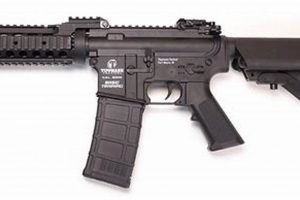
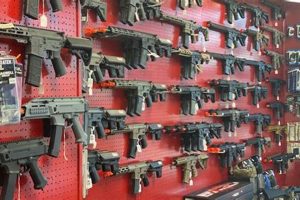
Compact airsoft replicas, such as pistols, shotguns, or submachine guns, are generally more effective than longer rifles in confined spaces. The selection of appropriate ammunition, including BB weight and type, should be tailored to the specific replica and the engagement distances. High-capacity magazines or speed loaders are essential for maintaining a sustained rate of fire in close-quarters engagements. The weapon should prioritize manueverabilty in CQC combat.
- Communication Systems and Team Coordination
Reliable communication systems, such as two-way radios with headsets, are crucial for maintaining contact with team members and coordinating movements. The use of standardized terminology and clear communication protocols is essential for relaying information quickly and accurately. The system will ensure everyone is in the same page.
- Load-Bearing Equipment and Gear Management
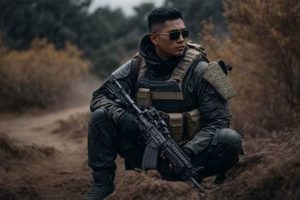
Load-bearing equipment, such as tactical vests or chest rigs, allows participants to carry essential gear, including magazines, grenades, and medical supplies, while maintaining mobility. The configuration of this equipment should be optimized for quick access and efficient gear management. Minimizing unnecessary weight and bulk is essential for navigating the confined spaces of the simulated trench system. Keep it lite to be quick.
The integration of appropriate tactical equipment, ranging from protective gear to communication systems, is integral to the success and safety of participants in simulated trench warfare scenarios. Careful consideration of the historical context, the confined spaces, and the specific challenges of close-quarters combat is essential for selecting and utilizing equipment effectively. The right gear can make all the differences in the battle.
Frequently Asked Questions
This section addresses common inquiries regarding simulated trench warfare scenarios, providing clarification on key aspects and dispelling potential misconceptions.
Question 1: What specific safety precautions are essential in this type of simulated environment?
Eye protection conforming to recognized safety standards is mandatory. Full-seal goggles or a full-face mask are required to prevent potential injury from BB impacts. Adherence to established minimum engagement distances is also crucial to minimize the risk of injury from close-range engagements. Finally, awareness of uneven terrain and obstacles is necessary to prevent accidental falls.
Question 2: What constitutes appropriate weaponry for this specific environment?
Airsoft replicas designed for close-quarters combat are typically the most suitable. Pistols, submachine guns, and short-barreled rifles offer superior maneuverability in confined spaces compared to longer rifles. The choice of weaponry should prioritize ease of handling and rapid target acquisition.
Question 3: How does the field layout influence tactical decision-making in these scenarios?
The field layout, including trench design, bunker placement, and the presence of obstacles, directly dictates available tactical options. The confined spaces emphasize close-quarters engagements, while obstacles restrict movement and create chokepoints. Successful players adapt their strategies to exploit the unique characteristics of the terrain.
Question 4: What level of historical accuracy is typically expected in these simulations?
The level of historical accuracy can vary depending on the event organizer. Some events prioritize strict adherence to historical details, including uniforms and equipment, while others focus on recreating the general atmosphere and tactical challenges of trench warfare. Participants should inquire about the specific historical parameters before participating.
Question 5: How important is team communication in this type of simulated combat?
Team communication is of paramount importance. The confined spaces and limited visibility necessitate clear and concise communication to coordinate movements, relay enemy positions, and execute tactical maneuvers. The use of standardized terminology and established communication protocols is highly recommended.
Question 6: Are there any specific rules or regulations that commonly apply to simulated trench warfare events?
Specific rules and regulations can vary depending on the event organizer and the specific field location. However, common rules often include restrictions on BB velocity, minimum engagement distances, and the use of simulated grenades. Participants are responsible for familiarizing themselves with and adhering to all applicable rules and regulations.
These responses provide a foundational understanding of simulated trench warfare scenarios, addressing key considerations regarding safety, equipment, tactics, and historical context.
The following section will explore external resources for further information on this form of simulated combat.
Conclusion
This exploration of trench airsoft has detailed critical aspects of this simulated combat form. The confined nature of the environment, the importance of close-quarters combat proficiency, the necessity of effective team communication, and the pursuit of historical immersion each contribute significantly to the overall experience. Furthermore, tactical equipment selection and adherence to safety protocols are vital for participant well-being. These elements create a complex and demanding recreational activity.
Continued development in safety standards, equipment technology, and field design may further enhance the immersive potential and overall safety of simulated trench warfare scenarios. Further engagement by participants can contribute to a greater understanding of military history and tactical principles, solidifying the significance of this recreational activity. Researching local events and participating within outlined parameters and regulation can allow for enriching scenarios.