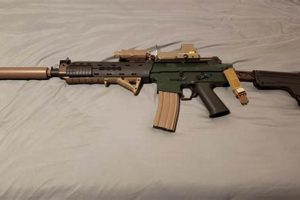
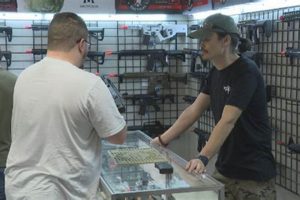
Appropriate attire for participation in the sport of airsoft constitutes specialized protective gear and clothing designed to mitigate injury from projectiles and provide a tactical advantage. A typical ensemble includes eye protection, face coverings, durable clothing layers, gloves, and sturdy footwear. For example, participants might wear combat boots, tactical pants, a long-sleeved shirt, a mesh face mask, and ballistic-rated goggles.
The careful selection of suitable apparel is critical for player safety and comfort during airsoft activities. Adequate protection minimizes the risk of facial, dental, and eye injuries, while durable clothing shields against abrasions and minor impacts. Furthermore, strategic clothing choices can enhance camouflage and maneuverability, contributing to improved performance. Historically, civilian clothing was initially utilized; however, dedicated tactical gear has become increasingly prevalent due to its enhanced protection and functional benefits.
The subsequent sections will detail the specific components of airsoft attire, outlining recommended features, materials, and considerations for optimal protection and performance on the field. Focus will be placed on various aspects such as eye protection standards, clothing material selection, and the role of load-bearing equipment.
Airsoft Apparel Recommendations
The following recommendations provide practical guidance for selecting appropriate protective gear and attire for participation in airsoft activities. Adhering to these suggestions will improve safety, comfort, and overall performance.
Tip 1: Prioritize Eye Protection: Ballistic-rated goggles or a full-face mask certified to meet ANSI Z87.1 standards are mandatory. Regular inspection for scratches or damage is essential to ensure continued protection. Example: ESS Profile NVG goggles.
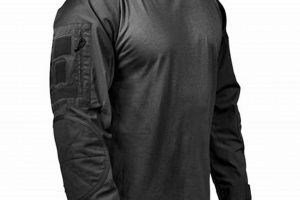
Tip 2: Layer Clothing for Protection and Comfort: Multiple layers of durable fabric, such as ripstop nylon or canvas, offer enhanced abrasion resistance and impact absorption. Base layers made of moisture-wicking material help regulate body temperature. Example: A tactical combat shirt worn under a BDU jacket.
Tip 3: Select Durable Footwear: Sturdy boots with ankle support are crucial for navigating uneven terrain and preventing injuries. Consider boots with slip-resistant soles and waterproof construction. Example: Military-style tactical boots with reinforced toes.
Tip 4: Consider Hand Protection: Gloves protect hands from BB impacts, scrapes, and environmental hazards. Tactical gloves with reinforced knuckles provide additional protection. Example: Mechanix Wear tactical gloves.
Tip 5: Utilize Camouflage Strategically: Choose camouflage patterns that match the environment of the airsoft field. Consider seasonal variations and vegetation density. Example: Multicam camouflage in woodland environments.
Tip 6: Account for Weather Conditions: Adapt apparel choices to the prevailing weather conditions. Wear breathable, lightweight clothing in hot weather and waterproof, insulated layers in cold or wet conditions. Example: A rain poncho or insulated jacket.
Tip 7: Protect Exposed Skin: Use a neck gaiter or balaclava to shield the neck and lower face from BB impacts and sun exposure. Example: A fleece neck gaiter in cold weather.
By carefully considering these apparel recommendations, participants can minimize the risk of injury and maximize their comfort and performance on the airsoft field. The selection of appropriate protective gear is a critical component of responsible airsoft participation.
The following sections will delve into specific gear types and provide in-depth analysis of features and performance characteristics to aid in the selection process.
1. Protection

The fundamental connection between protection and appropriate airsoft attire resides in the mitigation of potential injuries. The projectiles used in airsoft, while non-lethal, can cause significant harm to exposed skin, eyes, and teeth. Therefore, protective equipment constitutes an indispensable component of what airsoft participants wear. Failure to prioritize protective gear directly increases the risk of injuries, ranging from welts and bruises to more severe trauma requiring medical intervention. For example, neglecting to wear ballistic-rated eyewear can result in permanent vision impairment from direct impact by an airsoft BB. Consequently, the causal relationship between protection and clothing selection is direct and unequivocal.
The importance of protection extends beyond the immediate prevention of injury. Protective gear inspires confidence and allows players to engage more fully in the game without constant fear of harm. This psychological effect contributes to improved performance and enjoyment. Consider the use of full-face masks, which protect the entire face and significantly reduce the risk of dental or facial fractures. Players wearing such masks are more likely to aggressively pursue objectives, knowing that their vulnerable areas are adequately shielded. The practical application of understanding this connection leads to informed purchasing decisions and adherence to safety regulations enforced at airsoft fields.
In summary, prioritizing protection is not merely a suggestion, but a necessity when choosing airsoft attire. The gear selected directly influences the likelihood of injury and impacts overall gameplay experience. While tactical advantages and aesthetic preferences may influence choices, the protective function of clothing and equipment must remain paramount. Challenges include balancing protection with comfort and maneuverability, but the long-term benefits of minimizing harm outweigh any perceived inconveniences. Protection stands as the foundational element upon which all other considerations for airsoft attire are built.
2. Camouflage
Camouflage plays a critical role in airsoft, influencing concealment, maneuverability, and overall tactical effectiveness. The selection of appropriate camouflage patterns is intrinsically linked to clothing choices for airsoft participants.
- Environmental Adaptation
Camouflage patterns are designed to blend with specific environments, such as woodland, desert, or urban settings. The effectiveness of a particular pattern hinges on its ability to disrupt the wearer’s outline and minimize visual contrast with the surrounding terrain. For example, Multicam is a versatile camouflage pattern effective in varied environments, while woodland patterns excel in dense forests. Choosing the correct pattern based on the anticipated playing field enhances concealment.
- Pattern Disruption and Mimicry
Effective camouflage utilizes a combination of pattern disruption and mimicry. Pattern disruption breaks up the wearer’s silhouette, making it harder for opponents to identify them. Mimicry involves replicating the colors and textures of the surrounding environment. Digital camouflage patterns, such as MARPAT, employ small, pixelated shapes to create a disruptive effect. Consideration of both disruption and mimicry principles informs the selection of optimal camouflage attire.
- Seasonal Considerations
The effectiveness of camouflage can vary depending on the season. For example, a predominantly green camouflage pattern may be highly effective in the summer but stand out in the winter when vegetation is sparse or covered in snow. Some players maintain multiple sets of camouflage gear to adapt to seasonal changes. Alternatively, reversible clothing allows for adaptation to changing environmental conditions.
- Material and Texture
The material and texture of camouflage clothing can also impact its effectiveness. Shiny or reflective materials can compromise concealment by reflecting light and drawing attention to the wearer. Matte fabrics with a rough texture tend to blend better with natural environments. Furthermore, incorporating natural elements, such as vegetation, into the camouflage can further enhance concealment.
The principles of camouflage are critical considerations when determining attire for airsoft. By carefully selecting patterns, materials, and textures that align with the environment, participants can improve their concealment and gain a tactical advantage. While personal preference may influence choices, prioritizing effective camouflage enhances overall gameplay and strategic positioning.
3. Comfort

The relationship between comfort and appropriate attire for airsoft directly influences a player’s performance and endurance. Uncomfortable clothing can lead to distractions, fatigue, and reduced maneuverability, thereby hindering a participant’s effectiveness on the field. For example, ill-fitting tactical vests can restrict movement, causing chafing and discomfort during prolonged gameplay. The cause-and-effect relationship is clear: inappropriate apparel leads to discomfort, which in turn negatively impacts performance.
Comfort, as a component of suitable airsoft attire, encompasses several factors including breathability, freedom of movement, and proper fit. Breathable fabrics, such as moisture-wicking synthetics, prevent overheating and reduce perspiration, contributing to sustained comfort. Loose-fitting clothing, while potentially sacrificing some degree of concealment, allows for a greater range of motion, facilitating agility and responsiveness. Conversely, overly tight garments can restrict blood flow and cause muscle fatigue. The practical significance of understanding these factors is evident in the selection of attire that balances protection, camouflage, and ergonomic design. Consider the selection of combat boots: a comfortable, well-fitting boot provides ankle support and cushioning, reducing the risk of injury and improving endurance.
In conclusion, comfort is not merely a secondary consideration, but an integral aspect of appropriate airsoft attire. The impact of comfort extends beyond mere physical well-being, influencing cognitive function and decision-making during gameplay. While challenges may arise in balancing comfort with other essential factors, such as protection and camouflage, prioritizing ergonomic design and breathable materials contributes significantly to enhanced performance and overall enjoyment of the sport.
4. Durability
Durability, as it relates to appropriate airsoft attire, is a critical factor influencing both the longevity of the gear and the protection afforded to the user. The demanding nature of airsoft, involving movement across varied terrains and potential impacts from projectiles, necessitates the selection of robust and resilient materials. The following facets explore the essential aspects of durability in the context of airsoft apparel.
- Material Resistance to Abrasion and Tearing
The ability of clothing to withstand abrasion and tearing is paramount in airsoft, where players frequently navigate through dense vegetation and rough terrain. Materials such as ripstop nylon and canvas offer superior resistance to damage compared to standard fabrics. For example, tactical pants constructed from ripstop fabric are less prone to tearing when snagged on branches or barbed wire. This translates to reduced equipment replacement costs and sustained protection against environmental hazards.
- Seam Strength and Reinforcement
Seams represent vulnerable points in clothing construction, often failing under stress. Reinforced seams and robust stitching techniques enhance the overall durability of airsoft attire. For example, double or triple stitching along stress points, such as knees and elbows, significantly reduces the risk of seam failure during dynamic movements. Furthermore, incorporating features like gusseted crotches and articulated knees improves mobility without compromising seam integrity.
- Hardware Quality and Longevity
The hardware components of airsoft attire, including zippers, buttons, and buckles, must withstand repeated use and exposure to environmental factors. High-quality metal hardware, such as YKK zippers, offers greater durability than plastic alternatives. Reinforcing attachment points and using durable materials for straps and buckles prevents premature failure. Consider the implications for load-bearing equipment, where reliable hardware is essential for securely carrying magazines, radios, and other essential gear.
- Resistance to Environmental Degradation
Airsoft frequently takes place outdoors, exposing attire to sunlight, moisture, and temperature fluctuations. UV exposure can degrade certain fabrics, causing them to fade and weaken over time. Waterproof and water-resistant coatings protect against moisture damage, preventing mildew and maintaining the garment’s structural integrity. Proper care and maintenance, including washing and storage, extend the lifespan of durable airsoft attire.
The facets outlined above underscore the importance of selecting durable materials and construction techniques when choosing airsoft attire. While initial cost may be a factor, investing in durable gear ultimately provides greater long-term value by reducing replacement frequency and ensuring sustained performance on the field. The durability of airsoft clothing is inextricably linked to player safety, comfort, and tactical effectiveness.
5. Regulation
The relationship between regulation and appropriate attire for airsoft is characterized by the need to ensure participant safety and fair gameplay. Specific regulations, mandated by airsoft fields, organizations, or governing bodies, dictate permissible and required equipment, impacting what participants are permitted to wear. Failure to adhere to these regulations can result in exclusion from gameplay or, more seriously, increased risk of injury. A common example is mandated eye protection, with specific ANSI ratings required at most fields. The cause-and-effect relationship is direct: regulations prescribe required attire, and non-compliance results in consequences.
The importance of regulation as a component of appropriate attire stems from the need to maintain a safe playing environment and prevent unfair advantages. Velocity limits on airsoft guns, for example, directly influence the type of protective gear required. Higher velocity limits necessitate more robust face and body protection. Many fields also regulate camouflage patterns to prevent confusion between opposing teams or to restrict the use of military-specific attire. Practically, understanding these regulations allows players to prepare appropriate gear in advance, ensuring compliance and readiness to participate. Furthermore, adhering to regulations promotes a sense of community and fair play among airsoft participants. This contributes to the overall safety and enjoyment of the sport.
In summary, regulations significantly shape the selection of attire for airsoft, prioritizing participant safety and promoting fair gameplay. While individual preferences and tactical considerations may influence clothing choices, compliance with established regulations remains paramount. Challenges may arise in balancing personal style with regulatory requirements, but the benefits of adhering to these rules far outweigh any perceived inconveniences. The regulations establish a foundation of safety and fair play, supporting a positive airsoft experience for all participants.
Frequently Asked Questions Regarding Airsoft Attire
The following section addresses common inquiries concerning appropriate clothing and protective gear for airsoft participation, providing concise and informative answers based on safety and performance considerations.
Question 1: Are there minimum requirements for eye protection at airsoft fields?
Yes, all reputable airsoft fields mandate the use of ballistic-rated eye protection meeting ANSI Z87.1 standards. Goggles or full-face masks must provide complete seal around the eyes to prevent projectile penetration. Some fields may have stricter requirements; therefore, verification of specific field regulations is recommended before participation.
Question 2: Does clothing color or camouflage pattern affect gameplay significantly?
Clothing color and camouflage pattern influence concealment and tactical advantage. Selecting patterns that blend with the environment enhances concealment. However, some fields impose restrictions on camouflage patterns to differentiate opposing teams. Neutral colors, such as black or grey, are often permissible in various environments.
Question 3: Is specialized footwear necessary, or can standard athletic shoes be worn?
Specialized footwear with ankle support and durable soles is recommended. Uneven terrain and dynamic movements increase the risk of ankle sprains and foot injuries. Standard athletic shoes may lack the necessary support and protection. Tactical boots or sturdy hiking boots are suitable alternatives.
Question 4: What is the minimum level of body protection required for airsoft?
Minimum requirements for body protection vary depending on field regulations and personal preference. Long-sleeved shirts and durable pants are generally recommended to provide a basic level of abrasion resistance. Vests, chest rigs, and plate carriers offer enhanced protection against impacts from airsoft projectiles.
Question 5: Are there restrictions on the use of metal mesh face masks?
Some airsoft fields prohibit the use of metal mesh face masks due to concerns regarding projectile fragmentation and potential eye injuries. The integrity of the mesh under impact may vary between manufacturers. Field regulations should be consulted before utilizing metal mesh face protection.
Question 6: How should airsoft attire be maintained to ensure longevity and performance?
Regular cleaning and proper storage contribute to the longevity of airsoft attire. Washing clothing according to manufacturer instructions prevents fabric degradation and removes dirt and grime. Protective gear, such as goggles and masks, should be cleaned with appropriate lens cleaners to avoid scratching or damage. Storing clothing in a dry, well-ventilated area prevents mildew and odor buildup.
These FAQs provide valuable guidance for selecting and maintaining appropriate airsoft attire, emphasizing the importance of safety, performance, and regulatory compliance.
The subsequent section will delve into advanced customization options for airsoft attire, focusing on specialized gear and accessories that enhance tactical capabilities.
Conclusion
This exploration of “what to wear to airsoft” has detailed the essential protective gear, clothing recommendations, and regulatory considerations necessary for safe and effective participation in the sport. From prioritizing ballistic-rated eye protection to selecting durable, environment-appropriate camouflage, the appropriate attire significantly influences player safety, comfort, and tactical capabilities. Understanding the interplay between protection, concealment, comfort, durability, and field regulations is crucial for making informed decisions regarding airsoft apparel.
The information presented herein serves as a foundational guide for both novice and experienced airsoft participants. Prioritizing safety through adherence to regulations and selection of appropriate protective gear remains paramount. Continuous assessment of evolving field conditions and individual needs will optimize gear selection, ensuring a positive and safe airsoft experience. The long-term significance of responsible gear selection lies in fostering a culture of safety and promoting the continued growth and enjoyment of airsoft as a sport.