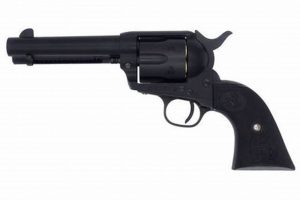
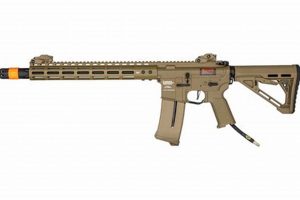
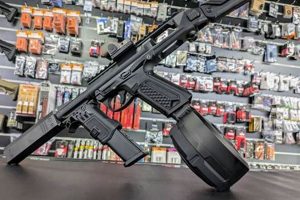
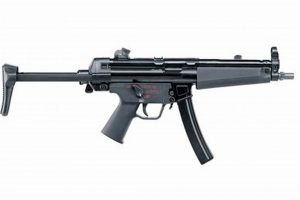
This refers to replica firearms designed to closely resemble the Beretta M9A3, a modern variant of the M9 pistol, but which propel plastic pellets. These replicas are commonly used in simulated combat scenarios, target shooting, and as collectibles. The construction materials often involve metal alloys and durable polymers, replicating the weight and feel of the real firearm.
These replicas offer a safer and more affordable alternative to owning and training with a live firearm. They allow enthusiasts to practice weapon handling, tactical maneuvers, and target acquisition without the inherent dangers of live ammunition. Furthermore, they present a historical connection to a widely adopted military sidearm, appealing to collectors and history buffs.
Subsequent sections will delve into the various types available, performance characteristics, legal considerations, and maintenance procedures related to these replica firearms. This will include discussions on gas blowback systems, electric-powered versions, and spring-powered models, along with their respective advantages and disadvantages.
Tips for Optimizing Performance and Longevity
Proper care and usage are crucial for maximizing the performance and lifespan of the replica firearm. The following tips provide guidelines for responsible ownership and optimal functionality.
Tip 1: Ammunition Selection: Utilize high-quality, seamless plastic pellets of the recommended weight (typically 0.20g or 0.25g) to prevent barrel jams and internal damage. Avoid using low-grade or deformed pellets.
Tip 2: Gas System Maintenance: For gas-powered models, regularly lubricate the gas magazine valve and internal seals with silicone oil to maintain proper gas pressure and prevent leaks. Disassemble and clean the magazine periodically.
Tip 3: Battery Care (Electric Models): For electric models, use batteries with the correct voltage and amperage. Avoid overcharging or completely depleting batteries, as this can reduce their lifespan. Store batteries in a cool, dry place when not in use.
Tip 4: Barrel Cleaning: Clean the inner barrel regularly using a cleaning rod and silicone oil to remove dirt and debris that can affect accuracy and range. Ensure the barrel is completely dry before use.
Tip 5: Storage Practices: Store the replica in a case or bag when not in use to protect it from dust, moisture, and physical damage. Remove the magazine and battery (if applicable) before storing.
Tip 6: Hop-Up Adjustment: Adjust the hop-up unit to optimize the range and trajectory of the plastic pellets. Experiment with different settings to find the optimal balance for the specific pellet weight and environmental conditions.
Tip 7: Avoid Extreme Temperatures: Refrain from exposing the replica to extreme temperatures, as this can damage internal components, particularly seals and plastic parts. Avoid direct sunlight and freezing conditions.
Adhering to these recommendations will contribute to the consistent performance, extended lifespan, and safe operation of the replica.
The subsequent section will address safety protocols and legal responsibilities associated with owning and operating such devices.
1. Realism

Realism is a paramount consideration in the design and appeal of the “beretta m9a3 airsoft” replica. It drives the user experience, impacting the training value, collectibility, and overall satisfaction derived from the product. The pursuit of realism manifests in various aspects of the replica’s construction and operation.
- External Appearance and Dimensions
This facet involves the accurate replication of the firearm’s external features, including the slide profile, frame design, and grip texture. Precise dimensions are crucial for compatibility with real-steel accessories such as holsters and weapon lights, further enhancing the realistic experience. Discrepancies in size or shape detract from the authenticity and diminish the value for collectors and those seeking training aids.
- Weight and Balance
The weight distribution and overall weight contribute significantly to the perceived realism. Replicas constructed with metal alloys aim to closely match the heft of the actual firearm. The balance point, typically located near the magazine well, should also align with the real-steel counterpart, allowing for similar handling characteristics and improved training effectiveness.
- Functional Controls and Operation
Realistic operation necessitates functional controls that mimic the real firearm. This includes a working slide catch, magazine release, safety selector, and trigger mechanism. The feel of the trigger pull, the slide cycling action, and the tactile feedback from the controls all contribute to the immersive experience. Non-functional or poorly replicated controls diminish the realism and limit the training potential.
- Markings and Detailing
Accurate markings, including manufacturer logos, model designations, and serial numbers, are essential for visual fidelity. High-quality replicas feature deeply engraved or laser-etched markings that closely resemble those found on the real firearm. Attention to detail, such as the inclusion of realistic sights, barrel threading, and accessory rails, further enhances the authenticity of the replica.
The combined effect of these elements significantly impacts the perceived realism of the “beretta m9a3 airsoft.” By accurately replicating the appearance, weight, operation, and details of the real firearm, manufacturers cater to the demands of collectors, trainers, and enthusiasts seeking an authentic and immersive experience. The closer the replica aligns with the original, the greater its value and appeal within the airsoft community.
2. Performance

The performance of a replica firearm directly correlates with its usability in simulated combat scenarios and target practice. This aspect encompasses several measurable metrics, including range, accuracy, and rate of fire. For the “beretta m9a3 airsoft,” performance is determined by the internal mechanisms, propellant system (gas or electric), and projectile quality. Inferior performance directly impacts the user’s ability to effectively engage targets, diminishing the training value and overall enjoyment. For instance, a replica with inconsistent gas pressure will exhibit fluctuating velocities, leading to unpredictable projectile trajectories and reduced accuracy.
Specific examples of performance characteristics include the feet-per-second (FPS) rating, which indicates the velocity of the projectile. A higher FPS generally equates to increased range but may also impact accuracy due to potential over-hop. Accuracy is often measured by grouping shots at a specified distance, revealing the consistency of the replica. Furthermore, the gas efficiency of gas blowback models or the battery life of electric models contributes to performance by determining the number of shots attainable before requiring a recharge or refill. Practical application includes using performance metrics to select the appropriate replica for specific roles or scenarios. A sidearm requiring close-quarters engagements may prioritize rate of fire and maneuverability over long-range accuracy.
Ultimately, the performance of a “beretta m9a3 airsoft” influences its perceived value and utility. While realism in appearance is important, practical effectiveness in simulated scenarios dictates its long-term appeal. Challenges in achieving consistent performance are often addressed through aftermarket upgrades and careful maintenance. These performance factors underscore a core aspect of the replica firearm landscape.
3. Durability

Durability represents a critical attribute for any replica firearm, including the “beretta m9a3 airsoft” model. The ability to withstand repeated use, environmental factors, and potential impacts directly influences the lifespan, reliability, and overall value of the product. Insufficient durability leads to premature failure, increased maintenance costs, and a diminished user experience.
- Material Composition
The materials used in the construction of the replica are paramount in determining its durability. Metal alloys, such as aluminum or zinc, offer greater resistance to wear and tear compared to polymers or plastics. High-stress components, like the slide, frame, and internal mechanisms, benefit significantly from robust material selection. For example, a polymer slide is more susceptible to cracking or deformation under repeated cycling compared to a metal slide. The specific type of metal alloy also plays a role, with higher grades offering increased tensile strength and corrosion resistance. The presence of fiber-reinforced polymers in certain components can also enhance overall resistance to impacts and environmental degradation.
- Construction and Assembly Quality
The manner in which the replica is assembled and the precision of its construction directly impact its ability to withstand stress. Securely fastened components, tight tolerances, and proper lubrication contribute to long-term durability. Weak points in the design or assembly process, such as poorly secured screws or improperly aligned parts, can lead to premature failure. For instance, a loosely fitted outer barrel is prone to wobbling or breakage under impact. Consistent quality control during the manufacturing process is essential to ensure that all units meet the required standards for structural integrity. Proper design for disassembly to reduce stress for regular maintenance will also increase overall lifespan and part replacement.
- Resistance to Environmental Factors
Exposure to environmental elements, such as moisture, temperature extremes, and ultraviolet radiation, can significantly degrade the materials used in the replica. Corrosion, warping, and cracking can occur if the materials are not properly protected. Metal components should possess a protective coating to resist rust and corrosion. Polymer parts should be resistant to UV degradation, which can cause them to become brittle and prone to cracking. Storage practices also play a role, with proper storage minimizing exposure to damaging environmental factors. Certain finishes can assist in protecting the replica for example anodizing or cerakote.
- Stress Testing and Quality Control
Rigorous stress testing during the design and manufacturing phases is crucial for identifying potential weaknesses and ensuring that the replica meets durability standards. Impact tests, cyclic loading tests, and environmental exposure tests simulate real-world conditions and help to identify areas that require reinforcement or design modifications. Comprehensive quality control procedures, including regular inspections and functional testing, are essential for ensuring that all units meet the required levels of durability. Testing for pressure, impacts, or wear will extend to a higher quality replica in the long-term.
The combined effect of these factors directly influences the overall durability of the “beretta m9a3 airsoft.” Replicas constructed with high-quality materials, assembled with precision, and tested rigorously will exhibit greater resistance to wear and tear, ensuring a longer lifespan and a more satisfying user experience. Manufacturers that prioritize durability demonstrate a commitment to providing a reliable and long-lasting product, enhancing its value and appeal within the airsoft community.
4. Maintenance

Maintenance constitutes a critical factor in preserving the operational integrity and extending the lifespan of any replica firearm, including the “beretta m9a3 airsoft”. The complexity of its internal mechanisms and the materials used in its construction necessitate regular attention to prevent degradation and ensure consistent performance. Failure to adhere to recommended maintenance protocols can lead to diminished accuracy, reduced gas efficiency (in gas-powered models), increased risk of malfunctions, and, ultimately, permanent damage to the replica. For example, neglecting to lubricate the gas magazine valve in a gas blowback model can result in gas leaks and inconsistent pressure, severely impacting its performance.
Specific maintenance procedures vary depending on the type of replica (gas blowback, electric, or spring-powered), but generally include cleaning the inner barrel to remove accumulated debris, lubricating moving parts to reduce friction and wear, and inspecting for signs of damage or wear. Gas-powered models require additional attention to the gas magazine, including cleaning and lubricating the valve and seals. Electric models require proper battery care, including avoiding overcharging or deep discharging, and periodic inspection of the wiring and connectors. Spring-powered models, while generally requiring less maintenance, still benefit from regular cleaning and lubrication of the piston and cylinder. A practical example involves disassembling the replica to inspect the internal components. During this process, wear can be visible. This allows replacement parts to be order prior to complete failure.
In conclusion, diligent maintenance practices are essential for ensuring the long-term reliability and performance of the “beretta m9a3 airsoft.” Regular cleaning, lubrication, and inspection can prevent costly repairs, maintain accuracy and consistency, and extend the overall lifespan of the replica. While the specific procedures may vary depending on the model, the underlying principle remains the same: proactive maintenance is key to preserving the value and functionality of the replica. Understanding the maintenance aspect enables a higher chance of successful operation. However, damage that goes unnoticed or improperly addressed could lead to malfunction.
5. Regulations
The ownership and use of the “beretta m9a3 airsoft” are subject to varying legal regulations across jurisdictions. These regulations primarily aim to distinguish these replicas from actual firearms and to ensure responsible handling, thereby mitigating potential misuse or public safety concerns. The cause for such regulations stems from the realistic appearance of these replicas, which can be mistaken for real firearms, potentially leading to dangerous situations. Therefore, regulations serve as a crucial component of responsible ownership, influencing factors such as permissible usage locations, age restrictions, and requirements for distinguishing markings.
Examples of regulations include requirements for blaze orange barrel tips or other markings to clearly identify the replica as non-lethal. Certain jurisdictions impose age restrictions on the purchase or use of these replicas, often aligning with laws governing the possession of airguns or similar items. Transportation laws may also dictate how these replicas must be stored and carried to prevent them from being mistaken for real firearms. Some regions prohibit the open carry of these replicas in public places, restricting their use to designated areas such as private property or sanctioned skirmish fields. Furthermore, regulations may dictate the maximum projectile velocity permitted for these devices to minimize the risk of injury. The practical significance of understanding these regulations lies in avoiding legal penalties, ensuring responsible use, and promoting public safety.
In summary, regulations governing the “beretta m9a3 airsoft” are essential for distinguishing these replicas from actual firearms, promoting responsible handling, and minimizing potential risks to public safety. Compliance with these regulations is a legal and ethical responsibility for all owners and users. The specific challenges involve navigating the diverse and often inconsistent regulatory landscape across different regions. A thorough understanding of local laws is, therefore, crucial for responsible ownership and use. This focus directly relates to the broader theme of promoting safe and responsible practices within the airsoft community.
Frequently Asked Questions
This section addresses common inquiries and misconceptions regarding the “beretta m9a3 airsoft” replica firearm, providing clarity on its characteristics, usage, and legal considerations.
Question 1: What is the typical range and accuracy that can be expected from a “beretta m9a3 airsoft”?
The effective range and accuracy are contingent upon factors such as the specific model (gas blowback, electric, or spring-powered), the quality of plastic pellets used, and environmental conditions. Generally, accuracy can be maintained within a 10-15 meter radius, while the maximum range may extend to 30-40 meters, though with reduced accuracy at greater distances.
Question 2: Is special maintenance required for gas blowback vs. electric “beretta m9a3 airsoft” models?
Yes, the maintenance requirements differ significantly. Gas blowback models necessitate regular lubrication of the gas magazine valve and internal seals to prevent leaks and maintain consistent performance. Electric models require proper battery care, including avoiding overcharging and deep discharging, and periodic inspection of wiring and connectors.
Question 3: What are the key differences in performance between gas blowback, electric, and spring-powered “beretta m9a3 airsoft” replicas?
Gas blowback models offer a more realistic recoil and cycling action, but require gas refills and can be affected by temperature. Electric models provide a higher rate of fire and consistent performance, but require battery charging. Spring-powered models are the most affordable and require no external power source, but offer the lowest rate of fire and necessitate manual cocking before each shot.
Question 4: Can real firearm accessories, such as holsters and weapon lights, be used with a “beretta m9a3 airsoft”?
Compatibility depends on the dimensional accuracy of the replica. High-quality replicas that closely replicate the dimensions of the real firearm may be compatible with some accessories. However, it is advisable to verify compatibility before purchasing accessories to avoid fitment issues.
Question 5: Are there any specific safety precautions that must be observed when handling a “beretta m9a3 airsoft”?
Yes, several safety precautions must be observed. Eye protection is mandatory. The replica must be treated as if it were a real firearm, avoiding pointing it at anyone not participating in a simulated combat scenario. The replica must be stored safely when not in use, out of reach of children and unauthorized individuals.
Question 6: What legal requirements should be considered before purchasing a “beretta m9a3 airsoft”?
Potential owners must familiarize themselves with local regulations regarding the ownership, use, and transportation of such replicas. Age restrictions, requirements for distinguishing markings (e.g., blaze orange barrel tip), and restrictions on carrying the replica in public places may apply. Failure to comply with these regulations can result in legal penalties.
Key takeaways from this section include the importance of understanding the performance characteristics, maintenance requirements, and legal considerations associated with the “beretta m9a3 airsoft”. Responsible ownership necessitates adherence to safety precautions and compliance with all applicable regulations.
The subsequent section will explore potential aftermarket upgrades and modifications available for enhancing the performance and realism of the replica firearm.
Conclusion
The exploration of the “beretta m9a3 airsoft” reveals a complex landscape encompassing performance, realism, durability, maintenance, and legal considerations. The replica serves various purposes, from training and historical appreciation to recreational use. The analysis of these factors highlights the significance of informed decision-making for prospective owners.
Continued advancements in replica technology and evolving legal landscapes necessitate ongoing vigilance. As manufacturers strive for greater realism and enhanced performance, responsible ownership and adherence to safety protocols remain paramount. The future of the “beretta m9a3 airsoft” depends on the community’s commitment to ethical practices and promoting a positive image within the broader public sphere.