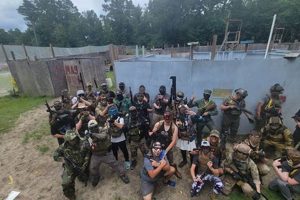
The negative aspects of airsoft culture, characterized by unsportsmanlike conduct and hostile interactions, can significantly detract from the experience. Examples include aggressive rule enforcement, disrespectful behavior toward opponents, and excessive focus on winning above all else. Such actions foster an environment that discourages participation and damages the community’s reputation.
Addressing such negativity is crucial for maintaining a healthy and enjoyable environment within the airsoft community. A positive atmosphere attracts new players, encourages continued engagement, and enhances the overall quality of the sport. Historically, self-regulation within airsoft communities has been attempted, but the pervasiveness of online interactions and anonymity can exacerbate the issue.
This analysis will delve into specific manifestations of negative behaviors within airsoft, examine their impact on individuals and the community, and explore potential strategies for mitigating their occurrence.
Mitigating Negativity in Airsoft
The following recommendations aim to foster a more respectful and sportsmanlike environment within the airsoft community, addressing behaviors that detract from the experience.
Tip 1: Promote Clear Rule Enforcement: Establish and consistently enforce clear, unambiguous rules at all events. This minimizes disputes and reduces the potential for aggressive interpretations. Field owners and event organizers bear the responsibility for upholding these standards.
Tip 2: Emphasize Fair Play and Sportsmanship: Prioritize ethical conduct over victory. Encourage players to acknowledge hits and engage in respectful communication with opponents, regardless of competitive pressure. Displaying integrity builds trust and respect.
Tip 3: Address Unsportsmanlike Conduct Promptly: Develop a reporting system for addressing instances of cheating, aggression, or disrespectful behavior. Investigate claims thoroughly and implement appropriate consequences for verified violations. A zero-tolerance policy demonstrates commitment to a positive environment.
Tip 4: Foster Inclusive Community Building: Create opportunities for players of all skill levels and backgrounds to connect and interact in a friendly, non-competitive setting. Organize social events, workshops, or mentorship programs to promote camaraderie and reduce feelings of exclusion.
Tip 5: Encourage Responsible Online Interactions: Moderate online forums and social media groups associated with airsoft communities. Address instances of cyberbullying, harassment, or inflammatory rhetoric. Promote respectful discourse and discourage personal attacks.
Tip 6: Prioritize Safety Above All Else: Enforce mandatory safety protocols, including the use of approved eye protection and adherence to velocity limits. Address instances of reckless behavior or disregard for safety regulations swiftly and decisively. Safety is paramount to a positive airsoft experience.
Tip 7: Lead by Example: Experienced players and community leaders should model responsible and sportsmanlike behavior. Demonstrate respect for opponents, adherence to rules, and a commitment to fair play. Positive role models set the standard for the entire community.
These measures can collectively contribute to a healthier and more enjoyable airsoft experience for all participants. By actively addressing negative behaviors and promoting positive values, the airsoft community can strengthen its appeal and ensure its long-term sustainability.
The next section will explore long-term solutions.
1. Unsportsmanlike Conduct
Unsportsmanlike conduct forms a critical component of negative airsoft environments. This behavior, encompassing actions that violate established rules and accepted norms of fair play, directly contributes to the formation of what is described as a negative airsoft environment. The causal link is evident: the more frequently unsportsmanlike acts occur, the more pervasive and entrenched such toxic environments become. For instance, repeated instances of players refusing to call hits or intentionally overshooting opponents can erode trust and foster resentment among participants. The prevalence of these actions directly translates into a diminished sense of community and an increased likelihood of conflict, thereby poisoning the overall atmosphere.
The importance of recognizing unsportsmanlike conduct as a core element of negative airsoft environments lies in its preventability. Addressing this conduct requires a multi-faceted approach, incorporating clear rule enforcement, education on ethical play, and consistent application of consequences for violations. Field operators, event organizers, and senior players must actively promote and model sportsmanlike behavior to counter the normalization of negative practices. The absence of such measures allows these negative behaviors to propagate, creating a self-perpetuating cycle of distrust and animosity.
In summary, unsportsmanlike conduct is not merely an isolated incident but rather a foundational element contributing to the construction of a negative airsoft experience. Addressing this element through proactive enforcement, education, and community building is crucial for mitigating toxicity and fostering a positive, inclusive environment. Failure to acknowledge and confront unsportsmanlike conduct will inevitably perpetuate the cycle, further damaging the integrity and appeal of the sport.
2. Aggressive Rule Enforcement

Aggressive rule enforcement, while seemingly intended to maintain order and fairness, can ironically contribute significantly to negative airsoft environments. When rule application becomes overly stringent, punitive, or inconsistent, it fosters resentment, distrust, and ultimately, a less enjoyable experience for all participants. The following points illustrate how this phenomenon manifests:
- Subjective Interpretation and Power Dynamics
Rules, particularly those regarding hit confirmations or acceptable engagement distances, often require subjective interpretation. Aggressive enforcement arises when individuals in positions of authority (field staff, team leaders) impose their interpretations rigidly, often without considering the perspective of other players. This can create power imbalances, leading to perceptions of unfair treatment and fostering an environment where players feel targeted or unfairly scrutinized. Real-world examples include marshals excessively interrogating players about potential infractions based on circumstantial evidence, or consistently siding with one team over another in disputes.
- Punitive Focus Over Educational Guidance
An emphasis on punishment, rather than education and preventative measures, is a hallmark of aggressive enforcement. A focus on issuing penalties and reprimands for minor infractions, without providing clear guidance or opportunities for players to understand and correct their behavior, creates an atmosphere of fear and anxiety. For example, instead of offering constructive feedback to a new player who inadvertently violates a rule, an aggressive approach involves immediately issuing a penalty and publicly shaming the individual. This discourages participation and stifles learning.
- Inconsistent Application and Bias
Inconsistent rule application, where certain players or teams are subjected to stricter scrutiny than others, undermines trust and fuels accusations of bias. This selective enforcement can be based on personal relationships, perceived skill levels, or even stereotypes. For instance, experienced players might receive more leeway than newer players, or members of a specific team might be targeted more frequently than others. This creates a sense of injustice and resentment, further polarizing the community.
- Suppression of Communication and Constructive Feedback
Aggressive enforcement often stifles open communication and prevents players from providing constructive feedback regarding rules or field procedures. When players fear reprisal for raising legitimate concerns, it becomes difficult to address underlying issues and improve the overall experience. For example, if a player feels a particular rule is ambiguous or unfairly implemented, they may hesitate to voice their concerns for fear of being labeled a troublemaker or receiving further scrutiny.
In conclusion, aggressive rule enforcement, despite its superficial intention of maintaining order, can inadvertently contribute to negative airsoft environments by fostering distrust, creating power imbalances, and stifling open communication. A more effective approach involves promoting consistent, fair, and educational rule application, emphasizing constructive feedback, and fostering a culture of mutual respect and understanding.
3. Disrespectful player interactions

Disrespectful interactions among players are a significant catalyst in the creation and perpetuation of negative airsoft environments. These interactions, ranging from minor verbal jabs to outright harassment, erode the sense of community and sportsmanship essential for a positive experience. The following aspects detail the impact of these interactions.
- Verbal Abuse and Taunting
Verbal abuse, including derogatory language, insults directed at skill level, and taunting after eliminations, contributes directly to hostility. This behavior creates a climate of intimidation, discouraging participation and fostering resentment. Examples include players using slurs or personal attacks during or after gameplay, creating an unwelcoming and hostile atmosphere.
- Disregard for Personal Boundaries
Failure to respect personal boundaries, both physical and verbal, leads to discomfort and animosity. This can manifest as excessively close proximity during engagement, unsolicited advice delivered in a condescending manner, or persistent questioning of an individual’s judgment. Such behaviors create an atmosphere of unease and violate the principles of mutual respect.
- Public Shaming and Exclusion
Publicly criticizing or belittling other players, whether online or offline, can lead to social isolation and feelings of inadequacy. This behavior often targets new players or individuals perceived as less skilled, creating a barrier to entry and discouraging continued participation. Online forums and social media groups can become breeding grounds for this type of behavior, exacerbating its impact.
- Cheating Accusations and Disputes
Aggressive and unsubstantiated accusations of cheating can quickly escalate into heated conflicts. While addressing suspected rule violations is important, approaching these situations with respect and seeking clarification before making accusations is crucial. Unfounded accusations erode trust and foster animosity, contributing to a negative environment.
These forms of disrespectful interaction contribute to the overall negativity by creating a hostile environment where players feel unwelcome, intimidated, or unfairly treated. Addressing these behaviors requires a concerted effort to promote respect, empathy, and effective communication within the airsoft community. The prevalence of such interactions highlights the importance of fostering a culture of sportsmanship and accountability to mitigate the negative impact on the airsoft experience.
4. Cheating Prevalence
The prevalence of cheating within airsoft communities is a significant contributor to a detrimental atmosphere, fostering distrust and undermining the principles of fair play. This breakdown of sportsmanship leads to animosity and reduces the overall enjoyment of the activity.
- Deliberate Hit Non-Acknowledgement
The intentional failure to acknowledge being hit by an airsoft BB is perhaps the most common form of cheating. This behavior directly contradicts the honor-based system that airsoft relies upon. The rationale behind this act varies from a competitive desire to win to a simple unwillingness to admit defeat. Its impact, however, is consistent: it generates frustration and resentment among honest players, eroding trust and fueling arguments. An example would be a player visibly struck by multiple BBs continuing to advance without calling themselves out, forcing opponents to either cease engagement or escalate to potentially dangerous overshooting.
- Velocity Limit Tampering
Airsoft fields establish velocity limits for airsoft guns to ensure player safety. Tampering with a gun to exceed these limits, thereby increasing its power and potential for injury, constitutes a serious form of cheating. This not only violates safety regulations but also provides an unfair advantage. For instance, a player secretly increasing the FPS of their weapon beyond the field limit gains a significant edge in range and impact force, creating an unsafe environment for other participants.
- Inaccurate Hit Reporting
Falsely claiming that an opponent has not hit a player when they clearly have is another manifestation of cheating. This behavior undermines the integrity of the game and leads to disputes. For instance, a player might deny being hit at close range, knowing that the opposing player is unlikely to risk further escalation, thereby invalidating a legitimate elimination.
- Rule Bending and Exploitation
Exploiting loopholes in the established rules or bending them to gain an advantage is also considered a form of cheating. This can include manipulating respawn rules, ignoring MED (Minimum Engagement Distance) restrictions, or misrepresenting tactical maneuvers. Such behavior demonstrates a lack of respect for the established framework of the game and generates frustration among players who adhere to the intended spirit of the regulations.
The prevalence of these cheating behaviors directly contributes to a toxic environment. The breakdown of trust and sportsmanship leads to increased conflict, decreased enjoyment, and a decline in participation. Addressing these issues requires a concerted effort from field owners, event organizers, and players to promote ethical conduct and enforce established rules consistently. Without such efforts, cheating will continue to undermine the integrity of airsoft and contribute to its negative reputation.
5. Verbal abuse incidence
Verbal abuse incidence is a significant factor contributing to the phenomenon of “toxic airsoft.” The correlation between the frequency of verbal abuse and the overall negativity of the airsoft environment is direct: increased instances of aggressive or demeaning language contribute to a hostile atmosphere, discouraging participation and fostering resentment. This abuse can manifest in various forms, including derogatory comments about skill levels, personal insults, and aggressive trash-talking that crosses the line into harassment. The accumulation of these incidents cultivates a climate where players feel unwelcome and unsafe, thereby degrading the quality of the airsoft experience.
The importance of understanding verbal abuse incidence as a component of “toxic airsoft” lies in its preventability. Unlike certain factors that may be more difficult to control, verbal abuse is a direct reflection of individual behavior and can be addressed through clear expectations, active moderation, and consistent consequences. Real-life examples include instances where experienced players berate newer participants for tactical errors, or where opposing teams engage in relentless taunting that extends beyond the boundaries of friendly competition. Addressing this requires a multi-pronged approach, including clear codes of conduct, swift action against violators, and the promotion of a culture that values respect and sportsmanship. Furthermore, the practical significance is not only in preserving the game’s integrity but also in safeguarding the mental well-being of participants.
In summary, verbal abuse is not simply an unfortunate byproduct of competitive gameplay but a core component of what constitutes “toxic airsoft.” Reducing the incidence of verbal abuse requires a proactive and sustained effort to foster a more respectful and inclusive environment. This entails establishing clear boundaries, enforcing consequences for violations, and promoting a culture of sportsmanship that prioritizes respect and fair play. By addressing this specific element, the airsoft community can actively mitigate the negative impact and foster a more positive and sustainable environment for all participants.
6. Safety violations frequency

The frequency of safety violations in airsoft directly correlates with the presence of a negative environment, contributing significantly to what is described as “toxic airsoft.” Increased instances of neglecting or disregarding safety protocols create a climate of apprehension, erode trust among players, and escalate the risk of injury. This breakdown in safety consciousness demonstrates a lack of respect for the well-being of participants and reinforces a culture of recklessness, thereby damaging the overall airsoft experience.
Understanding the importance of safety violations frequency as a component of “toxic airsoft” lies in its preventability and its impact on establishing trust within the community. Examples include neglecting to wear proper eye protection, exceeding established velocity limits for airsoft guns, or engaging in reckless behavior such as blind firing or ignoring minimum engagement distances. These violations not only jeopardize the physical safety of players but also foster a sense of unease and distrust. Enforcing stringent safety measures, providing comprehensive safety briefings, and addressing violations promptly are crucial for fostering a safe and respectful environment. A proactive approach to safety minimizes the risk of accidents and reinforces the importance of responsible behavior, thereby reducing the likelihood of a negative environment.
In summary, safety violations frequency is a significant indicator of a deteriorating airsoft environment. Addressing this requires a collective commitment to prioritizing safety above all else, establishing clear and enforceable safety regulations, and fostering a culture of accountability. By proactively addressing safety concerns, the airsoft community can mitigate the risks associated with the activity and create a more positive, enjoyable, and sustainable environment for all participants. Neglecting safety protocols not only endangers individuals but also contributes to the perpetuation of toxic behaviors within the community, undermining the foundations of fair play and mutual respect.
7. Exclusionary group dynamics

Exclusionary group dynamics represent a significant factor contributing to a negative airsoft environment, often referred to as “toxic airsoft.” These dynamics involve the formation of cliques and in-groups that actively or passively exclude other players, fostering a sense of isolation and hindering the development of a cohesive and welcoming community.
- Formation of Cliques Based on Skill Level
Experienced players may form exclusive groups, prioritizing gameplay with individuals of similar skill levels and excluding newer or less experienced participants. This can manifest as a reluctance to offer assistance, a dismissive attitude toward tactical suggestions, or an unwillingness to participate in scenarios with less skilled players. The implications within “toxic airsoft” are significant, as this exclusion discourages new players and reinforces the perception that airsoft is only accessible to a select few.
- In-Group Jargon and Tactical Secrecy
Established groups often develop their own unique jargon and maintain secrecy around tactical strategies, creating a barrier to entry for outsiders. This can involve using coded language during gameplay, withholding information about field layouts or team tactics, and actively discouraging newcomers from learning the group’s established methods. This reinforces exclusionary dynamics by making it difficult for new players to integrate and contribute effectively, further amplifying the negative aspects of “toxic airsoft.”
- Social Gatekeeping and Ostracization
Social gatekeeping involves the use of social pressure to exclude individuals who do not conform to the group’s norms or values. This can manifest as subtle forms of ostracization, such as ignoring contributions, excluding individuals from social events, or spreading rumors about their competence or character. In the context of “toxic airsoft,” this behavior creates a hostile social environment, making it difficult for excluded players to feel welcome or valued, thereby hindering community growth and fostering resentment.
- Unequal Access to Resources and Opportunities
Exclusionary groups may control access to valuable resources and opportunities within the airsoft community, such as preferential treatment in team selections, access to advanced equipment, or opportunities to participate in specialized events. This unequal distribution of resources reinforces existing power dynamics and further marginalizes those outside the in-group. Within “toxic airsoft,” this creates a sense of unfairness and discourages participation, as excluded players feel disadvantaged and unable to compete on a level playing field.
These exclusionary group dynamics collectively contribute to “toxic airsoft” by fostering a climate of division, hindering the integration of new players, and creating a sense of unfairness and resentment. Addressing these issues requires a concerted effort to promote inclusivity, encourage mentorship, and foster a culture of respect and mutual support within the airsoft community.
Frequently Asked Questions About Negative Behaviors in Airsoft
This section addresses common inquiries and misconceptions regarding negative behaviors frequently encountered within airsoft communities.
Question 1: What specific behaviors constitute “toxic airsoft?”
The term encompasses a range of actions, including but not limited to: unsportsmanlike conduct, aggressive rule enforcement, disrespectful player interactions, cheating, verbal abuse, safety violations, and exclusionary group dynamics. These behaviors undermine fair play, erode trust, and diminish the overall enjoyment of the sport.
Question 2: How does negativity impact the airsoft community as a whole?
Negative behaviors deter new players from joining, discourage existing players from continued participation, and damage the community’s reputation. A hostile environment can also lead to increased conflict, decreased cooperation, and a decline in overall sportsmanship.
Question 3: Is trash-talking inherently negative within airsoft?
Trash-talking, when conducted respectfully and within the bounds of friendly competition, can be a harmless form of banter. However, when it devolves into personal insults, derogatory comments, or harassment, it becomes a form of verbal abuse and contributes to a negative environment.
Question 4: Who is responsible for addressing negative behaviors?
Responsibility rests with all members of the airsoft community, including field owners, event organizers, team leaders, and individual players. A collective effort is required to establish clear expectations, enforce rules consistently, and promote a culture of respect and sportsmanship.
Question 5: What steps can be taken to mitigate negative behaviors on the field?
Implement clear and consistently enforced rules, emphasize fair play and sportsmanship, address unsportsmanlike conduct promptly, and prioritize safety above all else. Promote open communication and provide opportunities for players to offer constructive feedback.
Question 6: What role does online interaction play in promoting or mitigating negativity?
Online forums and social media groups can either exacerbate or mitigate negative behaviors. Moderation, clear guidelines for online conduct, and a focus on respectful discourse are essential for promoting a positive online environment. Conversely, unchecked online harassment and inflammatory rhetoric can fuel conflict and negativity within the broader airsoft community.
Addressing these issues requires a sustained and collaborative effort from all members of the airsoft community. By acknowledging the problem and taking proactive steps to promote positive behavior, a more enjoyable and sustainable environment can be fostered.
The subsequent section delves into strategies for fostering a culture of positive reinforcement within airsoft.
Conclusion
The exploration of “toxic airsoft” reveals a complex web of behaviors that detract from the sport’s potential. From unsportsmanlike conduct to exclusionary group dynamics, these negative elements undermine fair play, erode trust, and ultimately diminish the experience for all participants. Identifying these issues and understanding their impact is the first crucial step toward fostering a healthier environment.
The long-term sustainability and growth of airsoft depend on the community’s collective commitment to addressing these challenges. A proactive approach, emphasizing respect, sportsmanship, and clear accountability, is essential for mitigating the detrimental effects of “toxic airsoft” and ensuring a positive, inclusive, and enjoyable experience for both current and future generations of players.