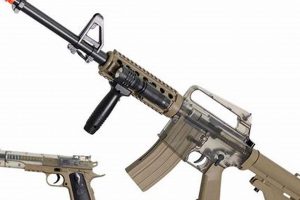
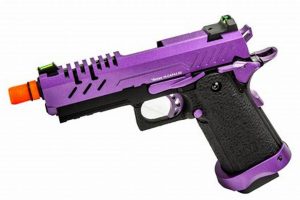
The process of obtaining authorization to possess or utilize simulated firearms for recreational or competitive purposes varies significantly based on geographic location. Legal frameworks governing these devices are not uniform, leading to a patchwork of regulations worldwide. Understanding the specific requirements within a given jurisdiction is paramount before acquiring or using these items. For example, some areas may require registration, while others may only mandate adherence to age restrictions and safe handling practices.
Compliance with applicable laws promotes responsible participation in the sport and helps to ensure public safety. A history of misuse or unregulated activity can lead to stricter controls, potentially hindering access for enthusiasts. Following established guidelines demonstrates a commitment to ethical conduct and helps maintain a positive image of the activity. Furthermore, knowledge of local statutes prevents potential legal repercussions, such as fines or confiscation of equipment.
The following sections detail typical requirements often encountered when seeking permission to own or operate these devices, including age restrictions, registration processes where applicable, and necessary training or certifications. Examination of these factors will provide a broader understanding of the steps involved in legally possessing and utilizing these recreational items.
Guidance on Regulatory Compliance for Airsoft Devices
The acquisition and usage of airsoft devices necessitate careful adherence to local regulations. The following guidelines aim to provide clarity and assist in ensuring responsible ownership and operation.
Tip 1: Research Local Ordinances: Prior to purchasing any airsoft device, comprehensively investigate local city, county, and state regulations regarding ownership, storage, and use. These regulations can vary significantly and may impose specific restrictions or requirements.
Tip 2: Understand Age Restrictions: Be cognizant of age limitations related to owning or using airsoft devices. Many jurisdictions have minimum age requirements, and violating these requirements can result in legal consequences. Proof of age may be necessary for purchase.
Tip 3: Register Where Required: In some regions, registering an airsoft device with local law enforcement is mandatory. Determine if a registration process exists and comply accordingly. Maintain accurate records of registration, if applicable.
Tip 4: Secure Safe Handling Certification: Certain jurisdictions may require completion of a safety course or certification before operating an airsoft device. Identify and enroll in any mandated training programs to ensure responsible use.
Tip 5: Adhere to Storage Regulations: Understand and abide by regulations concerning the secure storage of airsoft devices. This may include storing them unloaded and in a locked container, separate from ammunition or projectiles.
Tip 6: Observe Usage Restrictions: Be aware of locations where the use of airsoft devices is prohibited. This commonly includes public areas, school zones, and private property without explicit permission. Always obtain consent before using an airsoft device on private land.
Tip 7: Maintain Documentation: Keep records of purchase receipts, registration documents, safety certifications, and any other relevant paperwork readily accessible. This documentation can prove compliance with regulations in case of inquiry.
Following these guidelines helps ensure responsible airsoft device ownership and minimizes the risk of legal repercussions. Compliance demonstrates a commitment to community safety and responsible participation in the activity.
The subsequent sections of this document will address frequently asked questions regarding the legal framework surrounding these devices.
1. Local Ordinances

Local ordinances represent a critical component in determining the legality of possessing and operating airsoft devices within a specific geographic area. These regulations, enacted at the municipal or county level, often supplement or supersede broader state or federal laws. The process for obtaining required authorization is directly influenced by these localized rules.
- Definition of Airsoft Devices
Local ordinances frequently offer a precise legal definition of what constitutes an airsoft device, distinguishing it from firearms and other types of projectile weapons. This definition determines whether a device falls under the purview of specific regulations requiring authorization. Vague or inclusive definitions could inadvertently subject airsoft devices to stringent firearm control laws.
- Permissible Locations for Use
Ordinances often dictate where the use of airsoft devices is permitted. They may restrict operation to designated areas such as private property with consent, licensed airsoft fields, or indoor shooting ranges. Violations of these location restrictions can result in fines, confiscation of equipment, or even legal charges, irrespective of possessing any other form of authorization.
- Permitting or Registration Requirements
Some localities mandate a permitting or registration process for airsoft device ownership. This may involve background checks, proof of residency, and payment of fees. Successful completion of this process, governed by the specific local ordinance, is often a prerequisite for legal possession. The absence of compliance can lead to penalties, even if state or federal regulations are met.
- Storage and Transportation Regulations
Local ordinances might impose specific rules for the storage and transportation of airsoft devices. These regulations often require that devices be stored unloaded, in a locked container, and separate from ammunition when not in use. Transporting airsoft devices might necessitate being in a closed case or out of plain sight. Failure to adhere to these rules can result in fines or confiscation of the device, regardless of any existing authorization.
Ultimately, the relationship between local ordinances and authorization processes for airsoft devices is one of direct influence. These ordinances define the parameters within which ownership and operation are legal, and they often outline the specific steps required to obtain the necessary permissions. Therefore, a thorough understanding of local ordinances is paramount before acquiring or using any airsoft device. This information dictates whether other regulations and licensing are required.
2. Age Restrictions

Age restrictions serve as a fundamental component in regulating access to airsoft devices and, consequently, in determining the eligibility for any required licenses or permits. These limitations are predicated on the belief that a certain level of maturity and responsibility is necessary for the safe handling and operation of such devices, thus influencing the process by which authorization is granted.
- Minimum Age for Ownership and Use
Most jurisdictions establish a minimum age for legally owning or using airsoft devices. This age threshold reflects an assessment of cognitive development and decision-making capacity. An individual below the stipulated age is generally prohibited from acquiring or operating an airsoft device, irrespective of parental consent or supervision. This restriction effectively blocks any attempt to obtain licenses or permits intended for adult users, creating a direct link between age and eligibility.
- Parental Consent or Guardianship Requirements
In some regions, individuals below a certain age, while not entirely barred from airsoft activities, may be required to obtain parental or guardian consent. This consent might involve signing waivers, providing proof of insurance, or actively supervising the minor during use. While not a direct replacement for authorization, parental involvement can be a prerequisite for participating in organized events or accessing certain facilities, highlighting an indirect pathway to authorized use for underage individuals. The specific requirements dictated by jurisdictions must be reviewed.
- Age-Based Restrictions on Device Type and Power
Certain regulations may differentiate between the types or power levels of airsoft devices permissible for various age groups. For example, a younger individual might be restricted to using lower-powered devices or replicas with specific safety features. This tiered approach to device regulation introduces complexity into the authorization process, as the type of license or permit required could vary depending on the device’s characteristics and the user’s age.
- Impact on Obtaining Licenses or Permits
Age restrictions directly impact the ability to acquire any form of formal permission for airsoft activities. If a jurisdiction requires a license or permit for airsoft device ownership or use, individuals below the minimum age are typically ineligible to apply. Even if they meet other criteria, such as passing safety courses or undergoing background checks, their age disqualifies them from obtaining authorization. This connection between age and authorization underscores the central role of age restrictions in regulating access to and use of airsoft devices, with regulations differing significantly from region to region.
In conclusion, age restrictions are a critical determinant in the regulatory landscape governing airsoft devices. They not only dictate who can legally possess and use these devices, but also directly influence eligibility for any required licenses or permits. This interplay between age and authorization highlights the importance of understanding local regulations and ensuring compliance with age-related requirements before engaging in airsoft activities.
3. Registration Requirements

Registration requirements represent a pivotal element in the framework governing airsoft devices, acting as a direct precursor to the formal authorization process. Where implemented, these mandates directly shape the pathway by which individuals can legally possess and utilize such equipment.
- Device Serial Number Documentation
Registration often necessitates the recording of serial numbers or other unique identifiers associated with the airsoft device. This process aims to create a traceable link between the device and its owner, facilitating accountability and aiding in the investigation of misuse. For example, should an airsoft device be involved in an incident, documented serial numbers can assist law enforcement in identifying the responsible party, underlining the importance of compliance within a system designed to grant permission.
- Owner Identification and Background Checks
A core component of registration frequently involves providing identifying information and undergoing background checks. This allows authorities to assess the applicant’s eligibility to possess an airsoft device based on prior legal infractions or other disqualifying factors. The stringent nature of these checks underscores the seriousness with which jurisdictions treat the granting of permission, emphasizing that responsible ownership is a primary consideration.
- Fees and Administrative Processes
Registration commonly entails the payment of fees and adherence to specific administrative procedures. These fees contribute to the costs associated with managing and enforcing the registration system, while the procedures ensure standardized documentation and record-keeping. By imposing these financial and administrative burdens, jurisdictions aim to ensure that only serious and responsible individuals pursue registration, reinforcing the link between commitment and the granting of permission.
- Renewal and Transfer Procedures
Many registration systems include provisions for periodic renewal and procedures for transferring ownership of registered airsoft devices. Renewal requirements ensure that owner information remains current and that devices continue to meet regulatory standards. Transfer procedures prevent unregistered individuals from acquiring airsoft devices and maintain traceability throughout the device’s lifecycle. These ongoing obligations highlight that permission to possess an airsoft device is not a one-time event but an ongoing responsibility subject to regulatory oversight.
These facets of registration requirements coalesce to form a significant barrier to entry for airsoft device ownership. The necessity of documenting device details, submitting to background checks, paying fees, and adhering to ongoing obligations demonstrates a clear commitment to responsible ownership, directly influencing the authorization process and ensuring that only qualified individuals are granted the privilege to possess and operate these devices legally. The degree to which this requirement is enforced varies from location to location.
4. Safety Certifications

The attainment of safety certifications frequently constitutes an integral step within the process of obtaining legal authorization to possess or utilize airsoft devices. Jurisdictions often mandate successful completion of recognized safety courses as a prerequisite for licensure, viewing such certifications as evidence of the applicant’s understanding of responsible handling practices, thereby reducing the risk of accidents or misuse. These courses typically cover topics such as device maintenance, safe handling techniques, proper storage procedures, and relevant legal regulations. For example, some municipalities require individuals to pass a firearm safety course, or an airsoft-specific safety course, demonstrating their proficiency in handling projectile devices prior to granting permission to own an airsoft gun. This requirement serves as a preventative measure, aiming to minimize incidents stemming from negligence or lack of training.
The specific content and rigor of safety certifications can vary significantly depending on the governing jurisdiction. Certain certifications may involve written examinations, practical demonstrations of safe handling techniques, or both. The certification process can serve as a measure of competency. For instance, in some regions, certified instructors affiliated with recognized airsoft organizations administer standardized safety courses. Successful completion of these courses not only imparts essential knowledge and skills but also provides documentation accepted by licensing authorities as proof of competence. Furthermore, the requirement for safety certifications often extends beyond initial licensure. Periodic recertification may be mandated to ensure that individuals maintain current knowledge of safety protocols and regulations. This ongoing commitment to safety education reinforces the importance of responsible airsoft device ownership and underscores the role of safety certifications in promoting public safety.
In conclusion, safety certifications are not merely ancillary qualifications but rather fundamental components of the licensing process for airsoft devices in many regions. They provide assurance to regulatory bodies that individuals seeking authorization possess the requisite knowledge and skills to handle these devices safely and responsibly. While the specific requirements and content of safety certifications may vary, their overarching purpose remains consistent: to mitigate risks associated with airsoft device ownership and operation and to promote a culture of safety within the airsoft community. Recognizing the significance of these certifications is crucial for navigating the regulatory landscape and ensuring compliance with applicable laws.
5. Storage Regulations

Storage regulations for airsoft devices are intrinsically linked to the process of obtaining legal authorization for these items. These regulations, which dictate the manner in which airsoft devices must be secured when not in use, often form a crucial component of the criteria assessed when determining eligibility for a license or permit.
- Secure Containment Requirements
Many jurisdictions mandate that airsoft devices be stored in locked containers, safes, or other secure locations when not in use. This requirement aims to prevent unauthorized access, particularly by minors or individuals with malicious intent. Compliance with these secure containment requirements often constitutes a prerequisite for obtaining a license, demonstrating the applicant’s commitment to responsible ownership and minimizing the risk of theft or accidental discharge. Failure to adhere to these standards may result in denial of a license application.
- Separation of Ammunition and Devices
Regulations frequently stipulate that ammunition or projectiles for airsoft devices be stored separately from the devices themselves. This practice is intended to prevent accidental loading and discharge, further reducing the risk of injury or property damage. Demonstrating adherence to this separation requirement can be a key factor in obtaining a license, signaling to authorities that the applicant understands and respects the importance of safe storage practices.
- Accessibility Restrictions
Storage regulations often include provisions regarding the accessibility of airsoft devices to unauthorized individuals. These provisions may limit access to designated areas within a residence or require that devices be stored out of plain sight. Compliance with these accessibility restrictions is typically assessed during the licensing process, as it provides assurance that the applicant has taken appropriate measures to prevent unauthorized use or theft of the airsoft device.
- Compliance Inspections
In some jurisdictions, licensing authorities may conduct inspections to verify compliance with storage regulations. These inspections may involve visiting the applicant’s residence to assess the security of storage arrangements and ensure adherence to all applicable rules. Successful completion of a storage inspection is often a condition for obtaining or maintaining a license, reinforcing the importance of complying with storage regulations.
Therefore, adherence to storage regulations is not merely a matter of personal responsibility but also a critical determinant in the licensing process for airsoft devices. Compliance with these regulations demonstrates a commitment to responsible ownership, reduces the risk of accidents or misuse, and increases the likelihood of obtaining and retaining the necessary legal authorization. Jurisdictions vary significantly as to storage practice enforcement during the licensing procedure.
6. Usage Restrictions
Usage restrictions are inextricably linked to the process of obtaining authorization for airsoft devices. These restrictions, which delineate permissible locations, times, and manners of use, frequently constitute a core component of the criteria evaluated when determining eligibility for a license or permit. Authorities often view adherence to these restrictions as a direct indicator of an applicant’s commitment to responsible behavior and public safety. Consequently, detailed knowledge of and demonstrated willingness to comply with these limitations can significantly impact the outcome of the licensing process. For example, an applicant who demonstrates an understanding of restricted areas, such as schools or public parks, signals a higher level of responsibility, potentially increasing the likelihood of approval. Conversely, a disregard for established usage parameters may result in denial of a license, regardless of other qualifications.
Understanding the practical implications of usage restrictions is crucial for responsible airsoft device ownership. Many jurisdictions prohibit the discharge of airsoft devices within city limits or in areas where the projectiles could potentially cause harm or alarm. For instance, aiming an airsoft device at a person, even if unloaded, may constitute a violation of local ordinances and could have legal consequences, including revocation of any existing license. Furthermore, failing to obtain permission from landowners before engaging in airsoft activities on private property can result in trespassing charges and negatively impact future licensing applications. Adherence to usage restrictions not only minimizes the risk of legal repercussions but also fosters positive community relations and promotes a responsible image of the airsoft community.
In summary, usage restrictions represent a fundamental consideration in the authorization process for airsoft devices. Thorough comprehension of these limitations, coupled with a demonstrated commitment to compliance, can significantly enhance an applicant’s prospects of obtaining the necessary license or permit. Challenges often arise from the variability of regulations across different jurisdictions, necessitating careful research and proactive engagement with local authorities. Ultimately, understanding the integral connection between usage restrictions and legal authorization is essential for responsible and law-abiding airsoft enthusiasts.
7. Documentation Maintenance
Documentation maintenance is intrinsically linked to the process of obtaining and retaining authorization for airsoft devices. Accurate and consistent record-keeping serves as verifiable proof of compliance with various regulations, directly impacting the outcome of license applications and subsequent renewals. The absence of meticulous documentation can lead to delays, denials, or even revocation of existing permissions, demonstrating the critical role it plays in navigating the legal landscape surrounding these devices.
Examples of essential documentation include purchase receipts, registration certificates, safety training records, and records of maintenance or modifications. These documents serve as evidence that the owner acquired the airsoft device legally, has undergone required safety training, and maintains the device in accordance with applicable regulations. For instance, a licensee might be required to present proof of regular maintenance or inspection records to demonstrate that the device is functioning safely and within permitted parameters. Failure to produce these records during inspections or renewals can raise concerns about compliance and jeopardize the licensee’s authorization. Furthermore, proper documentation can serve as a defense in the event of accidental discharge or other incidents involving the airsoft device. Demonstrating that the device was properly maintained and stored according to regulations can mitigate legal repercussions and safeguard the licensee’s standing.
In conclusion, documentation maintenance is not merely an administrative formality but a fundamental aspect of responsible airsoft device ownership and a prerequisite for obtaining and maintaining legal authorization. By diligently maintaining accurate and up-to-date records, individuals demonstrate their commitment to compliance, enhance their credibility with licensing authorities, and protect themselves from potential legal liabilities. The challenges inherent in navigating varying jurisdictional requirements underscore the importance of establishing a robust documentation system from the outset. The consistent upholding of documentation enhances safety, and promotes the responsible use of airsoft devices.
Frequently Asked Questions Regarding Airsoft Device Authorization
The following section addresses common inquiries regarding the legal framework surrounding airsoft devices, providing concise and authoritative answers to facilitate understanding and compliance.
Question 1: Is a license universally required for airsoft device ownership?
The requirement for a license to possess an airsoft device varies significantly based on geographic location. Some jurisdictions mandate registration and licensing, while others only require adherence to age restrictions and safe handling practices.
Question 2: What constitutes acceptable proof of age for airsoft device purchase or use?
Acceptable proof of age typically includes government-issued identification such as a driver’s license, passport, or identification card. Birth certificates may also be accepted in certain circumstances, depending on local regulations.
Question 3: Are background checks always required for airsoft device registration?
The necessity of background checks for airsoft device registration depends on the specific regulations of the jurisdiction. Some areas mandate background checks to ensure that individuals are not prohibited from possessing such devices due to prior criminal convictions or other disqualifying factors.
Question 4: What types of safety certifications are typically recognized for airsoft device operation?
Recognized safety certifications vary by region but often include courses offered by certified instructors affiliated with established airsoft organizations or firearm safety programs. These courses typically cover safe handling techniques, device maintenance, and legal regulations.
Question 5: What are the potential consequences of violating airsoft device storage regulations?
Violations of airsoft device storage regulations can result in various penalties, including fines, confiscation of the device, and potential criminal charges, depending on the severity of the infraction and the applicable laws.
Question 6: Can an airsoft device license be revoked, and under what circumstances?
An airsoft device license can be revoked for various reasons, including violations of usage restrictions, failure to comply with storage regulations, criminal convictions, or any other actions that demonstrate a lack of responsible ownership.
Compliance with all applicable laws and regulations is paramount for responsible airsoft device ownership. The information provided here is for general guidance only and should not be considered legal advice. Consult with local authorities or legal professionals for specific guidance related to your jurisdiction.
The following section will provide a concluding summary of the critical points discussed throughout this document.
The preceding analysis has illuminated the multifaceted process of obtaining authorization for airsoft devices, underscoring the significant variability in regulatory requirements across different jurisdictions. Compliance necessitates a thorough understanding of local ordinances, age restrictions, registration mandates, safety certification prerequisites, storage regulations, and usage restrictions. The consistent maintenance of accurate documentation is equally critical for demonstrating adherence to established guidelines and facilitating the authorization process.
Prospective airsoft device owners must recognize the importance of proactively engaging with local authorities to ascertain specific requirements applicable to their location. Failure to comply with these regulations can result in legal penalties, including fines, device confiscation, and potential criminal charges. Responsible ownership demands a commitment to lawful conduct, promoting safety and preserving the integrity of the airsoft community. Continued vigilance and adherence to evolving legal standards are essential for all stakeholders.