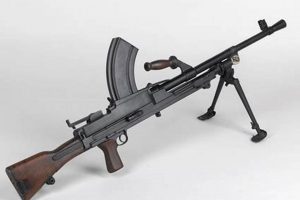
An inoperable airsoft gun presents a frustrating scenario for players. Several potential issues can prevent the projectile from firing, ranging from simple oversights to complex mechanical failures. Troubleshooting this problem effectively requires a systematic approach to identify and rectify the underlying cause.
A functional airsoft gun is crucial for participation in skirmishes and tactical simulations. Understanding potential malfunctions allows for timely repairs, minimizing downtime and ensuring a consistent experience. Addressing problems proactively prevents further damage and extends the lifespan of the equipment. Historically, airsoft guns have evolved in complexity, demanding a more nuanced understanding of their internal mechanisms for effective maintenance.
The subsequent sections will delve into common reasons for airsoft gun malfunctions, providing practical solutions and preventative measures to maintain optimal performance. These explanations cover areas such as battery issues, jammed projectiles, gear problems, and other possible mechanical or electrical faults.
Troubleshooting an Inoperable Airsoft Gun
Addressing the situation when the airsoft gun is not firing necessitates a systematic diagnostic approach. Consider these steps to identify and potentially resolve the issue.
Tip 1: Battery Verification: Ensure the battery is adequately charged and properly connected. A depleted battery or faulty connection is a common cause of failure.
Tip 2: Magazine Check: Confirm the magazine is correctly inserted and contains an adequate supply of BBs. A misaligned or empty magazine will prevent operation.
Tip 3: Jammed Projectile Inspection: Examine the barrel for any obstructions or jammed BBs. Use a cleaning rod or unjamming tool to carefully remove any blockages.
Tip 4: Fuse Evaluation: Inspect the fuse (if applicable) for signs of damage or burnout. Replace the fuse with one of the correct amperage if necessary.
Tip 5: Motor Function Assessment: Listen for motor activity when the trigger is pulled. Absence of motor sound may indicate motor failure or wiring problems.
Tip 6: Hop-Up Adjustment Review: Verify the hop-up unit is correctly adjusted. An improperly adjusted hop-up can sometimes impede BB feeding.
Tip 7: Internal Component Examination: If other steps fail, consider the possibility of internal gear or piston malfunctions. This may require disassembly and inspection by a qualified technician.
By systematically checking these areas, the source of the problem can often be identified and resolved. Regular maintenance and proper storage are crucial in preventing future malfunctions.
Addressing these potential issues will improve the functionality and extend the service life of the airsoft equipment.
1. Battery Charge Depletion
Battery charge depletion represents a primary cause of operational failure in electric airsoft guns. Insufficient electrical power prevents the motor from engaging, thereby halting the gun’s firing mechanism. The correlation between battery voltage and functionality is direct and critical.
- Inadequate Voltage Supply
The electric motor requires a specific voltage range to initiate and sustain rotation. As a battery discharges, its voltage decreases. Below a certain threshold, the motor cannot generate sufficient torque to cycle the gearbox, thus preventing firing. The requisite voltage varies depending on the motor and gearbox design. Using a voltmeter to measure the voltage can identify this issue.
- High Internal Resistance
As batteries age or are used improperly, their internal resistance increases. Elevated internal resistance diminishes the battery’s capacity to deliver current, even at a seemingly adequate voltage. The higher resistance impedes the delivery of power to the motor. Testing the battery’s load capacity under simulated firing conditions helps pinpoint this problem.
- Connector and Wiring Issues
Corroded or loose connectors and damaged wiring between the battery and the motor contribute to resistance. These deficiencies limit the current flow, thereby affecting motor performance. Visual inspection and continuity testing can identify these faults. Damaged wiring or connectors will restrict the flow of electricity and negatively impact how airsoft gun will shoot.
- Battery Type and Compatibility
Using an incorrect battery type, such as a low-discharge battery or one with an incompatible voltage, can cause the airsoft gun to not function. The electric airsoft gun requires batteries with sufficient discharge rating, such as lithium polymer (LiPo) or nickel-metal hydride (NiMH). Low discharge batteries might be able to power up device, but lack proper voltage to shoot BBs. Compatibility must be checked before installing any battery.
These factors collectively demonstrate the critical role of battery charge and condition in determining whether an electric airsoft gun will function. Maintaining batteries, using the appropriate type, and regularly inspecting connections are essential for preventing such failures.
2. Magazine Empty/Misaligned

An empty or misaligned magazine directly correlates with the inability of an airsoft gun to fire. If the magazine lacks BBs, the mechanism has no projectile to load into the chamber, rendering the gun inoperable. Similarly, a magazine not properly seated in the magazine well prevents the loading process, even if the magazine contains BBs. This disconnection disrupts the feed path, making firing impossible. Consider the scenario of a mid-game reload: if the operator fails to fully seat the magazine, attempts to fire will be futile despite the presence of projectiles within the magazine. Proper seating and sufficient ammunition are prerequisites for sustained operation.
Furthermore, variations in magazine design and compatibility can exacerbate misalignment issues. Some magazines might fit loosely in certain gun models, increasing the likelihood of misalignment during rapid movements or tactical maneuvers. Real-world simulations demonstrate that even a fraction of a millimeter misalignment can be sufficient to interrupt the BB feed. Addressing these compatibility issues through the use of manufacturer-recommended magazines or aftermarket modifications designed to improve magazine retention and alignment helps ensure proper functionality and mitigates failures to fire.
In summary, the condition and alignment of the magazine are fundamental to the operation of an airsoft gun. Empty or poorly seated magazines represent a common and easily preventable reason why an airsoft gun will not shoot. Understanding and proactively addressing potential misalignment issues are crucial steps in maintaining operational readiness and minimizing downtime during gameplay. Regular checks of magazine seating and BB levels should be standard practice.
3. Internal Jammed Projectile
An internal jammed projectile is a significant impediment to the functionality of an airsoft gun. The presence of an obstruction within the barrel assembly, hop-up unit, or magazine feed path directly prevents the firing mechanism from operating as intended. Identifying and rectifying these blockages is crucial to restore the gun’s ability to discharge projectiles.
- BB Quality and Deformation
Substandard BBs, characterized by inconsistencies in size or shape, or those that have become deformed due to moisture or physical stress, frequently contribute to internal jams. These irregular projectiles are prone to lodging within the barrel or hop-up unit, creating an obstruction. The implementation of high-quality, consistently sized BBs is a preventative measure. A deformed BB stuck in the inner barrel is a common real-world example.
- Barrel Obstructions: Foreign Materials
The ingress of foreign materials, such as dirt, debris, or remnants of degraded BBs, into the barrel assembly can create obstructions. These materials accumulate within the barrel, reducing its internal diameter and impeding the passage of projectiles. Regular cleaning and maintenance of the barrel are imperative to prevent these obstructions. Field tests often uncover dust and dirt accumulations as causal factors.
- Hop-Up Unit Malfunctions
Malfunctions within the hop-up unit, including improper adjustment or damage to the hop-up bucking, can cause BBs to become lodged within the unit. An overtightened or damaged hop-up bucking can exert excessive pressure on the BB, causing it to deform or become misaligned, leading to a jam. Correct adjustment of the hop-up and regular inspection of its components are necessary. Example: a hop-up bucking with a tear causing jams.
- Magazine Feed Path Blockage
Obstructions within the magazine feed path, such as a misaligned BB follower or debris accumulation, can prevent projectiles from being properly loaded into the chamber. This disruption in the feeding mechanism leads to a stoppage in the firing process. Disassembling and cleaning the magazine, along with ensuring proper follower alignment, are essential for preventing these blockages. A common situation is the jamming of several BBs into the feeding tube.
These multifaceted aspects of internal jammed projectiles highlight the importance of using high-quality ammunition, implementing regular maintenance procedures, and carefully inspecting the gun’s components. Addressing these potential obstructions will improve the functionality and extend the service life of the airsoft equipment and prevent scenarios where the user is asking “why won’t my airsoft gun shoot.”
4. Damaged Internal Gears

Damaged internal gears within the gearbox mechanism represent a critical failure point that directly results in an airsoft gun’s inability to fire. The gears are integral components responsible for translating the motor’s rotational force into the linear motion required to compress the air and propel the BB. When these gears sustain damage, whether through wear, breakage, or stripping, the entire firing cycle is disrupted.
The integrity of the gearset is fundamental to the operation of an automatic electric gun (AEG). Common causes of gear damage include the use of excessively powerful springs, which place undue stress on the gear teeth, or the introduction of foreign objects into the gearbox, causing mechanical interference. For example, a stripped piston gear will fail to engage the piston, preventing the compression of air and resulting in a complete failure to fire. Similarly, a broken bevel gear, which transfers power from the motor to the sector gear, will sever the connection between the motor and the rest of the gearbox mechanism. The consequences of damaged gears range from inconsistent firing to a complete cessation of function. Understanding the role of each gear and the potential points of failure is essential for effective diagnosis and repair.
Identifying damaged internal gears typically requires disassembly of the gearbox and a visual inspection of each gear for signs of wear, cracks, or stripped teeth. Replacement of the damaged gears with components of appropriate strength and compatibility is necessary to restore functionality. Preventive measures, such as regular lubrication and the avoidance of excessively high-power upgrades without reinforcing other internal components, are crucial to prolonging gear life. In summary, addressing the issue of damaged internal gears is paramount to resolving cases where an airsoft gun refuses to fire, ensuring reliable and consistent performance. Neglecting this element ensures airsoft gun will not shoot.
5. Motor Electrical Failure

Motor electrical failure constitutes a significant reason why an airsoft gun becomes inoperable. The motor’s function is to initiate the gearbox cycle, driving the piston and ultimately propelling the BB. A malfunction in the motor’s electrical system directly prevents this sequence, rendering the gun unable to fire. Diagnosis and resolution of motor-related issues are crucial steps in restoring functionality.
- Winding Damage
The motor’s windings, composed of coiled wire, are responsible for generating the electromagnetic field that drives the motor’s rotation. Overheating, excessive current, or physical stress can damage these windings, causing short circuits or open circuits. Damaged windings reduce motor torque and speed, potentially preventing the gearbox cycle from completing. A visual inspection of the motor windings for discoloration or breakage can indicate this type of failure. Damaged windings directly prevent airsoft gun to shoot.
- Brush Wear and Failure
Motor brushes are consumable components that maintain electrical contact with the commutator, allowing current to flow through the windings. Over time, these brushes wear down due to friction, eventually losing contact with the commutator. Severely worn or damaged brushes interrupt the electrical circuit, preventing the motor from running. Inspecting brush length and condition and replacing worn brushes are necessary maintenance steps. Lack of contact due to wearing prevents airsoft gun to shoot.
- Commutator Damage
The commutator is a segmented conductive cylinder that reverses the current flow through the motor windings at specific points in the rotation cycle. Arcing, excessive wear, or contamination can damage the commutator, leading to poor electrical contact and reduced motor performance. A damaged commutator can cause the motor to run erratically or fail completely. Cleaning the commutator or, in severe cases, replacing the motor is required to resolve this issue. Non-conductive commutator prevents the airsoft gun to shoot.
- Wiring and Connector Issues
Damaged or corroded wiring and connectors between the battery, motor, and electronic control unit (ECU) can impede the flow of electricity to the motor. High resistance due to poor connections reduces the voltage available to the motor, diminishing its performance. Inspecting and replacing damaged wiring or connectors ensures proper electrical conductivity and optimal motor operation. Corroded wiring and connectors prevents airsoft gun to shoot.
These multifaceted aspects of motor electrical failure underscore the importance of proper maintenance and timely repair in maintaining the functionality of an airsoft gun. Addressing issues such as winding damage, brush wear, commutator condition, and wiring integrity is crucial to resolving instances where the gun fails to fire due to motor malfunction. Regular inspections can prevent complete failures. Maintaining wiring and motor components are essential to ensure airsoft gun can shoot effectively.
Frequently Asked Questions
This section addresses common inquiries regarding the reasons an airsoft gun may fail to fire, providing concise explanations to aid in troubleshooting.
Question 1: Why does an electric airsoft gun fail to fire after prolonged storage?
Prolonged storage often results in battery discharge. Batteries self-discharge over time, and a depleted battery lacks the voltage required to power the motor.
Question 2: What is the significance of BB weight in relation to airsoft gun performance?
BB weight influences range and accuracy. Using BBs outside the recommended weight range for a given airsoft gun can lead to reduced performance or internal stress.
Question 3: Can improper lubrication cause an airsoft gun to malfunction?
Yes, both insufficient and excessive lubrication can cause issues. Insufficient lubrication increases friction and wear, while excessive lubrication can attract dirt and impede component movement.
Question 4: How does hop-up adjustment affect the firing of an airsoft gun?
Hop-up adjustment controls backspin, which affects BB trajectory. Incorrect hop-up settings can cause BBs to curve excessively, fall short, or fail to feed properly.
Question 5: What role does the fuse play in the operation of an electric airsoft gun?
The fuse protects the electrical system from overcurrent. A blown fuse interrupts the circuit, preventing the gun from firing, and typically indicates a short circuit or overload.
Question 6: What internal component failures commonly result in an inability to fire?
Common internal failures include stripped gears, broken pistons, and damaged motor windings. These failures disrupt the mechanical or electrical cycle required for firing.
Addressing these common issues can significantly improve the functionality and reliability of airsoft equipment. Regular maintenance and adherence to recommended practices are crucial for preventing malfunctions.
The following section will delve into preventative measures and maintenance strategies designed to mitigate the risk of airsoft gun inoperability.
Conclusion
This exploration of “why won’t my airsoft gun shoot” has highlighted a spectrum of potential causes, ranging from simple oversights to complex mechanical failures. Battery issues, magazine problems, jammed projectiles, damaged gears, and motor malfunctions represent the most common impediments to operation. Understanding the interplay of these factors is crucial for effective troubleshooting and preventative maintenance.
Recognizing and addressing these issues promptly is essential for maintaining operational readiness and extending the lifespan of airsoft equipment. Prioritizing regular maintenance, using high-quality components, and adhering to recommended practices are vital steps in mitigating the risk of inoperability and ensuring consistent performance. Failure to address any of these issues ensures airsoft gun remains nonfunctional.