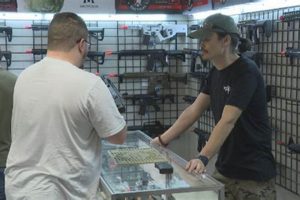
Guidance and advice are essential for individuals engaging in the simulated combat sport. This encompasses a range of recommendations and best practices designed to improve performance, safety, and overall enjoyment of the activity. Such recommendations may address tactical strategies, equipment selection, and adherence to established safety protocols. For example, advice regarding proper eye protection is crucial to prevent injury during gameplay.
The implementation of sound strategies and well-informed equipment choices significantly enhances a player’s effectiveness and survivability within the airsoft environment. Furthermore, understanding and adhering to safety guidelines minimizes the risk of accidents and promotes a positive and responsible gaming experience for all participants. The evolution of the sport has led to the development of specialized techniques and gear, emphasizing the growing need for accessible and reliable information.
The following sections will delve into specific areas critical to maximizing success and ensuring safety in the simulated combat field. These areas include selecting appropriate protective gear, understanding weapon maintenance, and mastering fundamental tactical maneuvers. The information provided aims to equip participants with the knowledge necessary to navigate the complexities of the sport effectively.
Guidance for Optimal Performance
The following recommendations are designed to enhance an individual’s proficiency and safety within the simulated combat environment.
Tip 1: Prioritize Eye Protection: Eye protection is paramount. Ensure the selected eyewear meets or exceeds ANSI Z87.1 standards to withstand impacts from projectiles. Full-seal goggles offer the highest level of protection.
Tip 2: Understand Weapon Maintenance: Regular cleaning and lubrication of weaponry are crucial for optimal performance. Consult the manufacturer’s instructions for specific maintenance procedures.
Tip 3: Practice Basic Gun Handling: Familiarization with weapon operation, including loading, aiming, and firing, is essential. Practice in a safe and controlled environment prior to engagement.
Tip 4: Master Communication: Effective communication with teammates is vital for coordinating strategies and executing maneuvers. Utilize clear and concise language to convey information accurately.
Tip 5: Learn Field Awareness: Maintaining situational awareness is critical for identifying potential threats and opportunities. Scan the environment regularly and anticipate enemy movements.
Tip 6: Adhere to Safety Regulations: Strict adherence to established rules and regulations minimizes the risk of accidents and promotes a safe playing environment. Understand and comply with all field-specific guidelines.
Tip 7: Optimize Gear Selection: Choose equipment based on the specific role and playing style. Consider factors such as weight, mobility, and functionality when selecting load-bearing equipment and camouflage.
Tip 8: Implement Camouflage Techniques: Utilizing appropriate camouflage can significantly reduce visibility and improve concealment. Adapt camouflage patterns to match the surrounding environment.
Implementing these recommendations promotes enhanced performance, reduces the risk of injury, and contributes to a more enjoyable and responsible gaming experience.
The subsequent section will provide insights into advanced tactics and strategies for further refining skills and maximizing effectiveness in the simulated combat environment.
1. Protective Gear Necessity

The requirement for appropriate protective equipment is a fundamental aspect of responsible engagement in the simulated combat sport. It directly influences participant safety and, consequently, the overall quality of the experience. The integration of protective gear considerations into comprehensive instruction is essential.
- Eye and Face Protection Standards
Rigorous standards, such as ANSI Z87.1, dictate the impact resistance required for eyewear. Full-seal goggles or masks offer comprehensive protection against projectiles. Failure to meet these standards can result in severe eye injuries. Consistent verification of compliance with these standards is a prerequisite for participation.
- Body Armor and Load-Bearing Equipment
While not always mandatory, torso protection can mitigate the impact of projectiles. Plate carriers and vests distribute force, reducing the likelihood of bruising or more serious injuries. Additionally, load-bearing equipment, when properly fitted, distributes the weight of gear, minimizing strain and fatigue, thereby contributing to improved tactical effectiveness.
- Head Protection Considerations
Helmets, whether ballistic or bump helmets, provide protection against impacts from falls or collisions, particularly in outdoor environments. They can also serve as platforms for mounting accessories like cameras or communication devices, enhancing situational awareness and tactical capabilities. Proper fit is critical for maximizing protection and comfort.
- Importance of Proper Fit and Maintenance
Protective gear must fit correctly to provide adequate protection. Ill-fitting equipment can impede movement, reduce visibility, or fail to provide adequate coverage. Regular inspection and maintenance are also crucial. Damaged or worn-out gear should be replaced promptly to ensure continued safety and effectiveness. Adherence to manufacturer guidelines for cleaning and storage prolongs the lifespan of the equipment and maintains its protective qualities.
The integration of these facets of protective equipment underscores the interconnectedness of safety, performance, and responsible participation. Awareness and adherence to best practices in this area are critical for mitigating risks and optimizing the simulated combat experience, ensuring the continued safe and enjoyable practice.
2. Weapon Maintenance Schedule

A structured weapon maintenance schedule is integral to the effective application of guidance and advice related to simulated combat activities. The consistent upkeep of weaponry directly impacts its operational reliability, accuracy, and longevity. A neglected firearm, regardless of its initial quality, will inevitably suffer performance degradation and a heightened risk of malfunction, thus negating any tactical advantage gained through skilled maneuvering or superior strategy. For instance, failure to regularly clean the barrel of a gas-blowback rifle can lead to reduced gas efficiency, causing inconsistent shot power and diminished range. This illustrates a clear cause-and-effect relationship wherein inadequate maintenance directly impairs functionality.
The incorporation of a rigorous maintenance schedule is not merely a recommendation; it is a prerequisite for responsible engagement in the activity. A well-maintained weapon is more predictable, allowing the user to develop confidence in its performance and thus execute more complex maneuvers. Consider the scenario of a bolt-action rifle used for a designated marksman role. Precision is paramount in this context. If the bolt is not properly lubricated and cleaned, the cycling action can become sluggish, impacting follow-up shots and potentially compromising the marksman’s position. Furthermore, consistent maintenance allows for the early detection of potential mechanical issues, preventing costly repairs and minimizing downtime. This proactive approach safeguards the investment in equipment and ensures its continued suitability for purpose.
In summary, a detailed weapon maintenance schedule is an indispensable component of comprehensive guidance for the activity. Its implementation fosters reliability, accuracy, and safety, ultimately enhancing the participant’s experience and minimizing potential risks. Addressing challenges related to time constraints or perceived complexity through simplified procedures and readily available resources will promote wider adoption of these critical practices, ensuring a safer and more effective environment for all participants.
3. Tactical Movement Proficiency

The mastery of tactical movement constitutes a critical component within the broader framework. Proficiency in this area directly influences survivability, objective attainment, and overall team effectiveness during simulated combat scenarios. Effective tactical movement is not merely about physical agility; it encompasses a comprehensive understanding of terrain utilization, cover employment, and coordinated team maneuvers. Without such proficiency, individuals become predictable targets, hindering their ability to contribute meaningfully to team objectives. For instance, a team employing proper bounding overwatch techniques is far more likely to advance safely across open terrain than a team moving haphazardly without covering fire.
The integration of specific movement recommendations into comprehensive instruction is essential for developing competent participants. The advice regarding low-crawling techniques for navigating underbrush, pieing corners to minimize exposure to potential threats, and utilizing available cover to create interlocking fields of fire are all examples of essential movement techniques. Furthermore, the understanding and application of these techniques must be coupled with effective communication. Signaling to teammates regarding potential threats or changes in direction facilitates coordinated movement and prevents unnecessary exposure. Instruction must emphasize the practical application of these techniques through drills and simulations to reinforce muscle memory and promote instinctive execution under pressure.
In conclusion, tactical movement proficiency represents a fundamental skill set that significantly impacts performance and survivability. The deliberate incorporation of detailed movement instruction into overall skill development is imperative for cultivating competent and effective participants. Addressing challenges associated with physical limitations or a lack of prior experience through tailored training programs will maximize the potential of all participants. These movement capabilities enhance survivability, reduce risk, and contribute to success, increasing the benefit and enjoyment of the sport.
4. Effective communication protocols
Effective communication protocols are indispensable to success and safety within simulated combat environments. The relationship between clear communication and positive outcomes is direct and causal. When team members can relay information accurately and rapidly, they can coordinate movements, anticipate enemy actions, and adapt to evolving tactical situations more effectively. For instance, a simple callout such as “enemy at grid square Bravo-Four” allows teammates to focus their attention and prepare for engagement, potentially preventing casualties or securing a tactical advantage. These protocols include standardized terminology, pre-arranged signals, and designated communication roles, all contributing to clarity and reducing ambiguity.
The implementation of standardized communication protocols is vital to the overall effectiveness of tactics. For example, using predetermined code words to indicate specific actions (e.g., “moving to flank” or “initiating breach”) reduces the risk of misinterpretation, especially in high-stress situations. Such protocols necessitate training and practice to ensure that all team members are proficient in their use. The absence of clear protocols results in miscommunication, delayed reactions, and increased vulnerability. Moreover, designated roles within the communication network, such as a team leader responsible for relaying critical information, streamline the flow of information and prevent bottlenecks. This enhances coordination and facilitates quicker decision-making.
In summary, effective communication protocols are a cornerstone of successful simulated combat operations. The establishment and consistent application of these protocols enhance team coordination, reduce ambiguity, and improve overall performance. Addressing any challenges related to implementation through dedicated training and reinforcement promotes a safer and more effective operational environment for all participants. These protocols provide efficiency, and reduces risk, fostering team work and enjoyment of the sport.
5. Field awareness enhancement
The augmentation of situational understanding represents a crucial element of proficient gameplay. A direct correlation exists between a participant’s ability to perceive and interpret the surrounding environment and their overall effectiveness in the simulated combat arena. This heightened perception allows for proactive decision-making, enabling individuals to anticipate threats, identify opportunities, and react strategically, thereby maximizing their potential contribution to team objectives. For example, a player adept at observing subtle changes in terrain or listening for auditory cues indicative of enemy movement gains a significant advantage over those who lack such awareness.
Enhanced situational understanding translates directly into improved tactical execution. A player who consistently scans the field, noting the positions of teammates, the locations of potential cover, and the likely avenues of enemy approach, can anticipate threats and react accordingly. This may involve adjusting position to provide covering fire, alerting teammates to potential dangers, or maneuvering to gain a tactical advantage. Real-world examples include anticipating an ambush based on the disposition of environmental features, or identifying a flanking route based on gaps in the opponent’s defensive line. The ability to synthesize these observations into actionable intelligence is a hallmark of a skilled player and contributes directly to team success.
In summary, the development of situational understanding represents a fundamental aspect of achieving success in the simulated combat setting. The integration of techniques designed to enhance awareness, such as active observation, environmental analysis, and effective communication, is essential for cultivating competent and effective participants. Addressing potential challenges, such as distractions or a lack of experience, through targeted training programs can maximize the potential of all players. This elevated awareness increases survivability and fosters tactical efficiency.
6. Consistent rule adherence

Consistent rule adherence is a cornerstone of ethical and safe engagement in the simulated combat sport. It is inextricably linked to any comprehensive set of recommendations because a disregard for established regulations negates the potential benefits of skillful tactics and optimized equipment. A player employing sophisticated maneuvering techniques is rendered ineffective, or even dangerous, if said player violates established safety protocols, such as minimum engagement distances or restrictions on projectile velocity. The consequences of non-compliance range from minor inconveniences, such as temporary suspension from gameplay, to severe incidents, including personal injury or damage to property. An example of this is failing to observe specified limits on projectile energy, leading to injuries to other participants.
The practical significance of consistent rule adherence extends beyond individual safety to encompass the overall integrity of the gaming environment. When all participants abide by the same set of rules, a level playing field is maintained, promoting fair competition and fostering a sense of trust and respect among players. Conversely, inconsistent or selective enforcement of rules can lead to disputes, resentment, and a breakdown in the social fabric of the community. This is especially true in organized events where adherence to standards is assumed. Moreover, consistent adherence establishes a positive reputation for the sport within the broader community, mitigating negative perceptions and ensuring continued access to suitable playing locations. Ignoring rules can lead to fields closing down due to community complaints.
In summary, integrating consistent rule adherence into all guidance emphasizes the reciprocal relationship between safety, fairness, and positive gameplay. A commitment to consistent enforcement, clear communication of regulations, and proactive education regarding rule interpretation are essential. These elements safeguard participants, maintain a level playing field, and promote a responsible and sustainable simulated combat environment. Prioritizing this protects the reputation and future of the activity.
Frequently Asked Questions
The following questions address common concerns and misconceptions regarding best practices, designed to provide concise and authoritative answers to ensure a safe and enjoyable simulated combat experience.
Question 1: What constitutes adequate eye protection?
Adequate eye protection requires adherence to ANSI Z87.1 standards, mandating impact resistance sufficient to withstand projectiles. Full-seal goggles or masks are recommended to prevent particulate matter intrusion.
Question 2: How often should weaponry undergo maintenance procedures?
Weaponry should undergo maintenance after each session of simulated combat. The frequency depends on usage intensity and environmental conditions. Consult manufacturer guidelines for specific recommendations.
Question 3: What are fundamental tactical movement techniques for beginners?
Beginners should prioritize mastering low crawling, utilizing cover effectively, and communicating position changes to teammates. Incremental adoption of more advanced techniques is advised.
Question 4: What communication protocols are essential for team coordination?
Essential communication protocols encompass clear and concise language, pre-arranged signals, and designated communication roles to streamline information flow and reduce ambiguity.
Question 5: How can participants enhance field awareness during simulated combat?
Participants can enhance field awareness through active observation, continuous scanning of the environment, and proactive anticipation of potential threats or opportunities.
Question 6: What are the consequences of neglecting consistent rule adherence?
Neglecting consistent rule adherence may result in injuries, damage to equipment, suspension from gameplay, or contribute to the negative perception of the simulated combat community.
The information provided herein serves as a foundation for safe, ethical, and effective engagement. Consistent application of these principles promotes a positive experience for all participants.
The subsequent section will address advanced considerations for refining skills and optimizing performance.
Guiding Principles for Simulated Combat
The preceding sections have articulated fundamental principles relevant to simulated combat engagements. Protective gear, weapon maintenance, tactical movement, communication protocols, field awareness, and rule adherence are elements that dictate participant safety and effectiveness. The systematic integration of these concepts enhances the overall quality of the experience, and mitigates potential risks associated with the activity. These principles of the subject ensure safer and more strategic encounters.
Adoption of the strategies discussed within this document serves as a foundation for proficient and responsible participation. Continued exploration of advanced techniques and tactical adaptations is encouraged to facilitate ongoing skill development and promote sustained engagement. Awareness and consistent adoption of these guidelines fosters a more strategic and enjoyable experience for all participants.