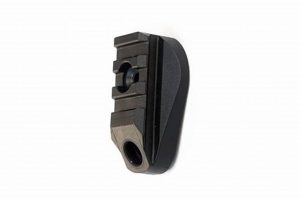
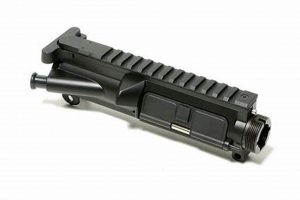
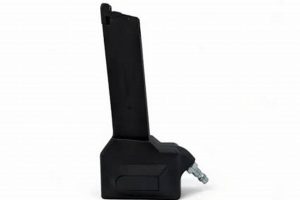
These components are essential for certain types of airsoft rifles, specifically those modeled after the M4 platform and utilizing a gas blowback system. They are designed to hold and feed the 6mm BB projectiles into the rifle’s chamber for firing. A typical example consists of a metallic or reinforced polymer housing, an internal gas reservoir, a spring-loaded BB follower, and a release valve mechanism.
The functionality of this component is critical to the realistic operation and performance of the airsoft rifle. The incorporation of a gas blowback system simulates the recoil and cycling action of a real firearm, thus enhancing the user experience. Furthermore, their capacity and reliability significantly impact the duration of gameplay and the effectiveness of the user during simulated combat scenarios. Historically, improvements in gas efficiency, durability, and BB capacity have consistently driven advancements in airsoft rifle technology, making the magazine a key area of innovation.
Therefore, a thorough understanding of the design variations, gas types, maintenance requirements, and compatibility factors is crucial for airsoft enthusiasts seeking to optimize the performance and longevity of their gas blowback rifles. Subsequent sections will delve into these aspects, providing detailed information for informed decision-making.
Optimizing Performance
Maximizing the effectiveness and lifespan of airsoft rifles requires adherence to specific maintenance and operational guidelines related to the magazine. The following tips offer insights for ensuring optimal performance and reliability.
Tip 1: Gas Compatibility: Use the gas type specifically recommended by the rifle’s manufacturer. Utilizing incorrect gas pressures can damage internal seals or the magazine’s structure, leading to gas leaks and reduced performance.
Tip 2: Regular Lubrication: Periodically lubricate the gas inlet valve and BB follower with silicone oil. This minimizes friction, ensures smooth BB feeding, and prevents the degradation of rubber seals.
Tip 3: Proper Storage: Store magazines with a small amount of gas inside to maintain seal integrity. Empty storage can cause seals to dry out and crack, resulting in gas leaks.
Tip 4: BB Quality: Utilize high-quality, seamless 6mm BBs to prevent jams and misfeeds. Inferior BBs with imperfections can damage the magazine’s internal mechanisms and reduce accuracy.
Tip 5: Overfilling Prevention: Avoid overfilling the magazine with BBs. Overfilling can strain the follower spring, leading to feeding issues and potential damage to the magazine’s housing.
Tip 6: Leak Detection: Regularly inspect the magazine for gas leaks. Submerge the filled magazine in water to identify bubble formation indicating leaks. Address leaks promptly to prevent further damage.
Tip 7: Disassembly and Cleaning: Periodically disassemble the magazine for thorough cleaning. Remove debris and residue that can accumulate within the magazine’s internal components, affecting its performance.
Implementing these practices contributes to consistent performance, extended lifespan, and reduced maintenance costs. By paying close attention to these operational aspects, airsoft enthusiasts can ensure reliable and enjoyable gameplay experiences.
Following sections will delve into troubleshooting common problems and addressing specific scenarios that users may encounter.
1. Capacity

Capacity, in the context of M4 airsoft gas blowback magazines, directly determines the number of 6mm BB projectiles that can be loaded and subsequently fired before requiring a reload. This factor significantly influences a player’s effectiveness during gameplay. For example, a low-capacity magazine necessitates more frequent reloading, creating vulnerabilities during simulated combat scenarios. Conversely, a high-capacity magazine allows for sustained fire, potentially providing a tactical advantage. The interplay between magazine capacity and reloading frequency is a critical determinant of tactical efficiency in airsoft engagements.
The capacity of an M4 airsoft gas blowback magazine is also tied to its physical dimensions and internal mechanisms. Increased capacity often necessitates a larger magazine body or more complex internal feeding systems. This can affect the magazine’s compatibility with certain rifle models or tactical gear. For instance, some M4 airsoft rifles are designed to accept only standard-capacity magazines, limiting the user’s options. Furthermore, modifications intended to increase capacity may compromise the magazine’s reliability or gas efficiency, potentially leading to malfunctions.
Therefore, understanding the specific capacity requirements and limitations of M4 airsoft gas blowback magazines is paramount for informed decision-making. Players must weigh the benefits of increased ammunition capacity against potential drawbacks such as increased magazine size, compatibility issues, and reduced reliability. The ideal choice depends on individual playing style, tactical preferences, and the specific requirements of the airsoft engagement.
2. Gas Compatibility
The selection of an appropriate gas propellant is a critical factor directly influencing the performance and longevity of M4 airsoft gas blowback magazines and the associated rifles. Incompatible gas types can result in reduced functionality, accelerated wear, and potential damage to the magazine and rifle mechanisms.
- Pressure Considerations
Different gas types exert varying pressures when released, measured in PSI. M4 airsoft gas blowback magazines are typically designed to operate within a specific pressure range. Using a gas with excessive pressure can overstress the internal components of the magazine, leading to seal failures, valve damage, or even catastrophic rupture. Conversely, insufficient pressure may result in weak or inconsistent cycling of the rifle’s action, reducing its effective range and accuracy. Propane or green gas are common gases used for these systems; however, red gas is a high-pressure gas and is incompatible with airsoft guns because it will damage seals and can cause potential injury.
- Seal Compatibility
The seals within an M4 airsoft gas blowback magazine are responsible for maintaining a tight gas reservoir and preventing leaks. These seals are typically constructed from rubber or silicone compounds that exhibit varying degrees of compatibility with different gas types. Certain gas propellants may cause these seals to swell, degrade, or become brittle, leading to gas leaks and reduced magazine performance. Selecting a gas type that is chemically compatible with the magazine’s seals is essential for maintaining long-term reliability.
- Lubrication Properties
Some gas propellants contain lubricating additives that help to maintain the smooth operation of the magazine’s internal components. These additives reduce friction between moving parts, preventing wear and ensuring consistent BB feeding. However, certain gas types may lack sufficient lubrication, potentially leading to increased wear and premature failure of the magazine’s mechanisms. Supplemental lubrication with appropriate silicone oil may be necessary when using such gas types.
- Environmental Factors
Ambient temperature can significantly affect the performance of gas propellants. Colder temperatures generally result in lower gas pressure, reducing the rifle’s power and cycling speed. Conversely, higher temperatures can increase gas pressure, potentially exceeding the magazine’s design limits. Selecting a gas type that exhibits stable performance across a range of environmental conditions is crucial for consistent operation, particularly during outdoor airsoft events.
Consequently, meticulous attention to gas compatibility is paramount for ensuring the reliable and safe operation of M4 airsoft gas blowback magazines. Adhering to the manufacturer’s recommendations regarding gas type and pressure is essential for maximizing the magazine’s lifespan and preventing damage to the associated rifle. Regularly inspecting seals and internal components for signs of wear or degradation is also advisable, particularly when using alternative gas propellants.
3. Seal Integrity

Seal integrity constitutes a critical factor in the operational efficiency and longevity of M4 airsoft gas blowback magazines. The seals, typically constructed from rubber or synthetic polymers, are designed to contain the pressurized gas propellant within the magazine’s internal reservoir. A compromise in seal integrity directly translates to gas leakage, resulting in reduced firing power, diminished shot consistency, and ultimately, the inability to operate the airsoft rifle effectively. For example, a torn or degraded O-ring around the gas inlet valve will allow propellant to escape, preventing the magazine from reaching the pressure necessary to cycle the rifle’s bolt. This often manifests as a rapid decrease in gas pressure between shots, or a complete failure to fire.
Maintaining optimal seal integrity necessitates adherence to proper maintenance protocols and the utilization of compatible gas propellants. The use of inappropriate gas types, particularly those with high moisture content or incompatible chemical compositions, can accelerate seal degradation and lead to premature failure. Similarly, neglecting regular lubrication of the seals can cause them to dry out, crack, and lose their elasticity. In practical terms, an airsoft enthusiast experiencing inconsistent rifle performance or noticeable gas leakage should prioritize inspecting the seals within the magazine for signs of wear, damage, or deformation. Replacement of compromised seals with appropriate OEM or aftermarket components is often necessary to restore the magazine to optimal operating condition.
In summary, seal integrity is paramount to the reliable functioning of M4 airsoft gas blowback magazines. Compromised seals directly impair performance and can lead to complete magazine failure. Regular maintenance, appropriate propellant selection, and timely replacement of damaged seals are essential for maximizing the lifespan and operational effectiveness of these magazines. Understanding the importance of seal integrity allows users to proactively address potential issues, ensuring consistent and reliable performance of their airsoft rifles.
4. BB Feeding
BB feeding describes the process by which spherical projectiles, or BBs, are transferred from the magazine into the firing chamber of an M4-style airsoft gas blowback rifle. This process is crucial for consistent and reliable operation. Failures in BB feeding directly impact the rifle’s ability to fire, leading to malfunctions and reduced effectiveness during gameplay. The magazine is a critical component in this process, acting as the reservoir and delivery system for the BBs.
- Follower Spring Tension
The follower spring within the magazine exerts upward pressure on the BB stack, ensuring consistent presentation of BBs to the feeding port. Insufficient spring tension can result in weak or inconsistent feeding, particularly when the magazine is nearing empty. Excessive tension, conversely, can place undue stress on the BBs and the magazine’s internal components, potentially leading to jams or damage. Variations in spring tension can be caused by wear, manufacturing defects, or improper magazine loading.
- BB Alignment and Stacking
The internal design of the magazine, including the follower and feed lips, dictates the proper alignment and stacking of BBs. Misalignment or improper stacking can obstruct the feeding pathway, resulting in misfeeds or jams. For example, BBs of inconsistent size or shape may not stack correctly, creating a friction point that prevents the follower from smoothly pushing the BBs upward. The material and finish of the magazine’s internal surfaces also contribute to the smoothness of BB movement.
- Gas Pressure Influence
In M4 airsoft gas blowback rifles, the gas pressure used to cycle the bolt also plays a role in BB feeding. Insufficient gas pressure may not fully cycle the bolt, resulting in incomplete BB feeding. Conversely, excessive gas pressure can cause the bolt to cycle too rapidly, potentially overriding the magazine’s ability to present BBs consistently. Therefore, maintaining the correct gas pressure is essential for reliable BB feeding.
- Feed Lip Integrity
The feed lips, located at the top of the magazine, control the release of BBs into the chamber. Damaged, worn, or misaligned feed lips can disrupt the proper feeding sequence, leading to double feeds (releasing two BBs simultaneously) or failure to feed. The material and design of the feed lips must withstand the repeated stress of BB release to ensure consistent performance. Cracks or deformation of the feed lips are common causes of feeding malfunctions.
In essence, the reliability of BB feeding in M4 airsoft gas blowback rifles is directly tied to the design and condition of the magazine. Proper maintenance, including cleaning, lubrication, and inspection of the follower spring, BB alignment, gas pressure, and feed lips, are crucial for ensuring consistent and trouble-free operation. Ignoring these factors can lead to frequent malfunctions and a diminished playing experience.
5. Material Durability

Material durability, in the context of M4 airsoft gas blowback magazines, refers to the capacity of the materials used in their construction to withstand wear, stress, and environmental factors encountered during use. It is a primary determinant of the magazine’s lifespan, reliability, and ability to maintain consistent performance under varying conditions.
- Impact Resistance
The external housing of an M4 airsoft gas blowback magazine is frequently subjected to impacts during gameplay. The material’s ability to resist cracking, shattering, or deformation upon impact is crucial. For example, a magazine constructed from a high-impact polymer is more likely to withstand a drop onto a hard surface without sustaining damage than one made from a less durable plastic. The consequences of inadequate impact resistance include gas leaks, BB feeding malfunctions, and the complete incapacitation of the magazine.
- Chemical Resistance
M4 airsoft gas blowback magazines come into contact with various chemicals, including gas propellants, lubricants, and cleaning solutions. The materials used must be resistant to degradation or swelling caused by these substances. For example, certain rubber seals are susceptible to swelling when exposed to specific types of gas propellant, leading to gas leaks. Similarly, some plastics can become brittle or discolored when exposed to certain cleaning agents. The selection of materials with appropriate chemical resistance is essential for preserving the magazine’s functionality and appearance over time.
- Thermal Stability
M4 airsoft gas blowback magazines are often used in a range of environmental temperatures, from hot summer days to cold winter conditions. The materials used must maintain their structural integrity and mechanical properties across this temperature range. For example, some plastics become brittle at low temperatures, increasing the risk of cracking or breakage. Similarly, rubber seals can lose their elasticity at high temperatures, leading to gas leaks. Materials with good thermal stability ensure consistent performance regardless of the ambient temperature.
- Wear Resistance
The internal components of M4 airsoft gas blowback magazines, such as the BB follower and gas valve, are subject to constant friction and wear during operation. The materials used must be resistant to abrasion and erosion to prevent performance degradation. For example, a follower made from a self-lubricating polymer is more likely to maintain smooth BB feeding over time than one made from a less durable material. The selection of wear-resistant materials is crucial for ensuring consistent and reliable performance over the magazine’s lifespan.
In summary, material durability is a multifaceted property that directly influences the performance, reliability, and lifespan of M4 airsoft gas blowback magazines. Selecting magazines constructed from high-quality, durable materials is essential for ensuring consistent and trouble-free operation, particularly under demanding conditions. Attention to impact resistance, chemical resistance, thermal stability, and wear resistance will contribute to a more enjoyable and reliable airsoft experience.
6. Valve Efficiency

Valve efficiency, in the context of M4 airsoft gas blowback magazines, represents the ratio of gas propellant effectively used to propel a BB projectile versus the total amount of gas released from the magazine. A highly efficient valve mechanism minimizes wasted gas, leading to several practical benefits. Specifically, a valve with enhanced efficiency allows for a greater number of shots per gas fill, reducing the frequency of reloading and conserving resources during simulated combat scenarios. For instance, a magazine with a poorly designed or worn valve might expend a disproportionate amount of gas simply to cycle the rifle’s bolt, resulting in fewer BBs fired per fill compared to a magazine with an optimized valve system. In competitive airsoft, the difference between a magazine with high versus low valve efficiency can translate directly into a tactical advantage, permitting prolonged engagement and reducing vulnerabilities during reloading.
Factors influencing valve efficiency in M4 airsoft gas blowback magazines include valve design, material composition, and seal integrity. A precisely engineered valve, incorporating tight tolerances and optimized flow paths, minimizes gas leakage and maximizes the transfer of propellant energy to the BB. The materials used in valve construction, such as hardened steel or specialized polymers, must withstand repeated cycles of high-pressure gas release without deforming or degrading. Furthermore, maintaining the integrity of the valve’s seals, often through regular lubrication and proper gas selection, prevents gas leakage and ensures consistent performance. Modifications or aftermarket components designed to enhance valve efficiency are commonly available, allowing users to fine-tune their magazines for improved performance. For example, installing a high-flow valve can increase the rate at which gas is released, resulting in a more powerful shot and a more realistic recoil sensation.
Ultimately, understanding the principles of valve efficiency and its impact on M4 airsoft gas blowback magazine performance is crucial for informed decision-making. Airsoft enthusiasts seeking to optimize the performance of their rifles should prioritize magazines with efficient valve systems. While challenges remain in precisely quantifying valve efficiency without specialized equipment, observing shot count per gas fill and assessing the consistency of shot power can provide valuable insights. Further research and development in valve technology hold the potential to significantly enhance the performance and realism of airsoft gas blowback rifles.
Frequently Asked Questions
This section addresses common inquiries and concerns regarding M4 airsoft gas blowback magazines, providing concise and informative answers to enhance understanding and promote proper usage.
Question 1: What determines the compatibility of an M4 airsoft gas blowback magazine with a specific rifle model?
Compatibility is primarily dictated by adherence to standardized dimensions and magazine well specifications. While many M4-style airsoft rifles accept standard magazines, variations in manufacturing tolerances or proprietary designs may necessitate the use of magazines specifically designated for that particular rifle model. Consulting the rifle manufacturer’s specifications is advised.
Question 2: How can gas leaks in an M4 airsoft gas blowback magazine be diagnosed?
Gas leaks can often be identified by audible hissing sounds or a noticeable drop in gas pressure after filling. Submerging a filled magazine in water and observing for bubble formation can pinpoint the location of the leak. Common leak points include the gas inlet valve, the magazine’s body seams, and the O-rings surrounding the fill valve.
Question 3: What are the recommended maintenance procedures for prolonging the lifespan of an M4 airsoft gas blowback magazine?
Regular maintenance should include cleaning the magazine’s internal components with a dry cloth to remove debris. Silicone oil lubrication of the gas inlet valve and BB follower is also recommended. Storage with a small amount of gas pressure can help maintain seal integrity. Avoiding the use of excessive force when loading BBs can prevent damage to the follower mechanism.
Question 4: What types of gas propellants are suitable for use in M4 airsoft gas blowback magazines?
The appropriate gas propellant depends on the magazine’s design and construction materials. Green gas and propane (with silicone oil additive) are commonly used. High-pressure gases, such as red gas, are generally not recommended due to the potential for damaging seals and internal components. Consulting the manufacturer’s recommendations is crucial to avoid damage and ensure safe operation.
Question 5: How does magazine capacity affect gameplay in airsoft scenarios?
Magazine capacity directly impacts the duration of sustained fire and the frequency of reloading. Lower-capacity magazines necessitate more frequent reloading, creating tactical vulnerabilities. Higher-capacity magazines allow for longer engagements but may add weight and bulk. The optimal capacity depends on individual playing style and the specific rules of engagement.
Question 6: What factors contribute to BB feeding issues in M4 airsoft gas blowback magazines?
Common causes of BB feeding problems include insufficient follower spring tension, misaligned BBs within the magazine, damaged or worn feed lips, and the use of low-quality or improperly sized BBs. Ensuring proper magazine loading techniques and utilizing high-quality BBs of the correct diameter can mitigate many of these issues.
These FAQs provide a foundation for understanding and addressing common issues related to M4 airsoft gas blowback magazines. Diligent maintenance and adherence to best practices will contribute to improved performance and extended lifespan.
The next section will explore advanced troubleshooting techniques for resolving persistent magazine-related problems.
Conclusion
This discussion has provided a comprehensive overview of the M4 airsoft gas blowback magazine, emphasizing its critical role in the operation and performance of associated airsoft rifles. Key aspects explored include capacity considerations, gas compatibility requirements, the importance of seal integrity, factors influencing reliable BB feeding, the significance of material durability, and the impact of valve efficiency on gas consumption. Adherence to proper maintenance procedures, informed selection of gas propellants, and an understanding of potential failure points are paramount for maximizing the lifespan and operational effectiveness of this component.
The continued development of advanced materials and innovative designs promises to further enhance the reliability and performance of M4 airsoft gas blowback magazines. Prudent maintenance practices, consistent monitoring of magazine condition, and careful consideration of compatibility factors will ensure dependable operation and optimized performance in airsoft applications.