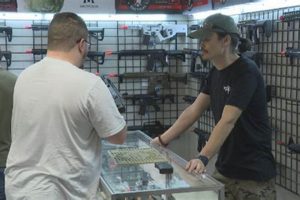
The expenses associated with participating in airsoft vary considerably, depending on several factors. Initial investments include the airsoft gun itself, protective gear such as eye protection and face masks, and appropriate clothing. Recurring expenses involve ammunition (BBs), field fees, and potential maintenance or upgrades to equipment.
Understanding the budgetary implications allows participants to properly plan and engage in the sport safely and responsibly. Knowledge of these cost factors enables individuals to make informed decisions about their level of involvement and the types of equipment they acquire. Historically, airsoft began as a training tool but evolved into a recreational activity with diverse levels of investment.
The following sections will examine the primary cost drivers in more detail, offering a breakdown of the expenses one can anticipate when participating in airsoft, from entry-level to more advanced setups.
Tips for Managing Airsoft Expenses
Considering the variety of equipment and ongoing costs, strategic planning can significantly influence the overall investment in airsoft. Understanding potential cost-saving measures is crucial for maximizing participation within a defined budget.
Tip 1: Prioritize Essential Gear: Eye protection is non-negotiable. Invest in high-quality, ANSI-rated goggles or a full-face mask before considering any other equipment. Skimping on safety is never advisable.
Tip 2: Consider a Starter Package: Many retailers offer bundled packages that include an entry-level airsoft gun, BBs, and basic protective gear. These can offer cost savings compared to purchasing items individually.
Tip 3: Research Field Fees: Field fees vary considerably. Compare prices at different airsoft fields in the area to find the most affordable option. Look for fields that offer discounts for frequent players.
Tip 4: Buy BBs in Bulk: BBs are a recurring expense. Purchasing larger quantities of quality BBs can result in a lower per-unit cost. However, ensure the BBs are compatible with the airsoft gun to avoid damage.
Tip 5: Explore Secondhand Options: Consider purchasing used airsoft guns and gear from reputable sources or established players. Thoroughly inspect the equipment before purchasing to ensure it is in good working order.
Tip 6: Limit Upgrades: Avoid unnecessary upgrades, particularly when starting out. Focus on mastering the fundamentals with the basic equipment before investing in enhancements.
Tip 7: Maintain Equipment Regularly: Proper maintenance extends the lifespan of airsoft guns and gear, reducing the need for frequent replacements. Cleaning and lubricating the airsoft gun after each use is recommended.
By implementing these strategies, participants can effectively manage and potentially lower the expenses associated with airsoft, allowing for greater participation and enjoyment of the sport.
The subsequent sections will delve into the long-term considerations and potential financial commitments involved in sustained airsoft participation.
1. Initial Gear

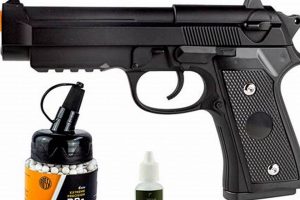
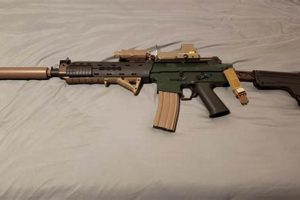
The initial investment in airsoft hinges significantly on the selection of gear, directly influencing the overall expenditure. The primary component, the airsoft gun itself, dictates a substantial portion of this initial cost. Entry-level airsoft rifles, typically electric-powered, range from $100 to $200. Gas-powered pistols or sniper rifles can easily exceed $300. Coupled with the gun, protective eyewear is indispensable. Quality eye protection, rated to withstand BB impacts, usually costs between $20 and $50. Additional protective gear, such as face masks or tactical vests, can further increase the initial outlay. The accumulation of these fundamental items collectively establishes a baseline for the expenses.
The quality and type of initial gear chosen correlate directly with performance and longevity. While a less expensive airsoft gun may seem attractive initially, its limited functionality or increased susceptibility to damage may necessitate earlier replacement, ultimately inflating the total amount expended over time. Investing in higher-quality initial gear, conversely, may result in a larger upfront cost but potentially yields greater reliability and performance, reducing long-term expenses. For instance, a reinforced gearbox within an airsoft rifle will likely withstand more rigorous use, preventing premature failure and the subsequent need for costly repairs or a complete replacement.
In summary, the selection of initial gear is a crucial determinant. Opting for essential items of reasonable quality is advisable to minimize long-term costs. While premium equipment offers advanced features and increased durability, a balanced approach, prioritizing safety and functionality within a defined budget, ensures a cost-effective entry into the sport. This initial decision establishes the financial foundation for participation.
2. Recurring Ammunition
The ongoing requirement for ammunition, specifically BBs, directly impacts the total expenditure. The frequency of participation and the type of airsoft gun employed dictate the quantity of BBs consumed, thereby affecting the recurring financial burden. For example, a player participating in weekly skirmishes with a high-capacity automatic rifle will require a significantly larger supply of BBs than an individual engaging in occasional target practice with a low-capacity pistol. The cost per BB also varies depending on the material, weight, and brand. Higher-quality, precision BBs are generally more expensive but offer improved accuracy and reduce the risk of damaging the airsoft gun. Therefore, selecting the appropriate type and quantity of BBs is crucial for managing expenses.
The practical significance of understanding the connection between ammunition consumption and overall costs lies in the ability to budget effectively. Calculating the approximate number of BBs used per game or practice session allows participants to estimate their monthly or annual expenditure on ammunition. Bulk purchasing of BBs can often lead to cost savings, but it is essential to consider storage limitations and the potential for BB degradation over time. Some fields may require the use of biodegradable BBs, which can be more expensive than standard plastic BBs, further influencing the total investment.
In conclusion, recurring ammunition constitutes a significant and predictable portion of the total amount spent on airsoft per person. Careful consideration of usage patterns, BB quality, and bulk purchasing options enables participants to mitigate expenses. Awareness of this relationship facilitates informed decision-making, ensuring that the financial aspect of the hobby remains manageable. This understanding is fundamental for both novice and experienced players.
3. Field Access Fees

Field access fees represent a recurring expense that directly impacts the overall amount expended on airsoft participation. These fees, charged by airsoft field operators, grant players access to designated playing areas and associated facilities, thus forming a crucial component of the sport’s financial landscape.
- Variability in Pricing
Airsoft field fees vary significantly based on location, amenities, and game formats. Fields in urban areas or those offering enhanced facilities such as staging areas, chronograph stations, and on-site shops typically charge higher fees. Conversely, fields in more rural settings or with fewer amenities may offer more economical rates. Special events or scenario games often command premium fees due to increased operating costs and enhanced gameplay experiences. The type of gameplay (e.g., open play, organized scenarios) also influences pricing structures. Understanding this variability is critical for budget-conscious players.
- Impact on Frequency of Play
The cost of field access directly influences how frequently individuals can participate. Higher fees may restrict players to less frequent visits, whereas lower fees promote more regular engagement. This dynamic is especially pertinent for individuals on a limited budget, where field access fees constitute a considerable portion of their discretionary spending. The correlation between cost and frequency underlines the importance of comparing field fees when considering regular participation.
- Membership and Discount Programs
Many airsoft fields offer membership programs or discount options to incentivize repeat business. Memberships typically entail an upfront fee in exchange for reduced per-visit costs or other benefits such as priority registration for events. Discount programs may be available for students, military personnel, or groups. Evaluating these programs is essential to ascertain potential cost savings for frequent players, effectively reducing the total expense.
- Inclusions and Exclusions
The scope of the field access fee can vary. Some fields may include supplementary services such as compressed air refills or battery charging in the base fee, while others charge separately for these amenities. Certain fields mandate the purchase of field-specific BBs for safety or environmental reasons, adding an additional cost. It is imperative to clarify what is included and excluded from the field access fee to accurately assess the overall expense.
The cumulative effect of field access fees constitutes a significant portion of the total expenditure on airsoft, directly influencing the accessibility and frequency of participation. A comprehensive understanding of pricing structures, membership programs, and inclusions is paramount for effective budget management. These factors underscore the role of field access fees in determining how much airsoft participation ultimately entails.
4. Equipment Upgrades

Equipment upgrades represent a potentially substantial augmentation to the initial and ongoing amount expended on airsoft participation. These modifications, designed to enhance performance, reliability, or customization, contribute directly to the overall financial burden. The types of upgrades available range from internal component replacements, such as enhanced motors or precision inner barrels, to external modifications like optics, stocks, or tactical accessories. The selection and implementation of such upgrades necessitates a careful evaluation of both their potential benefits and associated costs. The decision to upgrade equipment is influenced by individual preferences, competitive aspirations, and budgetary constraints.
The financial implications of equipment upgrades extend beyond the immediate purchase price. Installation costs, whether performed by a professional technician or undertaken by the player, contribute to the total expenditure. Furthermore, upgrades can introduce unforeseen maintenance requirements or compatibility issues, potentially necessitating additional repairs or modifications. For example, installing a high-torque motor in an airsoft rifle may require reinforcing the gearbox to withstand the increased stress, resulting in further financial outlay. While upgrades can improve performance and enhance the user experience, their contribution to the total expenses is undeniable. Competitive airsoft players often pursue upgrades to gain a performance edge, while recreational players may prioritize cosmetic or ergonomic enhancements, each approach carrying different financial considerations.
In summary, equipment upgrades constitute a variable but often significant component of the total amount expended on airsoft. Prudent planning, informed decision-making, and a clear understanding of the potential benefits and costs are crucial for managing upgrade-related expenses. The availability of a wide array of upgrade options allows players to tailor their equipment to specific needs and preferences, but this customization necessitates a conscious awareness of the impact on the overall financial investment. Ultimately, the decision to pursue equipment upgrades should be aligned with individual goals and budgetary limitations.
5. Maintenance Expenses

Maintenance expenses represent a critical yet often underestimated factor influencing the overall amount expended on airsoft participation. Proper maintenance ensures optimal performance, extends equipment lifespan, and prevents costly repairs, thereby impacting the total financial commitment. These expenses encompass a range of activities, from routine cleaning and lubrication to component replacements and specialized repairs.
- Regular Cleaning and Lubrication
Routine cleaning and lubrication are fundamental maintenance procedures. Accumulated dirt and debris can impede internal mechanisms, reducing performance and accelerating wear. Regular lubrication of moving parts minimizes friction and ensures smooth operation. Supplies such as cleaning rods, silicone lubricants, and cleaning solvents represent a recurring expense, although relatively modest when performed consistently. Neglecting these tasks increases the risk of malfunctions and subsequent repair costs, directly impacting the overall amount spent. For example, a poorly maintained gearbox might require replacement sooner than one that is regularly cleaned and lubricated.
- Component Replacements
Component replacements become necessary over time due to normal wear and tear or accidental damage. Items such as hop-up buckings, inner barrels, or motors have a finite lifespan and require periodic replacement. The cost of these replacements varies depending on the component’s quality and complexity. Early replacement due to lack of care or low-quality original parts will inflate the amount spent on maintaining an airsoft gun. Utilizing higher-quality replacement parts, although initially more expensive, can prolong the lifespan of the equipment and reduce the frequency of future repairs.
- Specialized Repairs
Specialized repairs address more complex issues such as gearbox malfunctions, electrical problems, or air leaks. These repairs often necessitate the expertise of a qualified technician, incurring labor costs in addition to the cost of replacement parts. The frequency and severity of specialized repairs are directly influenced by the quality of the initial equipment and the adherence to proper maintenance procedures. Preventative maintenance significantly reduces the likelihood of encountering these costly and unexpected repairs, thereby mitigating the overall financial burden. A cracked gearbox shell, for example, requires specialized knowledge and tools to repair or replace, adding significantly to the maintenance expense.
- Storage and Transportation
Proper storage and transportation contribute to the longevity of airsoft equipment and, consequently, impact maintenance expenses. Storing airsoft guns in a cool, dry environment protects against rust and corrosion. Utilizing padded cases or bags during transportation prevents physical damage. Investing in appropriate storage and transportation solutions minimizes the risk of damage, reducing the need for costly repairs or replacements. Scratches or dents from poor storage do not directly impact performance, but can diminish value if selling.
The cumulative impact of maintenance expenses on “how much does airsoft cost per person” is substantial. While individual maintenance tasks may appear relatively inexpensive, their collective effect over time is significant. Proactive maintenance practices minimize the need for costly repairs and replacements, ultimately reducing the overall financial commitment. Therefore, prioritizing regular maintenance is crucial for maximizing equipment lifespan and minimizing expenses related to airsoft participation.
Frequently Asked Questions
This section addresses common inquiries concerning the financial aspects of participating in airsoft. The objective is to provide clarity on anticipated expenses and budgetary considerations.
Question 1: What is the minimum investment required to begin playing airsoft?
The bare minimum investment necessitates the purchase of an airsoft gun, adequate eye protection, and a supply of BBs. This initial setup can range from $120 to $200, depending on the chosen equipment quality and brand. Additional protective gear is highly recommended, increasing the initial investment.
Question 2: What are the primary recurring expenses associated with airsoft?
Recurring expenses primarily consist of BBs, field access fees, and battery replacements or charging costs. BB consumption varies with play style and frequency. Field fees fluctuate based on location and amenities. These ongoing expenses significantly contribute to the total cost of airsoft participation.
Question 3: Does the type of airsoft gun influence long-term costs?
The type of airsoft gun does influence long-term expenses. Gas-powered airsoft guns require a constant supply of gas, while electric airsoft guns necessitate battery maintenance or replacement. Higher-quality airsoft guns typically require less frequent repairs, mitigating long-term maintenance costs.
Question 4: How can individuals reduce the expenses associated with airsoft?
Cost reduction strategies include purchasing BBs in bulk, opting for fields with lower access fees, maintaining equipment diligently to prevent repairs, and considering secondhand equipment purchases. Careful planning and budgeting are crucial for minimizing expenses.
Question 5: Are equipment upgrades necessary for enjoying airsoft?
Equipment upgrades are not strictly necessary for enjoying airsoft, particularly for recreational players. While upgrades can enhance performance, they also add to the overall cost. Initial focus should be on mastering basic skills and enjoying the gameplay experience.
Question 6: Do field fees typically include equipment rental?
Field fees do not typically include equipment rental. Rental equipment, such as airsoft guns and protective gear, is generally available for an additional fee. Individuals considering regular participation may find it more cost-effective to purchase their own equipment.
Understanding these frequently asked questions provides a comprehensive overview of the financial aspects of airsoft. Budgeting and careful planning are essential for managing expenses and maximizing participation.
The subsequent sections will delve into strategies for selecting appropriate airsoft gear within various budget ranges.
Cost Considerations in Airsoft Participation
The preceding analysis reveals that determining how much does airsoft cost per person necessitates a comprehensive evaluation of multiple expenditure categories. These encompass initial equipment procurement, recurring ammunition expenses, field access fees, potential equipment upgrades, and maintenance costs. The financial outlay can vary substantially, contingent upon individual preferences, engagement frequency, and the quality of equipment chosen. Budgetary awareness and strategic planning are paramount for effectively managing the financial implications of airsoft participation.
Ultimately, informed decision-making regarding equipment selection, upgrade investments, and maintenance practices will dictate the long-term affordability of this recreational pursuit. Prospective participants are encouraged to carefully assess their financial capabilities and prioritize essential equipment to ensure a safe and sustainable engagement with the sport. Diligent consideration of these factors promotes responsible participation and mitigates the potential for unforeseen financial burdens.