The evolution of this recreational activity and sporting discipline traces back to Japan in the 1970s. Initially conceived as a safe means for firearm enthusiasts to practice and simulate combat scenarios due to strict gun control laws, these early iterations utilized low-powered air guns firing plastic pellets. This genesis established the foundation for what would become a global phenomenon.
The development is marked by significant advancements in technology and design. From rudimentary spring-powered mechanisms, the technology progressed to incorporate electric-powered and gas-powered systems, offering increased realism and performance. This evolution mirrored advancements in real firearms technology, influencing the design and functionality of the replicas used in the sport. Furthermore, its growth created a unique community and subculture, fostering camaraderie, strategic thinking, and responsible gun handling practices among participants.
The following sections will delve into specific periods and milestones, exploring the expansion from its origins to its present-day global reach, examining the key innovations and the social and cultural impacts associated with its development.
Insights Gleaned From Examination of Airsoft’s Trajectory
A retrospective analysis of the sports development provides valuable guidance for both participants and industry stakeholders. The following points highlight key considerations derived from its past.
Tip 1: Prioritize Safety Protocols: A thorough understanding of safety regulations and adherence to established protocols are paramount. Its history demonstrates the importance of eye protection and responsible handling practices to minimize potential injuries.
Tip 2: Understand Equipment Evolution: Awareness of the technological advancements in airsoft replicas can inform purchasing decisions. A comprehension of the differences between spring, electric, and gas-powered systems allows for informed selection based on individual needs and play styles.
Tip 3: Embrace Ethical Gameplay: The integrity of the sport relies on fair play and adherence to agreed-upon rules. Players should acknowledge hits and respect the established boundaries of the game.
Tip 4: Promote Responsible Gun Ownership: Emulating responsible firearm handling practices contributes to a positive public perception. Secure storage and transportation of replicas are essential to prevent misuse and accidental discharge.
Tip 5: Foster Community Engagement: Active participation in the airsoft community enhances the overall experience. Engaging in organized events, sharing knowledge, and respecting fellow players contribute to a vibrant and supportive environment.
Tip 6: Stay Informed on Legal Regulations: Maintaining current knowledge of local and national laws pertaining to airsoft ownership and usage is crucial. Compliance with legal requirements ensures responsible participation and avoids potential legal complications.
By adopting these principles, participants can contribute to the continued growth and positive image of the sport. Its future depends on responsible practices and a commitment to safety and ethical conduct.
The subsequent sections will explore the current state of the sport and potential future trends, building upon the foundational understanding established here.
1. Japanese Origins (1970s)

The emergence of airsoft in 1970s Japan represents the foundational period. This era established the core principles and technological underpinnings that would define the sport and recreational activity for decades to come. Legal restrictions on real firearms in Japan provided the initial impetus for its development, driving innovation in simulated weaponry.
- Legal Environment and Necessity
Japan’s stringent firearm regulations created a demand for realistic training alternatives for law enforcement and recreational shooters. Airsoft filled this void, offering a safer and legally compliant means of simulating firearm use. The legal landscape directly shaped the industry’s initial trajectory.
- Early Technological Development
The 1970s witnessed the birth of initial airsoft gun designs, primarily utilizing spring-powered mechanisms. These early replicas, while rudimentary by modern standards, established the foundation for future innovation. The focus was on creating functional and safe alternatives to real firearms, rather than precise replicas.
- Focus on Simulation and Training
The earliest adopters included law enforcement agencies and shooting enthusiasts seeking realistic training tools. Airsoft provided a cost-effective and safe method for practicing marksmanship and tactical maneuvers. The emphasis on simulation contributed to the sport’s focus on realism and strategic gameplay.
- Cultural Acceptance and Growth
Its introduction in Japan was accompanied by growing cultural acceptance of recreational shooting activities, albeit within the confines of safety and legal compliance. This cultural climate fostered the gradual expansion of the sport beyond professional training applications. The growing interest among recreational shooters facilitated technological improvement and diversification.
These initial conditions – the legal framework, technological development, focus on simulation, and cultural acceptance – established the groundwork for its worldwide adoption. The Japanese origins remain a critical element in understanding its core values, its emphasis on safety, and its continued pursuit of realistic simulation.
2. Technological Advancements

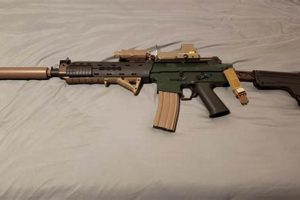
The narrative surrounding the evolution is inextricably linked to technological progression. Innovations in materials, power sources, and design have fundamentally altered the gameplay, realism, and accessibility of the activity. The early iterations relied on rudimentary spring mechanisms, limiting range, power, and rate of fire. The introduction of electric-powered replicas, known as Automatic Electric Guns (AEGs), marked a pivotal point, enabling higher rates of fire and greater reliability. This shift broadened appeal, attracting a larger player base and fueling the growth of competitive events.
Gas-powered systems, including those using compressed CO2 or green gas, further refined the realism, introducing recoil and more realistic operation to replicas. These advancements paralleled developments in real firearms technology, influencing the design and functionality of airsoft replicas. Specific examples include the miniaturization of gearboxes in AEGs, increasing their efficiency and durability, and the implementation of hop-up systems, which improve projectile range and accuracy by imparting backspin. The development of high-capacity magazines and sophisticated electronic control systems also enhanced the user experience and tactical options available to players.
Ultimately, technological evolution directly influenced popularity and competitive viability. Continuous innovation remains a defining aspect, driving both industry growth and the evolution of gameplay. The interplay between technology and usage patterns underscores the significance of ongoing research and development in shaping the future.
3. Global Expansion

The diffusion from its Japanese origins to a worldwide presence represents a significant chapter in the narrative. This proliferation reshaped the activity, diversifying play styles, expanding the market for equipment, and fostering international competitive events. It transformed a niche pastime into a globally recognized recreational and competitive pursuit.
- Early Adoption in East Asia
Following its emergence in Japan, neighboring East Asian countries, such as Taiwan and South Korea, became early adopters. These regions possessed similar cultural interests in military simulation and readily embraced the sport. Taiwanese manufacturers played a crucial role in producing airsoft guns and accessories, facilitating its spread beyond Japan. The presence of existing military simulation communities and a manufacturing base provided fertile ground for its initial expansion.
- Spread to Europe and North America
The introduction to Europe and North America marked a turning point, significantly expanding its reach. The activity resonated with military simulation enthusiasts, paintball players seeking a more realistic alternative, and recreational shooters. The relatively lenient firearm laws in some regions of North America further facilitated its growth. Organized fields and teams emerged, solidifying its presence as a recognized sport.
- Influence of Internet and Online Communities
The rise of the Internet and online forums played a critical role in fostering global communities. Online platforms enabled players from different countries to connect, share information, and organize events. Online retailers provided access to a wider range of equipment, further fueling global expansion. The Internet facilitated the exchange of knowledge and the development of standardized rules and practices.
- Adaptation to Local Cultures and Regulations
As it spread, the activity adapted to local cultures and legal regulations. Gameplay styles, equipment preferences, and safety rules varied across different regions. Some countries implemented restrictions on replica firearms, necessitating modifications to equipment or gameplay. The ability to adapt to local conditions was crucial for its sustained growth in diverse markets.
These factors highlight the multifaceted nature of the process, showcasing the interplay of cultural acceptance, technological dissemination, and online community building. The evolution from a localized activity to a global phenomenon underscores its adaptability and enduring appeal.
4. Competitive Scene
The emergence of organized competitive play represents a significant evolution, transforming it from a recreational pastime to a structured sport. This development influenced equipment standards, gameplay strategies, and the overall perception of the activity. The competitive arena provided a testing ground for technological innovations and tactical approaches, driving continuous improvement within the broader landscape. Organized tournaments and scenario-based events contributed to increased visibility and a growing player base. The transition to formalized competition is a direct consequence of its increasing popularity and the desire for structured, challenging gameplay.
Real-world examples of this evolution include the establishment of national and international airsoft leagues, each with its own set of rules and regulations. These leagues host tournaments that attract teams from across the globe, showcasing advanced skills and strategic coordination. Furthermore, the competitive segment spurred the development of specialized equipment, such as high-performance AEGs and precision ammunition, catering specifically to the demands of competitive play. The development of Military Simulation (MilSim) events, often lasting for extended periods and simulating real-world military scenarios, further illustrates the diversity within this competitive environment. These events require advanced teamwork, endurance, and tactical knowledge, pushing participants to their limits.
In summary, the competitive scene is not merely an offshoot; it’s an integral component. The development of organized play has shaped technological advancements, gameplay strategies, and the perception of this activity as a legitimate sport. Its influence can be seen in the standardization of rules, the development of specialized equipment, and the increasing number of participants drawn to the challenge of competitive play. The ongoing evolution of the competitive scene promises to further shape its future trajectory, continuing to drive innovation and push the boundaries of skill and strategy.
5. Safety Regulations

The implementation of safety protocols represents a critical and evolving aspect, directly influencing the trajectory. The historical progression reveals a gradual but necessary development of regulations in response to both technological advancements and the increasing popularity of the activity. Early iterations lacked standardized guidelines, leading to preventable injuries and prompting the need for formal safety measures.
- Eye Protection Mandates
The most fundamental safety regulation centers on mandatory eye protection. Instances of eye injuries resulting from projectile impacts underscored the necessity for protective eyewear. Early on, makeshift solutions were often employed, which proved inadequate. The eventual adoption of ANSI-rated goggles and masks significantly reduced the incidence of eye-related injuries. This evolution demonstrates a direct correlation between identified risks and the implementation of specific protective measures.
- Velocity Limits and Joule Restrictions
To mitigate the risk of injury, velocity limits and joule restrictions were implemented, typically measured in feet per second (FPS) or joules. These restrictions aim to limit the energy of projectiles upon impact. The specific limits vary depending on the location and type of game being played, reflecting an adaptation to local conditions and perceived risk levels. Setting appropriate velocity limits and joule restrictions plays a crucial role in minimizing the potential for injury.
- Minimum Engagement Distances (MED)
Minimum engagement distances (MED) serve to prevent close-range injuries from high-powered replicas. These rules stipulate that players must maintain a certain distance before engaging in direct fire. The MED is often determined by the replica’s velocity and energy output. Enforcement of MED protocols necessitates responsible behavior and adherence to established guidelines. The implementation of MED rules acknowledges the potential for injury at close range and reinforces the importance of spatial awareness during gameplay.
- Replica Handling and Transportation Protocols
Safe handling and transportation protocols constitute a critical component. These protocols address the risks associated with accidental discharges and the potential for misidentification of replicas as real firearms. Many jurisdictions require that replicas be transported in cases or bags and that magazines be removed when not in use. Emphasizing responsible handling and secure transportation contributes to a positive public perception and minimizes the risk of misuse.
Collectively, these facets of safety regulations reflect an ongoing effort to mitigate risks and promote responsible participation. The evolution of these regulations, shaped by past incidents and evolving technologies, demonstrates a commitment to player safety and the long-term sustainability of this recreational activity. Continuous refinement of safety protocols remains essential for maintaining a safe and enjoyable environment for all participants.
Frequently Asked Questions Regarding Airsoft’s History
This section addresses common queries and clarifies prevalent misconceptions regarding the historical progression of this activity. The following questions and answers aim to provide clear and concise information about its development, technological advancements, and safety considerations.
Question 1: What was the primary impetus for the creation of airsoft?
Stringent firearm regulations in Japan served as the primary catalyst. The activity provided a safe and legal alternative for firearm enthusiasts and law enforcement seeking realistic training tools.
Question 2: What marked the most significant technological advancement?
The introduction of Automatic Electric Guns (AEGs) represented a pivotal development. AEGs offered increased rates of fire, enhanced reliability, and broadened appeal, thereby contributing to a larger player base and the growth of competitive play.
Question 3: How did the internet affect the global expansion of this activity?
The internet facilitated global connectivity, allowing players from diverse geographical locations to connect, share information, and organize events. Online retailers expanded access to equipment, further fueling the worldwide expansion.
Question 4: What are some of the specific elements shaped by competitive environment?
The competitive scene influenced equipment standards, tactical strategies, and overall perception of the activity. Tournaments and scenario-based events fostered technological advancements and specialized equipment development.
Question 5: Why is the safety of player important?
Mandatory eye protection, velocity limits, minimum engagement distances, and responsible replica handling protocols were created and implemented to reduce the incidence of injuries and encourage safe participation.
Question 6: Has airsoft evolved by time?
The sport has undergone continuous changes, from technological innovation to the standardization of rules, which improved equipment, gameplay, and promoted the activity.
In summary, its story showcases continuous adaptation and development, and that makes it a legitimate sport that provides a safe and enjoyable activity for its players.
The subsequent section will analyze factors influencing current participation rates and demographics.
“History of Airsoft”
The preceding exploration has charted the trajectory of this recreational activity, beginning with its origins in Japan as a response to firearm restrictions, tracing its technological evolution through spring-powered, electric, and gas-powered replicas, detailing its global expansion facilitated by the internet, and examining the formalization of competitive play and the crucial development of safety regulations. These elements collectively define the evolution from a niche pastime to a globally recognized activity.
Comprehension of its historical progression enables informed participation and responsible engagement. Further research and ongoing adherence to safety protocols are essential for ensuring the continued positive development and ethical conduct within the sport. The documented past provides a foundation for informed decisions and responsible stewardship of its future.