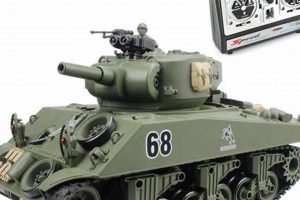
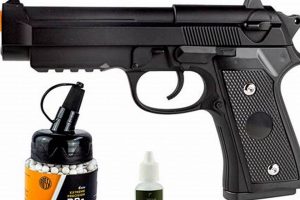
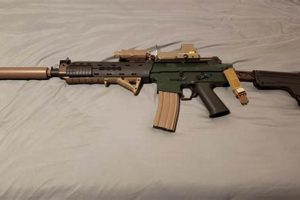
Electric Blowback recreational guns, often shortened to EBB, represent a category of simulated firearms that use an electric motor to cycle the action, creating a realistic recoil sensation. This mechanism mimics the operation of real firearms by moving the bolt or slide back and forth during firing. A typical example involves a replica pistol where the slide recoils with each shot, offering a more immersive experience compared to standard electric models.
The importance of this system lies in its capacity to bridge the gap between purely functional training tools and engaging recreational devices. The simulated recoil enhances realism, making it valuable for training scenarios where replicating the feel of a real firearm is desirable. Historically, these systems emerged as a response to the demand for more realistic simulation experiences within the recreational shooting market. Their benefit is found in delivering enhanced engagement and enjoyment, promoting a deeper understanding of firearm mechanics in a controlled environment.
Understanding the operation and advantages of Electric Blowback systems is crucial before delving into specific models, maintenance procedures, or customization options. The following sections will explore these aspects in detail, providing a comprehensive overview of the technology and its practical applications.
Electric Blowback System Optimization
The following tips are designed to maximize performance and longevity for electric blowback replicas. Adhering to these guidelines can improve the user experience and prevent potential malfunctions.
Tip 1: Battery Selection. Utilize batteries specifically designed for airsoft replicas. Verify the voltage and current rating are compatible with the model to prevent motor or electrical component damage. Overpowered batteries can cause premature wear or immediate failure.
Tip 2: Lubrication. Regularly lubricate the moving parts of the blowback mechanism with silicone-based oil or grease. Friction increases wear and reduces efficiency. Proper lubrication ensures smooth operation and extends component life.
Tip 3: Cleaning. Maintain a clean internal mechanism. Debris accumulation can impede movement and cause jamming. Disassemble and clean the unit periodically using appropriate tools and solvents.
Tip 4: Avoid Overloading. Do not continuously fire in full-automatic mode for extended periods. Overheating can damage the motor and other internal components. Allow the system to cool down periodically during prolonged use.
Tip 5: Magazine Maintenance. Ensure magazines are clean and free of debris. Malfunctioning magazines are a common cause of feeding issues. Clean and lubricate magazine internals as needed.
Tip 6: Storage. When not in use, store the replica in a cool, dry place away from direct sunlight. Extreme temperatures can damage batteries and warp plastic components.
Tip 7: Professional Servicing. For complex repairs or modifications, consult a qualified airsoft technician. Attempting repairs without proper knowledge can cause further damage or render the replica unusable.
These guidelines, if consistently followed, can significantly improve the reliability and lifespan of electric blowback recreational arms. Implementing these practices ensures optimal performance and reduces the likelihood of malfunctions.
Adhering to these best practices lays the foundation for a more in-depth exploration of advanced troubleshooting and customization techniques, which will be addressed in subsequent sections.
1. Recoil Simulation

Recoil simulation constitutes a core element of electric blowback systems. The operational principle involves the use of an electric motor to drive a piston or slide, mimicking the rearward movement experienced with actual firearms. The effectiveness of this simulation directly impacts the user’s perception of realism. A weak or inconsistent impulse detracts from the experience, whereas a more substantial and reliable blowback mechanism enhances it. The design and power of the motor, alongside the weight and travel distance of the reciprocating parts, determine the degree of perceived recoil. For example, models equipped with high-torque motors and metal slides typically produce a more convincing recoil effect than those with weaker motors and plastic components.
The importance of recoil simulation extends beyond mere entertainment. For training purposes, a realistic recoil aids in developing proper shooting techniques, such as recoil management and target re-acquisition. Furthermore, the simulated feedback can improve muscle memory, potentially translating to better performance in real-world scenarios (albeit with appropriate training and understanding of the differences). The effect also adds to the immersive quality of simulated battles, giving users a more engaging experience.
Ultimately, the quality of recoil simulation in recreational models is a key differentiator. Manufacturers continuously refine motor technology and mechanical designs to deliver a more authentic experience. While the simulation will never perfectly replicate live firearms, advancements in electric blowback systems continue to narrow the gap, providing users with a valuable training tool and an immersive recreational activity. Continuous refinement and improvement remain a priority within the industry, driving innovation in motor technology and component design to achieve ever more realistic recoil effects.
2. Battery Power
Battery power serves as the fundamental energy source for electric blowback recreational arms. The operational capabilities of these systems, including the strength and rate of the simulated recoil, are directly contingent upon the battery’s voltage, current discharge rate, and overall capacity. Insufficient battery power translates to sluggish operation, weak recoil, and a diminished overall user experience. Conversely, selecting a battery with excessive voltage can damage the replica’s internal components, specifically the motor and wiring, leading to premature failure. Real-world examples include models equipped with 7.4V lithium polymer batteries, which provide a balance of performance and safety for standard setups, while more advanced configurations may utilize 11.1V batteries to achieve a higher rate of fire and a more pronounced recoil impulse, requiring corresponding internal upgrades to handle the increased stress.
The selection of appropriate battery technology extends beyond simple voltage considerations. The current discharge rate, measured in “C” rating, dictates the battery’s ability to deliver sustained power under load. Electric blowback systems, due to their dynamic operation involving rapid motor cycling, require batteries with a sufficient discharge rate to prevent voltage sag and ensure consistent performance. For instance, a battery with a low C rating may exhibit significant voltage drop during firing, resulting in a noticeable decrease in the rate of fire and recoil strength. Furthermore, the battery’s capacity, measured in milliampere-hours (mAh), determines the operational duration between charges. A higher capacity battery allows for extended gameplay, reducing the frequency of battery swaps and enhancing the overall user experience.
In summary, a comprehensive understanding of battery power characteristics is crucial for optimizing the performance and longevity of electric blowback systems. Proper battery selection, considering voltage compatibility, discharge rate requirements, and capacity needs, is essential for achieving reliable operation and maximizing the user’s satisfaction. A failure to adequately address these considerations can lead to suboptimal performance, component damage, or even complete system failure. Furthermore, safe handling and storage practices are paramount to prevent battery-related hazards, such as thermal runaway or explosions, highlighting the importance of responsible battery management within the recreational shooting hobby.
3. Gearbox Mechanism

The gearbox mechanism constitutes a critical component within electric blowback (EBB) recreational guns. Its function is to convert the electrical energy from the battery into mechanical motion, specifically the cycling of the piston and the simulated blowback action. The gearbox is, in essence, the engine of the EBB system. A malfunction or inefficiency within the gearbox directly affects the replica’s performance, reliability, and the realism of the simulated firing experience. For example, if the gears within the gearbox are worn or improperly lubricated, the rate of fire may decrease, and the blowback action may become sluggish or fail altogether.
The design and construction of the gearbox significantly influence the overall performance characteristics. Gearboxes typically house a series of gears, a piston, a spring, and a motor. The ratio of the gears determines the rate of fire and the torque applied to the piston. Stronger springs and more robust motors allow for higher muzzle velocities and a more forceful blowback action. Upgrading the gearbox components, such as installing reinforced gears or a more powerful motor, is a common modification to enhance the performance and durability of EBB replicas. The complexity of the gearbox design, including factors such as the materials used and the precision of manufacturing, directly impacts the system’s longevity and resistance to wear and tear under the stresses of repeated operation.
In summary, the gearbox mechanism is inextricably linked to the functionality of electric blowback systems. Its efficiency and durability are paramount for achieving reliable performance and a realistic simulated firing experience. An understanding of gearbox mechanics is essential for troubleshooting performance issues, performing maintenance, and implementing upgrades to enhance the capabilities of EBB recreational guns. The integrity and design of this component directly affect the usability, realism, and lifespan of these systems.
4. Realism Enhancement

Realism enhancement is a central tenet of electric blowback (EBB) recreational arms design. The inclusion of a blowback mechanism directly contributes to a more authentic simulated firing experience. The reciprocating motion of the slide or bolt mimics the operation of a real firearm, providing tactile and visual feedback to the user. This feedback loop is critical for immersion and training purposes. Without this feature, the recreational device provides a less engaging and less realistic simulation. For example, a standard electric recreational gun lacks the physical feedback of a firing weapon, whereas an EBB replica offers a degree of recoil and slide movement similar to its real counterpart.
The importance of realism enhancement extends beyond mere aesthetic appeal. For training simulations, a realistic experience can improve user engagement and retention of learned skills. The muscle memory developed through repetitive handling of a realistic replica can be valuable, although the limitations of simulation compared to live firearms training must be acknowledged. Moreover, the enhanced realism contributes to a more enjoyable and engaging recreational activity. Users are more likely to be immersed in the experience when the device more closely replicates the look, feel, and operation of a real firearm. Manufacturers actively seek to improve the realism of EBB systems through refinements in motor technology, gearbox design, and material selection.
Understanding the connection between realism enhancement and EBB systems is crucial for both manufacturers and end-users. Manufacturers must prioritize features that contribute to a more realistic experience to remain competitive in the market. Users, in turn, should consider the degree of realism offered by a particular EBB replica when making purchasing decisions. While absolute realism is unattainable, the continued pursuit of enhanced simulation capabilities will likely drive future innovations in EBB technology, potentially leading to even more immersive and effective training and recreational applications. The practical significance lies in acknowledging the positive impact of realistic simulation on user engagement and the potential benefits for skill development, while also maintaining a clear understanding of the limitations inherent in any simulation environment.
5. Maintenance Requirements

Maintenance requirements are inextricably linked to the operational lifespan and performance of electric blowback (EBB) recreational arms. Neglecting necessary maintenance procedures can lead to decreased performance, component failure, and a shortened operational lifespan for these systems. Regular upkeep ensures the reliable functioning of EBB replicas, maximizing their utility and user enjoyment.
- Lubrication of Moving Parts
The blowback mechanism, by its nature, involves numerous moving parts that generate friction. Regular lubrication with silicone-based oils or greases is essential to minimize wear and ensure smooth operation. Failure to lubricate adequately can lead to increased friction, causing components to bind or wear down prematurely. This is particularly relevant in areas such as the slide rails, piston head, and gearbox internals, where consistent movement is critical for proper functioning.
- Cleaning of Internal Components
Debris, dust, and residue from BBs can accumulate within the internal mechanisms of EBB airsoft replicas. This accumulation can impede movement, reduce efficiency, and even cause malfunctions. Regular cleaning, involving disassembly and careful removal of foreign matter, is essential for maintaining optimal performance. Neglecting this aspect of maintenance can result in decreased range, accuracy, and overall reliability.
- Battery Care and Maintenance
Batteries are a critical component of EBB systems, and their proper care is essential for longevity. This includes avoiding overcharging or deep discharging, storing batteries in a cool, dry place, and regularly inspecting them for damage or corrosion. Improper battery maintenance can lead to reduced capacity, decreased performance, and even potential safety hazards. The type of battery (e.g., NiMH, LiPo) dictates specific care requirements that must be adhered to.
- Inspection of Mechanical Components
Regularly inspecting mechanical components, such as gears, pistons, and springs, is crucial for identifying signs of wear or damage. Early detection of these issues allows for timely replacement or repair, preventing more significant and costly problems. For example, worn gears can cause slippage and reduced rate of fire, while a cracked piston can lead to complete system failure. Proactive inspection helps ensure the continued reliable operation of EBB recreational arms.
The maintenance requirements outlined above underscore the importance of a proactive approach to the care of EBB systems. Consistent adherence to these guidelines ensures optimal performance, extends the lifespan of the replica, and minimizes the risk of unexpected malfunctions. A well-maintained EBB replica delivers a more reliable and enjoyable experience, maximizing its value as both a recreational tool and a training aid. The level of care directly reflects the operational lifespan and user satisfaction derived from these devices.
Frequently Asked Questions
The following section addresses common inquiries regarding electric blowback recreational arms, providing concise and informative answers to enhance understanding of their functionality and maintenance.
Question 1: What differentiates electric blowback systems from standard electric recreational guns?
Electric blowback systems incorporate a mechanism that simulates the recoil action of a real firearm, enhancing realism. Standard electric recreational guns lack this feature, resulting in a static firing experience.
Question 2: What type of battery is optimal for electric blowback replica?
The optimal battery depends on the specific model. However, lithium polymer batteries with appropriate voltage and discharge rate are generally recommended for their performance and energy density. Consult the manufacturer’s specifications for compatibility.
Question 3: How often should the blowback mechanism be lubricated?
Lubrication frequency depends on usage. However, a general guideline is to lubricate the mechanism after every 5,000 rounds or monthly, whichever comes first. Use silicone-based lubricants specifically designed for replica.
Question 4: Can the blowback force be adjusted?
Adjustability varies between models. Some systems offer adjustable blowback force through mechanical modifications or electronic settings. However, many models have a fixed blowback strength.
Question 5: What are the common causes of malfunctions in electric blowback system?
Common causes include debris accumulation, inadequate lubrication, battery issues, and worn or damaged internal components. Regular maintenance and proper handling can mitigate these problems.
Question 6: Are electric blowback replica suitable for beginners?
Electric blowback replica can be suitable for beginners, provided they understand the basic operational principles and maintenance requirements. However, the added complexity of the blowback mechanism may require more attention compared to simpler models.
These FAQs provide a foundational understanding of electric blowback technology. Further research and consultation with experienced users or technicians are recommended for more specific inquiries or advanced troubleshooting.
The subsequent sections will delve into advanced troubleshooting techniques and customization options for electric blowback systems, building upon the knowledge presented in this FAQ section.
Electric Blowback Systems
This exploration has illuminated various aspects of electric blowback mechanisms. From their operational principles and maintenance requirements to their role in realism enhancement, the intricacies of these systems are considerable. Battery selection, gearbox functionality, and routine upkeep all critically influence the performance and longevity of recreational devices utilizing this technology. The information presented underscores the importance of informed decision-making when selecting, operating, and maintaining these systems.
The continued development and refinement of electric blowback systems suggests a sustained interest in enhanced realism within the recreational shooting market. Future advancements may focus on improved energy efficiency, more durable components, and more sophisticated recoil simulation. A thorough understanding of existing technologies and evolving trends is crucial for both enthusiasts and manufacturers seeking to maximize the potential of these systems.