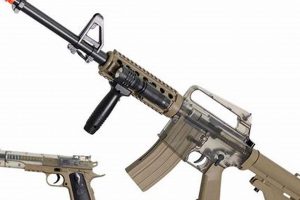
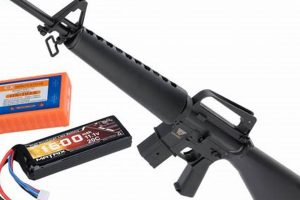
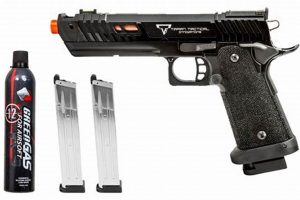
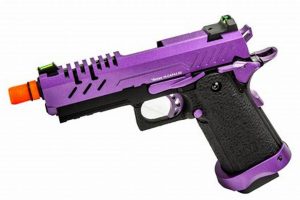
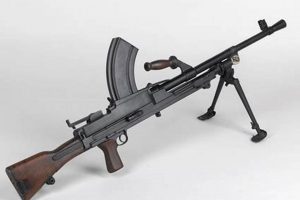
The transportation of realistic replica firearms aboard commercial aircraft is subject to stringent regulations. Airsoft devices, while designed to discharge non-lethal projectiles, are often visually similar to real firearms, necessitating specific handling and declaration protocols during air travel.
These rules exist primarily to maintain passenger safety and prevent security breaches. The presence of items resembling actual weapons can cause alarm, disrupt operations, and potentially lead to dangerous situations. Over time, regulations have evolved in response to security threats and incidents involving such items, leading to increasingly strict guidelines.
Therefore, it is essential to understand the specific requirements established by both the Transportation Security Administration (TSA) and individual airlines concerning the carriage of airsoft devices, including proper packaging, declaration procedures, and allowable locations (checked baggage versus carry-on).
Guidance on Transporting Airsoft Devices via Air Travel
The following provides actionable guidance to ensure compliance with regulations when transporting airsoft devices by air.
Tip 1: Declare the Device: Always declare the airsoft device to the airline representative during check-in. Transparency reduces the likelihood of misunderstandings or delays.
Tip 2: Utilize Checked Baggage: Airsoft devices are generally prohibited in carry-on baggage. Transport the item in checked baggage to comply with security protocols.
Tip 3: Employ Proper Packaging: Secure the airsoft device in a hard-sided case. This protects the item from damage and minimizes the risk of accidental discharge.
Tip 4: Empty Magazines and Batteries: Remove magazines and batteries from the airsoft device prior to packing. This prevents unintentional operation and potential hazards.
Tip 5: Follow Airline-Specific Policies: Each airline may have unique requirements for transporting replica firearms. Consult the specific airline’s website or customer service department for detailed instructions.
Tip 6: Review TSA Guidelines: Consult the Transportation Security Administration’s website for the most current regulations regarding the transport of realistic replica firearms. Regulations may change and preparedness is key.
Tip 7: Document and Retain Information: Maintain records of airline communications, TSA guidelines, and packaging details. This documentation can prove useful in case of discrepancies during travel.
Adherence to these recommendations promotes a smooth and compliant air travel experience when transporting airsoft equipment. Failure to follow these guidelines can lead to confiscation, delays, or potential legal ramifications.
Consider these factors when planning travel with any item that resembles a firearm to avoid unforeseen challenges.
1. Airline regulations differ

The core issue when addressing whether airsoft devices are permissible on aircraft stems from the variability in airline policies. While a general framework exists through the Transportation Security Administration (TSA), individual airlines possess the autonomy to implement stricter or more specific guidelines. This discrepancy directly influences whether one is able to transport such devices, creating a landscape where compliance hinges on knowing the specific rules of the operating carrier. For example, an airline might mandate a specific type of hard-sided case that exceeds TSA requirements, or it could restrict transport to specific destinations, regardless of TSA approval. Ignorance of these variations often leads to confiscation of the item, travel delays, and potential legal issues.
The practical significance of understanding that airline regulations differ cannot be overstated. Passengers should not assume universal acceptance of airsoft devices based solely on TSA guidelines. Before arriving at the airport, contacting the airline directly, either through their website or customer service, is essential. This verification should include confirming approved packaging methods, declaration procedures, and any destination-specific restrictions. Furthermore, retaining documentation of the airline’s communicated policies can serve as evidence of due diligence in case of disputes during the security screening process.
In conclusion, the ability to transport airsoft devices hinges not only on adhering to federal regulations but also on navigating the nuanced policies of individual airlines. This necessitates proactive research and confirmation, highlighting the critical role of passenger responsibility in ensuring compliance and minimizing travel-related complications. Failure to acknowledge and address these differing regulations transforms a seemingly straightforward transport into a potentially problematic situation.
2. TSA guidelines paramount
The Transportation Security Administration (TSA) establishes fundamental requirements regarding the transportation of realistic replica firearms on commercial aircraft, directly influencing whether an airsoft device is permissible. These guidelines serve as a baseline; adherence is necessary, though not always sufficient, for compliant transport. The TSA’s primary concern is safety and security within the aviation system. Their regulations dictate specific packaging, declaration, and transportation protocols for items that could be perceived as threats. Non-compliance invariably results in confiscation of the item and potential civil penalties.
For instance, TSA regulations mandate that airsoft devices must be transported in checked baggage, unloaded, and encased within a hard-sided container. This directly affects the manner in which a traveler must prepare the item for transit. Failure to meet any of these specific requirements will lead to rejection of the item during the security screening process. Moreover, while the TSA permits the transport of these devices under specific conditions, individual airlines can impose stricter regulations. Therefore, meeting TSA guidelines is a necessary, but not definitive, condition for successful transport.
In summary, understanding and adhering to TSA guidelines is paramount when considering the transport of airsoft devices on aircraft. While individual airlines may impose additional restrictions, compliance with TSA regulations establishes the foundational basis for permissible transport. Travelers must ensure thorough understanding and meticulous execution of these guidelines to mitigate risks and facilitate compliant air travel with such items.
3. Declared, unloaded devices
The permissibility of transporting airsoft devices on commercial aircraft is contingent upon adherence to specific protocols, principally involving declaration and the unloaded status of the device. The act of declaring an airsoft device to airline personnel serves as a critical first step in ensuring compliance with transportation regulations. This declaration informs the airline of the item’s presence, allowing them to apply appropriate security measures and verify adherence to their policies. Failure to declare can result in confiscation, fines, or even legal repercussions, as it raises suspicion and implies an attempt to circumvent security protocols. The requirement for the device to be unloaded underscores the focus on safety, mitigating the risk of accidental discharge during transit, which could potentially cause injury or alarm.
A real-world example illustrates this point: consider a traveler who, unaware of the regulations, packs an airsoft device in checked baggage without declaring it. Upon discovery during screening, the airline may deem this a security risk, leading to the item’s confiscation and potentially delaying the traveler’s journey. Conversely, a traveler who declares the airsoft device, ensures it is unloaded, and properly packaged, is more likely to have a smooth and compliant travel experience. The practical significance of this understanding lies in its ability to prevent disruptions, ensure adherence to legal requirements, and maintain a safe environment for all passengers. Furthermore, proper handling demonstrates responsible ownership and respect for aviation security protocols.
In summary, the link between declared, unloaded devices and the ability to transport them on a plane is direct and significant. Declaration and ensuring the device is unloaded are not merely suggested practices but essential components of compliance with transportation regulations. Adhering to these protocols minimizes risk, promotes safety, and facilitates a more seamless travel experience. Travelers must prioritize these steps to avoid negative consequences and uphold their responsibility in maintaining aviation security.
4. Checked Baggage Only

The transportation of airsoft devices via commercial air travel is significantly governed by the “checked baggage only” stipulation. This requirement dictates that such devices, due to their resemblance to actual firearms, are generally prohibited from carry-on baggage and must be transported within the aircraft’s cargo hold. This restriction is central to aviation security protocols and impacts the process by which these items can be legally transported.
- Enhanced Security Screening
Items within checked baggage undergo thorough screening procedures that are often more extensive than those applied to carry-on items. Airsoft devices transported in checked baggage are subject to these screenings, allowing security personnel to identify and inspect them in a controlled environment. This enhanced scrutiny minimizes the risk of undisclosed or improperly handled devices entering the passenger cabin, thereby promoting overall flight safety.
- Risk Mitigation of In-Flight Alarms
The “checked baggage only” rule mitigates the risk of an airsoft device causing alarm or triggering a security incident within the confined space of an aircraft cabin. Should a passenger attempt to access or brandish such a device during flight, it could lead to panic and potentially jeopardize the safety of all onboard. By mandating transport in the cargo hold, this risk is substantially reduced, isolating the device from passenger access.
- Compliance with International Regulations
Many international aviation regulations align with the principle that realistic replica firearms, including airsoft devices, should be transported as checked baggage. This consistency across jurisdictions aids in simplifying compliance for travelers undertaking international flights. Adhering to the “checked baggage only” rule helps ensure that passengers are less likely to encounter legal or logistical issues related to airsoft device transportation when crossing international borders.
- Facilitation of Declaration and Inspection
The requirement to transport airsoft devices as checked baggage facilitates the declaration and inspection process. When checking baggage, passengers are afforded the opportunity to declare the presence of such devices to airline personnel. This declaration triggers specific handling protocols and allows security staff to conduct thorough inspections to verify compliance with all applicable regulations. This process is more streamlined and controlled compared to attempting to carry a similar item onto the plane, enabling better safety oversight.
The “checked baggage only” mandate is a cornerstone of the regulatory framework governing the transport of airsoft devices on commercial flights. By addressing security concerns, mitigating in-flight risks, aligning with international practices, and enabling structured declaration and inspection, this stipulation significantly contributes to the safety and compliance of air travel involving realistic replica firearms. The understanding and adherence to this rule are paramount for any traveler intending to transport an airsoft device by air.
5. Hard Cases Required

The requirement for hard-sided cases when transporting airsoft devices via commercial aviation directly impacts the feasibility of bringing these items aboard a plane. This regulation, mandated by both the Transportation Security Administration (TSA) and individual airlines, is not merely a suggestion, but a mandatory safety measure designed to mitigate risks associated with replica firearms.
- Protection Against Accidental Discharge
A primary function of a hard-sided case is to prevent accidental activation or discharge of the airsoft device during transit. The robust construction of these cases safeguards against external pressure or impact that could inadvertently trigger the firing mechanism. This is particularly crucial given the handling and potential jostling that checked baggage undergoes. Failure to utilize a hard case elevates the risk of unintentional discharge, potentially causing damage or injury to baggage handlers or equipment.
- Prevention of Damage and Tampering
Hard cases provide a secure barrier against damage during the rigors of air travel. The internal components of airsoft devices, including delicate mechanisms and accessories, can be vulnerable to breakage if improperly protected. Furthermore, these cases deter tampering, ensuring that the device remains in its intended state until it reaches its destination. A flimsy or easily penetrable container offers inadequate protection against these risks, increasing the likelihood of complications during transit.
- Visual Deterrent and Compliance Indicator
The use of a hard case serves as a visual indicator to security personnel that the transported item is being handled responsibly and in accordance with regulations. The presence of such a case signals that the owner has taken precautions to ensure safe and compliant transport. Conversely, the absence of a hard case may raise suspicion, potentially leading to more intensive screening or even denial of transport. The visual aspect of compliance simplifies the identification and verification process for security personnel.
- Legal and Regulatory Mandates
The requirement for hard-sided cases is often explicitly outlined in TSA guidelines and airline policies. These regulations carry legal weight, and non-compliance can result in penalties, including confiscation of the airsoft device, fines, or even legal action. Adhering to this requirement demonstrates a commitment to lawful transport and reduces the risk of encountering legal ramifications during travel. Therefore, understanding and fulfilling this mandate is essential for anyone transporting an airsoft device by air.
In summation, the “hard cases required” stipulation is not merely a matter of convenience, but a critical element in determining whether airsoft devices are permissible on an aircraft. Its multifaceted role in preventing accidents, protecting the device, signaling compliance, and satisfying legal mandates underscores its importance in ensuring safe and lawful air travel. Without adherence to this requirement, the prospect of transporting an airsoft device on a plane is significantly diminished, potentially leading to considerable inconvenience and legal repercussions.
6. Battery removal critical

The necessity of removing batteries from airsoft devices before air travel is a critical factor determining whether one can transport such items aboard an aircraft. This precaution is not merely a suggestion but a fundamental safety requirement mandated by both aviation authorities and individual airlines, intended to mitigate potential hazards associated with lithium batteries and unintended device activation.
- Mitigation of Fire Risks
Lithium batteries, commonly used in airsoft devices, pose a fire risk due to their potential for thermal runaway, especially when subjected to physical stress or short circuits. Removing the battery reduces the likelihood of such incidents during transit. For example, a battery damaged during baggage handling could overheat and ignite, creating a significant hazard within the cargo hold. Airlines often explicitly prohibit the transport of loose lithium batteries for this reason. The removal of the battery eliminates this ignition source, contributing to overall flight safety.
- Prevention of Accidental Activation
An airsoft device with a battery installed can be inadvertently activated during transit, potentially causing damage, alarm, or even injury. The jostling and handling of checked baggage can trigger the firing mechanism, especially in devices with sensitive triggers. Removing the battery ensures that the device remains inoperable throughout the journey, preventing any unintended discharge. This precaution is particularly important for devices with electronic firing systems, which can be easily activated by minor electrical disturbances.
- Compliance with Regulatory Standards
Aviation regulations, including those set by the International Air Transport Association (IATA), specify requirements for the transport of lithium batteries, often necessitating their removal from devices when possible. These regulations are designed to minimize the risks associated with battery-related incidents. Compliance with these standards is not optional; failure to adhere can result in confiscation of the airsoft device, fines, or even legal penalties. Removing the battery demonstrates a proactive approach to safety and compliance, increasing the likelihood of a smooth and compliant air travel experience.
- Facilitation of Security Inspection
Removing the battery simplifies the security inspection process. Security personnel can more easily examine the airsoft device without the concern of accidental activation or the need to handle a potentially energized item. A device with the battery removed presents a clearer picture during X-ray screening, allowing inspectors to more readily identify any prohibited components or modifications. This transparency streamlines the inspection process, minimizing delays and enhancing overall security.
In conclusion, “battery removal critical” is inextricably linked to the question of transporting airsoft devices on a plane. By mitigating fire risks, preventing accidental activation, ensuring regulatory compliance, and facilitating security inspection, this simple act significantly enhances the safety and security of air travel. Passengers intending to transport airsoft devices must prioritize battery removal to comply with regulations and promote a safe travel environment for all.
7. Potential legal ramifications
The transport of airsoft devices on commercial aircraft is governed by a complex interplay of federal, state, and local regulations. Non-compliance with these regulations can lead to significant legal repercussions, directly impacting the ability to transport the item and potentially resulting in criminal charges. A central tenet of lawful transport is adherence to the guidelines set forth by the Transportation Security Administration (TSA) and the specific policies of individual airlines. Violations may manifest in several forms, including but not limited to, failure to declare the item, improper packaging, or attempting to carry the device in prohibited areas such as the passenger cabin. The potential consequences range from civil penalties, such as fines and confiscation of the airsoft device, to more severe criminal charges if the violation is deemed intentional or poses a significant security risk. For instance, misrepresenting an airsoft device as a toy to circumvent security procedures could be construed as a deliberate attempt to deceive authorities, escalating the severity of the legal response.
Real-world examples highlight the potential for legal ramifications. In several documented cases, individuals have faced charges for attempting to bring undeclared airsoft devices, or components thereof, onto aircraft. These cases often involve scrutiny of the individual’s intent, with prosecutors examining whether the actions suggest a disregard for aviation security protocols or an attempt to cause alarm. Furthermore, state and local laws regarding imitation firearms can add another layer of complexity. Some jurisdictions have strict regulations concerning the display, possession, and transport of items resembling real firearms. Consequently, even if the airsoft device complies with federal and airline regulations, it may still be subject to seizure and potential legal action based on state or local ordinances at the point of origin or destination. The practical significance of this understanding cannot be overstated; travelers must conduct thorough research of all applicable regulations, encompassing federal, state, and local levels, prior to attempting to transport airsoft devices by air.
In summary, the successful transport of airsoft devices on commercial aircraft necessitates a comprehensive understanding of the potential legal ramifications associated with non-compliance. This understanding encompasses not only federal guidelines but also state and local laws pertaining to imitation firearms. Failure to adhere meticulously to these regulations can result in a range of consequences, from civil penalties to criminal charges, underscoring the critical importance of due diligence and responsible conduct. Travelers are strongly advised to consult legal counsel if uncertainty exists regarding the legality of transporting a specific airsoft device to a particular location, thereby mitigating the risk of unforeseen legal complications.
Frequently Asked Questions
The following provides answers to commonly asked questions regarding the transport of airsoft devices on commercial aircraft, addressing potential concerns and clarifying regulatory requirements.
Question 1: Are airsoft devices permitted in carry-on baggage?
Airsoft devices are generally prohibited in carry-on baggage due to their resemblance to real firearms. These items must be transported in checked baggage to comply with security protocols.
Question 2: Must an airsoft device be declared to the airline?
Declaration of the airsoft device to the airline representative during check-in is mandatory. Transparency reduces the likelihood of misunderstandings or delays.
Question 3: What type of case is required for transporting an airsoft device?
A hard-sided case is required to protect the airsoft device from damage and minimize the risk of accidental discharge during transit.
Question 4: Should batteries be removed from the airsoft device before transport?
Removal of batteries from the airsoft device is essential. This prevents unintentional operation and reduces the potential for battery-related hazards.
Question 5: Do individual airlines have specific policies regarding airsoft devices?
Individual airlines may have unique requirements for transporting replica firearms. Passengers must consult the specific airline’s website or customer service department for detailed instructions.
Question 6: What are the potential consequences of non-compliance?
Failure to comply with regulations can result in confiscation of the airsoft device, travel delays, fines, or potential legal ramifications.
Adherence to these guidelines promotes a smooth and compliant air travel experience. It is imperative to proactively verify current regulations prior to travel.
Consult relevant authorities and airline policies for the most up-to-date information.
Concluding Remarks
The preceding exploration of “can you carry airsoft guns on a plane” has underscored the complexities and strict regulations governing the transport of such devices via commercial aviation. Key points emphasized include the necessity of declaring the device, transporting it in checked baggage within a hard-sided case, removing batteries, and adhering to both TSA guidelines and individual airline policies. Failure to comply with any of these regulations can result in significant repercussions.
Given the potential for legal and security-related challenges, individuals considering air travel with airsoft devices are strongly advised to conduct thorough research, seek clarification from relevant authorities, and prioritize adherence to all applicable rules. Responsible transport practices are essential for ensuring safety and avoiding unnecessary complications. Continued vigilance and awareness within the air travel community remain crucial for maintaining a secure and compliant environment.