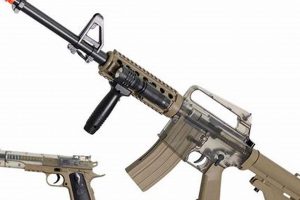
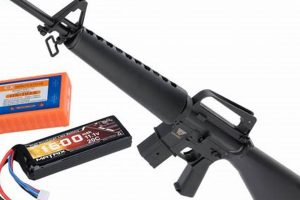
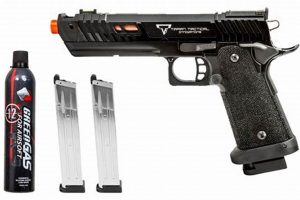
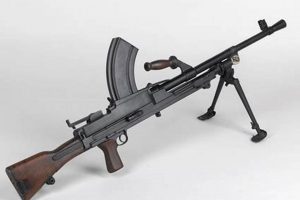
The transportation of replica firearms aboard commercial aircraft is governed by strict regulations enforced by transportation security agencies and airline policies. Airsoft devices, which closely resemble real firearms, fall under this scrutiny. These regulations are in place to ensure the safety and security of all passengers and crew members during air travel. Ignoring these guidelines can result in confiscation, fines, and potential legal ramifications.
The meticulous guidelines surrounding such items on airplanes stem from heightened security concerns and the potential for misinterpretation or misuse. Historically, incidents involving real firearms have prompted the creation and enforcement of these rules. Compliance prevents misunderstandings, protects the integrity of air travel protocols, and contributes to maintaining a safe environment for all individuals involved in air transportation.
The subsequent sections will detail the specific requirements for traveling with airsoft devices, covering packing procedures, declaration obligations, and the applicable legal frameworks. These guidelines are intended to provide clear instructions for ensuring safe and compliant transportation. Topics include checked baggage requirements, prohibited items, and consequences of non-compliance.
Guidance for Airsoft Device Air Travel
This section outlines crucial steps to ensure a smooth and compliant experience when transporting airsoft devices via commercial airlines.
Tip 1: Declare the Airsoft Device: Always declare the airsoft device to the airline representative at the check-in counter. This upfront disclosure is essential for compliance with regulations and avoids potential issues later in the process.
Tip 2: Pack in Checked Baggage: Airsoft devices are prohibited in carry-on baggage. Securely pack them in checked baggage, preferably in a hard-sided case to prevent damage during transit.
Tip 3: Empty Magazines and Batteries: Remove all magazines and batteries from the airsoft device before packing. Store these items separately within the checked baggage, following airline guidelines regarding battery transportation.
Tip 4: Utilize a Lockable Case: Employ a lockable case for the airsoft device. This measure enhances security and demonstrates responsible handling of the replica firearm.
Tip 5: Familiarize with Airline Policy: Thoroughly review the specific airline’s policy on transporting airsoft devices before traveling. Airline regulations can vary, and adherence to their individual guidelines is paramount.
Tip 6: Understand Destination Laws: Research and understand the laws regarding airsoft devices at the destination. Some locations may have restrictions or prohibitions on ownership or transportation of such items.
Tip 7: Retain Documentation: Keep any documentation related to the airsoft device, such as purchase receipts or manufacturer specifications, readily accessible. This documentation may be requested by security personnel.
Following these tips promotes responsible air travel with airsoft devices, minimizing the risk of delays, confiscation, or legal complications.
The concluding section will summarize the key aspects of transporting airsoft devices by air, reinforcing the importance of planning and compliance.
1. Airline Regulations

The query “can i take airsoft guns on airplane” is fundamentally answered by consulting airline regulations. These regulations, dictated by both the specific airline and overarching transportation security agencies, directly govern the permissibility of transporting airsoft devices. The regulations outline acceptable methods of carriage, required packaging, and declaration protocols. Failure to comply with these mandated procedures results in denial of transport for the device. For instance, most major airlines require airsoft devices to be unloaded, encased in a hard-sided container, and declared at the check-in counter.
Airline regulations serve as a direct control mechanism, mitigating the risk associated with replica firearms. They establish a standardized approach to handling these items, enabling security personnel to readily identify and manage them. Real-world examples abound where passengers attempting to bypass these rules have had their devices confiscated, faced fines, or even been subjected to legal action. The adherence to airline regulations serves as proof of passenger compliance to security expectations.
In summary, airline regulations are the cornerstone of determining whether transporting airsoft devices on a commercial flight is permissible. They serve as a critical component of aviation security, establishing guidelines designed to protect both passengers and crew. Thorough understanding and adherence to these rules is therefore paramount for anyone contemplating traveling with such devices.
2. Checked Baggage Only

The “Checked Baggage Only” stipulation forms a critical element in addressing the query regarding transporting airsoft devices on airplanes. This restriction directly prohibits these items from being carried onto the passenger cabin, thus relegating them to the cargo hold. This protocol is directly relevant to the original question.
- Security Protocols
The enforcement of “Checked Baggage Only” for airsoft devices is rooted in security protocols designed to prevent potential threats within the aircraft cabin. Allowing replica firearms in carry-on luggage introduces risks of misidentification, intimidation, or actual harm. By mandating placement in checked baggage, security personnel can better manage and monitor these items, limiting their accessibility during flight. This is a crucial safety measure. For example, TSA guidelines specifically prohibit realistic replicas in carry-ons.
- Risk Mitigation
The policy of “Checked Baggage Only” serves to mitigate the risk of confusion or panic among passengers. The presence of what appears to be a real firearm in the passenger cabin, even if it is a replica, can create fear and disorder. Removing this possibility through enforced baggage regulations creates a safer, more predictable environment. This is evident in training exercises that involve potential threats, where differentiation between real and replica firearms is prioritized but not guaranteed in live situations.
- Screening Efficiency
Placing airsoft devices within checked baggage streamlines the security screening process. Checked baggage undergoes thorough examination, allowing security personnel ample time and resources to assess the nature of the item. This contrasts with the more rapid screening of carry-on items, where detailed inspection is often constrained by time. The increased scrutiny associated with checked baggage reduces the likelihood of overlooking potential security concerns. Examples include advanced scanning technology being used on checked baggage to reveal interior contents.
- International Regulations
The “Checked Baggage Only” rule often aligns with international regulations governing the transport of replica firearms. While specific regulations may vary by country, the general principle of keeping such items out of the passenger cabin is widely observed. Adhering to this principle ensures compliance with international standards and avoids potential legal complications during international travel. For instance, traveling between countries requires researching both departure and arrival countrys laws.
In summary, the “Checked Baggage Only” requirement is a non-negotiable aspect in determining if and how airsoft devices can be transported on aircraft. The security benefits, risk mitigation, and alignment with international standards all underscore the necessity of this regulation.
3. Declaration Mandatory

The directive of “Declaration Mandatory” forms a crucial element in the determination of whether airsoft devices are permissible on an airplane. Its presence dictates that travelers must proactively inform airline personnel about the presence of such items in their baggage, triggering a series of established security protocols.
- Legal Compliance
The declaration requirement is often codified in both airline policy and transportation security regulations. Failure to declare constitutes a breach of these regulations, potentially resulting in legal penalties, including fines, confiscation of the device, and possible denial of boarding. Compliance serves as affirmation that the traveler acknowledges and intends to adhere to the applicable laws. For example, knowingly concealing an airsoft device can lead to more severe consequences than simply failing to declare it.
- Enhanced Security Screening
Declaration alerts security personnel to the presence of an item that necessitates closer scrutiny. This trigger initiates enhanced screening procedures, allowing for a more thorough examination of the airsoft device and associated baggage. This process enhances overall security by enabling the detection of any potential threat posed by the device or associated items. Undeclared items increase suspicion, requiring more manpower to solve it.
- Chain of Custody and Accountability
The declaration process establishes a clear chain of custody for the airsoft device from the passenger to the airline and back. This process aids in maintaining accountability for the item’s handling and storage. Should any issues arise during transit, the declaration record provides a reference point for tracing the item’s journey and identifying responsible parties. Airlines keep the declaration records to make sure every declared item is safe.
- Transparency and Good Faith
Declaring an airsoft device demonstrates transparency and good faith on the part of the traveler. It indicates a willingness to cooperate with security measures and a lack of intent to deceive or circumvent regulations. This transparency can positively influence interactions with security personnel and facilitate a smoother travel experience. Showing the personnel that a declaration has been made will make them feel safe and secure.
In conclusion, the “Declaration Mandatory” stipulation is integral in establishing the framework for permissible air travel with airsoft devices. It intertwines legal compliance, security enhancement, accountability, and transparent communication to ensure the safe and regulated transport of these items.
4. Proper Packaging

Proper packaging is intrinsically linked to the permissibility of transporting airsoft devices on airplanes. The manner in which the device is encased directly impacts its safety and the security of air travel. Airlines and transportation security agencies mandate specific packaging standards to minimize potential risks. Failure to adhere to these standards results in rejection of transport. For instance, a hard-sided case is often required to prevent damage and conceal the device from casual view, reducing the potential for alarm or misinterpretation. Improperly packaged items are often confiscated, even if declared.
The requirement for proper packaging stems from several key considerations. First, it serves as a deterrent against unauthorized access or tampering. A secure case prevents the device from being easily removed or modified during transit. Second, it offers protection against accidental damage. Airsoft devices can be fragile, and rough handling during baggage handling can render them inoperable or create safety hazards. The use of padding and secure closures mitigates these risks. Finally, proper packaging contributes to a professional and responsible image, demonstrating the traveler’s commitment to safety and compliance with regulations. Cases of devices damaged during shipment are a common example of why packaging matters.
In conclusion, proper packaging is not merely a suggestion but a fundamental prerequisite for transporting airsoft devices on airplanes. It serves as a multifaceted safeguard, protecting the device, ensuring passenger safety, and facilitating compliance with stringent regulations. Ignoring the guidelines on packaging significantly increases the likelihood of encountering difficulties during the check-in process and jeopardizes the ability to transport the airsoft device by air.
5. Destination Laws

Destination laws represent a critical, often overlooked, factor in determining the permissibility of transporting airsoft devices via air travel. Irrespective of originating location regulations, the laws of the intended destination ultimately govern the legality of possessing or importing such devices. Disregarding these destination-specific rules can result in confiscation, legal penalties, or even criminal charges, superseding adherence to originating location protocols.
- Legality of Possession
Certain jurisdictions outright prohibit the possession of airsoft devices, classifying them as imitation firearms subject to stringent controls. Importing an airsoft device into such a locale, even if legally transported from the point of origin, would constitute a violation of local law. Ignorance of these regulations does not absolve the traveler of responsibility. Examples include countries where all replica firearms are treated as actual firearms under the law. These regulations can be very specific.
- Import Restrictions and Permits
Many destinations impose import restrictions on airsoft devices, often requiring permits or licenses for legal entry. These requirements vary significantly based on the specific jurisdiction and the characteristics of the device. Failure to secure the necessary documentation prior to arrival may result in the device being seized and the traveler facing legal repercussions. Permit processes can be lengthy and require significant documentation.
- Age Restrictions
Destination laws frequently include age restrictions on the possession or use of airsoft devices. Transporting an airsoft device to a destination where the intended recipient is below the legal age constitutes a violation of local regulations. Enforcement of these age restrictions can involve confiscation of the device and legal action against the adult responsible for its transportation. These restrictions usually align with the regulations for legal gun ownership.
- Device Specifications
Some destinations regulate airsoft devices based on specific characteristics, such as muzzle velocity or appearance. Devices exceeding specified limits or resembling real firearms too closely may be deemed illegal, even if possessing other qualities that would otherwise allow for their entry. Thoroughly reviewing destination laws can clarify acceptable ranges for various specifications. It is crucial to confirm the validity of the information before traveling.
In conclusion, destination laws serve as the ultimate determinant of whether an airsoft device can be legally brought into a specific location. Travelers must actively research and comply with these regulations to avoid potential legal ramifications and ensure a seamless travel experience. Compliance with originating location regulations is insufficient; the rules of the destination take precedence. Therefore, proper research on rules of the destination country and its states is utmost important for anyone looking to travel with an airsoft device.
6. Battery Removal
The directive concerning battery removal from airsoft devices during air travel is directly connected to the overarching question of whether an individual can transport such devices on an airplane. Air travel regulations, shaped by safety considerations, often mandate the removal of batteries to mitigate risks associated with potential hazards. The presence of batteries can create fire hazards during transport due to short circuits or damage. Furthermore, the electrical components within airsoft devices could potentially interfere with aircraft systems, though this is a less common concern. Consequently, airlines frequently stipulate that batteries be removed from airsoft guns and either carried separately or packed according to specific hazardous materials regulations. For instance, lithium batteries, commonly used in airsoft devices, have faced increasing scrutiny from transportation authorities following incidents involving fires in cargo holds. The act of removing the battery also contributes to the device being rendered inoperable during transit, further mitigating risks.
The practical application of this regulation translates into a multi-step process for travelers. Prior to packing the airsoft device, the battery must be physically detached from the gun’s internal mechanism. The battery should then be stored in a manner that prevents short circuits, such as placing it in a protective pouch or taping over the terminals. Some airlines may require batteries to be carried in carry-on luggage, rather than checked baggage, to allow for closer monitoring. In cases where battery removal is not feasible due to the device’s design, the traveler must consult with the airline to determine alternative compliance measures. These measures may involve special packaging or restrictions on the device’s transport. A case study example would be that of a traveler stopped at security and fined for not removing batteries from their airsoft gun while attempting to get it through the terminal.
In summary, the connection between battery removal and the permissibility of transporting airsoft devices on airplanes is deeply rooted in safety and regulatory compliance. While battery removal adds complexity to the packing process, it is an essential step in adhering to air travel guidelines. Failure to comply with battery removal requirements can lead to confiscation of the device, fines, or even denial of transport. This highlights the importance of carefully reviewing and adhering to all applicable regulations prior to air travel with airsoft devices, linking back to our Keyword and its regulations, along with safe practices.
Frequently Asked Questions
The following questions and answers address common concerns regarding the transportation of airsoft devices on commercial airplanes. These responses are intended to provide clarity on applicable regulations and procedures.
Question 1: Must an airsoft device be declared to the airline before travel?
Declaration of the airsoft device to the airline representative during check-in is mandatory. This requirement ensures compliance with security protocols and allows airline personnel to implement appropriate handling procedures.
Question 2: Is it permissible to carry an airsoft device in carry-on baggage?
Airsoft devices are strictly prohibited in carry-on baggage. They must be securely packed within checked baggage due to security regulations.
Question 3: What packaging requirements apply to airsoft devices transported as checked baggage?
Airsoft devices should be packaged in a hard-sided case to prevent damage during transit and conceal the device from plain view. Additional internal padding is recommended to further protect the device.
Question 4: Is it necessary to remove batteries from airsoft devices before air travel?
Removal of batteries from airsoft devices prior to air travel is generally required. These batteries should be stored separately and according to airline guidelines, which may include specific limitations on battery types and quantities.
Question 5: Do destination laws regarding airsoft devices impact transportation rules?
Destination laws regarding the possession and importation of airsoft devices are paramount. Compliance with these laws is the traveler’s responsibility, and violations can result in legal penalties, irrespective of compliance with originating location regulations.
Question 6: What are the potential consequences of failing to declare an airsoft device to the airline?
Failure to declare an airsoft device can result in device confiscation, fines, denial of boarding, and potential legal action. Transparency and adherence to regulations are crucial for responsible air travel.
These FAQs highlight the importance of planning, compliance, and awareness of applicable regulations when transporting airsoft devices via air travel. Neglecting these factors can lead to significant complications and legal ramifications.
The following section will present a concluding summary of the key considerations and best practices for traveling with airsoft devices.
Conclusion
The preceding exploration of “can i take airsoft guns on airplane” underscores the complexity involved in transporting replica firearms via commercial aviation. Several factors, including airline regulations, destination laws, proper packaging, battery removal, mandatory declaration, and checked baggage requirements, collectively determine the permissibility of such transport. Adherence to these guidelines is not merely a suggestion but a legal obligation. Deviation from established protocols invites potential ramifications, ranging from device confiscation and monetary fines to more severe legal penalties. Responsible travelers bear the onus of diligent preparation and comprehensive understanding of all applicable regulations.
Given the stringent security environment governing air travel, proactive research and strict compliance with all outlined procedures are essential. Travelers are advised to consult directly with the airline and relevant transportation security agencies to ensure complete adherence to current regulations before commencing travel with airsoft devices. Neglecting to do so may result in undesirable consequences, undermining the intended travel plans and potentially incurring legal repercussions. The safeguarding of air travel requires a commitment to safety and responsible conduct from all participants.