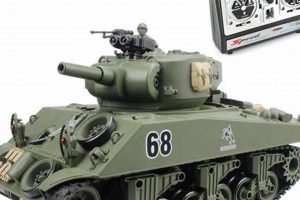
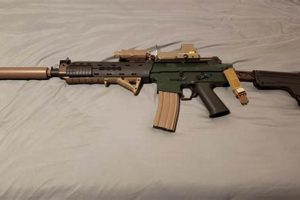
These devices, replicas of real firearms, project non-metallic projectiles, typically 6mm or 8mm BBs, propelled by compressed gas or a spring mechanism. Often used in simulated combat scenarios or target practice, they offer a recreational avenue that mimics aspects of tactical training.
The appeal lies in providing a relatively safe and accessible platform for individuals to engage in simulated combat, developing teamwork, strategic thinking, and target acquisition skills. Their historical context stems from a desire for realistic training tools without the inherent dangers of live ammunition. This has evolved into a popular hobby and competitive sport worldwide, fostering a community of enthusiasts.
The subsequent sections will delve into specific types, safety guidelines, maintenance procedures, and legal considerations associated with these recreational tools. Further exploration will cover competitive formats, equipment customization, and responsible usage within the broader context of the sport.
Guidance on Airsoft Equipment
This section presents crucial recommendations regarding the selection, maintenance, and utilization of airsoft devices. Adhering to these guidelines enhances user safety, prolongs equipment lifespan, and promotes responsible participation in the sport.
Tip 1: Prioritize Eye Protection: Full-seal goggles or masks are non-negotiable. Projectiles travel at considerable speeds and can cause severe eye injuries. Ensure the chosen eye protection meets ANSI Z87.1 standards or equivalent.
Tip 2: Understand Velocity Limits: Familiarize oneself with the field’s or organization’s velocity restrictions (measured in feet per second, FPS). Chronograph equipment before each event to ensure compliance. Exceeding limits poses a safety risk to all participants.
Tip 3: Implement Proper Storage: When not in use, airsoft devices should be stored unloaded, with the magazine removed, in a secure case or container, away from unauthorized access, especially children.
Tip 4: Regular Maintenance is Essential: After each use, clean the barrel with a cleaning rod and silicone oil to remove debris. Periodically inspect internal components for wear and tear, and lubricate moving parts according to the manufacturer’s recommendations.
Tip 5: Safe Handling Practices: Treat every airsoft device as if it were loaded. Keep the muzzle pointed in a safe direction at all times. Never point the device at anything one is not willing to shoot.
Tip 6: Select Appropriate Ammunition: Use only high-quality, seamless BBs of the correct weight for the specific airsoft device. Inferior or incorrect ammunition can damage internal components and affect accuracy.
Tip 7: Adhere to Field Rules: Before participating in any event or game, thoroughly understand and comply with all field rules, including engagement distances, MED (Minimum Engagement Distance), and prohibited zones.
Consistently applying these recommendations cultivates a safer and more enjoyable experience, minimizing potential risks and enhancing the longevity of the equipment.
The concluding section will summarize key insights and emphasize the importance of responsible airsoft participation.
1. Velocity Limitations

Velocity limitations are a critical safety parameter governing the use of airsoft devices. These limits, measured in feet per second (FPS) or meters per second (MPS), dictate the maximum speed at which a projectile can be expelled from the device. Strict adherence to these limitations is essential to minimize the risk of injury during airsoft activities.
- Field Safety Regulations
Airsoft fields and organized events universally enforce velocity limits to ensure participant safety. These regulations typically vary depending on the type of device and the designated role of the user. For instance, sniper rifles often have higher limits than automatic weapons, but are also subject to stricter engagement distance rules. Failure to comply with these regulations can result in expulsion from the event or field.
- Device Classification and Power Sources
Velocity limitations often correlate with the type of airsoft device and its power source. Gas-powered devices, electric-powered devices (AEGs), and spring-powered devices each have inherent capabilities and potential for exceeding safe velocity levels. Regulating these different types requires careful consideration of their mechanics and the potential for modification or power upgrades.
- Measuring and Enforcing Velocity
Chronographs are used to measure the velocity of projectiles fired from airsoft devices. These devices utilize optical or radar sensors to accurately determine the speed of the projectile. Before participating in an airsoft event, individuals are required to chronograph their devices to ensure they meet the field’s velocity limits. Enforcement typically involves random checks and disqualification for violations.
- Injury Prevention and Risk Mitigation
The primary purpose of velocity limitations is to prevent injuries. Projectiles traveling at excessive speeds can cause serious eye damage, skin lacerations, and other physical harm. By establishing and enforcing velocity limits, airsoft organizations aim to mitigate these risks and promote a safer environment for all participants. The specific limits are often determined based on research and testing to establish safe thresholds for impact energy.
In summary, velocity limitations are not merely arbitrary rules but rather essential safety protocols integral to responsible airsoft device usage. They directly impact the potential for injury and serve as a cornerstone of safe gameplay. Understanding and respecting these limitations is a fundamental responsibility for all participants in the airsoft community.
2. Protective Equipment

The operation of airsoft devices necessitates the mandatory use of appropriate protective equipment. These devices, while firing non-lethal projectiles, possess the capacity to inflict injury, particularly to vulnerable areas such as the eyes, face, and teeth. The direct impact of a projectile, even at regulated velocities, can result in corneal abrasions, contusions, or dental damage. Therefore, protective equipment serves as a primary safeguard against these potential injuries, mitigating risk and facilitating safe participation in airsoft activities. For example, ANSI Z87.1 rated goggles are universally recommended, providing impact resistance against direct projectile strikes. The absence of such protection introduces a significant and unacceptable risk to participants.
The selection of protective gear extends beyond merely covering vulnerable areas; it also encompasses ensuring proper fit, visibility, and comfort. Ill-fitting goggles can fog up, impairing vision and increasing the likelihood of accidents. Similarly, poorly designed face masks can restrict breathing or communication. Consequently, informed selection, prioritizing both protection and functionality, is crucial. Numerous instances document avoidable injuries directly attributable to inadequate or improperly fitted protective equipment, reinforcing the practical significance of this understanding. Furthermore, the material composition and construction of protective gear directly influence its effectiveness. Substandard materials may shatter or deform upon impact, failing to provide adequate protection.
In summary, protective equipment is an inseparable component of safe airsoft device usage. Its purpose extends beyond mere compliance with regulations; it represents a fundamental commitment to personal safety and the well-being of fellow participants. While airsoft devices themselves offer recreational opportunities, the responsible use of these devices invariably depends on the diligent application of appropriate protective measures. Failure to prioritize protective equipment introduces unacceptable risks, diminishing the potential benefits of the activity and underscoring the vital connection between the devices and safety provisions.
3. Safe Handling

Safe handling practices are paramount when dealing with airsoft devices. These replicas, while not lethal, are capable of causing injury if misused. Therefore, strict adherence to established protocols is essential for mitigating risk and fostering responsible participation in the sport.
- Treating Every Device as Loaded
This principle dictates that all airsoft devices, regardless of whether they are believed to be empty, should be handled with the same level of caution as a loaded firearm. This includes keeping the muzzle pointed in a safe direction, away from oneself and others. Failing to adhere to this rule has resulted in unintentional injuries, emphasizing its critical importance.
- Muzzle Awareness and Safe Direction
Maintaining constant awareness of the muzzle’s orientation is crucial. The muzzle should always be pointed in a direction where an accidental discharge would not cause harm. When not actively engaged in gameplay, the device should be pointed towards the ground or in a designated safe zone. This practice significantly reduces the likelihood of accidental injuries.
- Trigger Discipline
The trigger should only be engaged when the user intends to fire the airsoft device at a designated target. Keeping the finger off the trigger until ready to shoot prevents unintentional discharges. Neglecting trigger discipline is a common cause of accidental injuries and highlights the need for constant vigilance.
- Secure Storage and Transportation
When not in use, airsoft devices must be stored unloaded and in a secure location, inaccessible to unauthorized individuals, particularly children. During transportation, the device should be contained within a case or bag to prevent accidental discharge and to avoid alarming the public. Proper storage and transportation are vital for preventing accidents and maintaining responsible ownership.
These facets of safe handling collectively contribute to a culture of responsibility within the airsoft community. By consistently implementing these practices, participants can minimize the risk of injury and ensure that airsoft activities remain a safe and enjoyable recreational pursuit. Failure to prioritize safe handling not only endangers individuals but also undermines the reputation of the sport.
4. Maintenance Schedules

Regular maintenance schedules are critical for preserving the operational integrity and longevity of airsoft devices. These schedules encompass a range of preventative measures designed to mitigate wear and tear, ensure consistent performance, and maintain safety standards. The absence of a consistent maintenance regimen can lead to malfunctions, reduced accuracy, and potential hazards during use.
- Lubrication of Moving Parts
The lubrication of internal components, such as gears, pistons, and bearings, is essential for reducing friction and preventing premature wear. Silicone-based lubricants are typically recommended to avoid damaging rubber seals and o-rings. A consistent lubrication schedule, typically after each use or after a specified number of rounds fired, ensures smooth operation and extends the lifespan of these parts. For example, neglecting lubrication in a gearbox can lead to gear stripping and complete failure of the mechanism.
- Cleaning of the Barrel Assembly
The barrel is a crucial component affecting accuracy and range. Accumulation of dirt, debris, or BB fragments within the barrel can impede projectile trajectory and reduce overall performance. Regular cleaning with a cleaning rod and appropriate cleaning solutions is necessary to maintain optimal barrel condition. Failure to clean the barrel can result in inconsistent shots and decreased effective range. A dirty barrel will be noticeable as shots may curve more unpredictably.
- Inspection of Seals and O-rings
Air seals and o-rings are vital for maintaining consistent air pressure within the device. Leaks in these seals can result in a significant loss of power and decreased performance. Regular inspection for cracks, tears, or deformities is necessary to identify potential leaks. Replacement of damaged seals is essential for restoring optimal performance. Pressure loss can occur in gas-powered devices and is a common maintenance issue if not monitored periodically.
- Spring Tension Monitoring
In spring-powered airsoft devices, the spring provides the force necessary to propel the projectile. Over time, the spring can lose tension, resulting in decreased velocity and range. Regular monitoring of the spring tension and replacement when necessary is essential for maintaining consistent performance. Degradation can occur slowly, therefore periodic checks are needed. Replacing the spring or upgrading to a spring of proper strength may be required.
These facets of maintenance, when integrated into a consistent schedule, significantly enhance the reliability and performance of airsoft devices. Adherence to recommended maintenance procedures ensures the safety of the user and prolongs the operational life of the equipment, maximizing the investment and minimizing potential malfunctions during use.
5. Legal Framework

The legal framework surrounding airsoft devices is a critical component governing their ownership, usage, and transportation. This framework varies significantly across jurisdictions, encompassing regulations at national, state, and local levels. Failure to comply with these regulations can result in legal penalties, including fines, confiscation of equipment, and even criminal charges. The legal status often hinges on factors such as muzzle velocity, coloration, and intended use, resulting in classifications that may differ substantially from real firearms.
Specific examples illustrate the practical implications of these legal variations. In some regions, the sale of airsoft devices is restricted to individuals over a certain age, while in others, open carry is prohibited, mandating that devices be transported in a closed case. Additionally, alterations to the device’s appearance, such as removing orange tip, can be construed as an attempt to make the device resemble a real firearm, leading to legal repercussions. Some jurisdictions require registration of airsoft devices, similar to the regulations governing certain types of firearms. Moreover, airsoft activities conducted on private property may still be subject to noise ordinances or restrictions on projectile discharge.
Understanding the applicable legal framework is therefore essential for responsible airsoft device ownership and usage. Due diligence in researching local and national regulations is paramount to ensure compliance and avoid potential legal consequences. Furthermore, disseminating accurate information within the airsoft community is vital to promote responsible practices and safeguard the sport from undue restrictions. The legal framework serves as a necessary, though sometimes complex, constraint on airsoft activities, balancing recreational interests with public safety concerns.
Frequently Asked Questions Regarding Airsoft Devices
The following section addresses common inquiries and misconceptions surrounding airsoft devices, providing objective and informative responses to promote responsible participation and dispel misunderstandings.
Question 1: Are airsoft devices considered firearms?
The classification of airsoft devices varies by jurisdiction. While resembling firearms in appearance, they typically fire low-velocity plastic projectiles and are often subject to distinct legal regulations. Consulting local laws is imperative to determine the specific classification in a given region.
Question 2: What safety precautions are necessary when using airsoft devices?
Mandatory safety precautions include wearing ANSI Z87.1-rated eye protection, adhering to velocity limits, employing safe handling practices, and ensuring secure storage. Failure to observe these precautions can result in serious injury.
Question 3: Can airsoft devices be used in public spaces?
The use of airsoft devices in public spaces is generally prohibited or heavily restricted. Many jurisdictions have laws against discharging projectiles in public areas, regardless of the projectile type. Always verify local regulations before using an airsoft device outside of designated fields or private property.
Question 4: What is the purpose of the orange tip on an airsoft device?
The orange tip serves as a visual indicator that the device is not a real firearm. While not universally mandated, it is often required by law or retailer policy to distinguish airsoft devices from actual weapons. Removing or altering the orange tip can have legal consequences.
Question 5: What are common maintenance requirements for airsoft devices?
Regular maintenance includes cleaning the barrel, lubricating moving parts, inspecting seals, and monitoring spring tension (in spring-powered models). Proper maintenance ensures consistent performance and prolongs the device’s lifespan.
Question 6: What are the legal consequences of misusing an airsoft device?
Misusing an airsoft device can lead to various legal repercussions, including fines, confiscation of the device, and potential criminal charges, particularly if the device is used to threaten or intimidate others. Responsible use is paramount to avoid legal entanglements.
In conclusion, airsoft devices, while recreational tools, require responsible handling, adherence to safety protocols, and compliance with legal regulations. Understanding these aspects is crucial for all participants in the sport.
The subsequent section will summarize the key insights discussed and emphasize the importance of ethical conduct within the airsoft community.
Conclusion
This exploration has underscored several critical facets surrounding armas de airsoft. The discussions emphasized responsible handling, adherence to stringent safety protocols, comprehensive understanding of applicable legal frameworks, and the necessity of consistent maintenance schedules. These elements collectively contribute to a safer and more ethical participation in the sport, mitigating potential risks and promoting a positive image within the broader community.
The continued growth and acceptance of the sport depend on a steadfast commitment to these principles. Ongoing education, proactive engagement with regulatory bodies, and a culture of accountability will be essential in ensuring the long-term viability and responsible enjoyment of armas de airsoft activities. The onus rests upon each participant to uphold these standards and contribute to a safe and ethical environment for all.