A raised, discolored mark on the skin resulting from the impact of a projectile, such as an airsoft BB, is a common occurrence in the sport. The severity of this skin trauma can vary depending on factors like the velocity of the projectile, the distance at which it was fired, and the protective gear worn by the individual. These marks are typically temporary, resolving within a few days to a week.
Understanding the potential for this type of injury is crucial for participants engaging in airsoft activities. Awareness promotes responsible gameplay and the adoption of safety measures. Historically, the development of protective equipment and regulations within airsoft communities has been driven by the need to minimize such physical consequences and ensure a safer environment for all involved.
Therefore, subsequent discussions will delve into the factors influencing the formation of these marks, strategies for prevention through appropriate protective gear, and recommended first-aid procedures for addressing them. This will provide a well-rounded understanding of how to mitigate potential physical effects during airsoft activities.
Minimizing Skin Trauma from Airsoft Projectiles
Mitigating the potential for impact-related skin injuries during airsoft activities necessitates a proactive approach encompassing protective measures and informed gameplay.
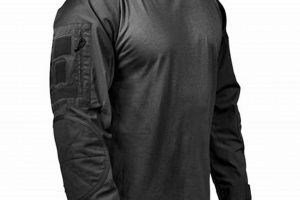
Tip 1: Utilize Appropriate Protective Gear: Full-coverage clothing, including long sleeves, pants, and neck protection, provides a physical barrier against projectile impacts. Consider padded vests or specialized airsoft armor for increased protection in vulnerable areas.
Tip 2: Maintain Safe Engagement Distances: Adhering to established minimum engagement distances based on the airsoft gun’s power output reduces the projectile’s impact velocity upon contact. Chronographing airsoft guns and enforcing these rules is crucial.
Tip 3: Understand Field Rules and Regulations: Familiarize yourself with and strictly adhere to the specific rules and regulations of the airsoft field or event, particularly those pertaining to permissible firing modes, projectile velocity limits, and safe zones.
Tip 4: Communicate During Gameplay: Clearly communicate your position and intentions to other players to avoid accidental close-range engagements. Use clear and concise verbal cues to signal your presence and potential firing lines.
Tip 5: Assess Environmental Conditions: Consider environmental factors such as wind speed and terrain that may affect projectile trajectory and impact force. Adjust your gameplay and positioning accordingly to minimize the risk of unintended injuries.
Tip 6: Implement a First-Aid Protocol: Ensure access to a well-stocked first-aid kit and familiarize yourself with basic first-aid procedures for treating minor skin abrasions and contusions. Clean and disinfect any broken skin and monitor for signs of infection.
Tip 7: Upgrade Airsoft Gun Performance Judiciously: If modifying your airsoft gun for enhanced performance, prioritize accuracy and consistency over excessively high projectile velocity. Balance performance with safety to minimize the risk of causing injury.
Employing these measures creates a safer airsoft environment, minimizing the potential for skin trauma and promoting a more enjoyable experience for all participants.
Subsequent sections will discuss specific protective equipment options, advanced first-aid techniques, and long-term strategies for promoting safe airsoft gameplay.
1. Projectile Velocity

Projectile velocity is a primary determinant in the formation and severity of skin marks resulting from airsoft BB impacts. The kinetic energy transferred upon impact, directly proportional to the square of the velocity, dictates the extent of tissue damage.
- Velocity and Kinetic Energy Transfer
Higher projectile velocities result in a greater transfer of kinetic energy to the skin and underlying tissues. This increased energy can cause more significant bruising, swelling, and discoloration, contributing to a more pronounced mark. For instance, an airsoft gun firing at 400 FPS will inflict a substantially greater impact force than one firing at 300 FPS, given similar BB weight.
- Regulation of Velocity Limits
Airsoft fields and events commonly impose velocity limits to mitigate the risk of severe injuries. These regulations, typically measured in feet per second (FPS) with a specific BB weight, are designed to maintain a reasonable balance between gameplay realism and player safety. Exceeding these limits can lead to increased instances of noticeable skin marks and potential for more serious injuries.
- BB Weight and Velocity Correlation
While velocity is a key factor, the weight of the BB also plays a role. Heavier BBs, even at slightly lower velocities, can transfer more kinetic energy upon impact. Airsoft regulations often specify maximum velocities for different BB weights to ensure a consistent safety standard. The interplay between these two variables must be considered when evaluating potential injury risk.
- Distance and Velocity Degradation
Projectile velocity decreases over distance due to air resistance. This means that a shot fired from a longer distance will generally result in a less severe skin mark compared to a shot fired at point-blank range, assuming all other factors remain constant. Minimum engagement distances are often implemented to exploit this principle, minimizing the impact force at close quarters.
In conclusion, projectile velocity is inextricably linked to the likelihood and severity of resulting skin marks. Implementing and adhering to velocity limits, considering BB weight, and maintaining appropriate engagement distances are crucial safety practices for minimizing potential harm and ensuring a more enjoyable airsoft experience.
2. Engagement Distance

Engagement distance significantly influences the potential for a visible skin mark resulting from an airsoft BB impact. The shorter the distance between the shooter and the target, the less time the projectile has to decelerate due to air resistance, resulting in a higher impact velocity. This increased velocity translates directly to a greater transfer of kinetic energy upon contact, leading to a higher likelihood of a mark appearing on the skin. For example, a BB fired at a target only a few feet away will retain most of its initial velocity, delivering a concentrated force that can cause immediate bruising or welting. Conversely, at longer ranges, the BB loses velocity, diminishing its impact and reducing the chance of significant marking.
Minimum engagement distances (MEDs) are a common safety protocol implemented at airsoft fields to mitigate the risk of close-range, high-velocity impacts. These MEDs are typically based on the power output of the airsoft gun, measured in feet per second (FPS), and dictate the minimum safe distance at which the gun can be fired at another player. The intent is to provide adequate space for the BB to lose some of its velocity before impact, reducing the potential for injury. Instances where players disregard MEDs often result in more severe skin marks and increased risk of eye injury, underscoring the practical importance of adhering to these guidelines. Many organized airsoft events penalize or exclude participants who consistently violate MED rules, further emphasizing their importance.
In summary, engagement distance is a critical factor in determining the severity of impact and subsequent skin marking in airsoft. Understanding and respecting MEDs is not only a matter of safety, but also a fundamental aspect of responsible gameplay. While other factors such as protective gear and projectile velocity also play a role, the distance at which the BB impacts the target is a crucial variable in minimizing the potential for physical harm and promoting a safer airsoft environment for all participants.
3. Protective Equipment

The strategic use of protective equipment directly correlates with mitigating the occurrence and severity of skin trauma associated with airsoft projectile impacts. Comprehensive gear significantly reduces the likelihood of visible markings and potential injuries.
- Eye Protection
ANSI-rated goggles or full-face masks are paramount. These devices prevent direct projectile contact with the eyes, averting serious injury. The absence of appropriate eye protection constitutes a critical safety lapse, potentially leading to irreversible damage. Many airsoft fields mandate specific ratings to ensure sufficient impact resistance.
- Facial Protection
Lower face masks, balaclavas, or shemaghs provide a barrier against impacts to the teeth, cheeks, and jaw. These areas are particularly vulnerable and sensitive to projectile strikes. The choice of facial protection depends on individual preference and gameplay style, but full coverage is recommended for maximum safety.
- Body Armor and Padding
Vests, jackets, or specialized padded clothing offer a degree of protection against torso and limb impacts. While not always mandatory, these items can significantly reduce the potential for bruising and welting, especially at close ranges or with high-powered airsoft guns. The level of protection varies based on the material and thickness of the padding.
- Gloves and Hand Protection
Gloves are crucial for safeguarding the hands and fingers, common targets during gameplay. Full-fingered gloves constructed from durable materials, such as leather or synthetic fabrics, provide adequate protection against direct impacts and potential abrasions. Protecting the hands enhances both safety and dexterity during airsoft activities.
In essence, consistent and appropriate utilization of protective equipment forms the primary defense against airsoft-related skin trauma. Neglecting to employ these measures elevates the risk of visible marking and potential injury. The selection and proper fitting of such gear constitutes a foundational element of responsible airsoft participation.
4. Impact Location

The anatomical site of projectile impact is a critical determinant in the manifestation and severity of skin marking following an airsoft BB strike. Varying tissue densities, nerve concentrations, and underlying structures across different body regions influence the extent and nature of the resulting effect.
- Bony Prominences
Impacts to areas overlying bony prominences, such as the shins, elbows, or collarbones, often result in heightened discomfort and a greater likelihood of bruising due to the limited cushioning effect of subcutaneous tissue. The force of the projectile is concentrated against the bone, leading to potential periosteal irritation and increased capillary rupture. For instance, a direct hit to the shin is likely to cause more pain and a more visible mark than a similar impact on a more fleshy area.
- Areas with High Nerve Density
Regions with dense nerve innervation, such as the face, neck, and hands, are particularly sensitive to pain and can elicit a disproportionate response to relatively minor impacts. While the physical mark may not be significantly different from impacts on other areas, the perceived pain and discomfort are typically amplified. Protective gear is especially critical in these regions to minimize both injury and the associated sensory experience.
- Areas with High Vascularity
Areas rich in blood vessels, such as the face and scalp, tend to exhibit more pronounced bruising due to the increased likelihood of blood vessel rupture upon impact. The discoloration resulting from extravasated blood can be more extensive and persistent in these regions. Furthermore, superficial veins in these areas are more vulnerable to direct trauma, potentially leading to hematoma formation.
- Soft Tissue Areas
Impacts to areas with abundant soft tissue, such as the thighs or buttocks, generally result in less severe immediate effects due to the cushioning effect of muscle and fat. However, deeper bruising and delayed-onset muscle soreness can still occur. The severity of the mark will depend on the depth and force of the impact, as well as individual factors such as muscle mass and tissue elasticity.
In summation, the anatomical location of projectile impact significantly influences the type and intensity of skin response in airsoft scenarios. The characteristics of underlying tissues, nerve distribution, and vascularity dictate the degree of discomfort, bruising, and overall visibility of resultant marks. Understanding these factors is crucial in adopting targeted protective measures and promoting responsible gameplay.
5. Skin Sensitivity

Individual skin sensitivity plays a significant role in the manifestation and perception of trauma resulting from airsoft projectile impacts. The degree to which a mark, or welt, forms is not solely determined by the force of the impact, but also by the inherent characteristics of the individual’s skin. Factors such as skin thickness, elasticity, and the presence of underlying medical conditions contribute to varying levels of reactivity to external stimuli. For instance, individuals with thinner skin or those prone to easy bruising may exhibit more pronounced markings even from relatively low-impact projectiles. Conditions such as Ehlers-Danlos syndrome, characterized by increased skin fragility, can further exacerbate this effect. Conversely, individuals with thicker skin or greater subcutaneous fat may experience less visible marking even from higher-energy impacts. The subjective perception of pain associated with such impacts also varies considerably based on individual pain thresholds and nerve density at the impact site. Understanding these individual differences is crucial for promoting responsible gameplay and ensuring that players are aware of their personal risk factors.
The practical implications of varying skin sensitivities are multifaceted. Firstly, it highlights the need for customizable protective gear options. A player with highly sensitive skin may require more extensive padding than a player with less reactive skin, even if both are using airsoft guns with similar power outputs. Secondly, it underscores the importance of clear communication between players regarding acceptable levels of force and engagement distances. A player who is aware of their increased sensitivity can communicate this to others, promoting safer and more considerate gameplay. Furthermore, field operators and event organizers should incorporate skin sensitivity as a factor in safety briefings and encourage players to self-assess their risk levels. Real-world incidents have shown that overlooking individual skin sensitivity can lead to unnecessary discomfort and potential escalation of minor impacts into more significant perceived injuries.
In summary, skin sensitivity is a critical, yet often overlooked, component in understanding the potential effects of airsoft projectile impacts. Recognizing that individuals respond differently to the same stimuli is essential for fostering a safer and more inclusive airsoft community. By promoting awareness of individual risk factors, encouraging open communication, and adopting adaptable protective measures, the potential for discomfort and injury can be minimized, thereby enhancing the overall airsoft experience. Addressing the challenges posed by varying skin sensitivities requires a collaborative effort from players, field operators, and event organizers, all working together to prioritize player safety and well-being.
Frequently Asked Questions Regarding Skin Marks from Airsoft Projectiles
This section addresses common inquiries and misconceptions related to skin markings resulting from airsoft BB impacts, often referred to as “airsoft welt”. The information provided aims to offer clarity and promote safer airsoft practices.
Question 1: What factors increase the likelihood of a noticeable skin mark following an airsoft BB impact?
The likelihood of a visible skin mark is influenced by projectile velocity, engagement distance, protective equipment usage, impact location, and individual skin sensitivity. Higher velocities, shorter distances, lack of protection, impacts on bony areas, and increased skin sensitivity all contribute to a greater probability of a mark.
Question 2: Are skin marks from airsoft BBs considered serious injuries?
In most instances, skin marks are superficial and temporary, resolving within a few days to a week. However, impacts to sensitive areas like the eyes can cause severe injury and necessitate immediate medical attention. Consistent use of appropriate protective gear is vital in preventing serious injury.
Question 3: How can players minimize the risk of causing marks during gameplay?
Adhering to field-specified minimum engagement distances, using airsoft guns within established velocity limits, and exercising responsible trigger discipline are essential practices. Clear communication and awareness of surroundings further minimize the risk of unintended close-range impacts.
Question 4: Is there a legal threshold for projectile velocity in airsoft?
Legal thresholds for airsoft gun velocity vary by jurisdiction. Players must familiarize themselves with and comply with all applicable federal, state, and local laws pertaining to airsoft gun ownership and usage. Airsoft fields typically enforce their own velocity limits, which may be stricter than legal requirements.
Question 5: What first-aid measures should be taken after sustaining a skin mark from an airsoft BB?
Minor skin abrasions should be cleaned with soap and water and covered with a sterile bandage. More significant bruising can be treated with cold compresses to reduce swelling and pain. Signs of infection, such as increased redness, swelling, or pus, warrant medical evaluation.
Question 6: Does the type of airsoft BB (e.g., plastic, biodegradable) affect the likelihood or severity of skin marks?
The material composition of the airsoft BB has a minimal impact on the formation of skin marks. The primary factors remain projectile velocity, engagement distance, and protective equipment. Biodegradable BBs decompose more readily in the environment, but their impact force is comparable to standard plastic BBs.
In summary, mitigating the potential for noticeable skin marks in airsoft requires a multifaceted approach involving responsible gameplay, adherence to safety regulations, and appropriate protective measures. Prioritizing player safety is paramount in fostering a positive airsoft experience.
The following section will examine advanced strategies for promoting safe airsoft practices and minimizing potential for injury.
Conclusion
The preceding analysis has comprehensively examined the causes, prevention, and management of airsoft welt, the marks resulting from projectile impacts in airsoft activities. Key factors identified include projectile velocity, engagement distance, protective equipment, impact location, and individual skin sensitivity. A thorough understanding of these variables is crucial for mitigating potential harm and promoting a safer environment within the airsoft community.
Ultimately, the minimization of such occurrences requires a collective commitment to responsible gameplay, adherence to established safety protocols, and continuous evaluation of protective measures. Prioritizing player well-being remains paramount, ensuring the long-term sustainability and enjoyment of the sport.