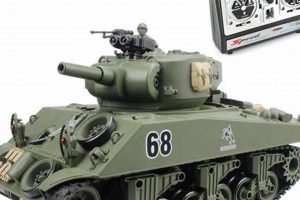
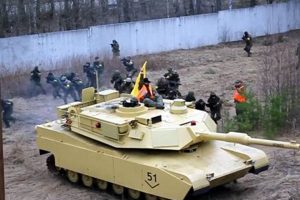
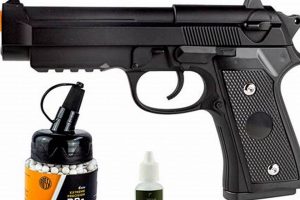
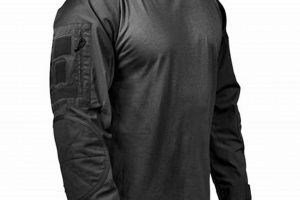
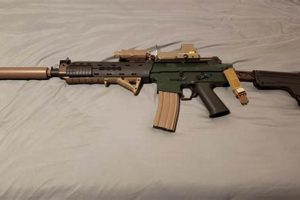
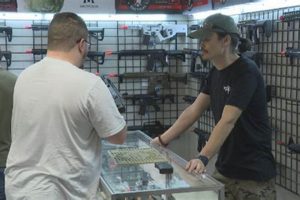
These devices are recreational imitations of firearms that propel non-metallic projectiles, typically 6mm or 8mm plastic BBs. They are employed in various simulation games and training exercises, offering a safe alternative to real firearms for recreational purposes. A common example involves skirmishes between teams in designated fields or arenas, where participants attempt to eliminate opponents by hitting them with the projectiles.
The increasing popularity of these items stems from their ability to provide realistic tactical scenarios without the inherent dangers of live ammunition. Their use promotes teamwork, strategic thinking, and physical activity in a controlled environment. Historically, these replicas evolved from simple spring-loaded mechanisms to sophisticated gas-powered and electric models, mirroring advancements in real firearm technology while remaining within regulated safety parameters.
The following sections will delve into the various types of these recreational devices, the regulations governing their use, and the safety precautions that are essential for responsible participation in related activities. Further discussion will address the different power sources employed and the range of accessories available to enhance the experience.
Essential Usage Guidance
The following guidelines are crucial for ensuring safe and responsible engagement with simulated firearm replicas. Strict adherence to these principles minimizes risk and promotes a positive experience for all participants.
Tip 1: Prioritize Eye Protection: Full-seal goggles or masks specifically designed for this activity are mandatory. These protect against projectile impact and prevent potential eye injury. The use of inadequate eye protection is strictly prohibited.
Tip 2: Adhere to Velocity Limits: Chronograph testing prior to gameplay is essential to confirm that the devices operate within established velocity restrictions (measured in feet per second FPS). Exceeding these limits increases the risk of injury and may violate field regulations.
Tip 3: Utilize Barrel Covers When Not in Use: A barrel cover or plug prevents accidental discharge and ensures the device is rendered safe during periods of inactivity, especially in staging areas or during transportation.
Tip 4: Respect Designated Safety Zones: Safety zones are areas where simulated firearm replicas must be unloaded and safety mechanisms engaged. No firing or handling of unloaded device is permitted within these zones.
Tip 5: Understand Field Rules and Regulations: Familiarize oneself with the specific rules and regulations of the playing field or event. These rules often dictate engagement distances, firing modes, and acceptable behavior. Deviation from these rules can result in expulsion from the premises.
Tip 6: Maintain Proper Storage: When not in use, simulated firearm replicas should be stored securely, out of reach of unauthorized individuals, particularly children. This prevents accidental or inappropriate use.
Tip 7: Be Aware of the Surroundings: Maintain situational awareness throughout gameplay. Identify potential hazards, such as non-participants or obstacles, and exercise caution to prevent accidents.
By consistently applying these recommendations, individuals can contribute to a safer and more enjoyable environment. Emphasizing safety protocols and strict observance to field regulation is utmost important.
The subsequent sections will discuss the legal considerations surrounding simulated firearm replicas and the importance of responsible ownership.
1. Replication Realism

Replication realism, in the context of replicated firearm devices, refers to the degree to which these devices resemble actual firearms in appearance, weight, and operational mechanisms. This characteristic directly influences their appeal for training simulations, historical reenactments, and recreational activities. The more realistic the replication, the more effectively these devices can mimic real-world scenarios, enhancing the training value or the immersive experience for participants. However, the pursuit of heightened realism also presents challenges and necessitates careful consideration of safety and legal implications. For instance, devices that are indistinguishable from actual firearms at a casual glance can potentially cause alarm and confusion, requiring clear visual markings and adherence to specific regulations.
The importance of replicated realism as a component is evident in its impact on training effectiveness. Law enforcement agencies and military personnel frequently use realistic models to simulate tactical situations, allowing them to practice weapon handling, target acquisition, and decision-making under stress without the risks associated with live ammunition. The feedback and training that is provided to law enforcement and army can provide realistic firearm weapon operations and functions. This level of realism extends to details such as magazine capacity, trigger pull, and recoil simulation, further enhancing the training experience. However, such realistic replication also demands heightened safety protocols to prevent accidental discharge or misuse.
In summary, replication realism significantly contributes to the utility and appeal of replicated firearm devices, enabling realistic training simulations and immersive recreational activities. However, this realism comes with inherent responsibilities. Clear visual distinctions from actual firearms, strict adherence to velocity limits, and comprehensive safety training are essential to mitigate the risks associated with devices that closely resemble real weapons. Understanding the delicate balance between realism and safety is crucial for both manufacturers, users, and lawmakers to ensure responsible use and prevent unintended consequences.
2. Projectile Velocity

Projectile velocity is a critical parameter governing the safety and functionality of replicated firearm devices. It directly influences the potential for injury and dictates regulatory compliance, shaping the acceptable use of these devices in recreational and training contexts.
- Velocity Limits and Safety Standards
Established velocity limits, typically measured in feet per second (FPS) or meters per second (MPS), define the maximum kinetic energy a projectile can possess upon impact. These limits are often dictated by national or local regulations, and they vary depending on the intended use and target audience. For instance, indoor facilities may enforce stricter velocity caps compared to outdoor fields to minimize the risk of injury in confined spaces. The adherence to these standards is paramount in preventing serious harm and maintaining a safe playing environment.
- Chronograph Testing and Compliance Verification
Chronograph testing serves as a crucial mechanism for verifying that replicated firearm devices operate within specified velocity limits. Prior to gameplay, devices are typically subjected to chronograph tests using standardized projectiles to measure their muzzle velocity. This ensures compliance with field regulations and promotes fair play. Devices exceeding the established velocity limits are deemed non-compliant and must be adjusted or restricted from use until they meet the required standards. Furthermore, these tests are an important procedure for safety regulation compliance.
- Impact Energy and Risk Mitigation
Projectile velocity directly correlates with the impact energy delivered upon contact with a target. Higher velocities translate to greater impact energy, increasing the potential for pain, bruising, or even injury. Thus, regulating projectile velocity is a fundamental strategy for mitigating the risk of adverse outcomes. By limiting the maximum velocity, the potential for severe injury is significantly reduced, making these devices safer for recreational use. The velocity of the replicas is important for minimizing accidents.
- Velocity Adjustment Mechanisms and Modifications
Many replicated firearm devices feature adjustable mechanisms, such as variable gas regulators or spring tensioners, that allow users to modify the projectile velocity within a certain range. This feature enables customization of the device’s performance to comply with specific field regulations or personal preferences. However, irresponsible modifications or tampering with these mechanisms can lead to velocity exceeding safe limits, compromising the integrity of the device and potentially violating applicable laws. These modifications must be within regulation.
The facets of projectile velocity collectively underscore its central role in ensuring the safe and responsible use of replicated firearm devices. Velocity limits, chronograph testing, impact energy considerations, and adjustable mechanisms all contribute to maintaining a balance between realism, performance, and safety. Adherence to established guidelines and responsible handling are essential for preventing accidents and promoting a positive experience.
3. Regulatory Compliance
Regulatory compliance surrounding simulated firearm replicas is a complex and multifaceted area, encompassing a range of legal and administrative requirements designed to ensure public safety and prevent misuse. The specific regulations governing these devices vary significantly by jurisdiction, reflecting diverse societal attitudes and approaches to firearms control.
- Importation and Sales Restrictions
Many jurisdictions impose restrictions on the importation and sale of realistic replicated firearm devices, particularly those that closely resemble actual firearms. These restrictions may include licensing requirements for importers and retailers, mandatory markings to distinguish the replicas from genuine firearms, and prohibitions on sales to minors. For example, some countries require a blaze orange tip on the barrel to clearly identify them as non-lethal replicas. Non-compliance can result in hefty fines or seizure of goods.
- Ownership and Possession Laws
Ownership and possession regulations dictate who is legally permitted to own and use simulated firearm devices. Some regions classify these replicas as imitation firearms, subjecting them to similar restrictions as real firearms, such as background checks and permit requirements. Others may impose age restrictions or limitations on where these devices can be carried or used. Violation of these laws can lead to criminal charges.
- Public Display and Brandishing Prohibitions
Most jurisdictions have laws prohibiting the open display or brandishing of realistic replicated firearm devices in public places. This is to prevent causing alarm or fear among members of the public and to avoid misidentification by law enforcement officers. Even if the device is legally owned, openly displaying it can result in police intervention and potential legal consequences. It is important to respect public order by refraining display.
- Modifications and Alterations Restrictions
Altering or modifying replicated firearm devices to increase their power, realism, or lethality is often strictly prohibited. This includes modifications that remove or obscure required markings, increase projectile velocity beyond legal limits, or convert the replica into a functional firearm. Such modifications can result in serious criminal charges, as this is considered an attempt to circumvent firearms regulations. Maintaining the devices in their compliant manufactured state is important.
The interplay of these regulatory facets shapes the legal landscape for simulated firearm replicas. Understanding and adhering to these regulations is essential for responsible ownership and use, preventing legal complications and ensuring public safety. The consequences of non-compliance can range from fines and confiscation of devices to criminal prosecution, highlighting the importance of diligence and awareness in navigating the complex regulatory environment.
4. Safe Handling

Safe handling practices are paramount in mitigating potential risks associated with replicated firearm devices. These practices encompass a range of precautions and procedures designed to prevent accidents, injuries, and misuse, ensuring responsible engagement with these devices in recreational and training environments.
- Mandatory Use of Eye Protection
The consistent use of full-seal goggles or masks specifically designed for this activity is non-negotiable. These protect against projectile impact and prevent potential eye injuries, which are among the most common and severe risks associated with replicated firearm devices. Examples from real-world incidents underscore the importance of this measure. A failure to use appropriate eye protection can lead to permanent vision impairment. Thus, mandatory eyewear and mask is paramount for participants.
- Proper Storage and Transportation Procedures
When not in use, replicated firearm devices must be stored securely, out of reach of unauthorized individuals, especially children. Secure storage prevents accidental access and misuse, reducing the risk of unintended discharge or tampering. During transportation, these devices should be transported unloaded and contained within a case or bag to prevent visibility and minimize the risk of alarming the public. By respecting this recommendation, individuals can promote secure transportation.
- Adherence to Designated Safety Zones
Designated safety zones are areas where replicated firearm devices must be unloaded, magazines removed, and safety mechanisms engaged. No handling of loaded devices is permitted within these zones. Safety zones provide a controlled environment for equipment preparation, maintenance, and rest periods, minimizing the risk of accidental discharge or unintentional aiming at other individuals. Safety zones are important for participants.
- Understanding and Respecting Field Rules
Before participating in any activity, individuals must familiarize themselves with the specific rules and regulations of the playing field or event. These rules often dictate engagement distances, firing modes, acceptable behavior, and prohibited activities. Compliance with field rules is essential for maintaining a safe and fair playing environment. Disregarding the field regulation may result in serious harm.
These facets of safe handling are critical in mitigating the risks associated with replicated firearm devices. By consistently applying these precautions and procedures, individuals can contribute to a safer and more enjoyable environment, minimizing the potential for accidents, injuries, and misuse. Emphasizing responsible handling is paramount for preventing incidents involving replicated firearm devices.
5. Tactical Training
Tactical training, utilizing replicated firearm devices, offers a safe and cost-effective method for individuals and organizations to simulate real-world scenarios and develop essential skills. This form of training leverages the realism of replicated firearm devices to enhance engagement and skill retention.
- Scenario Replication
Replicated firearm devices facilitate the creation of realistic training scenarios that mimic operational environments encountered by law enforcement, military personnel, and security professionals. These scenarios can encompass a wide range of situations, including building clearing, hostage rescue, and active shooter response. Replicated firearm devices allow participants to practice tactical maneuvers, communication protocols, and decision-making processes in a controlled setting. The simulations offer an environment for effective skills development.
- Force-on-Force Drills
Force-on-force drills, where participants engage in simulated combat using replicated firearm devices, provide invaluable experience in assessing threats, reacting to dynamic situations, and employing appropriate use-of-force tactics. These drills allow participants to practice marksmanship, weapon handling, and teamwork under stress. The use of non-lethal projectiles minimizes the risk of serious injury while providing immediate feedback on performance. Participants learn to utilize quick thinking during the drill.
- Weapons Familiarization and Handling
Replicated firearm devices provide a safe and accessible means for individuals to familiarize themselves with the ergonomics, operation, and maintenance of various weapon platforms. Participants can practice loading, unloading, clearing malfunctions, and performing basic weapon manipulations without the risks associated with live ammunition. This familiarization is crucial for building confidence and proficiency with firearms, reducing the likelihood of accidents or mishandling. In some military training, simulations of combat is utilized to encourage teamwork.
- Judgmental Shooting Simulations
Judgmental shooting simulations employ replicated firearm devices in conjunction with virtual reality or video-based scenarios to evaluate participants’ decision-making abilities in high-pressure situations. These simulations present participants with a range of realistic scenarios involving potential threats, requiring them to quickly assess the situation, make appropriate decisions regarding the use of force, and execute their actions accordingly. Judgmental shooting simulations provide valuable insights into participants’ decision-making processes and identify areas for improvement. These simulations can minimize real-world harm.
These applications of replicated firearm devices in tactical training underscore their utility in preparing individuals and organizations for a wide range of real-world scenarios. By providing a safe, cost-effective, and realistic training environment, these devices contribute to improved skills, enhanced decision-making, and reduced risk in high-pressure situations. The use of replicated firearm devices in tactical training is thus a valuable tool for enhancing preparedness and promoting responsible firearm handling.
Frequently Asked Questions Regarding Airsoft Weapons
The following questions address common concerns and misconceptions surrounding simulated firearm replicas, providing clarity on their usage, safety, and legality.
Question 1: What constitutes an airsoft weapon, and how does it differ from other types of replica firearms?
An airsoft weapon is a low-power replica firearm designed to fire non-metallic projectiles, typically 6mm or 8mm plastic BBs. It differs from other replica firearms, such as blank-firing pistols or airguns, in terms of projectile type, muzzle velocity, and intended use. Airsoft replicas are primarily used for recreational skirmishes and tactical simulations, while other replica firearms may serve different purposes.
Question 2: What are the primary safety precautions to observe when handling an airsoft weapon?
Key safety precautions include the mandatory use of eye protection, adherence to designated safety zones, proper storage and transportation procedures, and understanding and respecting field rules. Failure to observe these precautions can result in serious injuries. Responsible usage is important.
Question 3: Are there legal restrictions on owning or using airsoft weapons?
Legal restrictions vary significantly by jurisdiction. Some regions may regulate these replicas as imitation firearms, subjecting them to ownership restrictions, age limits, and prohibitions on public display. Other jurisdictions may have less stringent regulations, focusing primarily on projectile velocity and safe usage. Understanding and complying with local laws is crucial.
Question 4: How is the muzzle velocity of an airsoft weapon regulated, and why is it important?
Muzzle velocity is typically regulated by national or local laws and by individual playing fields. Velocity limits are established to minimize the risk of injury. Compliance with these limits is verified through chronograph testing. Exceeding velocity limits can lead to penalties or exclusion from gameplay.
Question 5: What are the common power sources used in airsoft weapons?
Common power sources include spring mechanisms, electric motors (AEGs), and compressed gas (CO2 or green gas). Each power source offers distinct advantages and disadvantages in terms of performance, reliability, and cost. Spring-powered replicas are generally less expensive and require manual cocking, while AEGs provide automatic firing capabilities and gas-powered devices offer realistic recoil simulation.
Question 6: Can an airsoft weapon be modified to increase its power or realism, and what are the potential consequences?
Modifying replicated firearm replicas to increase their power or realism is generally discouraged and may be illegal. Modifications that increase projectile velocity beyond legal limits or alter the device’s appearance to more closely resemble a real firearm can result in criminal charges. Maintaining the devices in their compliant manufactured state is vital.
The importance of responsible ownership and respect for local regulations is paramount in ensuring the safe and legal use of replicated firearm replicas.
The subsequent section will explore the future trends of simulated firearm replicas and the positive impacts.
Airsoft Weapon
This exploration has underscored the complexities surrounding simulated firearm replicas, emphasizing the critical need for responsible ownership, adherence to safety protocols, and compliance with legal regulations. These devices, while offering avenues for recreation, training, and simulation, present inherent risks that demand careful consideration. The emphasis has been on safety, legal compliance, and the understanding of these devices. Any actions otherwise will risk serious harm.
The future of recreational firearm replicas hinges on the collective commitment of manufacturers, users, and lawmakers to prioritize safety, promote responsible practices, and ensure that these devices are used in a manner that minimizes potential harm. Continued vigilance and proactive measures are essential to prevent accidents, deter misuse, and foster a culture of respect and responsibility. The continued safe use of replicated weapons is utmost important.