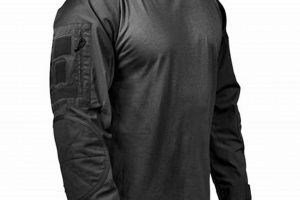
Gear designed to mitigate the risk of injury during airsoft activities is essential for player safety. This specialized apparel typically includes items such as face masks, eye protection, vests, gloves, and knee/elbow pads, each intended to shield vulnerable body parts from impacts from propelled projectiles. These items significantly reduce the potential for bruising, lacerations, and more serious injuries.
The use of such safeguard equipment is paramount due to the nature of the sport, where participants engage in simulated combat scenarios involving projectiles. The history of dedicated personal safety equipment for airsoft has evolved alongside the increasing popularity and intensity of the game, with advancements in materials and designs continually improving the level of defense offered. Proper protection allows participants to enjoy the recreational activity with a minimized risk of physical harm, promoting a safer and more enjoyable experience for everyone involved.
Subsequent sections will delve into the specific types of gear available, analyzing their construction, materials, and the levels of protection they provide. Factors influencing the selection of appropriate gear based on gameplay style and environment will also be discussed, alongside maintenance tips to ensure longevity and continued effectiveness of the investment.
Selection and Maintenance Recommendations
The following guidelines are intended to assist in the responsible selection, use, and maintenance of gear designed to mitigate injury risks during airsoft activities. Adherence to these points will contribute to a safer and more effective playing experience.
Tip 1: Prioritize Eye Protection: Eye safety is non-negotiable. Ensure goggles or masks meet or exceed ANSI Z87.1 standards for impact resistance. Verify a secure fit that prevents slippage during dynamic movements.
Tip 2: Invest in Full-Face Coverage: Consider the benefits of full-face masks, particularly in close-quarters combat (CQB) environments. These offer comprehensive protection for the eyes, mouth, and nose, mitigating risks associated with facial injuries.
Tip 3: Assess Vest Coverage: Tactical vests provide torso protection. Evaluate the level of coverage offered, particularly for vital organs. Consider modular systems that allow for the addition of plates or padding for increased defense.
Tip 4: Utilize Hand Protection: Gloves are essential to protect hands and fingers. Choose gloves with reinforced palms and knuckle protection to guard against impacts and abrasions. Full-fingered gloves are generally recommended over fingerless options.
Tip 5: Employ Knee and Elbow Protection: Knee and elbow pads reduce the risk of joint injuries. Select pads with durable outer shells and comfortable inner cushioning. Ensure a secure fit with adjustable straps to prevent slippage.
Tip 6: Regularly Inspect for Damage: Prior to each use, thoroughly inspect all gear for signs of wear, cracks, or other damage. Replace compromised items immediately to maintain their protective capabilities.
Tip 7: Maintain and Clean Gear: Follow manufacturer guidelines for cleaning and maintenance. Remove dirt and debris regularly to prevent degradation of materials. Store items in a dry, cool environment away from direct sunlight.
Tip 8: Understand Impact Ratings: Research and understand the impact ratings of various equipment. Opt for items that meet or exceed the expected level of force encountered during typical airsoft gameplay scenarios.
Proper selection and consistent maintenance of this safeguard equipment are crucial for mitigating the risk of injury and ensuring a safe environment. A proactive approach to safeguarding directly contributes to enhanced confidence and enjoyment on the field.
The following sections will explore advanced equipment options and provide case studies of injury prevention strategies.
1. Impact Resistance

Impact resistance, the capacity of a material to withstand high-force or sudden-energy applications without fracturing or failing, is a critical factor in the performance and effectiveness of apparel designed for airsoft. The selection of appropriate materials and construction techniques directly influences the ability of gear to mitigate the risks of projectile impacts during gameplay.
- Material Composition and Projectile Velocity
The material used in the construction of protective elements significantly affects impact resistance. Polycarbonate, known for its high impact strength, is commonly used in eye protection. The projectile velocity generated by airsoft devices necessitates materials capable of absorbing or deflecting the energy without penetration or structural compromise. Failure to select appropriate materials may result in injury from projectile penetration or fragmentation of the protective element itself.
- Standards and Certification Protocols
Adherence to established industry standards and certification protocols ensures a baseline level of impact resistance in protective gear. Organizations like ANSI (American National Standards Institute) set criteria for impact testing, with products certified to these standards demonstrating a proven ability to withstand specified impact forces. Compliance with these standards provides a degree of assurance regarding the suitability of the equipment for the intended application.
- Design and Structural Integrity
Beyond material selection, the design and structural integrity of the protective item contribute to its overall impact resistance. Features such as reinforced frames, strategically placed padding, and impact-distribution mechanisms enhance the ability of the gear to dissipate energy effectively. Weaknesses in design or construction can compromise the impact resistance, even with the use of high-strength materials.
- Degradation and Environmental Factors
Environmental factors, such as exposure to UV radiation, temperature extremes, and repeated impacts, can degrade the impact resistance of materials over time. Regular inspection and maintenance are essential to identify and address any signs of material weakening or structural damage. Equipment exhibiting signs of degradation should be replaced to maintain its protective capabilities.
The aforementioned factors collectively underscore the relationship between impact resistance and the suitability of apparel for airsoft activities. Prioritizing gear that incorporates appropriate materials, adheres to established standards, and is regularly maintained is essential for mitigating injury risks and ensuring participant safety.
2. Coverage Area
The coverage area provided by specialized apparel is a primary determinant of its effectiveness in mitigating injuries during airsoft activities. A direct correlation exists between the extent of body surface protected and the reduction in potential harm from projectile impacts. Inadequate coverage increases the risk of bruising, lacerations, or more serious injuries to exposed areas. For instance, a vest that fails to adequately protect the ribs or kidneys leaves these vulnerable regions susceptible to blunt force trauma. Similarly, gloves that do not fully cover the fingers expose them to potential injury from close-range impacts. Full-face masks, compared to eye protection alone, represent an enhanced investment in the safeguard level achieved. The extent of physical harm caused by projectiles necessitates the importance of considering the area safeguarded.
The practical application of this understanding extends to the selection of equipment appropriate for specific gameplay environments and roles. Close-quarters combat (CQB) scenarios, characterized by rapid engagements and short distances, demand comprehensive coverage due to the increased likelihood of being targeted at close range. Conversely, players adopting a sniper role may prioritize maneuverability and reduced bulk, accepting a trade-off in coverage for increased agility. However, it is crucial to recognize that even in less intense engagements, the potential for unexpected impacts remains, necessitating a baseline level of protection across vulnerable areas. Furthermore, the design and fit of apparel influence the effectiveness of coverage. Equipment that shifts or exposes parts of the body during movement negates its protective value.
In summary, the relationship between the coverage area and injury prevention is fundamental to the selection and use of specialized gear. While factors such as mobility and personal preference may influence choices, a thorough assessment of the potential risks and the corresponding coverage requirements is paramount. Challenges in this area include balancing comprehensive safeguarding with comfort and maneuverability. Prioritizing safeguarding contributes to an environment where players are able to fully engage in activities without being significantly exposed to potential impacts. Acknowledging potential risks, and adequately preparing with complete safeguard equipment reduces harmful possibilities.
3. Material Durability

Material durability is a critical determinant of the longevity and effectiveness of safeguard equipment. The materials used in such apparel are subjected to repeated impacts, abrasions, and environmental stressors. The ability of these materials to resist degradation and maintain their structural integrity directly influences the level of protection afforded to the wearer. For instance, a vest constructed from low-quality nylon may tear or fray after minimal use, compromising its ability to absorb impacts from projectiles. Similarly, goggle lenses made from inferior plastics are prone to scratching and clouding, impairing visibility and necessitating premature replacement. Therefore, the selection of durable materials is not merely a matter of cost-effectiveness but a fundamental consideration for safeguarding.
The practical significance of material durability is evident in the long-term performance of the apparel. Equipment constructed from high-tenacity fabrics, reinforced stitching, and impact-resistant polymers will withstand the rigors of regular use, providing consistent protection over an extended period. Consider, for example, the difference between a mesh mask made from thin, easily deformable metal and one constructed from hardened steel. The latter offers significantly greater resistance to deformation upon impact, providing superior protection for the face. Similarly, knee pads made from dense, closed-cell foam will retain their cushioning properties longer than those made from open-cell foam, which compresses and deteriorates more quickly. The initial investment in more durable safeguard items often proves more economical in the long run, as it reduces the frequency of replacements.
In summary, material durability is inextricably linked to the protective capabilities and lifecycle of equipment. Prioritizing gear constructed from robust materials that can withstand the demands of the environment is essential for ensuring long-term safeguarding and maximizing the return on investment. Challenges in this area include balancing durability with factors such as weight, flexibility, and cost. Continued advancements in material science are likely to yield even more durable and high-performing apparel, further enhancing player safeguarding.
4. Fit and Mobility

The intersection of fit and mobility represents a critical design consideration for airsoft safeguard apparel. Equipment that restricts movement or fits improperly can impede performance and compromise safety. Balancing protective coverage with the need for unhindered agility is essential for optimizing player effectiveness and minimizing the risk of accidents.
- Range of Motion Restriction
Oversized or poorly designed apparel can significantly restrict a player’s range of motion. This can impact the ability to shoulder a weapon quickly, navigate obstacles effectively, or react swiftly to threats. Restricted movement can also lead to fatigue, increasing the likelihood of errors and potential injuries. For instance, a vest that is too long may hinder bending or crouching, while ill-fitting knee pads may slip and fail to provide adequate protection during dynamic movements.
- Weight Distribution and Balance
The distribution of weight across the body is a crucial factor influencing balance and agility. Uneven weight distribution can throw off a player’s center of gravity, making them more susceptible to falls and hindering their ability to maintain a stable firing platform. Equipment that is too heavy or not properly secured can contribute to fatigue and reduce overall maneuverability. A helmet that shifts during rapid movement can obstruct vision, while a poorly fitted chest rig can impede breathing.
- Adjustability and Customization
Apparel with adjustable straps, closures, and padding allows for a customized fit that accommodates individual body types and preferences. This adjustability is essential for ensuring a secure and comfortable fit that does not restrict movement. Modular systems, such as vests with interchangeable pouches, offer further customization options, allowing players to tailor their gear to specific gameplay scenarios and loadouts.
- Compatibility with Other Gear
The compatibility of different pieces of equipment is another important consideration. Apparel that is designed to work seamlessly together can enhance mobility and reduce the risk of interference. For example, a helmet that is compatible with a specific type of eyewear will provide a more comfortable and secure fit, minimizing gaps and maximizing protection. Similarly, a vest that is designed to accommodate a hydration pack will allow for easy access to water without restricting movement.
The relationship between fit and mobility and safeguarding in airsoft is multifaceted, influencing both performance and safety. Prioritizing equipment that offers a balance of protection, comfort, and freedom of movement is crucial for maximizing a player’s effectiveness and reducing the risk of injuries. Future innovations in material science and design are likely to further enhance the fit and mobility of safeguarding apparel, enabling players to move with greater agility and confidence.
5. Ventilation/Breathability

Ventilation and breathability within the realm of protective apparel directly impact user comfort, performance, and overall safety during prolonged airsoft activities. Inadequate ventilation leads to heat buildup and moisture accumulation, creating an environment conducive to discomfort, fatigue, and potential heat-related illnesses. Conversely, well-ventilated garments facilitate airflow, promoting evaporative cooling and maintaining a more stable core body temperature. For example, a full-face mask lacking sufficient ventilation can quickly fog up, obstructing vision and necessitating removal, thereby compromising safeguarding. The practical significance of this is evident in the design of high-performance tactical apparel, where strategically placed vents and breathable fabrics mitigate heat stress without sacrificing protection.
The selection of materials directly influences the ventilation and breathability characteristics of protective garments. Fabrics such as moisture-wicking synthetics and breathable membranes facilitate the transport of sweat away from the skin, promoting evaporative cooling. Mesh panels strategically integrated into vests and other garments allow for increased airflow, further enhancing ventilation. Consider the difference between a non-breathable PVC vest and one constructed from a lightweight, breathable nylon mesh. The latter will provide significantly greater comfort and reduce the risk of heat stress during prolonged use. The material composition, in turn, dictates the overall comfort of a player, which directly affects their ability to perform at a peak level.
In summary, proper ventilation and breathability are essential components of effective airsoft protective clothing. These features contribute to user comfort, reduce the risk of heat-related illnesses, and enhance overall performance. While prioritizing safeguarding is paramount, the incorporation of ventilation strategies must not be overlooked. Challenges in this area include balancing the need for protection with the desire for optimal airflow, particularly in full-coverage garments. Future advancements in material science and garment design are likely to yield solutions that further optimize the interplay between protection, ventilation, and breathability, enhancing the overall airsoft experience.
6. Adjustability Features
Adjustability features in protective apparel are of paramount importance for optimal performance and safety during airsoft activities. The ability to tailor the fit of such garments ensures both a secure and comfortable wearing experience, directly impacting the equipment’s protective capabilities and the user’s maneuverability.
- Size Customization and Secure Fit
Adjustable straps, buckles, and hook-and-loop closures enable users to modify the size and tightness of apparel, ensuring a snug fit that prevents slippage or shifting during dynamic movements. A properly fitted vest, for example, stays in place during sprints and tactical maneuvers, maintaining consistent protection of the torso. Conversely, ill-fitting gear can expose vulnerable areas and impede agility.
- Accommodation of Layering Systems
Adjustability facilitates the integration of layering systems, allowing players to adapt to varying environmental conditions. Looser settings accommodate additional layers of clothing in cold weather, while tighter adjustments ensure a secure fit when wearing fewer layers. This versatility ensures that safeguard features are not compromised by changes in clothing configurations.
- Personalized Comfort and Reduced Fatigue
Adjustable components enable users to fine-tune the comfort level of their gear, minimizing pressure points and friction that can lead to discomfort and fatigue. For instance, adjustable shoulder straps on a vest allow for even weight distribution, reducing strain on the back and shoulders during prolonged use. Enhanced comfort contributes to improved focus and reaction time, ultimately enhancing performance.
- Integration with Accessory Mounts
Some adjustability features extend to the incorporation of accessory mounting systems, such as modular webbing (MOLLE), allowing users to customize their loadout with pouches, holsters, and other essential gear. Adjustable straps and platforms ensure that accessories are securely attached and readily accessible, without impeding movement or compromising the integrity of the protective apparel.
Collectively, these adjustable components contribute significantly to the overall effectiveness of specialized apparel. By enabling a customized fit, accommodating layering systems, enhancing comfort, and facilitating accessory integration, these features enhance both the protective capabilities and the operational utility of airsoft gear. Prioritizing apparel with comprehensive adjustability is therefore crucial for maximizing safety and performance during airsoft activities.
7. Certification Standards

The correlation between certification standards and safety apparel is critical for ensuring player safeguarding during airsoft activities. Certification standards, established by recognized organizations such as ANSI (American National Standards Institute) and ASTM International, define minimum performance requirements for protective equipment. These standards serve as benchmarks for impact resistance, penetration resistance, and other key performance characteristics. Protective equipment that meets or exceeds these standards undergoes rigorous testing to verify its ability to mitigate injury risks. Without adherence to certification standards, the protective capabilities of such apparel are questionable, potentially exposing players to unnecessary harm.
For example, ANSI Z87.1 is a widely recognized standard for eye and face protection. Equipment certified to this standard must withstand impact from projectiles traveling at specified velocities. Similarly, ASTM F1776 establishes performance requirements for protective clothing used in paintball and airsoft activities, including criteria for puncture resistance and tear strength. The presence of a certification mark, such as the ANSI Z87.1 or ASTM F1776 logo, indicates that the apparel has undergone independent testing and meets the specified performance requirements. Conversely, uncertified equipment lacks this assurance, and its protective capabilities are uncertain. Real-world incidents have demonstrated the importance of certification standards, as players using uncertified eye protection have sustained serious eye injuries from projectile impacts.
In summary, certification standards play a vital role in ensuring the effectiveness and reliability of equipment. Adherence to these standards provides a level of assurance that the apparel will perform as intended, mitigating the risk of injury during airsoft activities. While certification is not a guarantee of absolute protection, it represents a significant step in promoting player safeguarding. Challenges in this area include the proliferation of counterfeit or substandard equipment that falsely claims to meet certification standards. Continued vigilance and consumer education are essential for ensuring that players can confidently select equipment that provides adequate protection.
Frequently Asked Questions
This section addresses common inquiries regarding equipment designed to mitigate injury risks during airsoft activities, offering concise and informative responses.
Question 1: What constitutes essential safety equipment for participation?
Mandatory items typically include eye protection meeting ANSI Z87.1 standards, face protection (full-face mask recommended), and appropriate clothing to cover exposed skin.
Question 2: Why is eye protection considered non-negotiable?
The eyes are highly vulnerable to projectile impacts. Permanent vision damage can result from inadequate or absent eye safeguarding.
Question 3: Can standard sunglasses be used as a substitute for dedicated eye protection?
Standard sunglasses do not provide sufficient impact resistance and are not a suitable substitute for dedicated eye protection designed to withstand the forces generated during airsoft activities.
Question 4: What level of body coverage is recommended?
Full coverage of exposed skin is advisable to minimize the risk of bruising, lacerations, and other superficial injuries. Vests, gloves, and padded clothing can provide additional safeguarding.
Question 5: How often should equipment be inspected for wear and tear?
A thorough inspection of all equipment should be conducted prior to each use. Any signs of damage, such as cracks, tears, or weakened stitching, warrant immediate replacement of the affected item.
Question 6: Are there specific cleaning and maintenance procedures to follow?
Manufacturer guidelines for cleaning and maintenance should be adhered to. Regular removal of dirt and debris prevents material degradation and prolongs the lifespan of the equipment.
Proper selection, utilization, and maintenance of safeguarding directly contribute to a safer and more enjoyable experience.
The following section will explore advanced topics in airsoft safeguard considerations, including equipment modifications and field safety protocols.
Conclusion
This article has comprehensively explored the multifaceted aspects of airsoft protective clothing, underscoring its pivotal role in minimizing injury risks. The discussion has spanned material durability, impact resistance, coverage area, fit, ventilation, adjustability, and the significance of adhering to established certification standards. Emphasis has been placed on understanding the interplay between these factors and their collective impact on player safeguarding. Selecting appropriate protective apparel, maintaining it diligently, and prioritizing certified equipment are all crucial steps in fostering a safer environment.
The commitment to using safeguard gear is non-negotiable for responsible participation. Continued advancements in material science and design will undoubtedly lead to enhanced apparel options. Individuals and organizations involved in airsoft activities must prioritize continuous education and the adoption of best practices. The preservation of well-being should remain paramount to maintaining the integrity and enjoyment of the recreational activity.