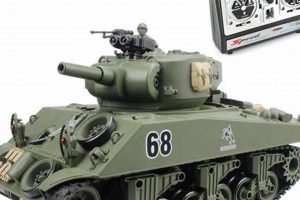
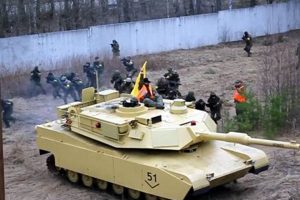
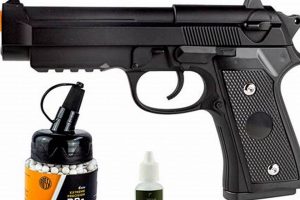
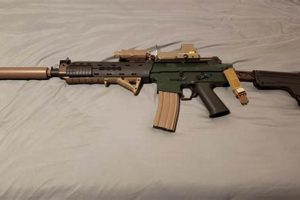
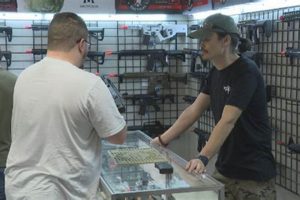
The definition of “airsoft” refers to a recreational shooting sport where participants eliminate opponents by hitting each other with spherical plastic projectiles launched via low-power air weapons. An example of its application is seen in organized skirmishes simulating military or law enforcement scenarios, emphasizing teamwork and strategic thinking.
Understanding the parameters of the activity is important for ensuring safety and fair play among participants. Its appeal stems from the realistic simulation it provides, fostering camaraderie and physical activity. The historical context reveals its evolution from a training tool to a widely enjoyed pastime.
With this foundational understanding established, further discussions can explore topics such as the equipment used, the rules of engagement, the different game types, and the ethical considerations involved in this popular recreational pursuit. Subsequent sections will delve into these key areas to provide a comprehensive overview of the subject matter.
Essential Airsoft Guidance
This section presents key guidance points to maximize enjoyment and safety within the parameters of the sport.
Tip 1: Prioritize Eye Protection: Approved eye protection is non-negotiable. The velocity of projectiles necessitates robust eyewear to prevent serious injury. Example: Use ANSI Z87.1 rated goggles or a full-face mask during all phases of gameplay.
Tip 2: Understand Velocity Limits: Adherence to field-specific velocity restrictions is paramount. Chronographing airsoft weapons before play ensures compliance and prevents unfair advantages. Example: Check the allowed feet per second (FPS) for your rifle at the beginning of each event.
Tip 3: Practice Safe Weapon Handling: Treat every airsoft weapon as if it were loaded. Keep the muzzle pointed in a safe direction and engage the safety mechanism when not actively engaged in a scenario. Example: Avoid flagging other players or yourself with the muzzle.
Tip 4: Communicate Effectively: Clear and concise communication is crucial for team coordination and success. Utilize hand signals and verbal cues to relay information to teammates. Example: Report enemy positions or planned maneuvers using pre-arranged signals.
Tip 5: Know the Field Rules: Familiarize yourself with the specific rules and regulations of each playing field. Understand engagement distances, respawn procedures, and prohibited areas. Example: Check for MED (Minimum Engagement Distance) rules for specific weapons.
Tip 6: Employ Camouflage Strategically: Select camouflage patterns appropriate for the playing environment. Consider vegetation type, terrain, and season to maximize concealment. Example: Use woodland camouflage in forested areas and desert patterns in arid environments.
Tip 7: Maintain Equipment Regularly: Routine maintenance extends the lifespan of airsoft weapons and ensures consistent performance. Clean and lubricate components as needed to prevent malfunctions. Example: Clean the barrel of your rifle after each game day.
This guidance provides a foundational understanding of crucial elements within the sport. Implementing these tips enhances both the individual and collective experience, while promoting safety and responsible participation.
With these essential tips in mind, the article will transition to discussing advanced strategies and tactics, providing a more in-depth exploration of the sport.
1. Simulated combat

Simulated combat forms a cornerstone of airsoft, directly shaping its gameplay, equipment requirements, and strategic considerations. It’s crucial to understanding the nuances involved in airsoft to grasp the extent to which imitated military engagements define the activity.
- Tactical Decision-Making
The core of simulated combat lies in the necessity for tactical decision-making. Participants must evaluate terrain, enemy positions, and available resources to formulate effective strategies. Real-world examples include flanking maneuvers, suppressing fire, and coordinated assaults. In airsoft, this translates to players utilizing cover, communicating with teammates, and adapting their plans to evolving situations on the field. The implications include an emphasis on strategic thinking and problem-solving skills.
- Equipment Realism
Simulated combat also drives the demand for realistic equipment. Airsoft weapons are often designed to replicate the appearance and handling of their real-world counterparts. Players may also utilize tactical gear such as vests, helmets, and communication devices to enhance the sense of immersion and replicate military loadouts. For example, a player might use a replica of an M4 rifle with a red dot sight and a plate carrier. This realism contributes to the overall experience and encourages players to take the simulation seriously.
- Scenario-Based Gameplay
Airsoft games often revolve around scenario-based gameplay. These scenarios can range from simple team deathmatches to complex objective-based missions that require players to coordinate their actions and achieve specific goals. Examples include capturing a flag, defusing a bomb, or rescuing hostages. This type of gameplay emphasizes teamwork, communication, and strategic planning. Its effect on airsoft is to encourage collaboration and offer a challenging and engaging experience.
- Adherence to Safety Protocols
Although simulated, combat carries inherent risks. Consequently, rigorous safety protocols are paramount. These include mandatory eye protection, velocity limits for airsoft projectiles, and rules of engagement that minimize the potential for injury. An example is the mandatory use of full-seal goggles with a high impact rating. These protocols ensure that airsoft remains a safe and enjoyable activity for all participants, while still providing a realistic simulation of combat.
In essence, simulated combat defines the boundaries and expectations within airsoft, dictating the level of realism, the strategic depth, and the inherent safety considerations. This imitation of armed conflict serves as the central element upon which other aspects of the game are built. The connections to other aspects such as teamwork, equipment and adherence to field regulations are clear and are required to simulate this combat.
2. Recreational activity

Participation in the sport provides numerous opportunities for both physical and mental engagement, highlighting its inherent nature as a recreational activity. This dimension significantly influences the overall experience, shaping the social dynamics, physical demands, and mental stimulation associated with the pursuit. Therefore, a comprehension of “airsoft meaning” needs to considers the recreational aspect as a driving force behind involvement.
- Physical Fitness and Exercise
Airsoft inherently promotes physical fitness and exercise. Participants engage in running, sprinting, crawling, and other physical activities while navigating the playing field. A player may run across a field to flank an opponent or crawl through bushes to avoid detection. The ramifications include improved cardiovascular health, increased stamina, and enhanced overall physical conditioning. The recreational enjoyment is therefore directly linked to physical activity.
- Social Interaction and Team Building
The sport facilitates social interaction and team building. Participants must communicate, cooperate, and coordinate their actions with teammates to achieve common goals. This can range from planning a strategic assault to providing cover fire for a teammate. This encourages communication, collaboration, and the development of interpersonal skills. The social element significantly contributes to the recreational experience, fostering camaraderie and a sense of belonging.
- Stress Relief and Mental Engagement
The recreational pursuit serves as a means of stress relief and mental engagement. The focus required to strategize, react to dynamic situations, and execute plans can divert attention away from everyday stressors. The player must concentrate on their surroundings, anticipate enemy movements, and adapt their tactics accordingly. It offers a challenging and engaging mental workout that can help to improve focus, concentration, and problem-solving abilities. This directly contributes to the recreational benefits derived from participation.
- Outdoor Adventure and Exploration
Frequently played in outdoor settings, the sport offers opportunities for outdoor adventure and exploration. Participants can explore diverse environments, navigate varied terrains, and immerse themselves in the natural world. This can involve traversing wooded areas, navigating urban landscapes, or engaging in simulated combat in open fields. This connects individuals with nature, promoting appreciation for the outdoors and providing a refreshing escape from urban environments. The recreational value is amplified by the connection with the outdoors.
The recreational aspect underscores the diverse benefits associated with this simulated combat. It demonstrates that the significance extends beyond mere simulated warfare, encompassing physical fitness, social interaction, mental engagement, and outdoor adventure. When considered in the “airsoft meaning”, the recreational elements adds layers of understanding to the activities popularity and potential for positive experiences.
3. Teamwork emphasis
The necessity for coordinated action directly defines the engagement and outcome of simulated combat scenarios. Collaborative effort is not merely beneficial; it is frequently essential for mission success and player safety, thus underlining the paramount importance of cooperative play in defining “airsoft meaning”.
- Strategic Planning and Coordination
Effective teamwork mandates coordinated tactical development. Successful planning in military situations is a primary example. Units are required to synchronize movements and resources to achieve objectives. In airsoft, this translates to coordinated maneuvers, such as flanking and diversionary tactics. Poor preparation can lead to disorganization, confusion, and increased vulnerability. Efficient coordination results in swift execution of plans and a distinct advantage over uncoordinated opponents. Teamwork dictates strategic elements.
- Communication and Information Sharing
Open and reliable communication is vital. In tactical situations, real-time intelligence sharing is essential. A spotter might relay information about enemy positions to a sniper. In airsoft, this involves verbal communication, hand signals, or radio communication. Failures in communication cause misinterpretations and missed opportunities. Accurate information sharing enables teams to adapt to changing conditions and execute effective counterstrategies. Teamwork is linked to communication and information sharing.
- Division of Roles and Responsibilities
Effective teams assign specific roles based on individual skills. In military units, some personnel specialize in reconnaissance, while others focus on heavy weapons support. In airsoft, individuals may specialize in sniping, assault, or support roles. Clear role assignments maximize the efficiency of the team and leverage the strengths of individual members. This division enhances the overall effectiveness. Teamwork dictate division of roles.
- Mutual Support and Cover Fire
Providing support is a cornerstone of effective teamwork. Soldiers provide covering fire for comrades advancing on an objective. In airsoft, this means protecting teammates while they move, reload, or perform other essential tasks. Mutual support reduces casualties and increases the likelihood of success. Failure to provide support leaves team members vulnerable. Effective covering fire facilitates movement and enables teams to overcome obstacles. Teamwork needs to support each other to keep alive.
These facets highlight the integral connection between coordinated operations and the simulated combat experience. From planning and communication to role specialization and mutual support, teamwork constitutes a fundamental element in determining the effectiveness and success of participants. When considering “airsoft meaning”, the teamwork aspect is essential.
4. Strategic elements

The inclusion of strategic decision-making forms an integral component of the activity. The degree of planning, tactical awareness, and adaptive response directly correlates with a participant’s effectiveness and the overall enjoyment derived from the simulated combat experience. To disregard the strategic components is to misunderstand a fundamental aspect of the activity. For example, a team that haphazardly rushes into an engagement without considering flanking routes or utilizing cover is likely to be quickly eliminated. Conversely, a team that analyzes the terrain, coordinates movements, and anticipates enemy positions stands a significantly higher chance of achieving its objectives. Therefore, the strategic planning defines tactics.
The practical application of strategic thinking is manifested through various in-game scenarios. A common example involves capturing a fortified position. A direct frontal assault is often unsustainable, resulting in heavy casualties. However, a more strategically minded approach might involve a smaller team creating a diversion to draw enemy fire, while a larger group flanks the position from an unexpected angle. Effective communication, synchronized movements, and an understanding of the terrain are all crucial elements in executing such a strategy. Real-world military tactics, such as bounding overwatch and fire-and-maneuver, are frequently adapted and employed within this simulated environment.
In conclusion, a thorough understanding of strategic principles is essential for fully grasping the meaning. The ability to analyze situations, formulate plans, and adapt to changing circumstances distinguishes the activity from a simple shooting game. Furthermore, this comprehension promotes teamwork, communication, and problem-solving skills. While challenges may arise in coordinating complex strategies or overcoming unforeseen obstacles, the emphasis on tactical thinking contributes significantly to the unique and engaging nature of the sport, offering players a challenging and rewarding recreational experience.
5. Equipment usage
The selection and proper utilization of equipment are intrinsic to its core experience. The type of gear employed directly influences the level of realism, player safety, and tactical options available. The simulated weaponry, protective gear, and tactical accessories contribute significantly to the activity’s immersive and strategic nature. For instance, the use of realistic replica firearms allows players to engage in simulated combat scenarios with a heightened sense of authenticity, thereby intensifying the engagement. Without the proper equipment, the activity would lose much of its appeal and practical application.
Protective gear, such as eye protection and face masks, is not merely an accessory but a fundamental requirement for participant safety. The high-velocity projectiles necessitate stringent safety measures to prevent serious injury. Tactical accessories, including communication devices, vests, and slings, enhance a player’s ability to execute strategies and coordinate with teammates. The practical significance of this understanding becomes evident when considering the range of tactical options available. The correct gear allows for various roles and tasks, improving the player experience.
In summary, the correlation between gear employment and the overall meaning of airsoft is significant. Proper equipment contributes to realism, safety, and tactical depth. While challenges may exist in ensuring equipment compliance and balancing realism with affordability, a comprehensive understanding of equipment usage is crucial for enriching the immersive and strategically engaging facets of simulated combat.
6. Adherence regulations

Regulations are foundational to maintaining safety and fair play within the recreational simulated combat environment. Non-compliance directly undermines the integrity of the experience, potentially leading to injuries, disputes, and the erosion of trust among participants. For example, exceeding established velocity limits for projectiles increases the risk of eye injuries, necessitating stringent enforcement of chronographing procedures. Understanding this correlation is essential for grasping its overall intent and ensuring its responsible practice. The absence of adherence compromises safety and fairness.
The practical application of regulations extends to various aspects of gameplay. Field rules often dictate engagement distances, prohibited areas, and acceptable behavior. Ignoring these rules can disrupt the experience for other participants and create potentially dangerous situations. Real-world examples include players using unauthorized equipment or engaging in unsportsmanlike conduct, leading to disqualifications and sanctions. Familiarity with and respect for regulations ensures a level playing field and promotes a positive atmosphere.
In summary, the link between regulatory compliance and the core characteristics is undeniable. Regulations serve as the bedrock for ensuring safety, fairness, and a positive environment for all involved. While challenges may arise in enforcing regulations or addressing instances of non-compliance, a commitment to adherence is essential for upholding the integrity and long-term viability of the activity. The commitment towards “airsoft meaning” needs compliance with the regulations.
Frequently Asked Questions
This section addresses common inquiries regarding the definition and scope of recreational simulated combat.
Question 1: Is simulated combat a violent activity?
The activity simulates combat scenarios for recreational purposes. Strict safety regulations and equipment requirements mitigate the risk of injury. The emphasis is on strategic thinking and teamwork rather than actual harm.
Question 2: What is the minimum age requirement for participation?
Age restrictions vary depending on the specific playing field or organization. Parental consent is typically required for minors. Adherence to age guidelines ensures participant maturity and responsible behavior.
Question 3: Are airsoft weapons considered firearms?
Airsoft weapons are not classified as firearms under most legal definitions. They utilize compressed gas or electric mechanisms to propel plastic projectiles. However, regulations may vary by jurisdiction, requiring responsible handling and storage.
Question 4: What type of eye protection is mandatory?
Full-seal goggles or a full-face mask meeting ANSI Z87.1 standards are required at all times during gameplay. These standards ensure sufficient protection against high-velocity projectiles. Alternative protection is not allowed.
Question 5: How are velocity limits enforced?
Velocity limits are enforced through chronographing, a process of measuring the projectile speed of each weapon before gameplay. Weapons exceeding the established limits are prohibited from use. Enforcement ensures fairness and minimizes injury risk.
Question 6: What are the ethical considerations of participating in simulated combat?
Ethical considerations include respecting field rules, demonstrating sportsmanship, and prioritizing safety. Engaging in responsible behavior promotes a positive experience for all participants. Disregarding ethics is not acceptable.
These answers provide a clearer understanding of the core concepts associated with the activity. Further investigation into specific rules and regulations is recommended.
The discussion will now transition to exploring different types of gameplay and associated strategies.
Conclusion
This exploration has provided a comprehensive overview of “airsoft meaning,” elucidating its multifaceted nature as a recreational activity centered around simulated combat. Key elements include a reliance on strategic teamwork, the responsible use of specialized equipment, and strict adherence to established regulations. Each aspect contributes to the overall experience, shaping the dynamics, challenges, and opportunities inherent within the pursuit.
As participation continues to evolve, a sustained focus on safety, fair play, and ethical conduct is essential for maintaining the integrity and enjoyment of this simulated combat sport. Continued education, diligent rule enforcement, and a commitment to responsible practices will ensure its viability as a challenging and engaging recreational outlet. The value and understanding of the sport should continue to grow within the parameters presented.