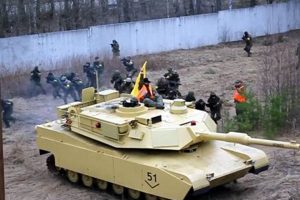
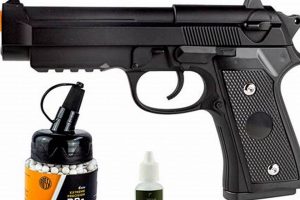
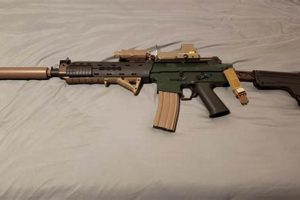
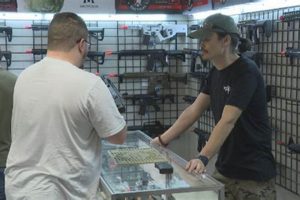
The activity involves simulated combat using realistic replica firearms that discharge 6mm plastic BBs. Practiced across the nation, it offers participants a blend of tactical gameplay, physical exercise, and social interaction, fostering teamwork and strategic thinking in a controlled environment. For instance, organized skirmishes frequently take place on designated sites, replicating real-world scenarios within agreed-upon rules and safety guidelines.
Participation provides a unique outlet for adrenaline-fueled recreation and challenges individuals to develop quick decision-making skills. Its popularity stems from the appeal of immersive scenarios and the opportunity to engage in a collaborative and competitive activity. The development of this recreational pursuit can be traced back several decades, evolving from initial interest in military simulations to a well-established and regulated hobby.
This article will examine the legal framework governing the activity, the types of equipment used, the structure of organized events, and the demographics of those who participate. Furthermore, it will delve into the impact of this recreational pursuit on local communities and the economy, while also addressing ongoing discussions regarding safety and responsible usage.
Guidance for Participation
Individuals considering involvement should familiarize themselves with essential information to ensure a safe and enjoyable experience. Adherence to established guidelines and regulations is paramount.
Tip 1: Legal Compliance: Before acquiring any equipment, verify adherence to the Violent Crime Reduction Act 2006. Replica firearms must meet specific criteria, often requiring a bright coloration, or proof of membership in a registered skirmish site or reenactment group, to legally purchase.
Tip 2: Site Accreditation: Only engage in the activity at recognized and insured skirmish sites. These locations are subject to safety inspections and adhere to established protocols, minimizing risks of injury.
Tip 3: Protective Gear: Wear appropriate personal protective equipment (PPE), including full-face protection, such as goggles or masks meeting recognised safety standards (e.g., EN166 B), at all times during gameplay. Additional padding for knees and elbows is also recommended.
Tip 4: Gun Handling: Exercise caution when handling replica firearms. Keep the weapon pointed in a safe direction, with the safety engaged, unless actively engaged in gameplay. Never point the weapon at anyone outside of designated game zones.
Tip 5: Understanding Game Rules: Familiarize yourself with the specific rules of each skirmish or event. These rules govern engagement distances, allowable firing modes, and dispute resolution, ensuring fair play and safety.
Tip 6: Chronograph Testing: Before participating, ensure your replica firearm is tested using a chronograph to confirm it adheres to the site’s velocity limits (typically measured in feet per second – FPS). Exceeding these limits can cause injury and is strictly prohibited.
Tip 7: Responsible Storage: When not in use, store replica firearms securely, out of reach of children and unauthorized individuals. Ideally, they should be kept in a locked case or container, separate from ammunition.
By following these guidelines, participants can contribute to a safe and enjoyable environment, preserving the integrity of the activity.
The following sections will address equipment considerations and advanced tactical approaches.
1. Legislation

The enactment of the Violent Crime Reduction Act 2006 (VCRA) significantly impacted the practice within the UK. A primary effect of the VCRA is the restriction on the sale, manufacture, and importation of Realistic Imitation Firearms (RIFs). Under this law, RIFs, which include many devices used in this sport, must be predominantly colored bright red, orange, yellow, green, blue, pink, or purple. The intention of the legislation is to reduce the risk of RIFs being mistaken for real firearms and being used in criminal activities. Therefore, adherence to these colouration requirements is a critical component of participation.
However, exceptions exist within the VCRA. Individuals are permitted to possess non-coloured RIFs if they are registered skirmishers at insured and accredited game sites. This exception necessitates a form of membership or verifiable participation in organized events, establishing a legitimate reason for owning a realistic-looking device. For example, possessing a black or otherwise realistically coloured replica without valid membership can lead to legal consequences, including seizure of the device and potential prosecution. These exemptions highlight the importance of the industry’s self-regulation, including stringent membership policies implemented by sites to ensure compliance.
In summary, the VCRA necessitates a nuanced understanding of its provisions for individuals engaging in the activity within the UK. While it introduces restrictions on the appearance of RIFs, it also provides pathways for responsible ownership and usage through participation in organized skirmishes. The legal framework, therefore, defines the boundaries within which this sport can operate, emphasizing responsible ownership and participation as essential elements. Continued compliance and awareness of evolving legal interpretations remain crucial for the long-term viability and acceptance of this recreational pursuit.
2. Site accreditation

Site accreditation within the UK’s landscape functions as a cornerstone for safety and regulatory compliance. It represents a structured process by which venues hosting skirmishes demonstrate adherence to specific operational standards. These standards encompass risk assessments, insurance coverage, first-aid provisions, and adherence to legal requirements pertaining to firearms and public safety. The presence of accredited sites directly mitigates the inherent risks associated with simulated combat activities, ensuring a controlled environment for participants.
The United Kingdom Airsoft Site Operators Association (UKASO) is one such body that plays a role in site accreditation. UKASO sets standards and guidelines to promote safe gameplay. The accreditation process typically involves inspections, documentation reviews, and ongoing monitoring. Accredited sites are more likely to have trained marshals, clearly defined safety rules, and procedures for handling emergencies. Unaccredited sites, conversely, may lack these safeguards, potentially exposing participants to elevated levels of risk and potential legal liabilities. For example, scenarios involving accidental injuries stemming from inadequate site management or safety oversight are more likely to occur at unaccredited venues.
Ultimately, site accreditation contributes significantly to the legitimacy and sustainability of the sport within the UK. It provides a framework for responsible operation, promotes player safety, and facilitates positive interactions with local communities and authorities. Understanding the importance of site accreditation empowers players to make informed choices, ensuring that they engage in the activity in a safe and regulated environment. Choosing accredited sites is not merely a matter of preference, but a responsible decision that reinforces the integrity of the community.
3. Equipment regulations

Equipment regulations are integral to the structure of organised skirmishes and the safety protocols governing the recreational activity within the UK. These regulations dictate permissible specifications for replica firearms and protective gear, ensuring fair gameplay and minimizing the risk of injury. Non-compliance can result in exclusion from events and, in some cases, legal repercussions.
- Velocity Limits
Velocity limits, typically measured in feet per second (FPS) with 0.20g BBs, are strictly enforced at UK skirmish sites. These limits vary depending on the type of replica firearm and the engagement distance. For instance, standard assault rifles often have a limit of 350 FPS, while sniper rifles may have a slightly higher limit but necessitate minimum engagement distances. These restrictions prevent excessive force upon impact and reduce the likelihood of injury. Chronograph testing is conducted before gameplay to ensure all devices adhere to these specified thresholds.
- Protective Gear Standards
Mandatory protective gear, specifically eye protection, must meet recognized safety standards. EN166 B rated goggles or full-face masks are commonly required to withstand impacts from BBs. Some sites also mandate lower face protection to safeguard teeth and gums. This gear undergoes testing to ensure it can reliably withstand the impact from a BB fired at close range. The enforcement of these standards is vital in preventing serious eye injuries, which are a primary concern in this recreational activity.
- Replica Firearm Modifications
Regulations govern modifications to replica firearms, often prohibiting alterations that increase velocity beyond legal or site-specific limits. Modifying internal components to enhance power output can lead to expulsion from skirmishes. Certain modifications, such as the addition of lasers that do not meet safety standards, are also generally prohibited. These rules aim to prevent accidental or intentional breaches of velocity limits and maintain a level playing field among participants.
- Ammunition Restrictions
Regulations often limit the type and weight of ammunition used. Biodegradable BBs are frequently mandated at outdoor sites to minimize environmental impact. Restrictions on BB weight ensure consistent chronograph readings and prevent participants from circumventing velocity limits by using heavier projectiles. The use of metal or other non-approved projectiles is strictly prohibited due to the potential for serious injury.
The enforcement of equipment regulations underscores a commitment to safety and fair play within the UK. These regulations not only minimize the risk of injury but also contribute to a standardized and enjoyable experience for all participants. Adherence to these guidelines is essential for preserving the integrity and responsible operation of this recreational activity.
4. Gameplay scenarios

Gameplay scenarios form the core experience, shaping participant engagement and strategic considerations within the pursuit in the UK. These scenarios, ranging from straightforward skirmishes to complex, objective-based missions, dictate tactical approaches, equipment choices, and overall immersion for individuals involved.
- Team Deathmatch (TDM)
TDM involves two teams competing to eliminate all members of the opposing team or achieve a predetermined number of eliminations within a specified time. This scenario emphasizes aggressive tactics and quick reflexes. For example, participants might utilize flanking maneuvers and suppressive fire to gain an advantage. Its simplicity makes it a common introductory scenario, fostering teamwork and basic tactical skills.
- Capture the Flag (CTF)
CTF challenges teams to capture the opposing team’s flag while defending their own. This scenario necessitates a balance between offensive and defensive strategies. Participants often coordinate movements to breach enemy lines and retrieve the flag while simultaneously protecting their base. The scenario highlights the importance of communication and role specialization within a team.
- Objective-Based Missions
Objective-based missions present participants with specific tasks to accomplish, such as securing a designated location, retrieving intelligence, or disabling a simulated explosive device. These missions often involve intricate storylines and require collaborative problem-solving. An example might involve a team infiltrating a fortified building to extract a hostage. This type of scenario demands strategic planning, coordinated execution, and adaptability.
- MilSim (Military Simulation)
MilSim scenarios aim to replicate real-world military operations, emphasizing realism and adherence to tactical protocols. These events often involve extended durations, specialized equipment, and strict chain-of-command structures. Participants might simulate reconnaissance missions or large-scale assaults on fortified positions. MilSim scenarios require extensive preparation and teamwork, providing a highly immersive and challenging experience.
These gameplay scenarios, representative of the diversity available in the UK, illustrate the range of experiences offered. Each scenario demands a unique set of skills and tactical considerations, contributing to the ongoing evolution and enduring appeal of this recreational pursuit.
5. Community standards

The integrity and sustainability of this recreational activity within the UK are inextricably linked to the adherence to and enforcement of community standards. These standards, often informally codified and maintained through peer influence, dictate acceptable conduct, ensuring safety, fairness, and positive interactions among participants and with the broader public.
- Honesty and Fair Play
Honesty in reporting hits and adhering to site rules forms the bedrock of ethical gameplay. “Calling hits” accurately, even when unobserved, demonstrates integrity and respects the rules. Conversely, failing to acknowledge being hit undermines the fairness of the game and creates a negative experience for others. This aspect directly influences the overall quality of the skirmish and the camaraderie among players. For example, a player consistently suspected of not calling hits might face ostracism from the community.
- Respect for Safety Protocols
Strict adherence to safety protocols, including wearing appropriate eye protection and observing minimum engagement distances, is paramount. Disregard for these rules poses a direct threat to the safety of oneself and others. Site marshals are responsible for enforcing these protocols, but individual responsibility plays a crucial role. Instances of reckless behaviour, such as removing eye protection during gameplay, are swiftly addressed to maintain a safe environment.
- Responsible Gun Handling
Safe handling of replica firearms, both on and off the skirmish field, is essential for maintaining a positive public perception. This includes keeping weapons secured and out of sight when not in use and treating them with the same respect as real firearms. Instances of brandishing replica firearms in public areas can lead to misunderstandings and potentially trigger law enforcement intervention, negatively impacting the perception of the community.
- Environmental Consciousness
Environmental consciousness involves using biodegradable BBs at outdoor sites and minimizing littering. Responsible disposal of waste and adherence to site-specific environmental guidelines are crucial for preserving natural environments used for skirmishes. Failure to uphold these standards can lead to site closures and damage the relationship between the community and landowners.
In summation, community standards directly influence the safety, fairness, and public perception of this recreational activity within the UK. Adherence to these standards fosters a positive environment for participants and strengthens the legitimacy and long-term viability of the activity.
Frequently Asked Questions
This section addresses frequently asked questions to clarify key aspects and allay concerns regarding participation in the activity within the United Kingdom.
Question 1: Is it legal to own a replica firearm within the UK?
The Violent Crime Reduction Act 2006 governs the ownership of Realistic Imitation Firearms (RIFs). Replica firearms must be brightly coloured (e.g., orange, blue, green) unless the owner is a registered skirmisher at an insured and accredited site. Proof of membership or regular participation is required to possess a non-coloured RIF legally.
Question 2: What safety equipment is essential for participation?
Eye protection meeting EN166 B standards (goggles or full-face masks) is mandatory at all accredited skirmish sites. Additional protection, such as lower-face masks and appropriate clothing, is highly recommended to minimize the risk of injury.
Question 3: How are velocity limits enforced at skirmish sites?
Velocity limits, measured in feet per second (FPS) using 0.20g BBs, are enforced through chronograph testing. All replica firearms are tested before gameplay to ensure compliance with site-specific restrictions. Devices exceeding velocity limits are prohibited from use.
Question 4: What should individuals do if they witness unsafe behaviour during a skirmish?
Individuals observing unsafe behaviour, such as disregard for eye protection or reckless handling of replica firearms, should immediately report the incident to site marshals. Prompt reporting helps ensure the safety of all participants.
Question 5: What measures are in place to ensure responsible disposal of BBs at outdoor sites?
Many outdoor sites mandate the use of biodegradable BBs to minimize environmental impact. Participants are also expected to collect and dispose of any litter, including spent BBs, responsibly. Site operators often conduct regular clean-up activities to maintain the environment.
Question 6: What steps should be taken to transport replica firearms legally?
Replica firearms should be transported in a secure case or container, out of sight and separate from ammunition. When travelling to and from skirmish sites, individuals should carry proof of membership or site booking confirmation to demonstrate a legitimate reason for possessing the replica firearm.
Understanding these frequently asked questions facilitates informed participation and ensures adherence to regulatory and safety standards.
The next section explores advanced tactical considerations and strategic planning for participants.
Conclusion
This examination of “airsoft in the uk” has illuminated the key aspects of this recreational activity, including its legal framework, safety protocols, equipment regulations, gameplay dynamics, and community standards. The analysis reveals that participation within the UK is shaped by a complex interplay of legal requirements, self-regulation by site operators, and individual responsibility among players.
Sustained engagement in organized skirmishes, underpinned by adherence to established guidelines and a commitment to ethical gameplay, is crucial for maintaining the positive trajectory of “airsoft in the uk”. Promoting responsible usage and fostering a culture of safety ensures the continued viability and acceptance of this activity within the broader community.