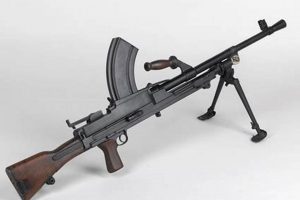
The condition where a user attempts to discharge an airsoft replica firearm and it fails to expel a projectile is a common issue encountered by players. This malfunction can manifest in several ways, including a complete failure to cycle, a weak or inconsistent shot, or the presence of unusual noises without projectile launch.
Addressing this type of malfunction is crucial for maintaining operational readiness and ensuring a positive experience during airsoft activities. Properly diagnosing and rectifying the issue prevents unnecessary downtime, minimizes potential damage to the internal components of the replica firearm, and allows players to remain engaged in gameplay. The issue has existed since the advent of the sport, requiring various troubleshooting techniques as technologies evolve.
The following sections will detail the common causes behind this operational failure, focusing on potential problems with the battery, magazine, hop-up unit, and internal mechanics. These areas represent the most frequent sources of the described malfunction, and a systematic approach to their examination will usually resolve the issue.
Troubleshooting Steps for Airsoft Replica Firearm Malfunction
When an airsoft replica firearm fails to discharge a projectile, a systematic approach to diagnosis and repair is necessary. The following steps outline common issues and their corresponding solutions.
Tip 1: Battery Verification: Ensure the battery is fully charged and properly connected. Insufficient voltage can prevent the motor from engaging, resulting in failure to fire. Use a multimeter to verify voltage output matches specifications.
Tip 2: Magazine Inspection: Confirm the magazine is correctly inserted and properly feeding BBs. A misaligned or empty magazine will prevent the loading mechanism from functioning. Manually cycle the magazine to verify BBs are advancing.
Tip 3: Hop-Up Adjustment: Verify the hop-up unit is correctly adjusted. Excessive or insufficient hop-up can obstruct the BB’s path. Reset the hop-up to its default setting and test fire, adjusting incrementally.
Tip 4: BB Quality Control: Ensure high-quality BBs are being used. Low-quality BBs can be inconsistent in size and shape, causing jams. Use only reputable brands of BBs designed for airsoft replica firearms.
Tip 5: Barrel Obstruction Check: Inspect the inner barrel for obstructions. Foreign materials can prevent BBs from exiting. Use a cleaning rod to carefully clear any obstructions.
Tip 6: Motor and Gearbox Assessment: Listen for any unusual noises emanating from the motor or gearbox when attempting to fire. Unusual sounds can indicate a mechanical issue requiring professional repair.
Tip 7: Fuse Examination: Check the fuse to determine if it has blown. A blown fuse indicates a short circuit or electrical overload. Replace the fuse with one of the same amperage rating.
By systematically addressing these potential problems, most common instances of airsoft replica firearm malfunctions can be resolved. Proper maintenance and careful handling are essential for preventative care and reliable operation.
The subsequent section will address more advanced troubleshooting techniques, including gearbox disassembly and component replacement, which may require specialized knowledge and tools.
1. Battery Power

Battery power constitutes a critical element in the operational functionality of electric airsoft replica firearms. A deficiency in the battery’s output voltage or amperage directly impacts the motor’s ability to initiate the gearbox cycle, subsequently preventing the replica from firing. A discharged battery, or one with insufficient power delivery for the replica’s specifications, is a prevalent cause of firing malfunctions. For example, attempting to use a 7.4V LiPo battery in a replica designed for a 9.6V NiMH battery will likely result in the gun’s failure to fire or exhibiting significantly reduced performance.
Proper battery selection and maintenance are therefore essential for ensuring consistent and reliable operation. Utilizing a battery charger specifically designed for the battery chemistry (e.g., LiPo, NiMH) is paramount to prevent overcharging, which can damage the battery and reduce its lifespan. Regularly monitoring battery voltage and adhering to manufacturer-recommended storage practices contributes to its longevity and sustained performance. Furthermore, understanding the replica’s power requirements, typically outlined in the user manual, enables the informed selection of batteries with appropriate voltage and discharge rates.
In summary, inadequate battery power frequently results in a replica’s failure to fire. This emphasizes the significance of utilizing batteries with the correct voltage and amperage, employing appropriate charging methods, and adhering to proper maintenance procedures. Addressing this aspect of the replica’s operation proactively minimizes the occurrence of such malfunctions and contributes to sustained and reliable performance. Recognizing this connection between battery power and operational functionality is fundamental to consistent use.
2. Magazine Feed
A compromised magazine feed system is a common instigator of airsoft replica firearms failing to discharge. The mechanism responsible for presenting BBs to the chamber must function correctly to enable firing. If the magazine does not reliably push BBs upward with sufficient force, or if the BBs are misaligned within the magazine, the replica will not be able to load a BB into the firing chamber, and consequently, discharge is impossible. A real-world scenario involves magazines with weakened springs; these springs lose their tension over time, resulting in an inability to consistently feed BBs, particularly when the magazine is nearly empty. The effective operation of the feed mechanism is, therefore, directly linked to functionality.
Furthermore, the type of magazine employed can influence the reliability of the feed. High-capacity magazines, while offering a large BB reservoir, are more susceptible to jamming or misfeeds due to the complex winding mechanisms they utilize. Mid-capacity magazines, often relying on simpler spring-loaded designs, tend to offer greater reliability, albeit with a reduced BB capacity. Cleaning and maintaining magazines, regardless of type, are crucial. Dirt and debris can accumulate within the magazine, obstructing the BB pathway and leading to feed failures. Disassembling the magazine (when possible and safe) for cleaning can resolve many feeding issues. Another consideration is the compatibility of the magazine with the specific replica. Some magazines are designed to function optimally with certain brands or models of replicas, and using an incompatible magazine can lead to feeding problems.
In summary, the magazine’s ability to reliably present BBs to the firing chamber is paramount for the proper functioning of an airsoft replica. Spring tension, magazine type, cleanliness, and compatibility all contribute to the reliability of the feed mechanism. Addressing potential issues within the magazine feed system is a critical step in diagnosing and resolving instances where a replica fails to discharge. A focus on magazine maintenance, appropriate magazine selection, and understanding the mechanisms within the magazine feed system will improve reliability and reduce instances of a replica failing to operate as intended.
3. Hop-Up Setting

The hop-up unit in an airsoft replica firearm imparts backspin to the BB, increasing its range and accuracy. An improperly adjusted hop-up setting can significantly contribute to instances where the replica fails to discharge a projectile effectively, or at all. The setting manipulates the interaction between the BB and the internal barrel, therefore its adjustment is paramount for functionality.
- Excessive Hop-Up
An overly aggressive hop-up setting applies excessive backspin to the BB. This can cause the BB to rise sharply and stall within the barrel, potentially obstructing subsequent projectiles. This obstruction prevents proper cycling and results in a failure to fire. In extreme cases, the BB may become lodged so firmly that it requires disassembly to remove.
- Insufficient Hop-Up
Conversely, an inadequate hop-up setting provides insufficient backspin. The BB will then follow a steep downward trajectory, limiting range and potentially failing to clear the barrel completely. The BB might dribble out of the barrel with little to no force. Although not technically a “failure to fire” in the strictest sense, the severely reduced velocity and range render the replica functionally inoperable.
- Misaligned Hop-Up Bucking
The hop-up bucking is the rubber component that directly interacts with the BB to impart backspin. If the bucking is misaligned or damaged, it can create an uneven contact surface. This results in inconsistent backspin, leading to unpredictable trajectories, barrel obstructions, or failures to feed properly. A torn or worn bucking may also fail to seal effectively, reducing air pressure and decreasing projectile velocity.
- Contamination of Hop-Up Unit
The hop-up unit is susceptible to contamination from dirt, debris, and lubricant. This contamination can alter the friction between the bucking and the BB, disrupting the intended backspin effect. Excess lubricant, in particular, can cause the BB to slip and fail to engage the hop-up effect, leading to reduced range or even barrel obstructions. Regular cleaning and maintenance of the hop-up unit are essential to prevent such issues.
The proper calibration and maintenance of the hop-up unit are critical for achieving optimal performance in an airsoft replica. Incorrect settings, misalignment, or contamination can all impede the replica’s ability to discharge BBs effectively, emphasizing the importance of understanding this component’s function and addressing any potential issues proactively. In the instances where a replica fails to fire, hop-up setting should be one of the first components assessed to return it to functioning capacity.
4. BB Quality
The quality of the BB projectile directly impacts the operational reliability of airsoft replica firearms. Deviations from specified standards in BB manufacturing can introduce malfunctions, ultimately leading to a failure to discharge. Consistent BB quality is therefore paramount to consistent operation.
- Diameter Variance
BBs are manufactured to a nominal diameter, typically 6mm. Significant deviations from this standard, even by fractions of a millimeter, can cause feeding issues. Oversized BBs may become lodged in the magazine or barrel, obstructing the firing mechanism and preventing discharge. Undersized BBs may not engage the hop-up unit correctly, leading to inconsistent trajectories and reduced range, effectively simulating a failure to fire. A BB diameter variation, even slight, is often enough to cause the described malfunctions.
- Surface Imperfections
BBs with surface imperfections, such as seams, dimples, or flashing, can disrupt the smooth flow of the BB through the replica’s internal components. These imperfections increase friction, causing jams in the magazine, hop-up unit, or barrel. This increased friction impedes the correct firing sequence, resulting in either a complete failure to fire or significantly reduced projectile velocity. A smooth, polished surface is essential for reliable operation.
- Material Consistency
The material composition of the BB affects its structural integrity and shatter resistance. Low-quality BBs, often made from brittle plastics, are prone to shattering upon impact within the replica’s internal components, particularly within the gearbox or barrel. These fragments can accumulate and obstruct the firing mechanism, leading to a malfunction and preventing subsequent BBs from being discharged. Consistent material composition across all BBs in use minimizes the risk of fragmentation and subsequent malfunctions.
- Weight Inconsistency
Variations in BB weight impact trajectory and range. Inconsistent weights lead to unpredictable shots, but more critically, can cause feeding problems. Lighter BBs may not reliably activate the magazine feeding mechanism, while heavier BBs may strain the motor and gearbox, potentially leading to a failure to cycle. A uniform weight distribution across all BBs in use is essential for reliable feeding and consistent performance.
The preceding facets underscore the critical role of BB quality in maintaining the operational integrity of airsoft replica firearms. Utilizing high-quality BBs, adhering to specified diameter tolerances, ensuring smooth surface finishes, verifying material consistency, and maintaining consistent weight distribution are all essential to minimizing the risk of malfunctions and ensuring reliable discharge. When troubleshooting instances where a replica fails to fire, BB quality should be a primary consideration, with substandard BBs frequently being the root cause of operational issues.
5. Barrel Obstruction
Barrel obstruction is a common cause when an airsoft replica fails to discharge. The inner barrel serves as the conduit through which the BB projectile travels, and any impediment within this pathway directly prevents the expulsion of the BB, resulting in a non-functional state.
- Debris Accumulation
Foreign materials, such as dirt, dust, grass, or fragments from shattered BBs, can accumulate within the barrel. This accumulation creates a physical barrier, preventing the BB from passing through. Regular cleaning of the inner barrel is essential to remove any accumulated debris and maintain a clear passage. A lack of cleaning will invariably lead to a complete stoppage of function.
- BB Jams
Using low-quality BBs or BBs of inconsistent size can lead to jams within the barrel. An oversized BB may become lodged in the barrel, while undersized BBs can create a cascading effect, leading to multiple BBs jamming together. This type of obstruction requires careful removal to avoid damaging the inner barrel. The use of only high-quality BBs of the correct size mitigates the risk of jams.
- Lubricant Buildup
While lubrication is necessary for certain components of an airsoft replica, excessive lubricant in the barrel can attract dirt and grime, creating a sticky residue that obstructs the BB’s path. The type of lubricant used is also critical, as some lubricants can react negatively with the barrel material or BB composition, leading to residue buildup. Proper lubrication techniques and the selection of appropriate lubricants are crucial.
- Inner Barrel Damage
Physical damage to the inner barrel, such as dents, bends, or scratches, can create obstructions or constrictions that impede the BB’s passage. Such damage may result from improper cleaning techniques, accidental impacts, or the use of overly aggressive cleaning tools. A damaged inner barrel necessitates replacement to restore proper functionality.
The preceding examples demonstrate the multifaceted nature of barrel obstructions. Addressing these potential issues through regular maintenance, careful BB selection, and proper handling of the replica is essential for preventing malfunctions and ensuring consistent performance. The failure to address barrel obstructions will invariably result in the described condition, highlighting the importance of proactive care.
6. Gearbox Function

The gearbox represents the core mechanical system in many airsoft replica firearms. Its proper function is essential for converting electrical energy into the kinetic energy required to propel a BB. Malfunctions within the gearbox directly contribute to the condition where an airsoft replica fails to discharge, rendering the device inoperable.
- Motor Engagement Failure
The motor initiates the gearbox cycle. If the motor fails to engage the gears due to electrical issues, mechanical obstruction, or motor burnout, the gearbox will not cycle. Symptoms include a lack of sound or only a humming noise upon attempting to fire. A damaged motor, worn motor pinion gear, or incorrectly adjusted motor height can cause this failure, all preventing firing.
- Gear Stripping or Breakage
The gears within the gearbox transmit power from the motor to the piston. Stripped or broken gears interrupt this power transfer, preventing the piston from cycling. This can result from excessive stress, low-quality gears, or improper shimming. The result is a failure to compress air and propel a BB. Gear failures halt the entire operation.
- Piston and Cylinder Issues
The piston and cylinder assembly compresses air to propel the BB. A cracked piston, damaged cylinder head, or worn piston o-ring will compromise the air seal, resulting in insufficient compression. This leads to a weak or nonexistent shot, effectively simulating a failure to fire. Regular inspection and maintenance of these components is crucial for sustained function.
- Anti-Reversal Latch Malfunction
The anti-reversal latch prevents the gears from rotating backward, ensuring a complete cycle. If the anti-reversal latch fails to engage properly, the gears may spin freely, or the cycle may be incomplete, resulting in a failure to load and fire a BB. A broken or worn anti-reversal latch requires replacement to restore correct gearbox operation and prevent discharge failures.
These facets highlight the interdependence of components within the gearbox and their impact on the airsoft replica’s ability to fire. Addressing malfunctions within the gearbox requires a thorough understanding of its internal mechanisms and the ability to diagnose and repair issues affecting motor engagement, gear integrity, compression, and cycle control. A properly functioning gearbox is fundamental to reliable and consistent operation.
7. Fuse Integrity

Fuse integrity is a critical factor in the operational functionality of electric airsoft replica firearms. The fuse serves as a protective device within the electrical circuit, preventing damage from overcurrent or short circuits. A compromised fuse directly correlates to instances where the replica will not discharge, effectively disabling the weapon. Its role as a safeguard directly influences operational status.
- Fuse Blown Due to Overcurrent
An overcurrent situation arises when the electrical current exceeds the fuse’s rated amperage. This can occur due to a short circuit, a malfunctioning motor, or excessive strain on the electrical system. The fuse, designed to protect the circuit, will blow, interrupting the current flow and preventing the replica from firing. For example, if a 20-amp fuse is installed in a circuit experiencing a 25-amp current flow, the fuse will likely blow. This blown fuse means no electricity is delivered to the components, rendering the replica unable to shoot.
- Incorrect Fuse Amperage Rating
Using a fuse with an incorrect amperage rating can also cause issues. If a fuse with a lower amperage rating than required is installed, it will blow prematurely under normal operating conditions. Conversely, a fuse with a higher amperage rating will not provide adequate protection, potentially allowing damage to occur to other components before the fuse blows. Inserting a 10-amp fuse into a system designed for a 20-amp fuse will result in frequent fuse failures and an inoperable replica. The amperage of the fuse protects the weapon; it must be correct.
- Fuse Corrosion or Damage
Corrosion or physical damage to the fuse or fuse holder can increase resistance within the circuit. This increased resistance can generate heat, leading to premature fuse failure. Corroded contacts may also prevent proper electrical contact, resulting in intermittent or complete circuit interruption. For instance, exposure to moisture can cause corrosion on the fuse terminals, hindering electrical flow and preventing the replica from operating.
- Fuse Holder Malfunction
The fuse holder is the component that physically secures the fuse within the circuit. A damaged or malfunctioning fuse holder can prevent proper electrical contact, even if the fuse itself is intact. Loose connections, broken contacts, or corrosion within the fuse holder can all disrupt the circuit and prevent the replica from firing. A loose fuse holder may cause intermittent power loss, resulting in inconsistent performance or a complete inability to discharge.
In conclusion, the fuse and its associated components play a critical role in ensuring the safe and reliable operation of electric airsoft replica firearms. Maintaining fuse integrity through proper fuse selection, regular inspection, and protection from corrosion is essential for preventing malfunctions and ensuring consistent performance. A compromised fuse, whether due to overcurrent, incorrect rating, corrosion, or holder malfunction, directly inhibits the replica’s ability to discharge, underscoring the importance of this often-overlooked component.
Frequently Asked Questions
The following questions and answers address common concerns related to instances where airsoft replicas fail to discharge properly. These responses offer practical guidance and informative insights into potential causes and resolutions.
Question 1: What is the most frequent reason an airsoft replica ceases firing?
A discharged battery, resulting in insufficient power to engage the motor and gearbox, represents a primary cause. Verification of battery charge and correct voltage is a necessary first step in troubleshooting.
Question 2: Can BB quality affect the firing mechanism?
Substandard BBs, characterized by inconsistent size, shape, or material, can cause jams within the magazine, hop-up unit, or barrel, impeding the firing sequence.
Question 3: How does the hop-up unit influence the functionality of the replica?
An improperly adjusted hop-up setting can obstruct the BB’s trajectory or impede its passage through the barrel. Adjustments should be incremental to achieve optimal performance.
Question 4: What potential issues within the gearbox can prevent firing?
Gear stripping, piston damage, or anti-reversal latch malfunction can disrupt the mechanical cycle necessary to compress air and propel a BB, rendering the replica inoperable.
Question 5: Why is it important to check the fuse when troubleshooting firing issues?
A blown fuse indicates an overcurrent situation or short circuit, interrupting the electrical flow required to power the motor and initiate the firing sequence. A replacement fuse with the correct amperage rating may resolve the issue.
Question 6: How can barrel obstructions be prevented?
Regular cleaning of the inner barrel using a cleaning rod and the consistent use of high-quality BBs minimize the risk of debris accumulation and jams, ensuring a clear pathway for projectile expulsion.
These questions highlight the key areas to investigate when an airsoft replica fails to fire. A systematic approach to troubleshooting, addressing these potential issues, will often identify the root cause and facilitate resolution.
The next section will delve into advanced maintenance procedures, emphasizing preventative measures to minimize the occurrence of these malfunctions and extend the lifespan of the replica firearm.
Conclusion
The preceding exploration of circumstances where an airsoft gun won’t shoot has detailed various potential causes, ranging from simple issues like discharged batteries and magazine misfeeds to more complex problems involving gearbox malfunctions and electrical failures. Proper maintenance and an understanding of the internal mechanisms are crucial to preventing such issues.
Addressing a non-firing airsoft gun requires a systematic approach to diagnosis and repair. Consistent maintenance, careful selection of components, and adherence to safety protocols will contribute to the longevity and reliability of these devices. Prioritizing these measures allows for consistent operation of airsoft guns.