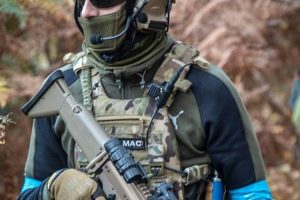
Protective equipment worn on the head during airsoft gameplay is crucial for player safety. This category encompasses items like helmets, masks, and goggles, designed to shield the wearer from impacts from plastic projectiles. A full-face mask, for instance, provides comprehensive protection for the eyes, nose, mouth, and ears.
The utilization of appropriate cranial protection significantly reduces the risk of injury during airsoft activities. It prevents facial lacerations, eye damage, and potential concussions from close-range engagements. Historically, early airsoft players often used makeshift solutions, but the evolution of the sport has led to the development of specialized, durable, and purpose-built equipment prioritizing player well-being.
The following sections will delve into the specific types of protection available, examining their features, materials, and levels of safeguarding to facilitate informed purchasing decisions. Considerations such as ventilation, compatibility with other gear, and user comfort will also be addressed.
Airsoft Headgear
The following provides practical guidance for choosing and maintaining protective headwear for airsoft, ensuring both safety and longevity.
Tip 1: Prioritize Impact Resistance: Ensure equipment meets or exceeds relevant safety standards. Look for certifications from organizations like ANSI or EN, indicating a tested level of protection against projectile impacts.
Tip 2: Secure Proper Fit: A snug, comfortable fit is essential. Loose equipment can shift during gameplay, compromising protection. Adjustable straps and padding can customize the fit for individual head sizes.
Tip 3: Consider Ventilation: Adequate ventilation prevents fogging and overheating. Mesh panels or integrated fan systems can improve airflow, particularly in warm conditions.
Tip 4: Evaluate Material Durability: Choose equipment constructed from robust materials such as polycarbonate or reinforced polymers. These materials offer greater resistance to cracking and shattering.
Tip 5: Maintain Lens Clarity: Regularly clean lenses with a microfiber cloth and approved cleaning solutions. Scratched or dirty lenses can impair vision and compromise safety.
Tip 6: Inspect Before Each Use: Thoroughly inspect equipment for cracks, loose straps, or other signs of damage before each game. Replace damaged gear immediately.
Tip 7: Storage Matters: Store headwear in a cool, dry place away from direct sunlight and extreme temperatures. Proper storage can prevent material degradation.
Adhering to these guidelines ensures the reliable performance of protective headwear, minimizing the risk of injury during airsoft activities.
The subsequent sections will address specific types of headwear and their applications, allowing for a more informed selection based on individual needs and playing styles.
1. Protection

The primary purpose of headwear in airsoft is safeguarding the wearer from potential injuries caused by impacts from plastic projectiles. The level of protection offered is paramount and directly influences the user’s safety during gameplay.
- Impact Resistance
This refers to the headwear’s ability to withstand the force of incoming projectiles without penetration or deformation. Materials such as polycarbonate and reinforced polymers are commonly used to achieve high impact resistance. A helmet with inadequate impact resistance may shatter upon impact, failing to protect the user’s head.
- Coverage Area
The extent of head coverage provided by the equipment is crucial. Full-face masks offer complete protection for the eyes, nose, mouth, and ears, while helmets may focus on protecting the cranial region. Insufficient coverage can leave vulnerable areas exposed to potential injury.
- Eye Protection Standards
Specific standards, such as ANSI Z87.1, dictate the level of impact resistance required for eye protection components. Goggles and masks integrated into headwear must meet these standards to ensure adequate safeguarding of the eyes. Non-compliant eye protection poses a significant risk of eye injury.
- Padding and Shock Absorption
Internal padding and shock-absorbing materials help to dissipate the force of impacts, reducing the risk of concussions or other head trauma. Properly designed padding enhances the overall protective capabilities of the equipment. Inadequate padding increases the risk of injury from projectile impacts.
The interplay of impact resistance, coverage area, eye protection standards, and internal padding collectively determines the overall protective capability of airsoft headwear. Each facet contributes to minimizing the risk of injury, ensuring player safety during airsoft activities. The absence of any of these features diminishes the protective effectiveness of the gear.
2. Comfort

Sustained wearability is a critical attribute of protective headwear in airsoft. User comfort directly influences focus, reaction time, and overall performance during extended gameplay. Discomfort can lead to distraction, potentially compromising safety and effectiveness.
- Weight Distribution
The distribution of weight across the head significantly impacts comfort levels. Equipment with uneven weight distribution can cause strain on the neck and head muscles, leading to fatigue and discomfort. Lightweight materials and balanced designs are crucial for minimizing strain. A helmet concentrated entirely at the front will be less comfortable than one with more balanced distribution.
- Padding Materials and Placement
The type and placement of internal padding play a vital role in cushioning the head and absorbing impacts. Moisture-wicking materials enhance comfort by preventing sweat buildup. Poorly placed or inadequate padding can create pressure points, leading to discomfort and even headaches. Dense foam padding at pressure points can dramatically improve comfort.
- Ventilation and Breathability
Adequate ventilation is essential for regulating temperature and preventing overheating during strenuous activity. Insufficient airflow can lead to excessive sweating and discomfort. Mesh panels or integrated fan systems promote breathability and reduce moisture buildup. A sealed helmet lacking ventilation becomes uncomfortably hot in a short period.
- Adjustability and Fit
A customizable fit ensures that equipment conforms to the user’s head shape without being too tight or too loose. Adjustable straps, chinstraps, and padding allow for a personalized fit, enhancing comfort and stability. Ill-fitting headwear can shift during movement, causing discomfort and potentially compromising protection. Helmets without adjustable straps are unlikely to fit all head sizes adequately.
The interconnectedness of weight distribution, padding, ventilation, and adjustability defines the overall comfort experience of airsoft headwear. Addressing each factor ensures prolonged wearability without compromising performance or safety. Selecting headwear that prioritizes these aspects is essential for optimizing the user experience.
3. Durability

The correlation between durability and airsoft headwear centers on the equipment’s ability to withstand repetitive impacts and environmental stressors inherent in the sport. Inferior materials or construction techniques directly impact a headwear’s lifespan. For example, a helmet made from brittle plastic is more likely to crack or shatter upon impact from a BB, rendering it useless and potentially exposing the user to injury. High-quality, durable headwear, constructed from robust materials like polycarbonate or reinforced polymers, offers increased resistance to damage, translating to long-term cost-effectiveness and consistent protection.
The practical significance of understanding durability manifests in several key areas. First, it allows players to make informed purchasing decisions, selecting equipment that offers the best balance between protection and longevity. Second, it highlights the importance of proper maintenance and storage. Regularly inspecting headwear for signs of wear and tear, and storing it appropriately, can extend its lifespan and ensure it performs optimally when needed. Third, it emphasizes the role of manufacturers in producing headwear that meets stringent durability standards.
In conclusion, durability is an indispensable attribute of reliable head protection. Selecting airsoft headgear with robust construction, and adhering to recommended maintenance procedures, are critical steps. The interplay of player awareness, manufacturer responsibility, and rigorous quality control culminates in a safer and more enjoyable airsoft experience, underscored by the dependable performance of durable headwear.
4. Compatibility

The degree to which headwear integrates seamlessly with other airsoft equipment is crucial for operational effectiveness and player safety. Lack of integration can impede movement, impair vision, or compromise protection. For instance, a helmet designed without consideration for eye protection may leave gaps exposing the wearer to BB impacts. A mask that interferes with shouldering a rifle can reduce accuracy and tactical flexibility. Hence, compatibility serves as a critical element in the selection and utilization of effective protective equipment.
Practical examples underscore the importance of compatibility. A helmet-mounted camera system designed to be universally compatible allows for seamless integration, while a system specific to a single helmet model limits user options. Similarly, communication systems with integrated headset ports facilitate clear audio communication without requiring cumbersome external adapters. The practical benefit of understanding compatibility is evident in scenarios requiring rapid response or coordinated team movements where poorly integrated equipment can create critical delays or distractions. Players who take the time to ensure their head protection works effectively with their other gear typically experience improved performance and a reduced risk of equipment-related issues.
In conclusion, compatibility should be a primary consideration when choosing protective headwear. Selecting equipment designed for synergistic integration optimizes both individual effectiveness and team performance. Understanding compatibility enhances purchasing decisions, promotes efficient equipment usage, and contributes to a safer, more enjoyable airsoft experience. Failing to address this vital aspect carries potential risks, and negatively impacts the overall effectiveness of an airsoft loadout.
5. Ventilation
Airflow within airsoft headwear is a critical determinant of player comfort and performance. Inadequate ventilation leads to heat buildup and perspiration, resulting in fogged eye protection, reduced visibility, and overall discomfort. The enclosed nature of many protective headgear designs exacerbates this issue, creating a microclimate that can significantly impair a player’s ability to effectively engage in gameplay. Conversely, strategically designed ventilation systems facilitate evaporative cooling, minimizing moisture accumulation and maintaining clear vision. The absence of proper ventilation can render even the most robust protective gear ineffective due to impaired sight and reduced focus.
Various ventilation methods exist, ranging from passive airflow channels to active fan systems. Passive systems rely on strategically placed vents to promote natural air circulation, while active systems utilize battery-powered fans to force air movement. The choice between these methods depends on factors such as environmental conditions, intensity of gameplay, and individual player preferences. For example, in humid environments, active ventilation systems are often necessary to effectively combat fogging. Moreover, proper ventilation design must balance airflow with projectile protection, ensuring that vents do not compromise the structural integrity of the headwear. The practical application of these principles involves selecting headgear with ventilation features appropriate for the anticipated playing conditions and intensity level.
Effective ventilation is an integral component of functional airsoft headwear. Poor ventilation hinders performance and diminishes the protective capabilities of otherwise robust equipment. By understanding the principles of airflow and selecting headgear with appropriate ventilation features, players can mitigate the negative effects of heat buildup and moisture accumulation. Prioritizing ventilation enhances comfort, maintains clear vision, and ultimately contributes to a safer and more enjoyable airsoft experience. The understanding of this relationship is indispensable when making equipment purchasing decisions.
6. Adjustability
The capacity for modification in airsoft headwear is essential for accommodating diverse head sizes and shapes, while also ensuring a secure and comfortable fit. Inadequate adjustability compromises both protection and user comfort.
- Circumferential Adjustment
This refers to the ability to alter the internal circumference of the headwear. Mechanisms such as adjustable bands, ratcheting systems, or elastic straps allow users to tighten or loosen the fit to match their head size. For example, a helmet with a simple elastic band offers minimal adjustability, while a helmet with a ratcheting system provides a more precise and secure fit. Improper circumferential adjustment leads to instability and potential displacement during gameplay.
- Vertical Adjustment
Vertical adjustment pertains to modifying the height or depth of the headwear on the user’s head. This is typically achieved through adjustable chinstraps, nape pads, or internal suspension systems. A helmet without vertical adjustment may sit too high or too low, obstructing vision or leaving vulnerable areas exposed. For instance, an adjustable chinstrap allows the user to secure the helmet firmly under the chin, preventing it from shifting during rapid movements.
- Facial Interface Adjustment
For headwear incorporating facial protection, such as masks or goggles, the ability to adjust the interface with the face is crucial. This includes adjustable nose bridges, cheek pads, or lens positioning. A poorly adjusted facial interface can cause discomfort, fogging, or restricted airflow. A mask with adjustable nose bridge ensures the eye protection does not sit directly on the bridge and cause obstruction.
- Accessory Mounting Adjustments
Many modern airsoft helmets feature accessory rails or mounting points for attaching items such as lights, cameras, or communication devices. The ability to adjust the position and angle of these accessories is essential for optimizing functionality and minimizing interference with the user’s movements. For example, adjustable accessory rails enable the user to position a tactical light for optimal illumination without obstructing their vision.
The interplay of circumferential, vertical, facial interface, and accessory mounting adjustability determines the overall adaptability of airsoft headwear. Properly adjusted gear enhances comfort, optimizes protection, and allows for seamless integration with other equipment. The absence of adequate adjustability compromises user experience and tactical effectiveness.
Frequently Asked Questions
This section addresses common inquiries regarding protective headwear in airsoft, providing clear and concise answers to ensure informed decision-making.
Question 1: What are the minimum safety standards for airsoft head protection?
Headwear must meet or exceed ANSI Z87.1 or EN 166 impact resistance standards. These standards guarantee a specified level of protection against projectile impacts commonly encountered in airsoft gameplay.
Question 2: Is full-face protection always necessary?
Full-face protection is highly recommended, especially for novice players or in environments with close-quarters engagements. While not always mandatory, it significantly reduces the risk of facial injuries, including eye damage.
Question 3: How often should airsoft head protection be replaced?
Headwear should be replaced immediately if it sustains significant impact damage. Even without visible damage, it is advisable to replace head protection every one to two years, or according to the manufacturer’s recommendations, as materials can degrade over time.
Question 4: Can standard bicycle helmets be used for airsoft?
Bicycle helmets are not designed to withstand the specific impact forces generated by airsoft projectiles and should not be used as a substitute for purpose-built airsoft head protection.
Question 5: How should airsoft headwear be properly cleaned?
Clean headwear using a mild soap solution and a soft cloth. Avoid harsh chemicals or abrasive cleaners, as they can damage the protective materials. Ensure the equipment is thoroughly dry before storing.
Question 6: What factors should be considered when choosing goggles or eye protection for airsoft?
Goggles or eye protection must be impact-rated to meet ANSI Z87.1 or equivalent standards. Factors such as lens clarity, anti-fog coating, and compatibility with other headgear should also be taken into account.
Selecting appropriate head protection is paramount for player safety. Understanding the relevant standards and maintenance procedures ensures the longevity and effectiveness of airsoft headwear.
The subsequent section will delve into advanced considerations for optimizing head protection based on specific gameplay styles and environments.
Airsoft Headgear
This document has explored the critical aspects of protective equipment designed for use in airsoft activities. From impact resistance and comfort to durability, compatibility, ventilation, and adjustability, the factors influencing effective safeguarding of the head have been examined in detail. The importance of adhering to safety standards, understanding material properties, and ensuring proper fit have been emphasized throughout.
Prioritizing quality protective equipment is not merely a suggestion, but a fundamental requirement for responsible participation in airsoft. The long-term implications of neglecting proper safeguarding extend beyond immediate physical harm, potentially affecting overall well-being and sustained engagement in the sport. Continued research and development in materials science and design will undoubtedly yield further advancements in protective capabilities, necessitating a continued commitment to informed selection and responsible utilization of airsoft headgear. The selection contributes directly to the safety and enjoyment of all participants.