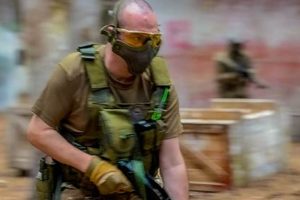
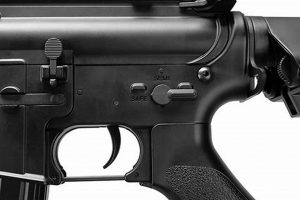
Airsoft On Ground (AOG) refers to the condition of an airsoft gun being non-operational or requiring maintenance, effectively rendering it unusable on the playing field. The phrase, evoking the urgency and frustration of an aircraft being grounded, signals a temporary or potentially permanent cessation of the replica’s functionality. For example, a player might say, “My rifle is AOG after that last skirmish; I need to fix the hop-up.”
The operational status of equipment significantly impacts the airsoft experience. A weapon’s reliability is crucial for maintaining competitiveness and ensuring fair play. Downtime due to malfunctions can be frustrating and lead to a diminished sense of enjoyment. Consequently, proactive maintenance and a clear understanding of potential issues are valuable for players seeking consistent performance. Understanding its historical context is difficult as the phrase appears to be a colloquial, emergent term within the community, rather than a formally established piece of airsoft terminology.
The following sections will delve into common causes of equipment malfunctions, preventative maintenance strategies, and troubleshooting techniques to minimize downtime and maximize time spent engaged in simulated combat.
Airsoft Equipment Readiness
Maintaining optimal operational readiness is crucial for a positive and competitive airsoft experience. The following guidelines are designed to minimize instances of “AOG Airsoft” and ensure reliable performance on the field.
Tip 1: Implement Regular Cleaning Protocols. Accumulation of dirt, dust, and debris significantly impacts internal mechanisms. Consistent cleaning of the barrel, hop-up unit, and gearbox (where applicable) is essential for optimal functionality.
Tip 2: Perform Routine Lubrication. Friction between moving parts can cause wear and reduce performance. Utilize appropriate lubricants, such as silicone oil, on designated components to ensure smooth operation. Consult the manufacturer’s guidelines for specific lubrication points and recommended products.
Tip 3: Conduct Pre-Game Inspections. Before each session, systematically examine the airsoft weapon for loose screws, damaged components, and any signs of wear. Address any issues immediately to prevent escalation into more significant problems during gameplay.
Tip 4: Employ Quality Ammunition. Using substandard BBs can result in jamming, barrel damage, and inconsistent performance. Invest in high-quality, seamless BBs with a consistent weight and diameter to minimize the risk of malfunctions.
Tip 5: Store Equipment Appropriately. Proper storage protects against environmental factors such as moisture, temperature fluctuations, and physical damage. Utilize a padded case or bag to safeguard the airsoft weapon during transport and storage.
Tip 6: Understand Basic Troubleshooting. Familiarize oneself with common malfunctions and their potential causes. This knowledge facilitates rapid diagnosis and resolution of minor issues in the field, reducing downtime.
Tip 7: Adhere to Recommended Voltage and Charging Practices. Improper battery handling can lead to performance degradation and potential damage. Utilize chargers designed for the specific battery type and avoid overcharging or deep discharging.
Consistent adherence to these guidelines will demonstrably reduce the likelihood of equipment failure, contributing to a more enjoyable and competitive airsoft experience. Prioritizing equipment readiness is a fundamental aspect of responsible airsoft participation.
The subsequent discussion will focus on more advanced maintenance procedures and common upgrade options to further enhance the performance and longevity of airsoft weaponry.
1. Operational Status

Operational status, in the context of airsoft, directly dictates the usability of equipment. An unfavorable operational status leads to the “AOG Airsoft” condition, hindering a player’s participation and potentially impacting team performance. Understanding the factors that contribute to operational readiness is paramount for preventing equipment downtime.
- Internal Component Integrity
Internal components such as the gearbox, hop-up unit, and motor are essential for functionality. Damage or wear to these parts directly affects operational status. For example, a cracked gearbox shell renders the weapon inoperable, resulting in an “AOG Airsoft” situation. Regular inspection and maintenance are necessary to preserve the integrity of these internal mechanisms.
- Power Supply Functionality
The power source, typically a battery, must consistently deliver adequate power to operate the airsoft weapon. A depleted, damaged, or improperly charged battery compromises operational status. Inconsistent power output can lead to misfires or complete failure, causing an “AOG Airsoft” event. Utilizing correct charging protocols and maintaining battery health are crucial for ensuring reliable power delivery.
- External Component Integrity
The physical condition of external components, including the barrel, stock, and sights, impacts usability and overall operational status. A damaged or misaligned barrel, for instance, affects accuracy and firing consistency. Similarly, broken sights hinder target acquisition. Damage severe enough can result in an “AOG Airsoft” scenario. Proactive care and immediate repair of external components contribute to sustained operational readiness.
- Proper Assembly and Configuration
Correct assembly and configuration of all components are vital for ensuring proper functioning. Improperly installed parts can cause malfunctions and reduce performance. Incorrect hop-up settings, for instance, will negatively affect BB trajectory and range. A poorly assembled weapon may fail entirely, leading to an “AOG Airsoft” situation. Adhering to assembly instructions and ensuring proper configuration are crucial for maintaining operational status.
These facets of operational status highlight the interconnectedness of various factors that contribute to an “AOG Airsoft” condition. Proactive maintenance, careful handling, and a thorough understanding of equipment operation are vital for mitigating downtime and maximizing the lifespan of airsoft weaponry. Addressing these aspects ensures a more reliable and enjoyable experience on the playing field.
2. Component Failure

Component failure directly precipitates an “AOG Airsoft” scenario, rendering equipment unusable and disrupting gameplay. The reliability of individual parts is paramount to the overall operational readiness of an airsoft weapon. A single malfunctioning component can cascade into a complete system failure.
- Gearbox Malfunctions
The gearbox, the central mechanism for power transmission in many airsoft replicas, is subject to significant stress and wear. Stripped gears, broken pistons, or damaged anti-reversal latches are common failure points. A gearbox malfunction invariably leads to an “AOG Airsoft” situation as the weapon can no longer cycle BBs. Regular maintenance and the use of reinforced components can mitigate the risk of gearbox failure.
- Hop-Up Unit Damage
The hop-up unit imparts backspin to BBs, extending their range and improving accuracy. A damaged hop-up rubber, broken adjustment arm, or cracked unit housing can significantly impair performance. A non-functional hop-up unit reduces effective range and accuracy to the point where the weapon is essentially “AOG Airsoft.” Replacement of worn or damaged components is essential for maintaining optimal performance.
- Motor Burnout
The motor provides the rotational force necessary to drive the gearbox. Overheating, excessive stress, or prolonged use can lead to motor burnout. A failed motor completely disables the firing mechanism, resulting in an “AOG Airsoft” situation. Selecting a motor appropriate for the replica’s power requirements and avoiding excessive firing can prolong motor lifespan.
- Electrical Component Issues
Electrical components, including wiring, switches, and mosfets, are susceptible to damage and corrosion. Frayed wires, faulty switches, or blown mosfets can disrupt the flow of electricity and prevent the weapon from firing. Electrical failures often render the weapon “AOG Airsoft” until the faulty components are repaired or replaced. Regular inspection and proper wiring techniques can minimize the risk of electrical problems.
These examples highlight the diverse ways in which component failure directly translates into an “AOG Airsoft” situation. Preventive maintenance, including regular inspections, lubrication, and component upgrades, is critical for minimizing downtime and ensuring a reliable airsoft experience. The selection of high-quality parts and adherence to proper operating procedures further contribute to the longevity and operational readiness of airsoft weaponry. Addressing these points will prevent and mitigate the component failure.
3. Maintenance Neglect

Maintenance neglect is a primary contributing factor to the “AOG Airsoft” condition, representing a direct causal relationship between inadequate care and equipment failure. The absence of regular maintenance procedures precipitates a cascade of detrimental effects, ultimately rendering the airsoft weapon inoperable. This neglect manifests in various forms, including insufficient cleaning, lubrication, and inspection of critical components. The cumulative effect of these omissions leads to accelerated wear, increased friction, and the eventual breakdown of vital mechanisms. For instance, a failure to clean the barrel regularly results in the accumulation of debris, reducing accuracy and potentially causing internal damage. Similarly, neglecting to lubricate gears within the gearbox leads to increased friction, accelerated wear, and eventual failure of the gear train. The direct consequence is an “AOG Airsoft” situation, requiring repair or replacement of the affected components.
Understanding maintenance neglect as a fundamental driver of the “AOG Airsoft” status is crucial for promoting responsible equipment ownership. Implementing a proactive maintenance schedule mitigates the risk of unexpected failures and prolongs the lifespan of airsoft weaponry. Practical application of this understanding involves establishing a routine cleaning and lubrication regimen, conducting thorough pre- and post-game inspections, and addressing minor issues before they escalate into major malfunctions. Furthermore, proper storage techniques, such as utilizing protective cases and avoiding exposure to extreme temperatures or humidity, contribute to the preservation of equipment integrity. The absence of these measures invariably leads to a greater incidence of “AOG Airsoft” incidents, negatively impacting the overall airsoft experience.
In summary, maintenance neglect is demonstrably linked to the “AOG Airsoft” condition, representing a significant challenge for airsoft participants. Addressing this challenge requires a shift in mindset from reactive repair to proactive prevention. By prioritizing regular maintenance procedures and adopting responsible equipment handling practices, players can minimize the likelihood of equipment failure, ensuring a more consistent and enjoyable experience on the field. Overcoming the tendency to neglect maintenance is therefore essential for maximizing the longevity and reliability of airsoft weaponry.
4. Environmental Impact
Environmental factors exert a significant influence on the operational condition of airsoft equipment, directly contributing to instances of non-operational status, or “AOG Airsoft.” Exposure to adverse environmental conditions accelerates wear, degrades materials, and ultimately compromises the functionality of critical components.
- Moisture Exposure
Prolonged exposure to moisture, whether from rain, humidity, or condensation, induces corrosion of metallic components within airsoft replicas. Rust formation on gears, springs, and internal mechanisms increases friction, impairs movement, and can lead to seizure. Furthermore, moisture can damage electrical components, causing short circuits and malfunctions. The cumulative effect of moisture-induced corrosion and electrical damage significantly increases the likelihood of an “AOG Airsoft” event. Proper storage in dry environments and the application of protective lubricants can mitigate the effects of moisture exposure.
- Temperature Fluctuations
Significant temperature fluctuations, particularly from extreme heat to cold, induce expansion and contraction of materials within airsoft weapons. This repeated stress weakens components, leading to cracks, fractures, and deformation. Temperature variations also affect the viscosity of lubricants, potentially hindering their effectiveness and increasing friction. The long-term impact of temperature fluctuations is a reduced lifespan and an increased susceptibility to “AOG Airsoft” situations. Storing equipment in temperature-controlled environments can minimize the damaging effects of these fluctuations.
- Dust and Debris Infiltration
Airsoft environments often expose equipment to dust, dirt, and other particulate matter. This debris can infiltrate internal mechanisms, causing abrasion, clogging, and reduced performance. Dust accumulation within gearboxes, for example, increases friction and wear on gears. Similarly, debris in the barrel affects accuracy and can cause BB jams. The inevitable result of dust and debris infiltration is a compromised operational status and a greater risk of “AOG Airsoft.” Regular cleaning and the use of protective covers can help prevent debris from entering sensitive components.
- UV Radiation Degradation
Prolonged exposure to ultraviolet (UV) radiation from sunlight can degrade plastic and rubber components, causing them to become brittle, cracked, and discolored. This UV damage weakens structural elements, such as stocks, grips, and hop-up rubbers, compromising their functionality. The gradual degradation of these components increases the likelihood of equipment failure and an “AOG Airsoft” scenario. Storing airsoft equipment away from direct sunlight and utilizing UV-protective coatings can mitigate the damaging effects of UV radiation.
These environmental factors collectively represent a significant threat to the operational readiness of airsoft equipment. Mitigating these risks through proactive maintenance, appropriate storage, and the use of protective measures is essential for minimizing “AOG Airsoft” incidents and maximizing the longevity of airsoft weaponry. An understanding of these environmental impacts is crucial for responsible airsoft participation.
5. Battery Health

Battery health is a critical determinant of airsoft weapon functionality, directly influencing instances of “AOG Airsoft.” A degraded battery, unable to provide sufficient power, can manifest as reduced firing rate, inconsistent trigger response, or complete operational failure. This relationship highlights the direct correlation between power source condition and weapon usability. For example, a nickel-metal hydride (NiMH) battery, subjected to repeated deep discharges, will experience a reduction in capacity and an increase in internal resistance, ultimately compromising its ability to deliver the required current for sustained firing. The resulting underperformance directly contributes to an “AOG Airsoft” situation, effectively rendering the weapon unusable until the battery is replaced or recharged.
Maintaining optimal battery health involves adherence to proper charging protocols, appropriate storage conditions, and vigilant monitoring of battery performance. Overcharging lithium polymer (LiPo) batteries, for instance, poses a significant safety risk and accelerates degradation, leading to diminished capacity and potential cell damage. Conversely, allowing LiPo batteries to discharge below their minimum voltage threshold can render them permanently unusable. Consistent use of a balanced charger, designed to ensure equal charge distribution among cells, is essential for preserving battery health. Proper storage entails keeping batteries in a cool, dry environment, away from direct sunlight and extreme temperatures, to minimize self-discharge and chemical degradation. Regular testing of battery voltage and capacity provides valuable insights into battery health and allows for timely identification of potential issues, enabling proactive intervention before a complete failure occurs.
In conclusion, battery health is inextricably linked to the operational readiness of airsoft weaponry. The adoption of responsible battery management practices is crucial for minimizing the risk of “AOG Airsoft” incidents. By adhering to recommended charging protocols, implementing proper storage techniques, and proactively monitoring battery performance, airsoft participants can significantly extend battery lifespan and ensure reliable power delivery, ultimately contributing to a more consistent and enjoyable experience on the playing field. Addressing the issues and impacts of improper battery care and understanding the direct link to aog airsoft will also improve safety overall on the play field.
Frequently Asked Questions
This section addresses common inquiries regarding equipment downtime, specifically concerning the “AOG Airsoft” condition, providing concise and informative responses.
Question 1: What constitutes an “AOG Airsoft” situation?
An “AOG Airsoft” situation denotes the condition where an airsoft weapon is rendered non-operational or requires immediate maintenance, preventing its use during gameplay. This can arise from component failure, battery depletion, or any other malfunction hindering functionality.
Question 2: What are the most frequent causes of equipment becoming “AOG Airsoft”?
Common causes include gearbox malfunctions (stripped gears, broken pistons), motor burnout, electrical component failures (frayed wires, blown fuses), hop-up unit damage, and battery depletion or damage.
Question 3: What preventative measures can be implemented to minimize “AOG Airsoft” incidents?
Preventive measures encompass regular cleaning and lubrication of internal components, pre-game inspections for loose screws or damaged parts, utilizing high-quality ammunition, employing proper battery charging and storage practices, and adhering to manufacturer-recommended maintenance schedules.
Question 4: How does environmental exposure contribute to equipment becoming “AOG Airsoft”?
Exposure to moisture induces corrosion, temperature fluctuations weaken materials, dust and debris infiltrate mechanisms, and UV radiation degrades plastic components. These factors collectively accelerate wear and increase the likelihood of malfunctions.
Question 5: What is the recommended procedure for troubleshooting an “AOG Airsoft” weapon in the field?
Field troubleshooting begins with a systematic assessment of potential causes, such as checking battery connections, inspecting for visible damage, and verifying hop-up settings. If the issue persists, a more thorough examination involving disassembly and component testing may be necessary, if resources and expertise permit.
Question 6: How does maintenance neglect directly lead to equipment becoming “AOG Airsoft”?
Maintenance neglect allows for the accumulation of dirt and debris, increased friction between moving parts, and accelerated wear on critical components. This ultimately results in a higher probability of component failure and subsequent “AOG Airsoft” situations.
Addressing these FAQs provides a foundational understanding of the factors contributing to equipment downtime and underscores the importance of proactive maintenance practices.
The subsequent section will explore advanced troubleshooting techniques and potential equipment upgrade options to further enhance reliability and performance.
Conclusion
The preceding discourse has thoroughly examined “AOG Airsoft,” delineating its definition, causes, preventative measures, and troubleshooting techniques. The examination underscores the multifaceted nature of equipment downtime, emphasizing the interconnectedness of operational status, component integrity, maintenance practices, environmental factors, and battery health. A comprehensive understanding of these elements is crucial for mitigating the risk of equipment failure and ensuring a reliable airsoft experience.
The prevalence of “AOG Airsoft” incidents necessitates a proactive and informed approach to equipment maintenance and handling. Prioritizing preventative measures, such as regular cleaning, lubrication, and inspection, is essential for minimizing downtime and maximizing the longevity of airsoft weaponry. Furthermore, adopting responsible battery management practices and safeguarding equipment from adverse environmental conditions are critical for maintaining operational readiness. The ultimate goal is to foster a culture of responsible equipment ownership, promoting consistent performance and enhancing the overall airsoft experience for all participants. Consistent application of the guidance given throughout this document provides the best possible opportunity to reduce the impact of AOG.