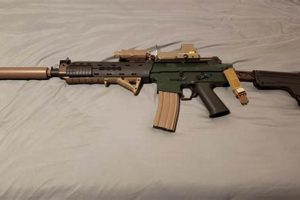
The phrase encompasses gear configurations utilized in simulated combat scenarios, specifically tailored to resemble attire and equipment commonly seen in non-military or law enforcement contexts. These configurations often prioritize a realistic aesthetic, mirroring the clothing and accessories worn by everyday individuals rather than specialized tactical uniforms. For instance, an ensemble might consist of regular outdoor apparel, such as jeans, t-shirts, and casual footwear, combined with protective eyewear and an airsoft rifle.
The appeal of these setups lies in their accessibility, cost-effectiveness, and ability to create a more relatable and immersive game experience. By eschewing overtly militaristic aesthetics, participants can cultivate a sense of realism that enhances the narrative aspects of airsoft. Furthermore, the lower barrier to entry, in terms of cost and complexity, facilitates wider participation and promotes a more inclusive community. Historically, this approach has broadened the appeal of simulated combat sports beyond the confines of purely tactical scenarios.
The subsequent sections will delve into specific loadout examples, accessory options, and considerations for selecting appropriate equipment to achieve a believable and functional persona within the framework of airsoft gameplay. Emphasis will be placed on balancing authenticity with player safety and comfort.
Essential Considerations for a Realistic Airsoft Loadout
The following provides key guidelines for assembling a convincing and practical configuration suitable for airsoft engagements, prioritizing authenticity and functionality.
Tip 1: Clothing Choice. Select garments reflective of typical civilian attire appropriate to the operating environment. Avoiding overtly tactical or military-style clothing is crucial. Consider durable fabrics suitable for outdoor activity and movement.
Tip 2: Weapon Concealment (If Applicable). In scenarios where concealment is desired, prioritize discreet carrying methods. This may involve the use of backpacks, messenger bags, or modified equipment to minimize visual signature.
Tip 3: Footwear Selection. Choose footwear that blends in with the intended persona while providing adequate support and traction. Hiking boots or durable sneakers are often suitable choices.
Tip 4: Accessory Management. Opt for accessories that complement the overall aesthetic and offer practical utility. Examples include watches, multi-tools, or communication devices that align with the character being portrayed.
Tip 5: Identification Considerations. In scenarios involving role-playing or team-based objectives, establish clear identification protocols to avoid confusion or friendly fire incidents. This may involve armbands or designated markings on clothing.
Tip 6: Safety Measures. Prioritize eye protection and other essential safety gear regardless of the chosen aesthetic. Ensure that protective equipment meets established safety standards and provides adequate coverage.
Tip 7: Functionality over Form. While authenticity is important, prioritize the practical aspects of the configuration. Ensure that equipment is accessible, comfortable to use, and does not impede movement or performance.
Effective configurations balance aesthetic accuracy with practical considerations, ensuring both a believable persona and optimal performance within the airsoft environment.
The following section will address common misconceptions and potential pitfalls associated with assembling this type of setup.
1. Authenticity in Appearance

The pursuit of visual fidelity constitutes a core tenet when constructing a configuration emulating everyday attire within the framework of airsoft. This aspiration towards realism significantly influences both the immersion and the overall experience, necessitating a strategic approach to equipment selection and ensemble composition.
- Material Selection and Fabric Representation
The choice of textiles and materials directly impacts the believability of the persona. The selection of common fabrics such as cotton, denim, or polyester, reflecting typical clothing materials, contributes to visual consistency. Conversely, the inclusion of overtly tactical fabrics like ripstop nylon, unless deliberately integrated for specific narrative purposes, can detract from the intended aesthetic.
- Silhouette and Cut
The shape and form of the garments play a crucial role in portraying a non-military profile. Avoiding clothing with overtly tactical cuts, such as cargo pants with excessive pockets or form-fitting athletic wear, is essential. Opting for relaxed fits and styles commonly associated with everyday wear contributes to a more convincing impression.
- Color Palette and Pattern
The strategic application of color and pattern enhances visual realism. Adhering to a color scheme consistent with common apparel, such as earth tones, muted shades, or casual patterns like plaid or stripes, is vital. The avoidance of camouflage patterns or overtly militaristic color schemes is necessary to maintain the intended aesthetic.
- Accessory Integration
The selection and integration of accessories significantly contribute to the overall presentation. Incorporating items such as watches, belts, wallets, or casual headwear enhances the believability of the configuration. Ensuring that these accessories align with the intended persona and operating environment further reinforces the impression of authenticity.
Collectively, these facets contribute to the creation of a configuration that successfully emulates everyday attire. Careful consideration of material selection, silhouette, color palette, and accessory integration ensures a visually convincing representation, ultimately enhancing the immersive qualities of airsoft engagements.
2. Functional Gear Integration

Effective integration of essential equipment is paramount when developing a configuration designed to resemble everyday attire for airsoft activities. Seamless incorporation of necessary gear without compromising the intended aesthetic requires careful consideration and strategic planning.
- Concealed Carry Solutions
The ability to securely and discreetly carry essential equipment, such as magazines or communication devices, is a critical aspect. Solutions may include utilizing pockets integrated within clothing, employing specifically designed concealed carry holsters, or adapting everyday carry bags to accommodate airsoft-specific items. The chosen method must prioritize both accessibility and minimal visual impact.
- Adaptable Pouches and Carriers
The integration of pouches or carriers capable of securely holding essential items without overtly resembling military-style gear is essential. Utilizing modular systems that can be attached to belts or integrated into clothing allows for customized load-bearing capabilities while maintaining a low-profile appearance. The selection of materials and colors should align with the overall aesthetic to minimize visual disruption.
- Hydration Solutions
Maintaining adequate hydration during extended airsoft engagements is crucial. Integrating hydration reservoirs into backpacks or utilizing discreet water bottle carriers provides access to fluids without requiring specialized tactical gear. The chosen method should prioritize comfort and minimize visual intrusion, ensuring that it blends seamlessly with the intended attire.
- Communication Equipment Integration
Effective communication is essential for coordinated gameplay. Integrating communication devices, such as radios or headsets, into the configuration without compromising the aesthetic requires careful planning. Utilizing discreet headsets or employing communication pouches designed to blend in with everyday apparel allows for seamless integration while maintaining operational capabilities.
Successful functional integration ensures that essential equipment is readily accessible and effectively utilized without detracting from the overall aesthetic. This approach necessitates a balance between practical considerations and the desire to maintain a realistic and believable representation of everyday attire within the airsoft environment.
3. Discreet Carry Options
The implementation of methods for concealing airsoft equipment, particularly simulated firearms and magazines, constitutes a significant element within the creation of plausible configurations mirroring everyday attire. The effectiveness of these methods directly impacts the realism and practicality of the overall setup.
- Non-Tactical Bags and Packs
The utilization of backpacks, messenger bags, or duffel bags designed for civilian use allows for the transportation and deployment of airsoft replicas without attracting undue attention. These items can be modified internally with hook-and-loop panels or elastic straps to secure the contents and facilitate rapid access when required. The selection of bags should prioritize neutral colors and styles commonly associated with everyday activities.
- Concealed Holsters and Apparels
Holsters designed for concealed carry, typically intended for real firearms, can be adapted to accommodate airsoft pistols. Similarly, clothing items featuring hidden pockets or compartments can be used to store magazines or other small pieces of equipment. The proper fit and retention of these items are crucial to prevent accidental dislodgement and ensure swift access during gameplay.
- Vehicle Integration
In scenarios involving vehicle use, adapting compartments within the vehicle for the storage and retrieval of airsoft equipment can provide a means of maintaining a civilian facade. This may involve modifying glove compartments, center consoles, or trunk spaces to securely hold replicas and associated accessories. The modifications should be conducted in a manner that does not attract attention from casual observers.
- Camouflaged Containers
Items such as laptop cases, camera bags, or musical instrument cases can be used to transport airsoft replicas and associated gear while maintaining a low profile. Internal modifications may be necessary to provide adequate protection and secure the contents. The selection of containers should align with the setting and intended persona to avoid arousing suspicion.
The integration of these methods offers means to transport and deploy airsoft equipment while adhering to a aesthetic of everyday civilian attire. Considerations of practicality, accessibility, and safety are essential to the effective implementation of discreet carry options in airsoft scenarios.
4. Adaptable Clothing Choices
Within the realm of configurations designed to emulate everyday attire for airsoft engagements, the selection of adaptable clothing constitutes a critical component. This adaptability extends beyond mere aesthetic considerations, encompassing functionality, comfort, and the ability to integrate essential equipment seamlessly.
- Layering Systems and Environmental Considerations
The adoption of layering systems, commonly employed in outdoor activities, allows for adaptation to varying weather conditions. Base layers provide moisture management, mid-layers offer insulation, and outer layers provide protection from wind and rain. This adaptability ensures player comfort and sustained performance in diverse environments encountered during airsoft games. For example, a flannel shirt over a t-shirt can provide insulation in cooler weather while remaining consistent with attire, whereas the flannel can be removed if it gets too warm.
- Convertible Garments and Modular Components
Garments featuring removable sleeves, zip-off pant legs, or integrated pouches offer enhanced adaptability. These convertible designs enable players to modify their attire to suit specific mission requirements or environmental conditions. Furthermore, the integration of modular components, such as removable pockets or MOLLE panels, allows for customized load-bearing capabilities without compromising the overall aesthetic.
- Discreet Pocket Placement and Access
The strategic placement of pockets within garments facilitates the concealed carry of essential items such as magazines, communication devices, or medical supplies. Pockets located on the torso, thighs, or calves offer discreet access while minimizing visual intrusion. The selection of clothing with thoughtfully designed pocket configurations ensures that players can effectively manage their equipment without disrupting the intended aesthetic.
- Fabric Durability and Performance Characteristics
The selection of fabrics with appropriate durability and performance characteristics is crucial for ensuring longevity and comfort. Fabrics such as canvas, denim, or durable cotton blends offer resistance to abrasion and tearing, while providing adequate breathability and flexibility. The careful consideration of fabric properties ensures that clothing withstands the rigors of airsoft gameplay while maintaining a comfortable fit.
Ultimately, strategic clothing options dictate the degree to which airsoft players can operate effectively while maintaining a believable persona. Choices in layering, convertibility, pocket placement, and fabric influence comfort and tactical accessibility.
5. Safety and Practicality

The intersection of safety and practicality dictates the viability of any civilian-styled airsoft configuration. While the pursuit of authentic aesthetics is often a primary objective, neglecting fundamental safety considerations or practical performance requirements renders the loadout ineffective and potentially hazardous. Eye protection, for instance, remains paramount, and must adhere to established safety standards, regardless of the ensemble’s theme. Similarly, footwear selection should prioritize support and traction, mitigating the risk of injury, even when aiming for a non-tactical appearance. The selection of pouches, holsters, or carrying systems should balance discreetness with ease of access, enabling the rapid deployment of airsoft replicas without compromising safety protocols. For example, choosing an open-top magazine pouch that blends in with a casual belt allows for quick reloads without fumbling, ensuring a player remains competitive and maintains awareness of their surroundings.
Moreover, the configuration should accommodate the demands of the playing environment. Loose clothing, while aesthetically accurate in some contexts, may hinder movement or become entangled, creating a safety hazard. Ill-fitting footwear increases the risk of slips and falls. The weight distribution of equipment, even when concealed, must be carefully managed to avoid strain or fatigue, which can impair judgment and reaction time. A practical consideration is ensuring that communication devices are readily accessible, enabling players to relay information and respond to directives efficiently, even in high-pressure situations. The absence of proper communication can lead to misidentification, friendly fire incidents, and the overall degradation of team cohesion.
In summary, the construction of a viable configuration demands a pragmatic approach, prioritizing player well-being and operational effectiveness. Safety protocols and practical requirements should supersede aesthetic considerations when trade-offs are necessary. Adhering to established safety standards, selecting appropriate footwear, and ensuring efficient equipment access are essential elements. The successful integration of these factors contributes to an enjoyable and safe airsoft experience, validating the configuration’s overall suitability.
Frequently Asked Questions
This section addresses common inquiries and clarifies prevalent misconceptions regarding the construction and utilization of airsoft setups styled after everyday civilian attire.
Question 1: What constitutes a valid “civilian airsoft kit?”
A valid configuration is characterized by clothing and accessories commonly associated with non-military or law enforcement personnel. The ensemble should prioritize a realistic aesthetic, mirroring the attire typically worn by everyday individuals, while still adhering to essential airsoft safety regulations.
Question 2: Is camouflage or tactical gear permissible within setups?
The inclusion of camouflage patterns or overtly tactical gear detracts from the intended aesthetic. The objective is to emulate everyday attire, rendering camouflage and tactical accessories generally inappropriate. However, subtle nods or carefully chosen exceptions may be permissible, depending on the scenario or role-playing context.
Question 3: Are there specific guidelines governing the types of replicas that can be used?
The selection of airsoft replicas should align with the overall aesthetic and the intended role-playing scenario. Replicas resembling common firearms, such as pistols or sporting rifles, are generally more consistent with civilian configurations than overtly militaristic or futuristic models.
Question 4: How can essential gear be integrated without compromising the aesthetic?
Strategic integration is achieved through the use of concealed carry holsters, discreet pouches, or modified bags designed to blend in with everyday attire. The key is to prioritize functionality while minimizing visual intrusion, ensuring that essential gear remains readily accessible without disrupting the intended aesthetic.
Question 5: Is eye protection mandatory when utilizing a civilian-styled configuration?
Eye protection is non-negotiable and must be worn at all times during airsoft engagements, regardless of the chosen aesthetic. Prioritize certified airsoft goggles or glasses that meet established safety standards. Compromising eye protection in the pursuit of realism is unacceptable.
Question 6: Does adhering to a non-tactical aesthetic limit effectiveness in gameplay?
While a configuration may not offer the same degree of specialized functionality as dedicated tactical gear, a well-designed civilian setup can be highly effective. Strategic planning, adaptable equipment integration, and skilled gameplay mechanics are more critical determinants of success than purely tactical gear.
The effectiveness of any rests on careful consideration of visual fidelity, functional gear integration, and adherence to safety protocols. These core principles underpin the creation of configurations that are both believable and practical.
The following section explores common loadout examples.
Civilian Airsoft Kit
The preceding exploration of “civilian airsoft kit” highlighted several critical aspects, including aesthetic authenticity, functional gear integration, discreet carry options, adaptable clothing choices, and the paramount importance of safety and practicality. Effective configurations necessitate a delicate balance between mimicking everyday attire and ensuring operational viability within the airsoft environment. The core challenge lies in adapting essential equipment and safety measures to blend seamlessly with the chosen persona, minimizing visual intrusion without compromising performance.
The enduring appeal of civilian-themed airsoft lies in its capacity to foster immersive gameplay, promote inclusivity, and encourage creative role-playing scenarios. As the airsoft community continues to evolve, the principles outlined herein serve as a foundation for constructing believable and functional configurations. Individuals are encouraged to apply these considerations thoughtfully, prioritizing safety and responsible gameplay above all else, thereby contributing to the sustained integrity and enjoyment of the sport.