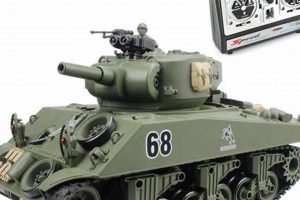
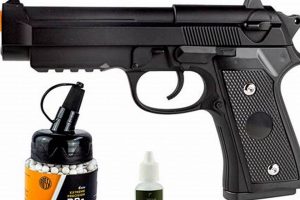
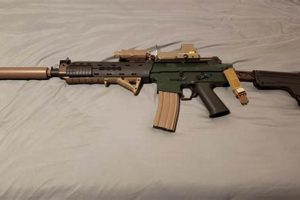
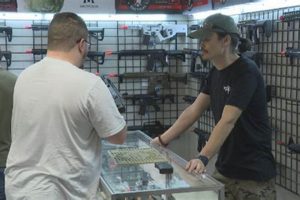
These recreational items are designed to replicate real firearms in appearance and functionality, firing spherical plastic projectiles. These projectiles, typically 6mm or 8mm in diameter, are propelled by compressed gas or spring mechanisms. The devices are primarily used in simulated combat scenarios and target shooting activities.
The value of these items lies in their ability to provide a safe and controlled environment for simulated tactical training and recreational competition. Historically, they have served as training aids for law enforcement and military personnel, offering a less-lethal alternative to live-fire exercises. They also offer enthusiasts a dynamic and engaging hobby promoting teamwork, strategic thinking, and physical activity.
The subsequent sections will delve into the various types of these items, safety guidelines for their operation, and legal considerations surrounding their ownership and use. Furthermore, the exploration will extend to the communities built around the activity and the equipment’s role in promoting responsible firearm handling practices.
Essential Usage and Maintenance Guidance
The following guidelines are crucial for ensuring the safe and prolonged operation of these recreational devices. Proper maintenance and adherence to safety protocols are paramount.
Tip 1: Prioritize Eye Protection: Appropriate eyewear, specifically designed for this activity, is non-negotiable. The risk of eye injury from projectile impact is significant. Full-seal goggles that meet ANSI Z87.1 standards are recommended.
Tip 2: Understand Velocity Limits: Chronograph the device regularly to ensure compliance with field regulations and local laws. Exceeding velocity limits increases the risk of injury and can result in legal repercussions. Maintain records of chronograph readings.
Tip 3: Implement Proper Storage: Store these items unloaded and in a secure location inaccessible to unauthorized individuals, particularly children. Utilizing a locked case or gun safe is advisable.
Tip 4: Conduct Routine Maintenance: Regular cleaning and lubrication of internal components prolongs operational lifespan and maintains performance consistency. Consult the manufacturer’s instructions for specific maintenance schedules and procedures.
Tip 5: Adhere to Field Rules: Familiarize yourself with and strictly adhere to the specific rules and regulations of the playing field or range. This includes engagement distances, prohibited firing zones, and surrender rules.
Tip 6: Transport Responsibly: When transporting these items, ensure they are unloaded and concealed in a bag or case. Avoid displaying them in public, as this may cause alarm or confusion.
Tip 7: Regularly Inspect Components: Before each use, thoroughly inspect the device for any signs of damage or wear, such as cracks, loose screws, or malfunctioning mechanisms. Address any issues promptly to prevent malfunctions during operation.
By consistently implementing these guidelines, operators can maximize safety, ensure optimal performance, and contribute to a responsible and enjoyable experience for all participants.
The subsequent sections will explore the legal and ethical considerations surrounding these items, further emphasizing the importance of responsible ownership and usage.
1. Realistic Replica Design

The realistic replica design inherent in many of these items is a central aspect of their appeal, closely mirroring the appearance of actual firearms. This mimicry serves to enhance the realism of simulated combat scenarios and target practice, providing a more immersive experience for participants. The design factor, however, also introduces significant responsibilities and potential risks. The degree of realism achieved can lead to misidentification by law enforcement and the public, potentially resulting in dangerous situations. This necessitates a heightened awareness of legal regulations concerning the display, transportation, and handling of these items.
Manufacturers often prioritize accurate replication to cater to enthusiasts seeking an authentic experience. This includes replicating dimensions, weight, and operational mechanisms. For example, certain models accurately replicate the fire selector switch, magazine release, and bolt action of their real-world counterparts. While enhancing the user experience, this fidelity also demands responsible ownership and adherence to local laws, which may regulate or restrict the sale and possession of such realistic replicas. Legal precedents exist where these items have been mistaken for actual firearms, leading to arrests and legal proceedings, underscoring the critical importance of distinguishing them clearly and handling them responsibly.
In summary, while the realistic replica design contributes to the engaging nature of these recreational devices, it simultaneously imposes significant legal and ethical responsibilities. Awareness of local regulations, responsible handling practices, and a proactive approach to prevent misidentification are paramount for owners and users. Failure to address these considerations can have serious consequences, emphasizing the need for clear and consistent education regarding the safe and legal use of these items.
2. Projectile Velocity Limits

Projectile velocity limits represent a critical safety and regulatory element directly governing the use of items designed to fire projectiles. Understanding and adhering to these limits is paramount to minimizing the risk of injury and ensuring legal compliance.
- Safety Standards Compliance
Velocity limits are established to mitigate the potential for injury upon impact. Standards such as those set by organizations like ASTM International dictate maximum kinetic energy levels. Exceeding these limits significantly increases the likelihood of bruising, lacerations, or more severe injuries, particularly to sensitive areas like the eyes or face. Compliance with these standards is not merely a suggestion but a fundamental requirement for safe operation.
- Jurisdictional Variations
Legal frameworks governing projectile velocity often vary significantly across jurisdictions. Certain regions impose strict limits, classifying items exceeding specified velocities as firearms, thereby subjecting them to more stringent regulations. Understanding local laws is crucial, as non-compliance can result in confiscation, fines, or even criminal charges. These legal thresholds are typically defined in terms of feet per second (FPS) or joules of energy.
- Field Regulations and Gameplay Dynamics
Airsoft playing fields and organized events frequently impose velocity limits that are stricter than those mandated by law. These internal regulations aim to create a level playing field and minimize the risk of injury among participants. Chronographs, devices that measure projectile velocity, are commonly used to ensure compliance before and during gameplay. Variations in allowed velocity can affect gameplay tactics, requiring players to adjust their equipment and engagement strategies.
- Equipment Modifications and Maintenance
Modifying these devices to increase projectile velocity beyond legal or field-imposed limits carries significant risks. Such modifications can compromise the safety of the equipment and increase the risk of malfunction. Furthermore, neglecting routine maintenance can lead to unintended velocity increases due to component wear or improper calibration. Regular inspection and maintenance are essential for maintaining velocity within acceptable parameters.
The interplay between safety standards, jurisdictional laws, field regulations, and equipment maintenance collectively underscores the significance of projectile velocity limits. Responsible ownership and operation necessitates a comprehensive understanding of these factors to ensure safe and legal participation in the activity.
3. Protective Gear Requirement

The imperative for protective gear is inextricably linked to the utilization of devices which project projectiles. This necessity arises from the inherent risk of injury associated with the activity, demanding specific safety measures to mitigate potential harm. The following delineates key facets of this requirement within the context of simulated combat.
- Ocular Protection Imperative
Eye protection stands as the foremost safety consideration. The velocity and impact of projectiles present a significant threat to vision. Industry standards mandate the use of full-seal goggles or masks meeting ANSI Z87.1 or equivalent certifications. These standards ensure the eyewear’s ability to withstand high-velocity impacts without shattering or dislodging, thereby shielding the eyes from potential trauma. Failure to employ appropriate eye protection introduces an unacceptable level of risk.
- Facial Protection Considerations
Beyond ocular protection, facial protection plays a crucial role in minimizing injury. Mesh masks or full-face masks are commonly employed to safeguard the nose, mouth, and cheeks from projectile impact. These barriers absorb or deflect projectiles, preventing lacerations, fractures, or dental damage. The choice between a mesh mask and a solid full-face mask depends on individual preferences and the specific regulations of the playing field; however, both options serve to reduce the risk of facial injuries.
- Body Armor and Protective Clothing
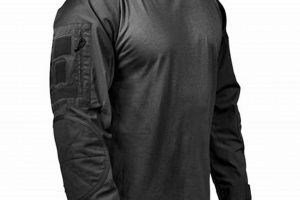
While not always mandatory, the use of body armor and protective clothing is advisable to mitigate the effects of projectile impacts on the torso and limbs. Vests, padded shirts, and thick clothing can absorb energy from projectiles, reducing the likelihood of bruising or welts. Knee and elbow pads offer additional protection during tactical maneuvers and falls. The level of protection required often depends on the intensity of the activity and individual risk tolerance.
- Hearing Protection Optionality
Although less common than other forms of protection, hearing protection may be warranted in certain situations. High-powered devices or environments with loud noise can contribute to auditory fatigue or even hearing damage over prolonged periods. Earplugs or earmuffs can attenuate noise levels, reducing the risk of auditory impairment. The decision to use hearing protection should be based on individual sensitivity and the specific characteristics of the environment.
The comprehensive adoption of appropriate protective gear is essential for minimizing the risk of injury. Prioritizing safety through the diligent use of approved equipment allows participants to engage in the activity with a heightened sense of security, fostering a responsible and enjoyable environment.
4. Field Regulations Adherence

The intersection of field regulation adherence and the operation of these recreational devices forms a cornerstone of safe and responsible engagement. Field regulations, established by event organizers and facility operators, dictate the parameters within which these items may be used, creating a controlled environment that minimizes risk and promotes fair play. A direct causal relationship exists: failure to adhere to these regulations directly increases the probability of accidents, injuries, and conflicts among participants.
Consider, for example, velocity limits imposed by a field, typically measured in feet per second (FPS). These limits are designed to prevent excessive projectile force, reducing the potential for injury upon impact. A participant using a device exceeding this velocity limit, even unintentionally, violates the regulations and introduces an elevated risk to other players. Similarly, rules governing minimum engagement distances prevent players from firing at close range, where the impact of a projectile is more likely to cause injury. The deliberate or negligent disregard of such rules constitutes a direct violation of field regulations and compromises the safety of the environment. Real-world incidents of eye injuries, welts, and other trauma frequently stem from non-compliance with these established parameters. Furthermore, adherence to field regulations extends beyond safety concerns, encompassing rules designed to ensure fair play, such as limitations on the use of certain types of equipment or restrictions on tactical maneuvers. Compliance with these rules maintains the integrity of the activity and prevents unfair advantages.
In summary, adherence to field regulations is not merely a suggestion, but a fundamental requirement for safe and ethical participation. Negligence in this area can have severe consequences, ranging from minor injuries to expulsion from the field and potential legal repercussions. A comprehensive understanding of field-specific rules, coupled with a commitment to responsible operation, is crucial for ensuring a positive and secure environment for all participants, reinforcing the importance of considering regulations as an inseparable aspect of the overall recreational experience.
5. Secure Storage Practices

Secure storage practices represent a critical facet of responsible ownership for items that replicate firearms, mitigating potential risks associated with unauthorized access and misuse. The implementation of robust security measures safeguards against accidents, theft, and the potential for these items to be used in criminal activities.
- Prevention of Unauthorized Access by Minors
The primary concern addressed by secure storage is the prevention of unauthorized access by minors. Storing such items in an unsecured location increases the risk of children accessing them, potentially leading to accidental injuries or misuse. Locked cabinets, gun safes, and trigger locks are essential tools in preventing such access, ensuring these items remain inaccessible to individuals lacking the knowledge and maturity to handle them safely. Real-world incidents involving accidental shootings by children underscore the critical importance of these preventative measures.
- Deterrence of Theft and Criminal Misuse
Secure storage also serves to deter theft and the subsequent criminal misuse. These items, if stolen, can be utilized in armed robberies or other violent crimes, exacerbating the potential for harm. By storing them in a locked and secure location, owners significantly reduce the risk of theft, preventing them from falling into the wrong hands. The physical security of the storage location is also a factor, with reinforced doors and alarm systems further enhancing protection against unauthorized entry.
- Compliance with Legal Requirements
Many jurisdictions have laws mandating secure storage practices for items that resemble firearms. These laws often require owners to store them in a locked container or with a trigger lock when not in use. Failure to comply with these legal requirements can result in fines, legal charges, or the loss of the right to own such items. Understanding and adhering to local laws regarding secure storage is an integral aspect of responsible ownership.
- Minimizing Liability and Promoting Responsible Ownership
Beyond legal requirements, secure storage demonstrates responsible ownership and minimizes liability in the event of an accident or theft. By taking proactive measures to prevent unauthorized access and misuse, owners can reduce their potential legal exposure and demonstrate a commitment to safety. Secure storage is an ethical obligation, reflecting a responsible approach to owning items with the potential for harm.
The multifaceted benefits of secure storage practices extend beyond mere compliance with legal mandates, contributing to a safer environment for individuals and communities. Through diligent implementation of these measures, owners of these recreational devices actively participate in mitigating risks and promoting responsible usage.
Frequently Asked Questions About Recreational Simulated Firearms
This section addresses common inquiries regarding devices designed to replicate firearms for recreational and training purposes. The information presented aims to clarify misconceptions and provide factual guidance.
Question 1: Are these items considered firearms under federal law?
Under U.S. federal law, these devices are generally not classified as firearms, provided they meet specific criteria, such as firing projectiles with a muzzle energy below a defined threshold. State and local laws, however, may vary significantly, potentially classifying certain models as firearms due to their realistic appearance or projectile velocity. It is imperative to consult local regulations to ensure compliance.
Question 2: What is the appropriate age for participation in airsoft activities?
There is no universal age limit; however, most organized events and playing fields impose age restrictions, typically requiring participants to be at least 13 or 16 years old. Parental consent is often required for minors. These restrictions are predicated on safety considerations and the cognitive maturity necessary to adhere to safety protocols and field regulations.
Question 3: Is eye protection always mandatory during these activities?
Eye protection, specifically full-seal goggles meeting ANSI Z87.1 or equivalent safety standards, is universally mandated during any activity involving the firing of projectiles. The potential for eye injury from projectile impact is significant, rendering eye protection non-negotiable.
Question 4: Can these items be legally modified to increase projectile velocity?
Modifying these devices to increase projectile velocity beyond legal or field-imposed limits is generally discouraged and may carry legal repercussions. Exceeding velocity limits increases the risk of injury and can result in fines, confiscation, or criminal charges, depending on the jurisdiction. Furthermore, such modifications can compromise the safety and reliability of the device.
Question 5: What are the recommended storage practices for these items?
Recommended storage practices include storing these devices unloaded and in a secure location inaccessible to unauthorized individuals, particularly children. Utilizing a locked case or gun safe is advisable. Local laws may mandate specific storage requirements, which must be adhered to.
Question 6: Are there restrictions on transporting these items in public?
Transporting these devices in public requires caution. It is advisable to transport them unloaded and concealed in a bag or case to avoid alarming the public or attracting unwanted attention. Some jurisdictions may prohibit the open carry or display of these items in public places. Consulting local regulations is essential.
The answers provided are for informational purposes only and should not be considered legal advice. Consult with legal counsel for specific guidance on applicable laws and regulations.
The subsequent sections will explore the ethical dimensions associated with simulated firearm usage, emphasizing the importance of responsible conduct and community engagement.
Conclusion
This exploration has traversed the multifaceted nature of airsoft toys, examining their design, safety considerations, legal implications, and responsible usage. Key points emphasized include the importance of protective gear, adherence to velocity limits and field regulations, and the necessity of secure storage practices. The realistic replica design, while contributing to the immersive experience, also necessitates heightened awareness and responsible handling to prevent misidentification and potential legal ramifications.
The sustained responsible engagement with airsoft toys hinges on a collective commitment to safety, ethical conduct, and adherence to legal frameworks. By prioritizing these aspects, participants can contribute to a positive and secure environment, fostering a responsible community that appreciates the value of simulated combat while minimizing associated risks. Continued vigilance and education are essential for navigating the evolving landscape of this recreational activity.